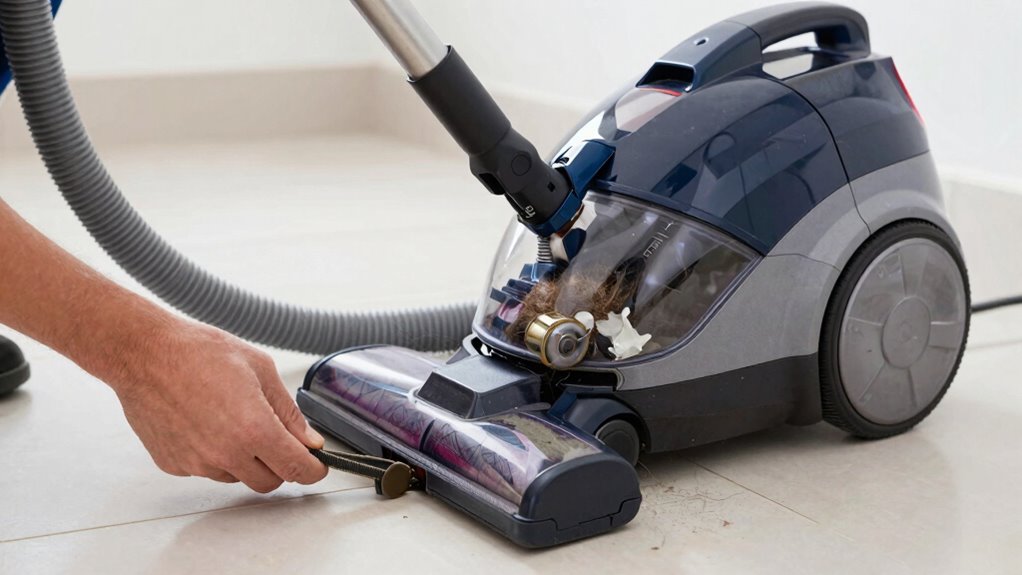

To determine if your vacuum issue is mechanical or just maintenance, start by inspecting the seals and filters. If you notice reduced suction, hissing sounds, or clogged filters, cleaning or replacing parts might fix the problem. Mechanical issues often involve broken belts, worn brushes, or internal damage, which can cause noises or slipping. If you’re unsure, checking these components can help you figure out whether simple fixes or repairs are needed to get your vacuum working smoothly again.
Key Takeaways
- Check for decreased suction or unusual noises to identify potential mechanical issues versus simple maintenance needs.
- Inspect seals and filters first; if they are clean and intact, the problem may be mechanical.
- Look for signs of worn belts, broken brushes, or internal component damage to identify mechanical failures.
- Test hoses and brush rolls for cracks, obstructions, or slipping belts indicating mechanical problems.
- Perform routine maintenance, such as cleaning filters and resealing, before diagnosing complex mechanical repairs.

When your vacuum suddenly loses suction or isn’t performing as well as it used to, it can be tricky to determine whether the issue is mechanical or simply a matter of maintenance. The first thing to check is the vacuum seal. Over time, the seal can weaken or become damaged, allowing air to escape and reducing suction power. If you notice that the vacuum isn’t pulling as strongly or there’s a hissing sound, it might be a sign that the vacuum seal isn’t airtight anymore. Replacing or re-sealing it can often restore proper suction without needing to replace parts.
Check the vacuum seal first; a damaged seal reduces suction and may need replacement or re-sealing.
Next, consider the filter. A common cause of decreased performance is a filter clog. Overuse or neglect can cause dirt, dust, and debris to build up, blocking airflow. When the filter is clogged, your vacuum has to work harder to pick up dirt, which can lead to overheating or motor strain. If you notice the suction weakens after a few minutes of use, check the filter. Remove it and see if it’s covered in dust or debris. Cleaning or replacing a clogged filter often solves the problem quickly and prevents further damage. Regular maintenance, like cleaning or changing filters, can extend the life of your vacuum and keep it performing at its best. Additionally, understanding the mechanical components of your vacuum can help you diagnose problems more accurately and prevent unnecessary repairs. Knowing how these components work can also help you identify signs of wear and tear early, avoiding costly repairs down the line.
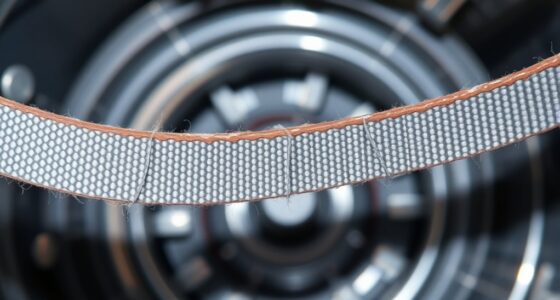
Mechanical issues, on the other hand, tend to involve broken or worn parts. If you notice strange noises, a belt that keeps slipping, or a brush that doesn’t spin, these are signs of mechanical problems. These issues usually require replacing or repairing parts rather than just cleaning or adjusting. For example, a broken belt may need replacing, or a damaged brush roller might need to be fixed. Mechanical problems tend to be more involved and costly but are less likely if you keep up with routine maintenance. Understanding the mechanical components of your vacuum can help you diagnose problems more accurately and prevent unnecessary repairs.
If your vacuum still isn’t working well after checking the seal and filter, then it’s time to look deeper. Inspect hoses for cracks or clogs, check the brush roll for obstructions, and listen for unusual sounds during operation. Sometimes, a mechanical failure like a burnt-out motor or a broken internal component could be the culprit. In those cases, professional repair might be necessary. But often, simple maintenance like cleaning filters and ensuring tight seals can solve many common issues. By systematically ruling out maintenance problems first, you can better identify whether your vacuum needs repairs or just a bit of TLC. Recognizing signs of wear and tear early can also save you money and extend the lifespan of your vacuum.

Style 7/9/10 P/N 3031120 Replacement Belt For Bissell Vacuum Belt Fit Bissell Powerforce Helix Powerlifter Cleanview Swivel Rewind Pet Vacuum Cleaner Replace Parts 2031093 32074 3031123 2-Pack
- Universal Compatibility: Fits Bissell styles 7/9/10/12/14/16
- Wide Model Compatibility: Suitable for various Bissell vacuum models
- Incompatible Part Numbers: Not compatible with certain part numbers
As an affiliate, we earn on qualifying purchases.
As an affiliate, we earn on qualifying purchases.
Frequently Asked Questions
Can Vacuum Problems Be Caused by Electrical Issues?
Yes, vacuum problems can be caused by electrical issues. If your vacuum isn’t working properly, you should conduct electrical diagnostics to check for power supply faults or damaged wiring. Sometimes, problems stem from electrical components like the motor or switch. Addressing power supply faults and ensuring the electrical system functions correctly can often resolve vacuum issues, saving you time and preventing unnecessary mechanical repairs.
How Often Should Vacuum Components Be Inspected?
You should inspect your vacuum components regularly, ideally every few months, to guarantee peak performance. Check the vacuum filter for dirt or clogs and replace it if necessary. Also, verify system calibration to maintain accuracy. Routine inspections help catch mechanical issues early, preventing bigger problems down the line. Keeping these components in good shape ensures your vacuum runs smoothly and efficiently, saving you time and money.
What Tools Are Needed to Diagnose Vacuum System Faults?
You need a vacuum gauge and a leak detector to diagnose vacuum system faults. Use the vacuum gauge to measure pressure levels and identify drops that suggest leaks or mechanical issues. The leak detector pinpoints exact leak locations, helping you determine if the problem is mechanical, like damaged components, or just maintenance-related. Together, these tools enable precise diagnosis, saving you time and preventing unnecessary repairs.
Are Vacuum Problems Always Visible or Audible?
Vacuum problems aren’t always a scream or a visible sign; sometimes, they’re whispers in the system. You can’t rely solely on sight or sound. Use leak detection methods to find hidden issues and noise diagnosis to pinpoint unusual sounds indicating trouble. Sometimes, the problem is silent and sneaky, requiring careful testing, listening, and inspection to uncover the root cause. Don’t let quiet issues fool you—trust your tools and instincts.
Can Software Updates Fix Vacuum System Issues?
Software updates can fix vacuum system issues caused by software glitches or outdated firmware. When you notice irregular performance or error messages, updating the firmware often resolves these problems. Manufacturers release firmware upgrades to improve functionality and fix bugs. You should regularly check for updates, as these can enhance your vacuum’s performance without needing mechanical repairs. Keep your system’s software current to guarantee smooth operation and prevent future issues.
Conclusion
Now, picture your vacuum as a loyal companion, smoothly gliding across your floors. When it stumbles, take a moment to listen—does it groan with mechanical strain or simply need a quick tune-up? By inspecting the brushes, hoses, and filters, you can tell if it’s a mechanical hiccup or just a matter of maintenance. Keep it well-maintained, and your vacuum will continue to dance effortlessly, making your cleaning routine a breeze.