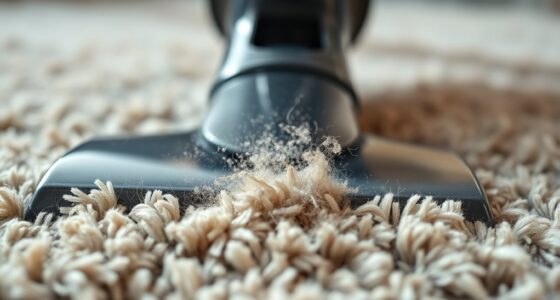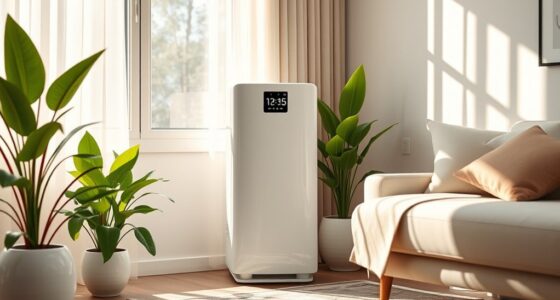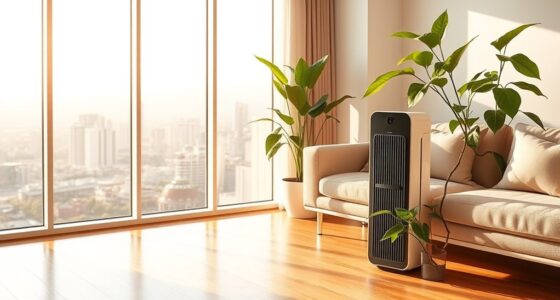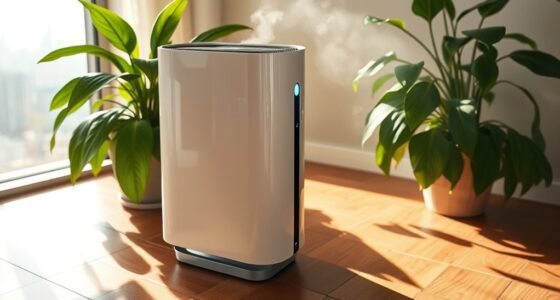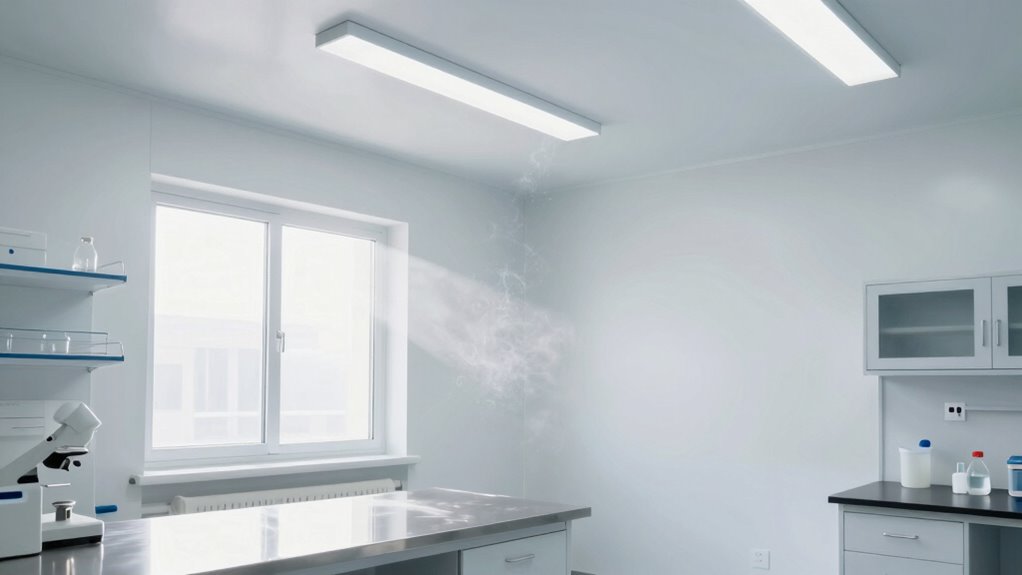

Even if your room looks spotless and dust-free, the air can still be filled with invisible pollutants like mold spores, bacteria, or chemical fumes. Surfaces may be clean, but airborne contaminants can linger due to poor ventilation or clogged filters. External pollutants might enter through the ventilation system, and internal sources like furniture or people can release harmful particles. To understand how to truly improve your air quality, keep exploring these hidden contamination sources.

Get cleaning gear delivered free — and shop member deals
- Fast, free delivery on millions of items
- Access to Prime Big Deal Days deals on October 6–7
- Prime Video, Amazon Music and more included
Key Takeaways
- Surface cleanliness does not address airborne contaminants that can persist despite a spotless environment.
- Ineffective or poorly maintained air filtration systems allow microscopic pollutants to remain airborne.
- External air sources and HVAC systems can introduce or recirculate contaminants despite a clean appearance.
- Inadequate ventilation can lead to the buildup of airborne pollutants, compromising air quality.
- Internal sources like equipment and personnel contribute to airborne contamination regardless of surface cleanliness.
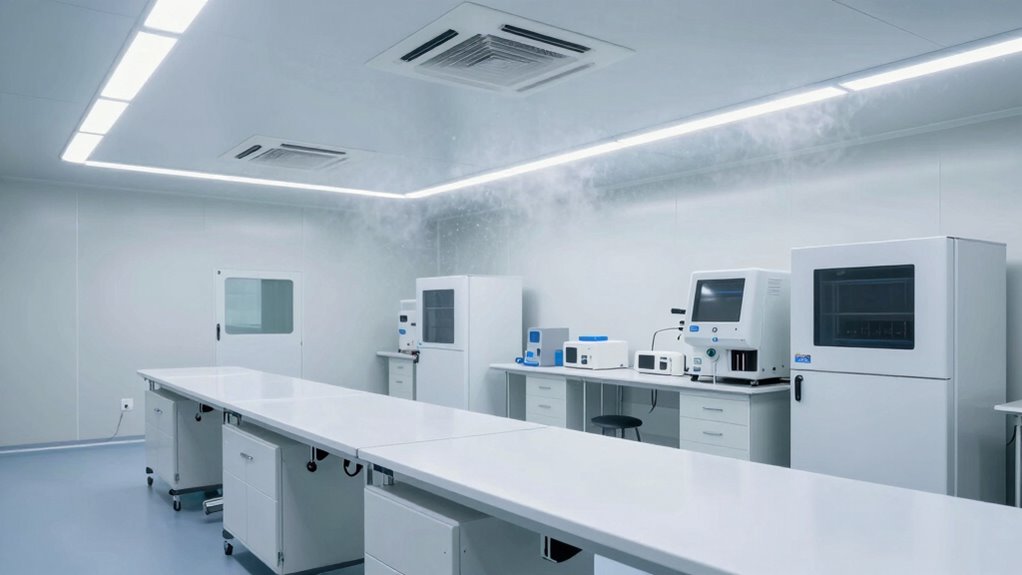
Have you ever wondered how a room can be considered clean yet still have unpleasant or harmful air? It’s a common question, especially when you think about the high standards of cleanliness many environments endeavor for. You might see spotless surfaces, dust-free floors, and sanitized equipment, but the air still feels heavy or smells off. That’s because cleanliness isn’t just about visible dirt; it’s also about the quality of the air you breathe. Even in well-maintained spaces, invisible contamination sources can linger, making air filtration a vital part of maintaining truly healthy environments.
Air filtration systems are designed to catch particles, bacteria, and other pollutants that can’t be seen with the naked eye. However, if these systems aren’t properly maintained or are inadequate for the space’s specific needs, harmful contaminants can slip through. For example, HEPA filters are highly effective at trapping airborne particles, but if they’re clogged or not replaced regularly, their efficiency drops. Poor air filtration means that even a room that looks spotless can harbor microscopic contaminants, including mold spores, bacteria, or chemical fumes, which contribute to poor air quality. You might not notice these until they cause health issues or discomfort, revealing that the air isn’t as clean as the surfaces.
Contamination sources aren’t always obvious. They can come from outside air, especially if the ventilation system isn’t filtering incoming air properly. HVAC systems may introduce pollutants from the outside environment or recirculate contaminated air if not well-maintained. Equipment and furniture can also be sources of contamination, releasing volatile organic compounds (VOCs) or harboring bacteria on their surfaces. Even the people in the room, with their skin particles, hair, and clothing fibers, continually contribute to airborne contaminants. In highly controlled environments like laboratories or cleanrooms, special protocols and filtration systems are necessary precisely because these invisible contamination sources can undermine the cleanliness standards. Additionally, proper ventilation plays a critical role in reducing the buildup of airborne pollutants and maintaining healthy indoor air quality. Ensuring that ventilation systems are regularly inspected and maintained is essential for preventing the accumulation of harmful airborne substances. Maintaining an understanding of indoor air quality and how it is affected by various contamination sources is key to creating truly safe and healthy environments. Being aware of how contaminants enter indoor spaces can help in implementing effective preventative measures.
HEPA air purifier for large rooms
As an affiliate, we earn on qualifying purchases.
As an affiliate, we earn on qualifying purchases.
Frequently Asked Questions
Can Bacteria Survive in a Clean Room’s Filtered Air?
Yes, bacteria can survive in a clean room’s filtered air. Even with highly efficient filtration, some microbial contamination and airborne allergens can slip through or survive on surfaces, leading to potential contamination. You need to regularly monitor air quality and maintain strict protocols to reduce microbial presence. Proper cleaning, filtration, and humidity control help minimize the risk, but complete elimination of bacteria from the air remains challenging.
How Often Should Filter Systems Be Replaced in Clean Rooms?
You should replace the filters in your clean room’s air filtration system every 6 to 12 months, depending on usage and contamination levels. Think of filters as the guardians of purity, trapping tiny invaders before they spread. Over time, they become overwhelmed with particle contamination, reducing efficiency. Regular replacement keeps airflow strong and prevents bacteria or particles from sneaking in, ensuring your environment stays as sterile and safe as possible.
Are There Invisible Pollutants That Standard Cleaning Misses?
Yes, invisible contaminants like chemical residues and volatile organic compounds can escape standard cleaning methods. These pollutants float in the air or settle on surfaces, often undetected by regular cleaning. You might think your clean room is spotless, but without specialized filtration or thorough chemical removal, these invisible contaminants can linger, impacting air quality and safety. Regular monitoring and advanced cleaning techniques help eliminate these hidden pollutants effectively.
Do Clean Rooms Have Odors Despite Being Sanitized?
Yes, clean rooms can have odors despite being sanitized. Odor sources like residual chemicals, mold, or bacteria might linger, especially if cleaning isn’t thorough. Poor air circulation can trap these odors, making the air feel stale even in a sanitized environment. To reduce odors, guarantee proper ventilation and use effective filtration systems. Regularly monitor air quality, and address any persistent smell sources promptly to maintain a truly fresh, clean environment.
Can Humidity Levels Affect Air Quality in Clean Rooms?
Imagine humidity levels as the silent puppeteer controlling air quality—you might not see its influence, but it’s there. Yes, humidity impact in clean rooms is significant; airborne moisture can foster mold, bacteria, and odors, degrading air quality. Too much moisture creates a hospitable environment for contaminants, while too little can cause static and dust issues. Maintaining ideal humidity balances airborne moisture and guarantees the air remains clean and safe.
Conclusion
Even in the most meticulously maintained environments, unseen challenges can linger, subtly affecting the atmosphere. While your clean room might seem pristine, tiny imperfections or overlooked factors can still cast a shadow on air quality. It’s a gentle reminder that perfection is a journey, not a destination. Sometimes, the wisest choice is to accept the subtle complexities and continue nurturing a healthier, more resilient space—after all, true clarity often comes from understanding what’s beneath the surface.
Fall Picks
fall essentials
As an affiliate, we earn on qualifying purchases.