To keep indoor air clean near busy roads, invest in a high-quality HEPA filter purifier and use air quality sensors to monitor pollution, adjusting settings as needed. Incorporate indoor plants like snake plants and peace lilies near entry points to naturally filter toxins. Increase purifier runtime during peak traffic hours and regularly review pollution levels to optimize routines. A combination of smart filtering methods creates a healthier home environment—keep exploring to learn more about perfecting your air quality strategy.

Get cleaning gear delivered free with Prime
- Fast, free delivery on millions of items
- Prime Video, Amazon Music and more included
- Member-only deals all year
Key Takeaways
- Invest in HEPA-filter air purifiers capable of capturing PM2.5 for effective pollutant removal.
- Use real-time air quality sensors to monitor pollution levels and adjust purifier settings accordingly.
- Increase purifier operation during peak traffic hours based on sensor data to maintain clean indoor air.
- Incorporate air-purifying indoor plants like snake plants and peace lilies near pollution entry points.
- Regularly review air quality data to optimize routine adjustments and ensure a consistently healthy environment.
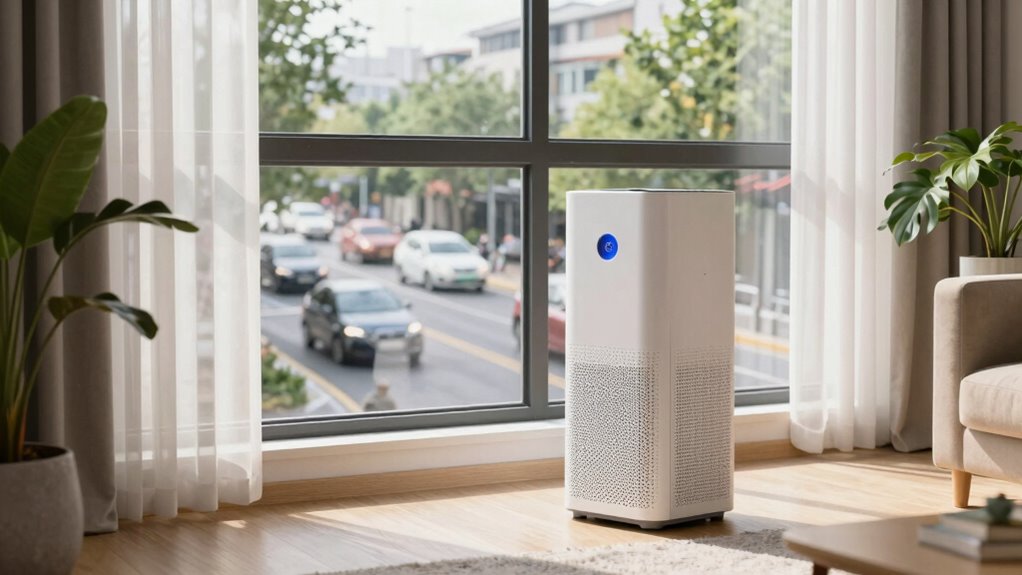
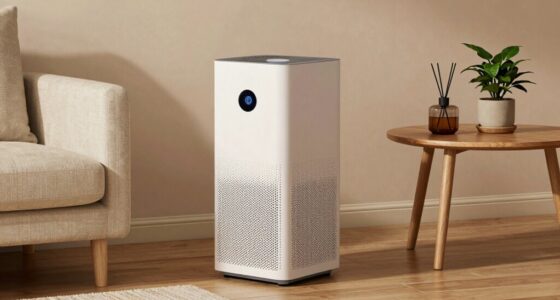
Living near busy roads means you’re constantly exposed to higher levels of air pollution, which can impact your health and well-being. To combat this, establishing an effective air purifier routine is vital. One of the first steps you should take is investing in a high-quality air purifier that features HEPA filters capable of capturing fine particulate matter, such as PM2.5, which is prevalent near busy roads. These filters remove pollutants from the air, providing a cleaner environment indoors. However, relying solely on the air purifier isn’t enough; you need to be proactive about monitoring your indoor air quality.
Invest in a HEPA-filter air purifier and monitor indoor air quality for a safer, cleaner home near busy roads.
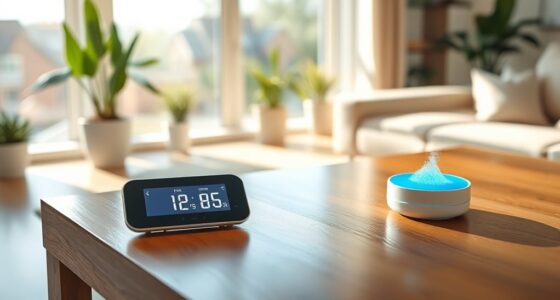
Using air quality sensors in your home allows you to keep a close eye on pollution levels in real-time. These devices measure pollutants, humidity, and VOCs (volatile organic compounds), giving you a clear picture of your indoor environment. When the sensors detect elevated pollution levels, you can increase the purifier’s running time or adjust settings to maximize filtration. Combining the data from air quality sensors with your purifier’s operation ensures your home remains as clean as possible, even during peak traffic hours. Incorporating indoor air quality monitoring can help you make more informed decisions about your air purification routine. Regularly updating your air quality data allows for better adaptation of your routine to changing environmental conditions.
In addition to using air purifiers and sensors, incorporating indoor plants can considerably improve your air quality. Plants like snake plants, peace lilies, and pothos naturally filter toxins and release oxygen, creating a healthier indoor space. They act as natural air purifiers, especially when placed near windows or in areas where pollution tends to seep in. Regularly caring for these plants not only enhances your home’s aesthetic but also boosts its air filtration capacity, making your environment safer and more comfortable. Introducing biodiversity into your indoor environment can further enhance air quality, as diverse plant life supports a healthier ecosystem. Additionally, plant selection is crucial, as certain species are more effective at filtering specific pollutants, so choosing the right plants can optimize your indoor air quality efforts. Proper plant care and strategic placement are key to maximizing their benefits.
HEPA air purifier for PM2.5 removal
As an affiliate, we earn on qualifying purchases.
As an affiliate, we earn on qualifying purchases.
Frequently Asked Questions
How Often Should I Replace the Air Purifier Filters?
You should replace your air purifier filters based on the recommended replacement frequency, usually every 3 to 6 months. Regular filter maintenance is crucial for peak performance, especially if your home is near busy roads with higher pollution levels. Keep an eye on the filter’s condition, and if it looks dirty or the airflow decreases, replace it sooner. Following these guidelines guarantees your air stays clean and healthy.
Can Air Purifiers Eliminate All Types of Traffic-Related Pollutants?
Air purifiers can’t eliminate all traffic-related pollutants, but they markedly improve indoor air quality. They target common traffic emissions like particulate matter, nitrogen dioxide, and volatile organic compounds, reducing their presence indoors. However, some pollutants, especially gases and ultrafine particles, may require specialized filters or ventilation systems. You can maximize benefits by choosing high-efficiency filters, maintaining your device regularly, and combining air purifiers with proper ventilation strategies.
Do Air Purifiers Produce Any Harmful Ozone?
Air purifiers can produce some ozone emissions, especially models with ionizers or ozone generators. These ozone emissions might be harmful if they accumulate indoors, so it’s important to choose a purifier with low or no ozone output. Keep in mind, ozone can shorten filter lifespan and impact air quality. Always check product specifications and opt for certified models to minimize ozone risks, ensuring a safer environment in your home.
How Noisy Are Air Purifiers During Operation?
You’ll find that air purifiers are often quite gentle, with noise levels that won’t disturb your daily routine. Many models feature sound insulation, keeping operational hums soft and unobtrusive. During quieter settings, they might sound like a gentle whisper, perfect for sleep or work. Even in higher fan modes, they remain relatively unobtrusive, allowing you to enjoy fresh air without fuss.
Are There Specific Features to Look for in Air Purifiers for Busy Roads?
You should look for air purifiers with high-efficiency particulate air (HEPA) filters and activated carbon to tackle pollutants from busy roads. Features like indoor plants can boost air quality naturally, while built-in air quality sensors help you monitor pollution levels and adjust settings accordingly. These sensors guarantee your purifier works efficiently, maintaining cleaner air indoors despite external traffic pollution. Opt for these features to safeguard your home’s air quality effectively.
Conclusion
By sticking to this air purifier routine, you’re taking proactive steps to breathe cleaner air and protect your home’s health. Regular maintenance, strategic placement, and mindful usage guarantee you get the most out of your purifier. Think of it as keeping your house in top shape—when you stay on top of it, everything runs smoothly. Remember, a little effort today keeps the pollutants at bay tomorrow, so don’t let your guard down.
Halloween Picks
halloween
As an affiliate, we earn on qualifying purchases.