
Integrating air purifiers into your HVAC system helps you breathe cleaner air by filtering out dust, pollen, odors, and harmful microbes throughout your entire home. You can choose from HEPA, activated carbon, or UV purifiers based on your needs, and combining these techs offers thorough protection. Regular maintenance, like filter replacements and duct cleaning, guarantees peak performance. Keep going to discover detailed tips on choosing, installing, and maintaining these systems for the best indoor air quality.
Key Takeaways
- Choose the right air purifier type (HEPA, activated carbon, UV) based on your indoor air quality needs.
- Integrate filters seamlessly into your existing HVAC system for comprehensive air cleaning.
- Regularly maintain and replace filters according to manufacturer guidelines to ensure optimal performance.
- Use system indicators and schedule professional check-ups to monitor and verify proper operation.
- Keep vents and ducts clean to prevent dust buildup and support the efficiency of the integrated air purification system.
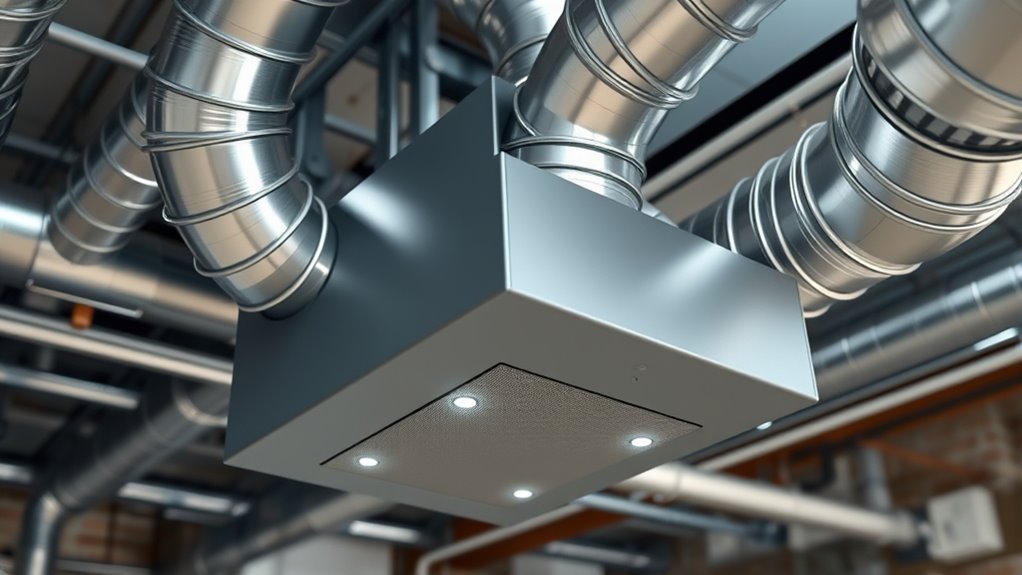
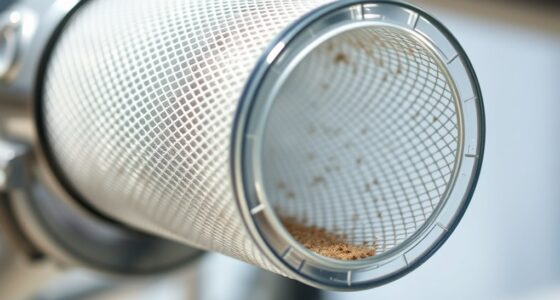
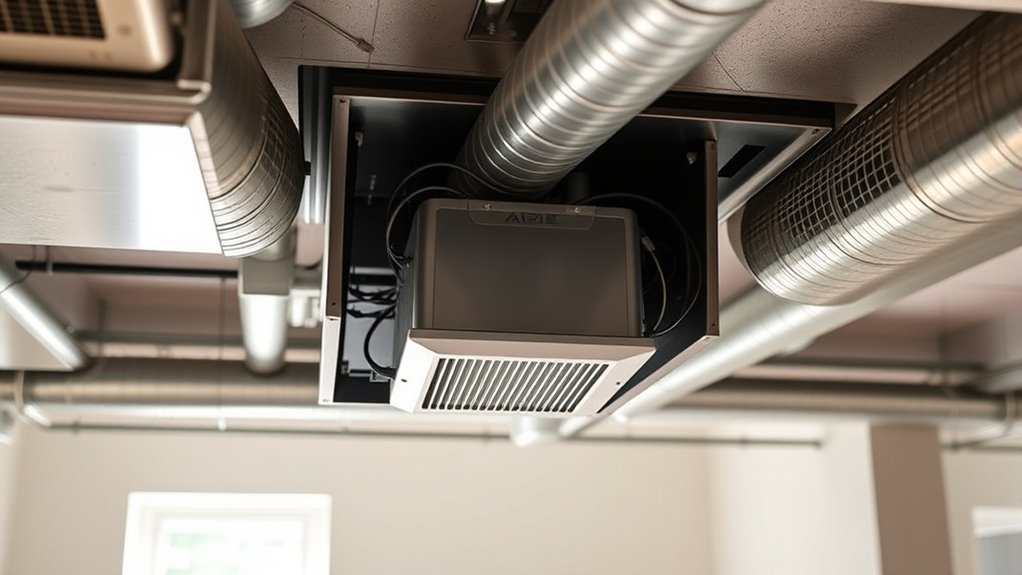
If you’re looking to improve your indoor air quality, integrating an air purifier into your HVAC system is a smart move. This approach guarantees cleaner air throughout your home, reducing allergens, pollutants, and odors. When considering this upgrade, it’s important to understand the different air purifier types available so you can choose the best fit for your needs. There are mainly three types: HEPA filters, activated carbon filters, and UV purifiers. HEPA filters trap tiny particles like dust, pollen, and pet dander, making them ideal for allergy sufferers. Activated carbon filters excel at removing odors, volatile organic compounds (VOCs), and chemical fumes, which is great if you’re sensitive to smells or live in an urban area. UV purifiers use ultraviolet light to kill bacteria and viruses, providing an extra layer of protection. Many modern systems combine these technologies, offering extensive filtration.
Once you’ve selected the right type of air purifier, proper maintenance is essential to keep it functioning effectively. Regularly changing or cleaning filters is vital; neglecting this step can reduce airflow and compromise filtration efficiency. Check your manufacturer’s guidelines for recommended replacement intervals—usually every three to six months for HEPA filters and more frequently for activated carbon filters, depending on usage and air quality. Additionally, keep the system’s vents and ducts clean to prevent dust buildup that can strain your HVAC components and diminish air quality. Using high-quality filters can extend the lifespan of your system and improve its performance, so invest in filters that meet your system’s specifications. Regular filter cleaning and replacement are crucial for optimal performance, ensuring the system continues to operate efficiently and effectively.
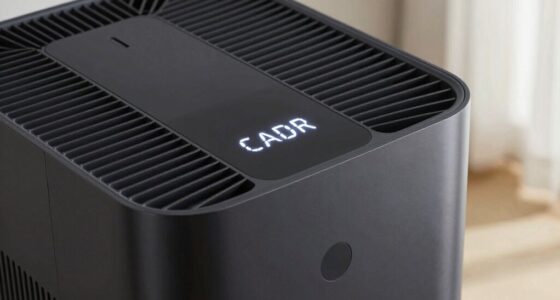
Another important maintenance tip is to monitor the system’s operation. Many air purifiers come with indicator lights that signal when filters need replacing or when airflow is restricted. Regularly inspecting these indicators helps you stay ahead of potential issues. It’s also wise to schedule professional HVAC check-ups annually, especially if your system integrates a complex air purification setup. These professionals can ensure that the entire system operates smoothly, that filters are functioning correctly, and that ducts are clean. Proper maintenance not only prolongs the life of your air purifier but also guarantees it continues to deliver superior air quality.
Top picks for "integrat purifier hvac"
Open Amazon search results for this keyword.
As an affiliate, we earn on qualifying purchases.
Frequently Asked Questions
Can Air Purifiers Be Installed in Existing HVAC Systems?
Yes, air purifiers can be installed in existing HVAC systems. You just need to check air purifier compatibility with your system, as some models may require specific filters or configurations. The installation process is usually straightforward and involves attaching the purifier to your ductwork or replacing a filter. It’s best to consult a professional to guarantee proper setup, ideal performance, and to avoid any compatibility issues.
How Often Should the Air Filters Be Replaced After Integration?
You should replace your air filters every 1 to 3 months after integration, depending on your maintenance schedule and filter lifespan. Neglecting this can turn your home into a breathing nightmare faster than you can blink. Regular replacements keep your air purifier working at peak performance, trapping pollutants effectively. Stay vigilant, follow manufacturer guidelines, and don’t let dirty filters sabotage your air quality—your lungs will thank you!
Will Integrating an Air Purifier Increase Energy Costs?
Integrating an air purifier can slightly increase your energy consumption, but the cost implications are usually minimal. Modern purifiers are designed to be energy-efficient, so you won’t see a significant spike in your electricity bill. Keep in mind that running the purifier continuously may raise costs, but using it selectively or during peak pollution times helps manage energy use effectively. Overall, the benefits of cleaner air often outweigh the minor increase in energy costs.
Are There Specific Air Purifiers Compatible With All HVAC Models?
Not all air purifiers are compatible with every HVAC model, but many are designed for easy filter compatibility and model integration. You should check your HVAC system’s specifications and consult with manufacturers to find purifiers that fit your filter slots and can be integrated smoothly. Look for units with adjustable settings and clear compatibility information to guarantee seamless operation without damaging your system or reducing efficiency.
How Long Does Installation Typically Take?
Installation typically takes about 2 to 4 hours, depending on your HVAC system’s complexity. You can expect a straightforward installation timeline with professional installation, ensuring the process is quick and efficient. Skilled technicians will handle everything, minimizing disruptions to your home. Keep in mind, larger systems or additional modifications might extend the timeline slightly, but most installations are completed within a single appointment for your convenience.
Conclusion
By integrating an air purifier into your HVAC system, you’re not just filtering air—you’re creating a sanctuary of breathable clarity. Think of it as planting a seed of purity within your home’s foundation, growing stronger with each clean breath. As the purifier works silently, it symbolizes your commitment to health and well-being, transforming your space into a fortress against pollutants. Embrace this upgrade, and let your home breathe easier, standing as a beacon of freshness amid a world of uncertainty.