Instead of sticking to a strict schedule, focus on your home’s actual conditions to know when to change your filters. Check for visible dirt, dust buildup, or reduced airflow, and watch for signs like stuffy odors or allergy symptoms. Environmental factors and household activity also affect filter life. By monitoring these signs, you’ll prevent system strain and maintain better air quality. Keep learning—there’s more to optimizing your filter routine that can save you money and improve comfort.
Key Takeaways
- Regularly inspect filters for dirt, dust, or discoloration rather than relying solely on dates.
- Monitor indoor air quality and airflow to determine the optimal filter change timing.
- Adjust replacement frequency based on household activity, pets, and environmental pollutants.
- Use visual cues and environmental signs, such as reduced airflow or musty odors, instead of fixed schedules.
- Maintain a cleaning and inspection log to identify patterns and prevent premature or delayed filter changes.
air filter with indicator light
As an affiliate, we earn on qualifying purchases.
As an affiliate, we earn on qualifying purchases.
Why Rigid Filter Schedules May Not Be Best for Your Home
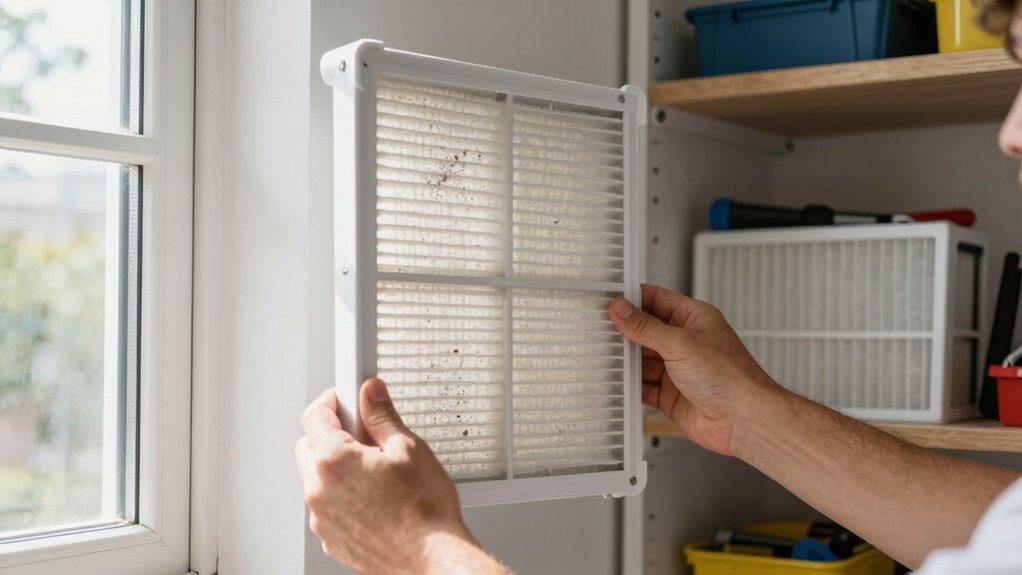
While sticking to a strict filter replacement schedule might seem like the safest approach, it isn’t always the best option for your home. Different homes have varying needs, and factors like filter materials can influence how often you should change filters. Some filters, made from high-quality materials, can last longer, while cheaper options may need more frequent replacement. When considering brand comparisons, look beyond price—pay attention to filter efficiency and material durability. Rigid schedules might lead you to replace filters prematurely or too late, reducing air quality or wasting money. Instead, evaluate your home’s specific conditions, such as air quality and usage patterns, to determine the right replacement timing. This tailored approach guarantees better filtration and more cost-effective maintenance. Additionally, understanding the filter lifespan based on your environment can help optimize your maintenance routine. Recognizing the importance of filter materials and their durability can further improve your filter management strategy. Regularly assessing air quality considerations and adjusting your schedule accordingly ensures optimal performance and healthier indoor air. Incorporating environmental factors into your decision can also help extend filter life and maintain indoor air quality at optimal levels. Furthermore, staying informed about filter technology advancements can help you select the most efficient options for your needs.
high efficiency HVAC air filters
As an affiliate, we earn on qualifying purchases.
As an affiliate, we earn on qualifying purchases.
How to Know When Your Air Filter Actually Needs Changing
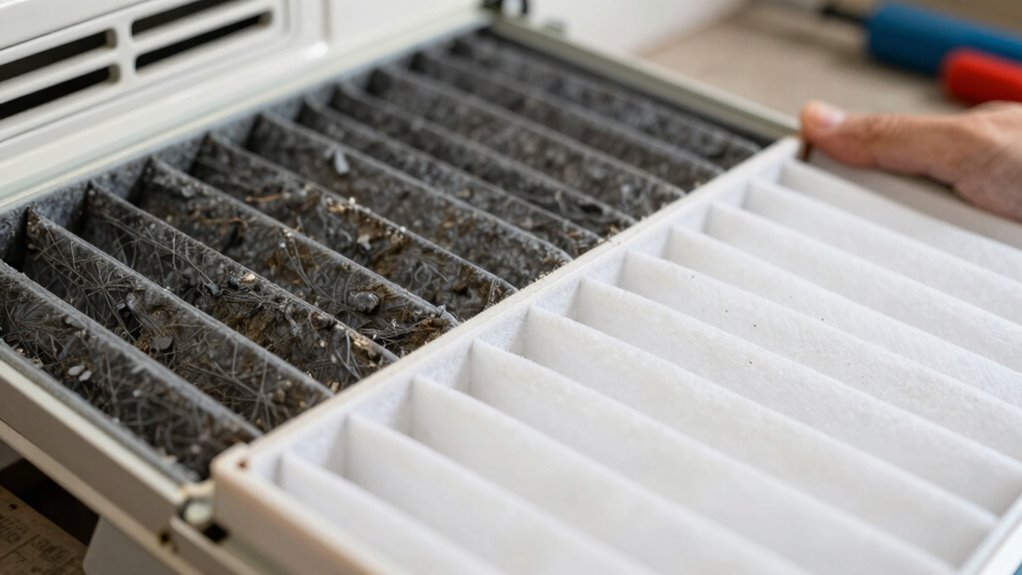
Knowing when to change your air filter isn’t always obvious, but paying attention to certain signs can help you determine the right time. The filter lifespan varies depending on usage and indoor pollutants, but generally, a filter should be replaced every 1 to 3 months. Look for visible dirt, dust buildup, or discoloration—these indicate it’s becoming clogged. If your home has pets or smokers, you may need to change it more often. Reduced airflow, increased allergy symptoms, or a musty smell also signal it’s time for a new filter. Don’t rely solely on a set schedule; monitoring these signs guarantees your filter effectively traps indoor pollutants and maintains good air quality. Staying attentive helps you avoid over- or under-changing your filter. Understanding filter lifespan can help you plan replacements more accurately. Additionally, regular maintenance of your air filter can improve overall air quality and support your health. Being aware of filter efficiency and how it deteriorates over time can further help you determine the optimal replacement schedule. Recognizing indoor air pollution sources can also guide you in maintaining a healthier environment, especially since indoor pollutants can accumulate quickly without proper filtration.

16 in 1 Air Quality Monitor Indoor 7" Large Display 9 AQI+7 Alerts, CO2 Monitor Air Quality Tester for CO2, TVOC, PM2.5 PM1.0 PM10, HCHO Temperature Humidity AQI & Time Air Quality Meter for Home
【16-in-1 Air Quality Monitor Indoor】Experience the ultimate indoor air quality monitoring with our 16-in-1 Air Quality Monitor, offering…
As an affiliate, we earn on qualifying purchases.
As an affiliate, we earn on qualifying purchases.
Key Factors That Influence How Often You Should Change Your Filter
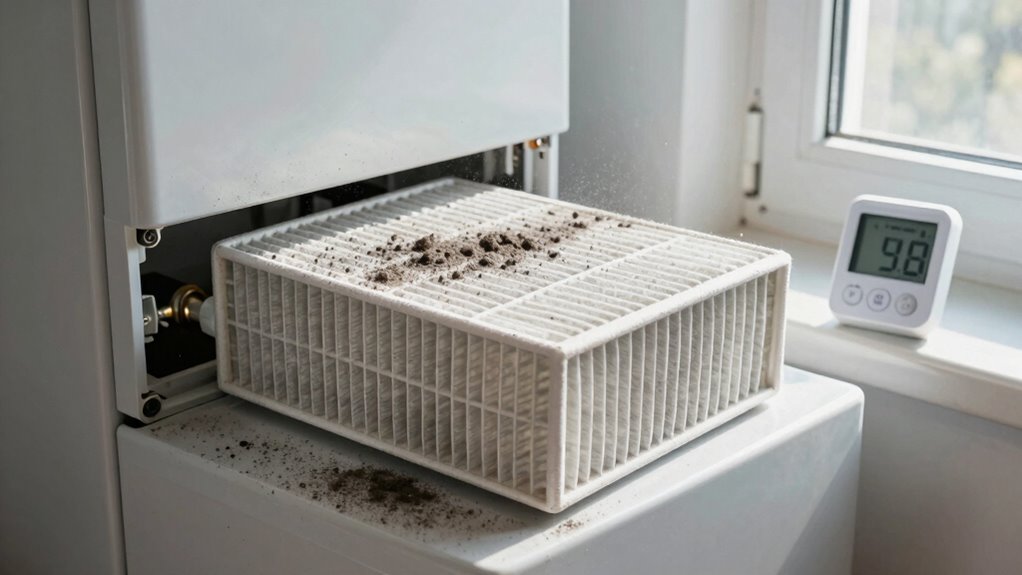
Your home’s air quality, how long you keep your filter in place, and how often household members are active all influence how often you should change your filter. If you notice more dust or allergies, it might be time sooner than usual. Staying aware of these factors helps you maintain a healthier indoor environment. Additionally, understanding simple home organization strategies can make it easier to keep your space clean and reduce dust buildup. Implementing proper ventilation practices can also improve air circulation and decrease the frequency of filter replacements. Being mindful of indoor air quality factors can further guide you in maintaining a cleaner and safer home environment. Regularly monitoring filtration efficiency ensures your filter is working effectively and can help you decide when it’s time for a change.
Air Quality Levels
How clean your indoor air stays depends largely on the air quality levels in your environment. If your space has high pollution, dust, or pet dander, your air quality drops, and your filter needs changing more often. Using an air purifier can help improve air quality, reducing the load on your filter. Regular HVAC maintenance also plays a vital role in keeping the system working efficiently and minimizing pollutants circulating indoors. When the air quality is poor, your filter captures more particles, so it becomes dirty faster. Conversely, in a cleaner environment, your filter lasts longer. Monitoring air quality levels helps you determine the right time to change your filter, ensuring ideal indoor air and system performance without unnecessary replacements. **Understanding air quality levels is essential for optimizing filter maintenance and ensuring safe, healthy indoor environments.**
Filter Usage Duration
The frequency with which you should change your filter largely depends on several key factors. Your filter lifespan varies based on usage, environmental conditions, and the type of filter you have. Typically, filters need replacement every 1 to 3 months, but this can change depending on your household’s circumstances. If you notice reduced airflow or increased dust, it’s a sign your filter has reached the end of its effective lifespan. Proper replacement timing guarantees your system runs efficiently and maintains good air quality. Ignoring these signals can lead to decreased filter performance and potential system issues. Regularly checking your filter and considering these factors helps you determine the right interval for replacement, preventing premature changes and optimizing your system’s lifespan. Additionally, understanding how to identify signs of filter wear can help you maintain healthier indoor air quality. For example, air filtration efficiency can decline over time, impacting your indoor environment. Changes in air quality factors such as humidity, pollutants, or household activities can also influence how quickly your filter becomes clogged, making regular checks even more vital.
Household Activity Frequency
Have household activities ramped up recently? That means your filter replacement schedule should be adjusted accordingly. Increased activity stirs up more dust, pet dander, and pollutants, which can quickly degrade air quality. To maintain ideal air quality, consider these factors:
- Number of occupants: More people in the house means more air pollutants, requiring more frequent filter changes.
- Pets in the home: Pet hair and dander clog filters faster, so replace them more often.
- Activity level: Cooking, cleaning, or renovation projects produce dust and fumes, impacting filter lifespan. Regularly monitoring air quality can help determine when a filter needs changing.
Monitoring these factors helps you determine when to change your filter. Staying proactive ensures better air quality and prevents your HVAC system from working harder.
reusable furnace filters
As an affiliate, we earn on qualifying purchases.
As an affiliate, we earn on qualifying purchases.
The Risks of Changing Your Air Filter Too Late or Too Soon
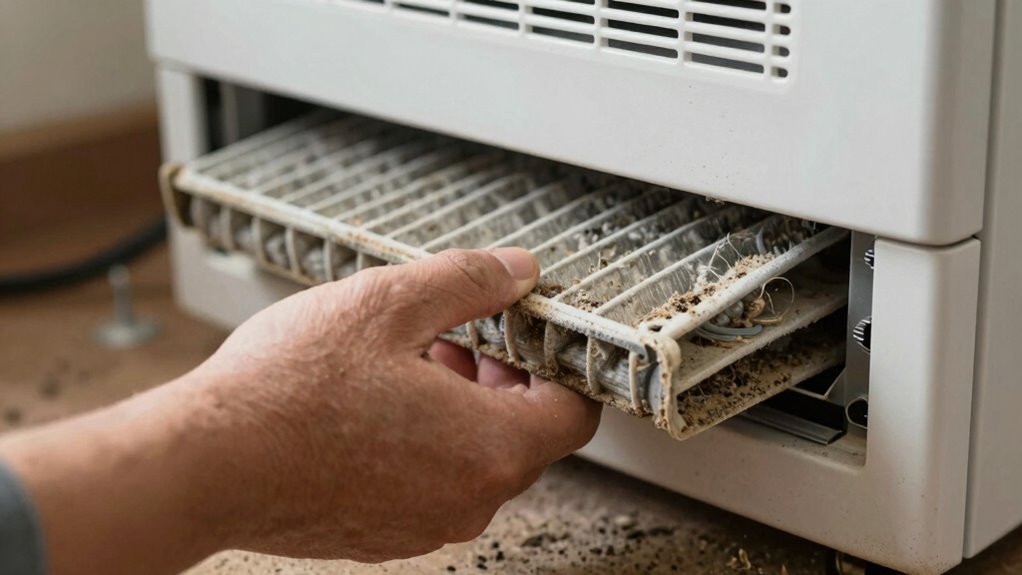
Changing your air filter at the wrong time can lead to serious problems for your heating and cooling system. If you change it too late, dust and debris clog the filter, reducing air filtration efficiency and forcing your system to work harder. Conversely, changing it too early wastes money and disrupts effective filter maintenance.
Imagine this:
| Too Late | Too Soon |
|---|---|
| Dust buildup, poor air quality | Unnecessary replacements, cost |
| System strain, higher energy use | Shortened filter lifespan |
| Reduced airflow, discomfort | Waste of resources |
| Potential system damage | Over-inflated maintenance costs |
Timing is key to maintaining ideal air filtration and avoiding costly repairs.
How Indoor Air Quality and System Performance Guide Your Filter Changes
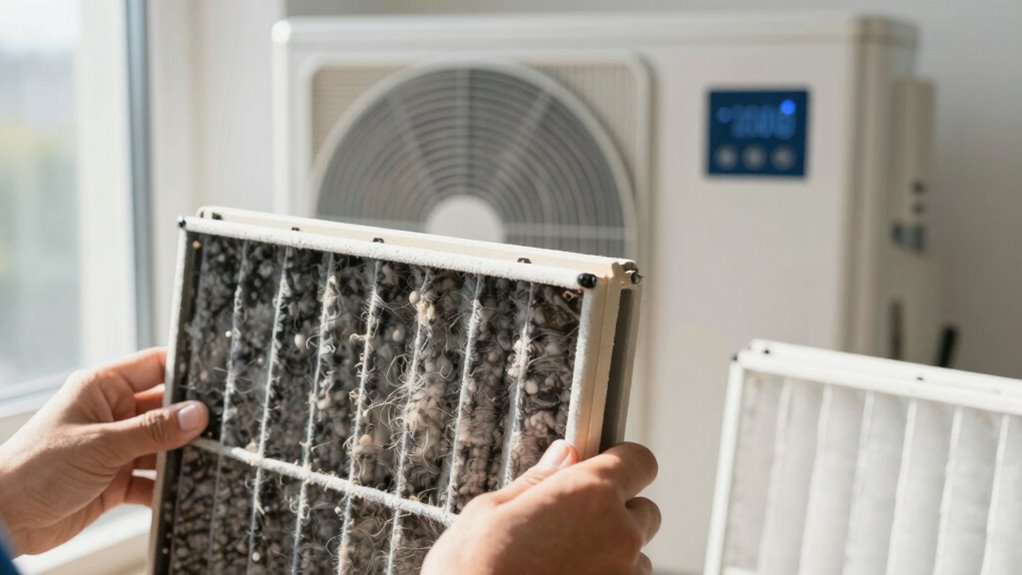
Your indoor air quality indicators, like increased dust or odors, signal it’s time to change the filter. System efficiency factors, such as airflow and energy use, also help determine the right timing. By paying attention to these signs, you can keep your system running smoothly and maintain a healthy environment. Regularly monitoring air quality indicators can help you identify the optimal moments for filter replacement. Additionally, understanding system performance helps ensure your HVAC system operates efficiently and prolongs its lifespan. Being aware of potential cross-contamination risks is also crucial for maintaining a truly clean and safe indoor environment. Incorporating proper ventilation practices can further improve indoor air quality and system efficiency. Monitoring these factors regularly can lead to more accurate and timely filter changes, preventing unnecessary wear on your system.
Indoor Air Quality Indicators
How can you tell if your indoor air quality is declining? You might notice increased dust, musty odors, or symptoms like sneezing and congestion. These signs often indicate compromised air filtration and rising indoor allergens. To monitor your air quality effectively, consider these indicators:
- Visible dust or debris settling on surfaces, suggesting your filters aren’t capturing particles well.
- Persistent odors that air filters aren’t removing, hinting at poor air exchange.
- Frequent allergy or asthma symptoms, which reflect elevated indoor allergens.
- Changes in your overall health or comfort, such as increased respiratory issues or fatigue, which may be linked to narcissistic manipulative behaviors affecting your environment and well-being.
System Efficiency Factors
Since your HVAC system’s performance directly impacts indoor air quality, paying attention to system efficiency is essential for timely filter changes. The filter material plays a significant role in how well your system runs; high-quality filters with proper material reduce airflow resistance, allowing air to move smoothly through your system. When the filter becomes clogged or the material degrades, airflow resistance increases, forcing your system to work harder. This not only decreases efficiency but can also strain components, leading to higher energy bills and potential system breakdowns. Monitoring how your system responds—such as reduced airflow or increased noise—can help you identify when your filter material has become less effective. Keeping filters clean and choosing the right material ensures ideal airflow and maintains system efficiency.
Optimal Filter Replacement Timing
Monitoring indoor air quality and system performance is key to determining when to replace your filters. When filters become clogged or air purifiers show reduced efficiency, it’s time for a change. Pay attention to these signs:
- Check the filter materials—if they’re visibly dirty or discolored, replace them promptly.
- Notice a decline in airflow or system output, indicating the filter is restricting air passage.
- Consider the environment; high pollution or allergens mean filters need more frequent changes.
Optimal timing balances system performance and air quality. Regularly inspecting filters and monitoring air quality helps you avoid premature replacements or overdoing it. This approach ensures your air purifiers and HVAC systems operate smoothly, maintaining healthy indoor air and efficiency.
Practical Tips for Monitoring Your Air Filter’s Condition

Regularly checking your air filter’s condition is essential to guarantee it’s working effectively. To do this, inspect your air purifier’s filter material every few weeks. Look for visible dirt, dust buildup, or discoloration, which indicate it’s becoming clogged. Many filters have a built-in indicator, so pay attention to that feature if yours does. When cleaning or replacing, touch the filter material—if it feels thick, damp, or sticky, it’s time for a change. Keep a log of inspection dates to track how quickly your filter gets dirty. Don’t rely solely on expiration dates; visual cues are more reliable. Performing regular checks ensures your air purifier maintains ideal airflow and filtration, improving indoor air quality and prolonging filter lifespan.
How to Create a Smarter, Personalized Filter Replacement Routine
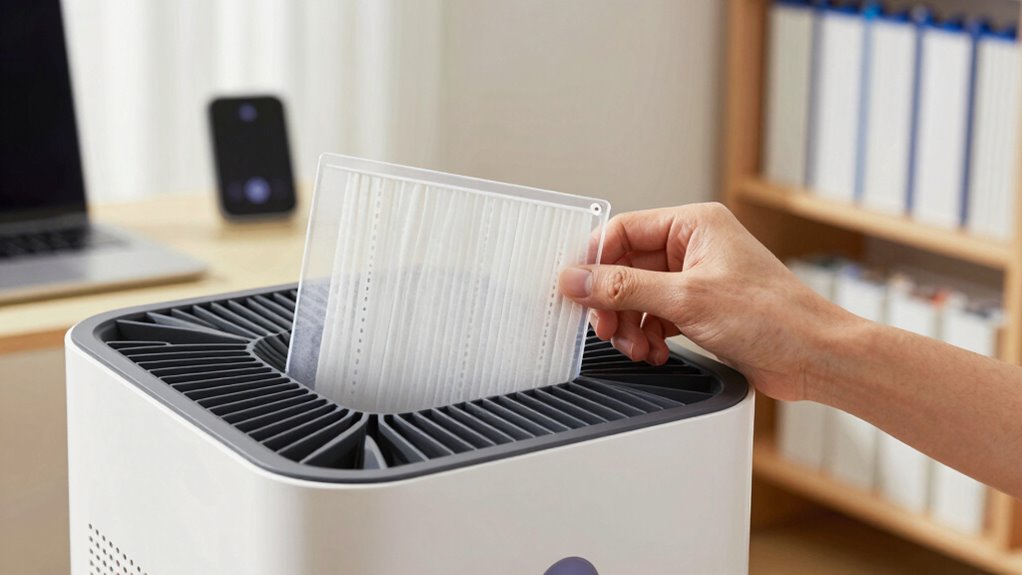
Creating a smarter, personalized filter replacement routine starts with understanding your specific usage patterns and indoor environment. To optimize your filter maintenance, consider these DIY filter tips:
- Track your filter lifespan based on your household’s activity levels and air quality. Adjust replacement frequency accordingly.
- Use a calendar or reminder system to stay consistent, preventing premature or delayed changes.
- Inspect filters regularly for dirt buildup and replace them when visibly dirty, rather than sticking to generic timelines.
How Environment and Lifestyle Impact Your Filter’s Lifespan
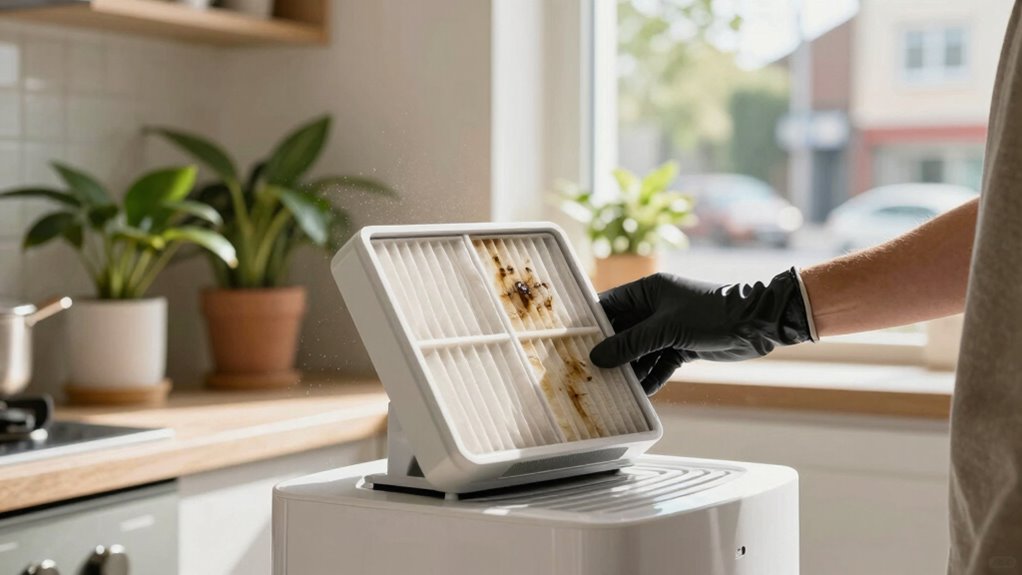
Your environment and lifestyle choices directly influence how long your filters last. If you live in a polluted area or have pets, your air purifier’s filter will clog faster, requiring more frequent replacements. Similarly, a poorly maintained ventilation system circulates dust, pollen, and other particles, reducing filter lifespan. Smoking indoors notably accelerates filter dirt buildup, while cooking habits that produce smoke or fumes also contribute to quicker saturation. To extend your filter’s life, ensure good airflow and minimize airborne contaminants. Regularly cleaning vents and keeping the indoor environment clean help reduce the strain on your air purifier and ventilation system. By understanding how your environment impacts filter performance, you can better plan maintenance and avoid premature replacements.
Choosing the Right Filter Type and Merv Rating for Your Home
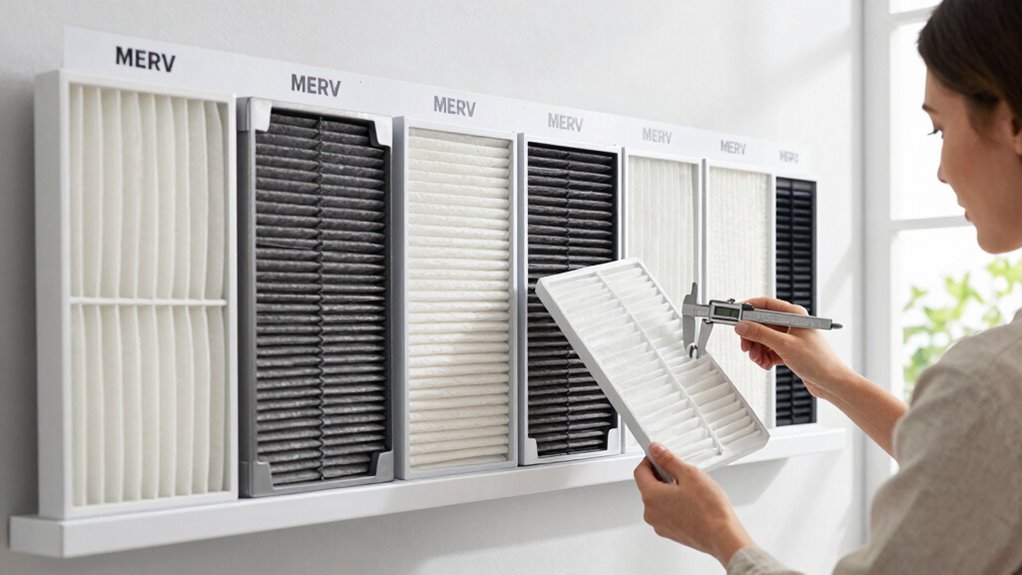
Choosing the right filter type and MERV rating is essential for optimizing your home’s air quality and extending your system’s lifespan. First, consider the filter material; options include fiberglass, pleated, or electrostatic filters, each offering different levels of filtration. Second, evaluate the MERV ratings, which range from 1 to 20; lower ratings are suitable for basic filtering, while higher ratings trap smaller particles. Third, match the filter to your needs: if you have allergies or pets, opt for a higher MERV rating for better allergen removal. Be aware that higher-rated filters can restrict airflow, so ensure your system can handle the chosen MERV rating. Making informed choices about filter material and MERV ratings guarantees cleaner air and a more efficient HVAC system.
Benefits of Adapting Your Filter Schedule for Better Air Quality and System Health

Adjusting your filter schedule can considerably improve your indoor air quality by reducing pollutants and allergens. It also helps keep your HVAC system running efficiently, preventing unnecessary wear and tear. In turn, this extends the lifespan of your system and saves you money on repairs.
Enhanced Air Quality Management
Ever wondered how maintaining an ideal filter schedule can boost air quality and extend your system’s lifespan? When you stick to a proper schedule, you optimize air quality and guarantee your system runs efficiently. Here are three key benefits:
- Improved air quality: Regularly changing filters reduces dust, allergens, and pollutants, making your indoor air healthier.
- Longer filter lifespan: Proper timing prevents unnecessary wear, saving you money and reducing waste.
- Enhanced system performance: Clean filters allow your system to operate smoothly, reducing strain and energy consumption.
Prolonged System Lifespan
Maintaining a proper filter schedule not only improves air quality but also substantially extends the lifespan of your HVAC system. When you replace filters on time, you reduce strain on components and prevent dirt buildup that can cause system failure. Proper maintenance scheduling ensures your filter lifespan is maximized, keeping your system running efficiently longer. To visualize the benefits, consider this:
| Filter Replacement Frequency | System Longevity Benefits |
|---|---|
| Regular, timely changes | Fewer breakdowns, lower repair costs |
| Ignoring schedule | Shortened system lifespan |
| Using correct filters | Better airflow and durability |
Sticking to an ideal maintenance schedule protects your investment and keeps your system operating at peak performance.
Frequently Asked Questions
How Often Should I Check My Air Filter’s Condition?
You should check your air filter’s condition every month for ideal filter maintenance. Regular inspections help guarantee your filter isn’t clogged, which can reduce airflow and compromise air quality. If you notice dirt or debris buildup, replace it sooner. Keeping an eye on your filter’s condition ensures better air quality and system efficiency, preventing unnecessary wear and tear. Consistent checks help you maintain a healthier indoor environment.
Can I Use a Higher MERV Rating Filter Safely?
Using a higher MERV rating filter can improve air quality by capturing smaller particles, but it’s not always safe. About 85% of HVAC systems are incompatible with filters rated above MERV 13, risking reduced airflow and system damage. Check your system’s specifications and consider filter materials; some high-MERV filters may clog more quickly or restrict airflow, so choose one that balances filtration with your system’s capabilities.
What Signs Indicate My HVAC System Is Underperforming?
If your HVAC system is underperforming, look for airflow restrictions like weak airflow from vents or inconsistent heating and cooling. You might notice increased energy bills or your system running longer than usual. These signs suggest your filter’s durability is compromised or clogged, causing reduced airflow. Regularly inspecting and replacing filters helps maintain proper airflow, prevents system strain, and keeps your HVAC running efficiently.
Are There Seasonal Factors Affecting Filter Replacement Needs?
Seasonal changes and pollen seasons definitely impact your filter replacement needs. During pollen seasons, you’ll notice more dust and allergens clogging your filter faster. In colder months, filters work harder to keep your home warm, so consider replacing them more frequently. Conversely, in milder seasons, you might extend the interval between replacements. Keep an eye on your filter’s appearance and airflow to determine when it’s time for a change.
How Does Household Occupancy Impact Filter Lifespan?
Household occupancy directly impacts filter lifespan because more people mean increased dust, pet dander, and pollutants. When occupancy is high, filters clog faster, so you should check and replace them more frequently. Conversely, if fewer people are home, filters last longer. Keep an eye on your filter’s condition based on your household occupancy, and don’t wait for a set schedule—replace it when it’s visibly dirty or clogged.
Conclusion
Instead of sticking to a rigid schedule, pay attention to your home’s unique needs. By monitoring indoor air quality and understanding your environment, you can time your filter changes more effectively. Don’t worry—this personalized approach might seem more effort at first, but it actually saves money and keeps your air cleaner longer. Trust me, adjusting your routine based on real factors is the smarter way to breathe easier and protect your system.