Wildfire smoke penetrates deeply into walls, furniture, and ventilation systems, making cleanup complex. A single device, like an air purifier, can only trap some particles and is often insufficient for complete removal. Smoke residue embeds into porous materials and cracks, requiring specialized cleaning methods. Professional intervention is needed to thoroughly clean HVAC systems and surfaces. To truly restore indoor air quality, you’ll need multiple tools and techniques—discover how each plays an essential role in the full cleanup process.

Get cleaning gear delivered free with Prime
- Fast, free delivery on millions of items
- Prime Video, Amazon Music and more included
- Member-only deals all year
Key Takeaways
- Smoke particles infiltrate deeply into porous materials and cracks, requiring multiple cleaning methods beyond a single device.
- Air filtration alone cannot remove microscopic particles embedded in walls, furniture, and ventilation systems.
- Visible soot removal is only the first step; thorough cleaning of surfaces and ducts is essential for complete remediation.
- Professional cleaning is necessary to effectively eliminate residual smoke particles from HVAC and ductwork.
- Layered strategies, including cleaning, ventilation, and testing, are crucial for restoring indoor air quality post-wildfire.
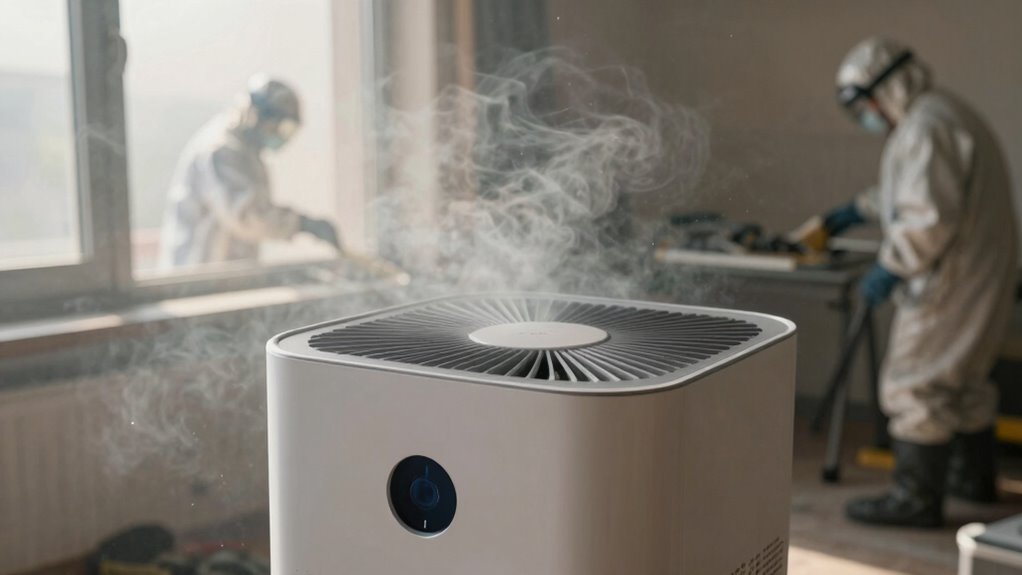
Have you noticed the lingering smell of smoke or experienced irritation after a wildfire? It’s a common experience, but it’s also a sign that the smoke has deeply infiltrated your home or property. Wildfire smoke isn’t just a surface issue—it causes significant fire damage to structures and belongings, and the particles can embed themselves into walls, furniture, and ventilation systems. Simply opening windows or using one air filtration device isn’t enough to fully eliminate the problem. Smoke particles are tiny and stubborn, and they require a thorough approach to cleanup.
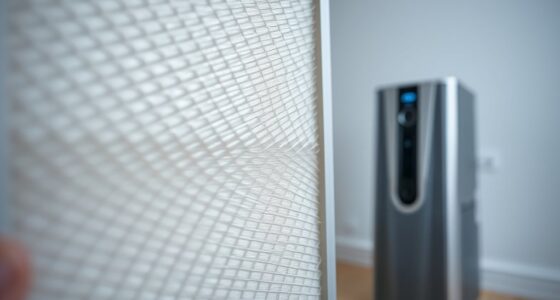
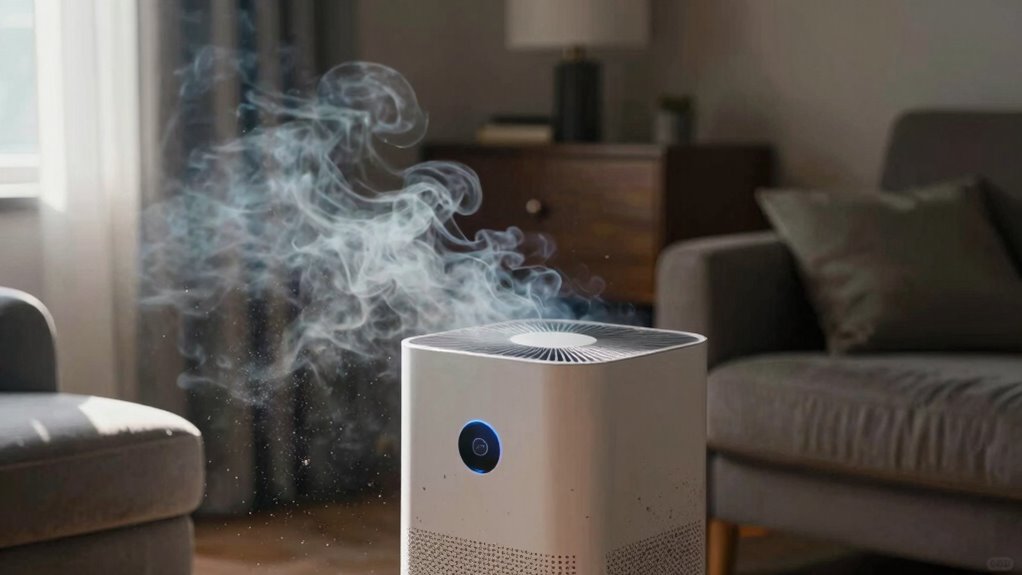
When tackling wildfire smoke, you need to understand that the damage isn’t solely visible. Smoke residue can settle into the tiniest cracks and crevices, creating ongoing health risks and lingering odors. Air filtration is essential, but relying on a single device often falls short because smoke particles vary in size and composition. High-efficiency particulate air (HEPA) filters can trap most of these particles, but they can’t do all the work alone. You’ll need multiple tools and techniques, including thorough cleaning, professional-grade air filtration systems, and sometimes even replacing HVAC filters to prevent re-circulation of contaminated air.
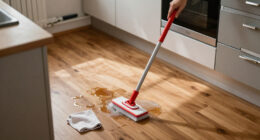
It’s tempting to think that turning on an air purifier will solve everything, but wildfire smoke cleanup requires a layered approach. First, you must remove visible soot and ash from surfaces. This means wiping down walls, ceilings, and furniture with specialized cleaning agents that can break down smoke residues. Next, you should consider air filtration systems that are designed specifically for wildfire smoke. These systems use multiple filters and can operate continuously to improve indoor air quality. However, it’s important to monitor their effectiveness and replace filters regularly, especially in heavily affected areas.
You also need to pay attention to your ventilation systems. Fire damage can compromise ductwork, spreading residual smoke particles throughout your home. Professional cleaning of your HVAC system might be necessary to prevent recontamination. Additionally, smoke particles can settle into fabric and porous materials, so cleaning or replacing curtains, upholstery, and carpets may be required. Sometimes, air quality testing can help determine the extent of contamination and guide your cleanup efforts more precisely. Implementing proper cleaning techniques and understanding the importance of wildfire smoke cleanup can help you develop a comprehensive plan to restore your home’s air quality effectively. Recognizing the importance of biodiversity in your surrounding environment can also encourage better practices for sustainable living and reduce long-term wildfire risks. Being aware of contamination spread can further enhance your cleanup strategy and prevent re-infiltration of harmful particles.
HEPA air purifier for wildfire smoke
As an affiliate, we earn on qualifying purchases.
As an affiliate, we earn on qualifying purchases.
Frequently Asked Questions
How Long Does Wildfire Smoke Typically Last Indoors?
Wildfire smoke can last indoors for days or even weeks, depending on ventilation and air quality. You need to focus on improving indoor air quality and smoke residue removal to make your space safer. Using multiple devices like HEPA filters, air purifiers, and ventilation systems helps speed up the process. Remember, thorough cleanup takes time, and one device alone might not fully eliminate all harmful particles or restore your indoor environment.
Can Regular Household Air Purifiers Fully Eliminate Wildfire Smoke?
Think of an air purifier as a brave knight, but even heroes have limits. Regular household air purifiers can’t fully eliminate wildfire smoke because smoke particle size varies, with some tiny enough to slip through filters. These devices struggle to capture the smallest particles, leaving lingering smoke and odors. For thorough cleanup, you need advanced systems designed to target those elusive, microscopic particles and improve indoor air quality effectively.
Are There Health Risks From Residual Smoke Particles After Cleanup?
Residual particles can remain even after cleanup, posing health risks from long-term exposure. You might think the air is safe, but tiny particles can linger in your home, affecting your respiratory health over time. It’s essential to use multiple methods and proper filtration to reduce these particles effectively. Ignoring residual smoke can lead to ongoing health issues, especially for sensitive groups like children and those with respiratory conditions.
What Are the Most Effective Methods to Prevent Wildfire Smoke Infiltration?
To prevent wildfire smoke infiltration, you should use airflow barriers and sealants effectively. Install airtight barriers around vents, windows, and doors to block smoke entry. Apply sealants to gaps and cracks in walls and around window frames. Keep HVAC filters upgraded and guarantee proper ventilation. Regularly inspect and maintain these barriers to guarantee they function correctly, creating a strong defense against smoke and protecting your indoor air quality.
How Often Should Wildfire Smoke Cleanup Be Performed?
Think of wildfire smoke cleanup as tending a garden—it needs regular care. You should perform cleanup whenever the air quality drops below standard levels or after heavy smoke exposure. This helps protect your respiratory health by maintaining clean indoor air. Routine checks and timely interventions guarantee your environment meets air quality standards, reducing health risks. Consistent maintenance keeps your space safe, resilient, and ready to breathe easy whenever wildfire smoke threatens.
Conclusion
You see, cleaning up wildfire smoke isn’t a one-and-done job. It takes a combination of devices and thorough effort to truly clear the air. You can’t just sweep it under the rug and hope it disappears—smoke particles cling tight like a stubborn stain. Patience and the right tools are key. Remember, Rome wasn’t built in a day, and neither will your home’s fresh, clean air be restored overnight.
Fall Picks
fall essentials
As an affiliate, we earn on qualifying purchases.