To make a simple DIY laminate floor cleaner with dish soap and water, fill a bucket with warm water and add about a teaspoon of dish soap. Mix gently to create a light, sudsy solution. Use a damp mop to clean your floors in smooth, overlapping strokes, making sure to wring out excess water to prevent damage. For tips on achieving the best results and avoiding common mistakes, keep exploring further.
Key Takeaways
- Mix 1 teaspoon of dish soap in a bucket of warm water for a gentle cleaning solution.
- Sweep or vacuum the floor thoroughly to remove loose dirt and debris before mopping.
- Dip a microfiber or soft cotton mop into the solution, then wring out excess water to prevent damage.
- Mop the floor with smooth, overlapping strokes, avoiding excessive pressure and soaking.
- Dry the floor with a clean microfiber cloth afterward to prevent streaks and water damage.
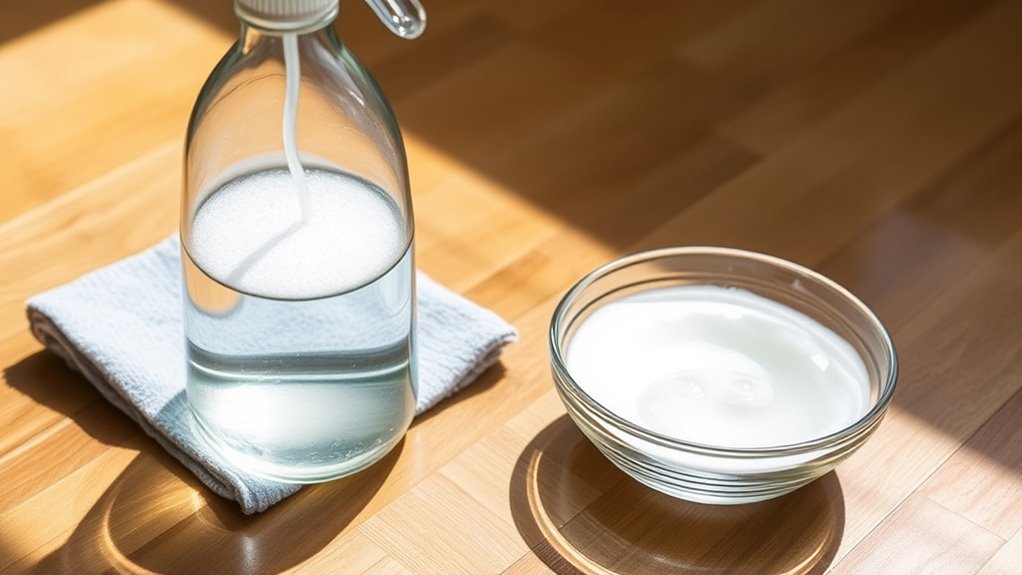
Cleaning your laminate floors doesn’t have to be complicated or expensive. With just a few household ingredients, you can create an effective DIY laminate floor cleaner using dish soap and water. The key to making this homemade solution work well is mastering proper mopping techniques and paying attention to cleaning safety. When you’re mindful of these aspects, you’ll keep your floors looking pristine without risking damage or creating unnecessary messes.
Start by filling a bucket with warm water. Add a small amount of dish soap—about a teaspoon should do. Too much soap can leave behind residues that make your floors look dull or sticky. Mix the solution gently to ensure the soap disperses evenly. Before you begin mopping, it’s important to remove loose dirt and debris. Sweep or vacuum the area thoroughly, paying special attention to corners and edges where dirt tends to accumulate. This step prevents scratching and ensures your mopping is effective.
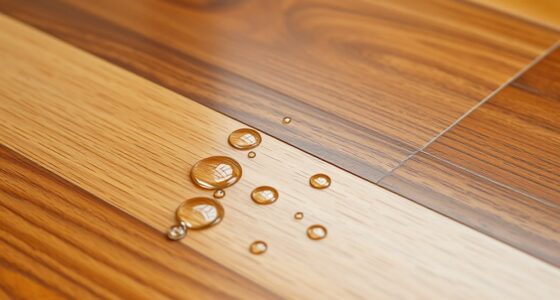
When it’s time to mop, dip your microfiber or soft cotton mop into the soapy water, then wring it out thoroughly. Excess water is one of the biggest enemies of laminate flooring, so always ensure the mop is damp, not soaking wet. Using a damp mop helps avoid excess moisture that could seep into seams or cause warping. Focus on mopping in smooth, overlapping strokes and avoid applying too much pressure. This technique, known as proper mopping technique, helps lift dirt without scratching the surface. Also, be cautious to keep water away from edges and seams where it could penetrate and cause damage.
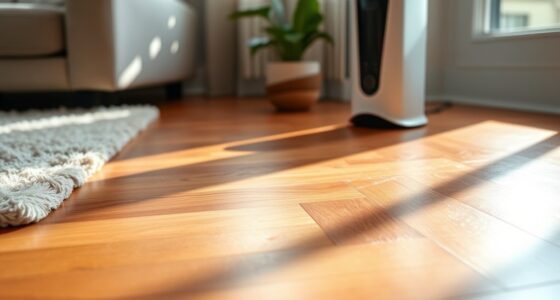
While cleaning, prioritize cleaning safety. Never use harsh chemicals, abrasive scrubbers, or steam cleaners on laminate floors, as they can damage the finish. Also, keep your cleaning area well-ventilated to prevent buildup of any fumes from cleaning products, even mild ones like dish soap. Rinse your mop frequently in clean water to prevent spreading dirt around, and switch to a clean, damp cloth for stubborn spots instead of applying excessive force. Once you’ve mopped the entire floor, go over it with a dry microfiber cloth or a clean, dry mop to remove any residual moisture. This step prevents streaks and helps your laminate floors dry quickly, reducing the risk of water damage.
Top picks for "laminate floor cleaner"
Open Amazon search results for this keyword.
As an affiliate, we earn on qualifying purchases.
Frequently Asked Questions
Can I Use Vinegar in My Laminate Floor Cleaner?
You can use vinegar in your laminate floor cleaner, but you should be cautious because vinegar’s acidity can cause concerns like damage or dullness over time. Instead, consider alternative natural cleaners like a mix of water and a few drops of dish soap or specialized laminate floor cleaners. These options are gentle, effective, and won’t harm your flooring, giving you a safe and eco-friendly cleaning solution.
How Often Should I Clean My Laminate Floors?
You should clean your laminate floors at least once a week to maintain their appearance and durability. Incorporate a regular cleaning frequency into your maintenance routine, using gentle solutions like dish soap and water to avoid damage. If your floors see heavy traffic or spills, increase cleaning frequency. Routine cleaning helps prevent dirt buildup and keeps your floors looking fresh, ensuring they stay in great condition for years.
Is It Safe to Use a Mop With a Sponge?
Yes, using a mop with a sponge is safe for your laminate floors if you choose the right mop material. Opt for a soft, non-abrasive sponge to avoid scratches. Regular cleaning frequency depends on foot traffic, but generally, mopping once a week with a DIY cleaner like dish soap and water works well. Always confirm your sponge is damp, not soaked, to prevent water damage.
Will This Cleaner Damage My Laminate Flooring?
You won’t damage your laminate flooring if you follow proper cleaning methods. For example, a homeowner used a gentle dish soap and water solution, ensuring no excess residue remains, and saw no damage over months. Always check your floor’s finish compatibility, and avoid using too much water to prevent residue buildup. This approach keeps your floors looking fresh without risking warping or dullness caused by harsh cleaners or excess moisture.
Can I Add Essential Oils for Fragrance?
Yes, you can add essential oils for fragrance to your laminate floor cleaner. Choose fragrance options like lavender, lemon, or eucalyptus for a fresh scent. Use just a few drops of essential oil types to avoid residue buildup or slipping hazards. Add them directly to your water and dish soap mixture, then mix well before cleaning. This way, you enjoy a pleasant smell without compromising your laminate’s safety or appearance.
Conclusion
So, there you have it—an ultra-simple, budget-friendly way to clean your laminate floors using just dish soap and water. Who would’ve thought that something so basic could outshine those expensive store-bought cleaners? The irony? You’re now a cleaning pro with just a few cents and a little elbow grease. So go ahead, embrace your newfound DIY skills—your floors will thank you, and your wallet definitely will, too.