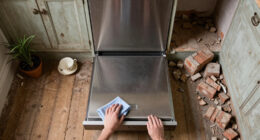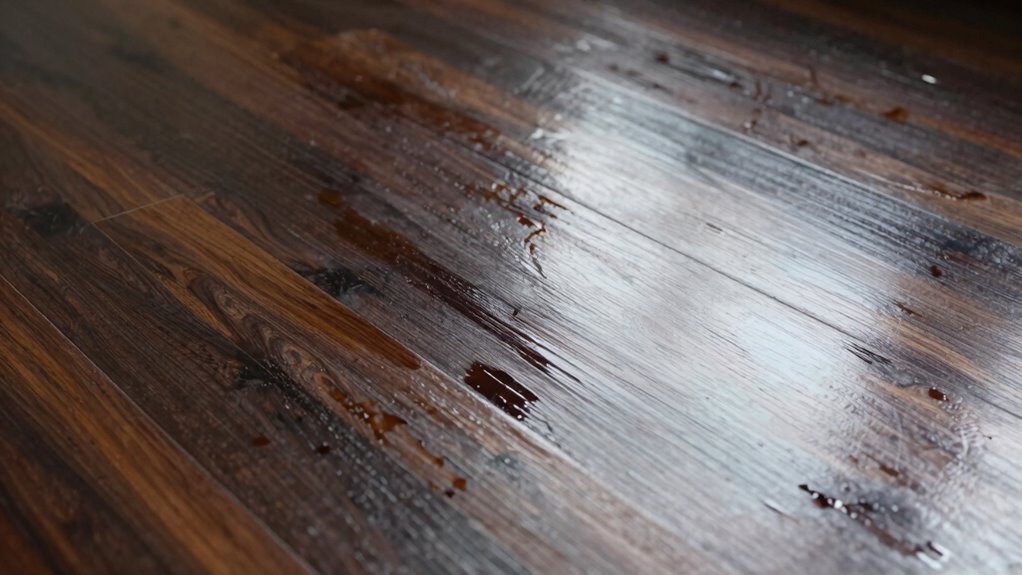

If your hard floors look streaky after mopping, it’s often because you used the wrong cleaning solutions or didn’t dilute them properly, leaving residue that causes streaks. Over-wetting the mop or using a dirty one can spread dirt and water unevenly. Inadequate drying or walking on the floor too soon can also create streaks or water spots. Using the right tools and techniques makes a big difference—discover more ways to achieve a streak-free shine by exploring further.
Play games included with Prime
Start a Prime free trial and play with Amazon Luna on your devices.
As an affiliate, we earn on qualifying purchases.
Key Takeaways
- Using incorrect cleaning solutions or improper dilution leaves residues that cause streaks.
- Excessive water or overly wet mops prevent proper drying, leading to streak formation.
- Inadequate drying techniques leave moisture that dries unevenly, creating streaks.
- Using dirty or unsuitable tools can spread dirt and residues, resulting in streaky floors.
- Walking on floors before they are fully dry causes water spots and streaks.
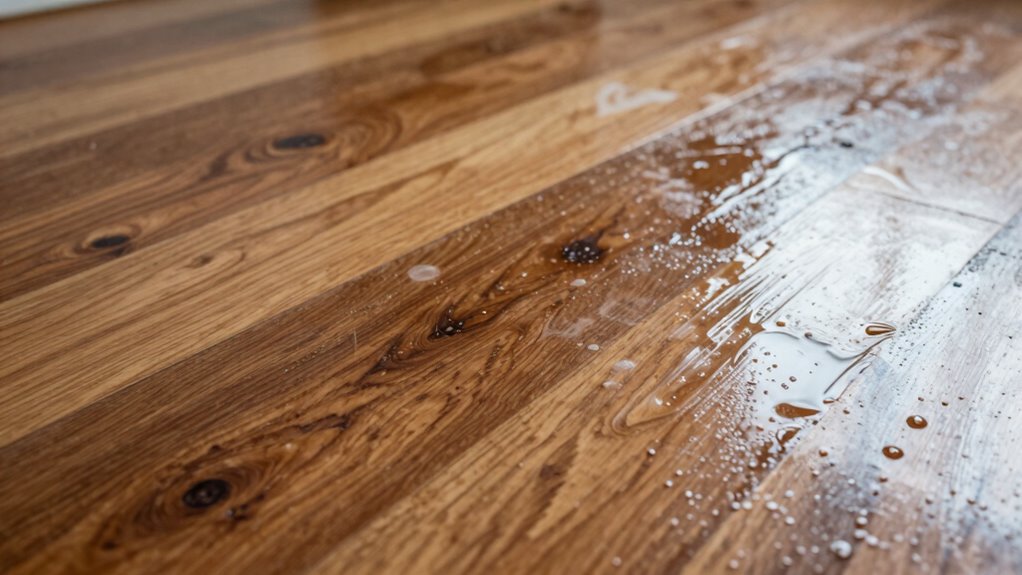
After mopping, you might notice streaks lingering on your hard floors, making them look dull and unclean. This common problem can often be traced back to a few simple issues, starting with the cleaning solution you’re using. If you’re not selecting the right cleaning solution for your floor type, it can leave behind residues that cause streaks. For example, using too much soap or a product not designed for your floor can create a film that doesn’t evaporate completely. As a result, when you mop and dry the surface, streaks appear where the cleaner has dried unevenly. To avoid this, always choose a cleaning solution formulated specifically for your floor type—whether it’s tile, hardwood, laminate, or vinyl—and follow the manufacturer’s instructions carefully. Diluting the solution properly is equally important; using it too concentrated can leave residue, while too little may not clean effectively, both leading to streaks.
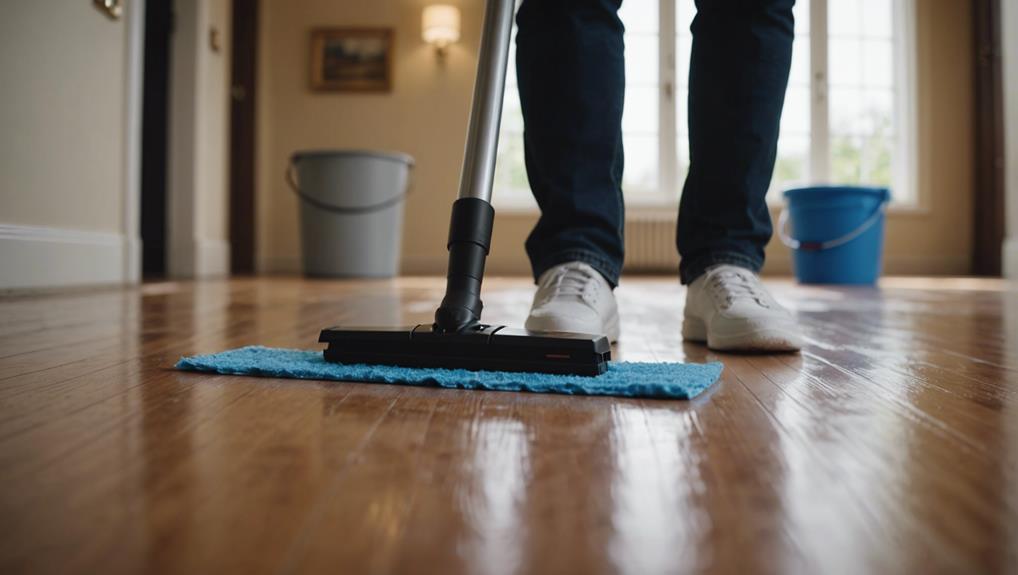
The way you mop also impacts the final look. If you use a mop that’s overly wet, especially on hardwood or laminate floors, excess water can seep into seams and cause streaks or water spots as it evaporates. Conversely, if your mop is too dry, you might not pick up enough dirt or residue, leaving streaks behind. Make sure your mop is damp but not dripping, and consider switching to a microfiber mop, which is better at trapping dirt and applying less water. Moving in consistent, overlapping strokes helps prevent missed spots and uneven drying, which can make streaks more noticeable. Additionally, mopping technique can influence how streaks appear, so practicing even, steady motions can make a difference. Remember, proper drying is essential to achieve a streak-free finish. Using the right drying method, such as a microfiber cloth or a clean, dry mop, can further ensure your floors dry evenly and streak-free. Also, choosing the right cleaning tools can help minimize residue and streaking during the process.
Another key factor is your drying process. If you don’t dry the floor thoroughly or if you walk on it before it’s completely dry, streaks can form. Using a dry microfiber cloth or a clean, dry mop to go over the surface after cleaning can help eliminate any streaks caused by lingering moisture. Also, avoid air drying in direct sunlight, as this can cause uneven evaporation and streaking. Properly drying your floors can also help prevent water spots from forming, which are common in poorly dried surfaces. Additionally, keeping your floors in good condition and promptly addressing scratches or uneven surfaces can make the mopping process more effective and reduce the appearance of streaks.
microfiber mop for hardwood floors
As an affiliate, we earn on qualifying purchases.
As an affiliate, we earn on qualifying purchases.
Frequently Asked Questions
Can Hard Water Cause Streaks on My Floors?
Yes, hard water can cause streaks on your floors. Its high mineral content, like calcium and magnesium, leads to mineral buildup on surfaces. Water hardness makes it difficult to rinse away dirt and residue completely, leaving streaks behind. To prevent this, consider using softened water or adding a water softener to reduce mineral deposits. Regularly cleaning your floors with the right solutions also helps keep streaks at bay.
Does the Type of Cleaning Solution Affect Streak Formation?
Yes, the type of cleaning solution impacts streak formation. For example, if you use a harsh chemical on a delicate hardwood floor, it can leave residue and streaks. Your cleaning frequency and floor material play roles too—over-mopping or using the wrong solution on sensitive surfaces increases streaks. Always choose a gentle, appropriate cleaner and follow recommended cleaning intervals to keep your floors streak-free and well-maintained.
How Does Humidity Impact Streaky Floors After Mopping?
High humidity effects can cause your floors to look streaky after mopping because excess moisture leads to faster evaporation, leaving behind streaks. Humidity increases moisture retention on the surface, preventing the floor from drying evenly. To counter this, make certain there is good ventilation, use a damp mop rather than soaking the floor, and dry the surface thoroughly. Managing humidity levels helps your floors dry evenly, reducing streaks and maintaining a clean, shiny appearance.
Are Certain Mop Types More Prone to Leaving Streaks?
Yes, certain mop types are more prone to leaving streaks, especially depending on their material and your floor type. For example, sponge mops can trap dirt and leave streaks on glossy tiles, while microfiber mops usually clean more evenly on hardwood or laminate floors. You should choose a mop material suited for your floor type for a streak-free shine. Always make sure your mop is clean and well-maintained for the best results.
Can Over-Mopping Lead to More Visible Streaks?
Yes, over-mopping can lead to more visible streaks. When you use improper mopping techniques or skip proper floor surface preparation, excess water and cleaning solution can leave streaks behind. To avoid this, use a damp mop, change the water frequently, and guarantee the floor is properly prepared before mopping. This helps prevent residues that cause streaking and keeps your hard floors looking clean and shiny.
Conclusion
If your hard floors are constantly left looking streaky after mopping, don’t give up hope. By understanding the common causes—like using too much cleaner or not rinsing properly—you can restore that stunning, crystal-clear shine you crave. With a little attention and the right technique, your floors will gleam brighter than a diamond in the sun. Say goodbye to dull, streaky surfaces and hello to floors so spotless, they’ll make your heart skip a beat!
Fall yard work Picks
leaf blowers
As an affiliate, we earn on qualifying purchases.