TL;DR

Get cleaning gear delivered free with Prime
- Fast, free delivery on millions of items
- Prime Video, Amazon Music and more included
- Member-only deals all year
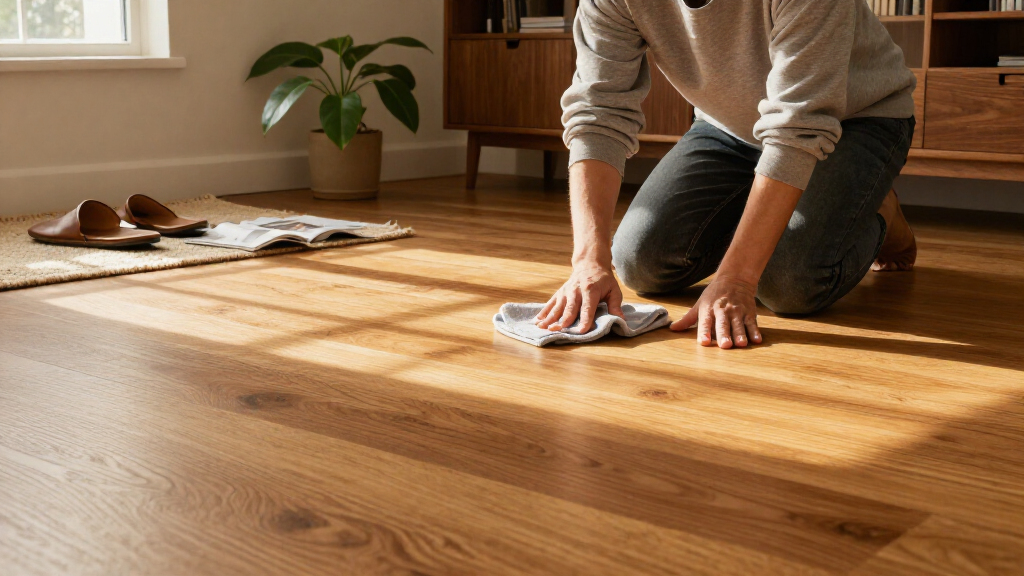
Anderson Tuftex’s 2027 Floor Forecast, based on a survey conducted with The Harris Poll, found that nearly 40% of respondents shopping for flooring said they were choosing warm, natural honey wood tones for hardwood. The company also cited sales data, but the published material does not provide detailed sales figures or enough information to establish that the survey represents all U.S. homeowners.
Nearly 40% of homeowners surveyed while shopping for flooring said they were choosing warm, natural honey wood tones for hardwood, according to Anderson Tuftex’s first 2027 Floor Forecast, produced in partnership with The Harris Poll. The finding points to a preference for warmer floors among the people surveyed, though the available report does not establish that the result represents all American homeowners.
The forecast included responses from more than 250 working interior designers and more than 500 homeowners actively shopping for new flooring, Apartment Therapy reported. Anderson Tuftex also used what the article describes as real sales data to support its findings. The source material does not give the survey field dates, detailed methodology, or the sales figures themselves.
Within the surveyed group, nearly 40% said they were actively choosing warm, natural honey tones when buying hardwood for new or renovated homes. By comparison, 13% said they were investing in medium or “chocolate” brown woods. The article reports still lower interest in smoky mid-tones, cool grays, and ashy colors, but does not provide percentages for those categories.
Anderson Tuftex identified white oak, pecan and ash as popular wood types among designers and homeowners. The article also names the manufacturer’s “Flaxen,” “Barley” and “Fawn” finishes as examples of the look. These are product and color references from the company’s forecast, not evidence that one particular wood species or finish leads the entire flooring market.
Warm Floors Gain Survey Attention
Flooring can shape the color and material choices made elsewhere in a room, so a reported preference for honey tones may matter to homeowners planning a renovation or new build. The survey offers a snapshot of what people actively shopping for floors say they want, rather than only a forecast from designers or a list of products a manufacturer sells.
The figures may also help readers distinguish a current preference from a settled design rule. Nearly 40% is a substantial share of this survey group, but it is not a majority, and the report does not provide enough methodological detail to treat it as a national measure. The results offer a signal for shoppers to weigh alongside their home’s lighting, existing finishes, budget, and personal taste.
For the flooring industry, the finding gives Anderson Tuftex a way to describe demand for warmer wood colors as part of its 2027 outlook. Because the company manufactures flooring, readers should treat the forecast as an industry source’s research, not as independent proof that dark or cool-toned floors are falling out of favor everywhere.
Products Worth Considering

Hisense 40-Inch Class QD4SR Series Hi-QLED FHD Smart Roku TV (2026 Model)

Levoit Core 600S-P Smart Air Purifier for Large Rooms

Hisense 43-Inch E6 Cinema Series Hi-QLED 4K UHD Smart Fire TV (43E6QF)
As an affiliate, we earn on qualifying purchases.
How the Forecast Was Compiled
Apartment Therapy’s report says its writer reviewed early findings after visiting Anderson Tuftex’s headquarters in Dalton, Georgia. The forecast was described as the manufacturer’s first flooring forecast and was developed with The Harris Poll. The reported sample included designers and homeowners who were already in the market for new flooring, making the results relevant to active buyers but distinct from a survey of homeowners generally.
The article places the reported interest in honey-colored floors alongside a recent return of honey oak kitchen cabinetry. That is a design comparison offered by the article, not a finding shown to have caused the flooring preference. The forecast’s reported data indicate what respondents preferred; they do not explain why they chose those colors or establish how preferences have changed over time.
The source also says Anderson Tuftex used sales data, but it does not describe which products or periods those records cover. Without that information, the survey responses and sales evidence cannot be independently compared from the published details alone.
“Nearly 40% of those surveyed indicated that they are actively choosing warm, natural honey wood tones when buying hardwood flooring for new and renovated homes.”
— Anderson Tuftex’s 2027 Floor Forecast, as summarized by Apartment Therapy
Survey Scope and Sales Details
The published account does not specify when the survey was conducted, how respondents were recruited, how answers were weighted, or the exact questions asked. It also does not give a margin of error or explain whether the results can be generalized beyond the participating designers and active flooring shoppers. The reported percentages are therefore best understood as findings from this particular survey group.
Details of the sales data are also missing: the report does not state which products, retailers, or time periods were included, or how those records support the survey results. The article gives no percentages for the darker and cooler categories beyond the 13% figure for medium and chocolate browns. It remains unclear whether the reported preference reflects a lasting market shift, a short-term buying pattern, or the makeup of the respondents.
More Data Needed to Track Demand
The forecast is presented as a 2027 outlook, but the source material does not give a publication schedule for additional findings or a date for a follow-up survey. Future surveys with disclosed methods and repeated measurements could show whether interest in honey tones continues, while detailed sales data could test whether stated preferences translate into purchases.
For now, homeowners can use the survey as one reference point rather than a directive. Anyone choosing flooring should compare samples in the room and under its usual lighting, and consider how the finish works with existing cabinetry, furniture, and other fixed surfaces. The forecast does not establish that warm wood is suitable for every space or that darker floors are no longer desirable.
Key Questions
What did the flooring survey find?
According to Anderson Tuftex’s forecast, nearly 40% of surveyed homeowners actively shopping for flooring said they were choosing warm, natural honey tones for hardwood. The result describes that survey group, not all U.S. homeowners.
How many people took part?
Apartment Therapy reports that the research included more than 250 working interior designers and more than 500 homeowners shopping for new flooring. The published account does not provide the full methodology or field dates.
Which woods and finishes were named?
The forecast named white oak, pecan and ash as popular wood types. The article also cited Anderson Tuftex finishes called “Flaxen,” “Barley” and “Fawn” as examples of honey-toned colors.
Does this mean dark wood floors are out of style?
No. The survey reports preferences among its respondents; it does not show that dark floors have disappeared from the market or that they are no longer a good choice. The source gives a 13% figure for medium and chocolate-brown woods but does not provide complete market-wide sales comparisons.
Can the findings be applied to every homeowner?
Not on the information published. The survey focused partly on homeowners actively shopping for flooring, and the available account does not explain recruitment, weighting, or representativeness. It is a useful snapshot of those respondents’ stated preferences, not a definitive national estimate.
Source: apartmenttherapy.com