TL;DR
Livingetc’s shopping report presents 36 tableware and glassware finds and argues that attractive pieces need not be reserved for guests or special occasions. The article connects the idea to interest in patterned plates and handmade objects, but does not provide product prices, care details or evidence of a broader consumer trend.
Livingetc has published a shopping report featuring 36 tableware and glassware finds, alongside an argument for using attractive plates, glasses and serving pieces in everyday meals rather than keeping them for guests. The piece frames the selection as a way to add personality to routine dining, though the supplied report does not identify the products individually or give their prices.

Get cleaning gear delivered free with Prime
- Fast, free delivery on millions of items
- Prime Video, Amazon Music and more included
- Member-only deals all year
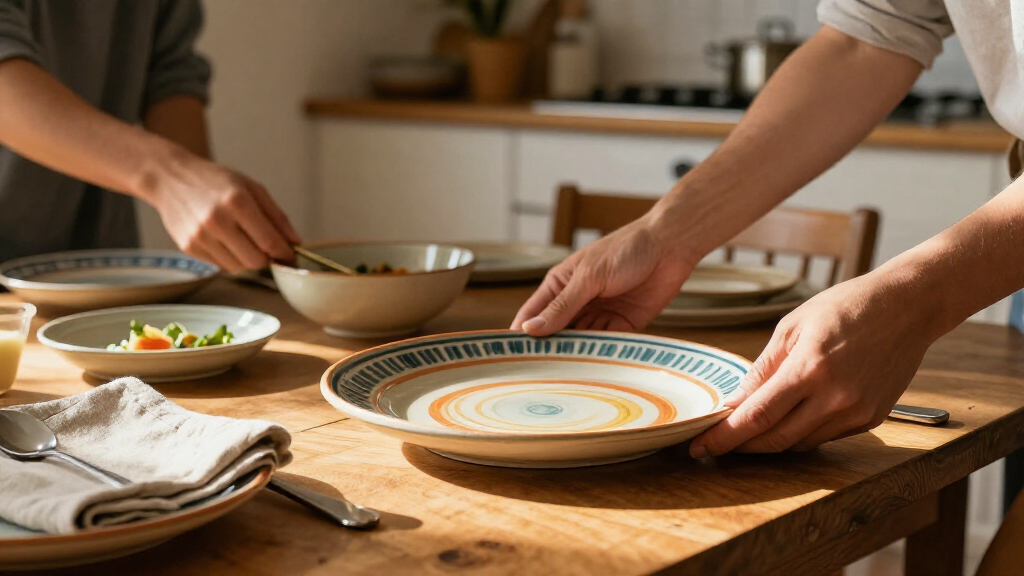
The report questions the practice of storing fine tableware for special occasions. It describes a familiar pattern in which platters and sparkling glasses remain behind cupboard doors until guests arrive, then suggests that owners can enjoy those objects more often by bringing them into ordinary routines.
Its examples include a handmade plate, an intricately crafted glass and a serving bowl with a story. The writer characterizes these pieces as both functional and decorative, and says patterned plates can add another visual dimension to a dining table. These are the article’s editorial observations, not findings from consumer research.
The feature also connects tableware with gift giving, describing a carefully chosen piece as a possible present for someone who hosts or appreciates home design. It mentions Livingetc’s Find: Gift Edit service, which the publication says can help readers find a personal gift. The supplied material does not state whether the service is paid or explain its recommendations.
Making Everyday Meals Feel Considered
The report’s central point is less about buying a complete new set than reconsidering how existing possessions are used. A favorite plate or glass can be part of an ordinary meal, rather than an item brought out only for company. That framing may appeal to readers who want their dining spaces to feel more personal without treating every meal as a formal occasion.
There is also a practical distinction the article does not resolve: readers need to check whether a particular piece is suitable for frequent use. Materials, washing instructions, durability and replacement costs can vary, and the supplied source gives no product-level specifications. The report makes a case for enjoyment, but it does not establish that every decorative item is designed for daily handling.
Products Worth Considering

Dyson Cyclone V10 Origin Cordless Vacuum

Ring Alarm 14-Piece Kit

Roborock Qrevo 2 Pro Robot Vacuum and Mop with 20,000 Pa Suction
As an affiliate, we earn on qualifying purchases.
From Cupboard Display to Daily Dining
The article places its recommendations within a longstanding custom of reserving special china and glassware for celebrations or visitors. It acknowledges that some households and cultures follow this practice, while questioning whether it means owners miss chances to enjoy objects they value.
Livingetc points to interest in patterned plates as part of the current design conversation. The source does not provide sales figures, survey data or a timeline for that interest, so it should be understood as the publication’s description of a trend rather than a quantified market shift. The 36-item framing presents the piece as a shopping guide, but the source text supplied here does not include a list of the individual finds.
““Why do we not enjoy them as much in our everyday lives?””
— Livingetc report author
Product Details Are Not Supplied
The source material does not identify the 36 products, their prices, availability, materials, care requirements or retailers. It also gives no publication date, so the items’ current stock status cannot be assessed from the supplied information.
The report’s descriptions of patterned tableware and a growing interest in special pieces are editorial characterizations. No supporting survey, sales data or independent evidence is included. Readers would need the original shopping page and individual product listings to verify specifications, costs and whether each piece is appropriate for everyday use.
Check Listings Before Buying
The next step for readers interested in the selection is to consult Livingetc’s original shopping page for the individual items and then confirm details with retailers. Before purchasing, check dimensions, material, care instructions, price and availability; for pieces already at home, follow the maker’s guidance on washing and handling.
The supplied report does not announce a follow-up, a sales event or a deadline. Its practical recommendation is simply to use treasured tableware more often when it is suitable for the task, rather than automatically reserving it for a future celebration.
Key Questions
What is the news in Livingetc’s report?
Livingetc published a shopping feature presenting 36 tableware and glassware finds and arguing that attractive pieces can be used for ordinary meals, not only special occasions.
Does the supplied source list all 36 products?
No. The source text describes the feature and its theme but does not provide the individual product names, prices or retailer links.
Does Livingetc provide evidence that patterned plates are growing in popularity?
The report describes a growing love for patterned plates, but the supplied material includes no survey or sales figures to quantify that claim.
Are the featured pieces all suitable for everyday use?
The source does not give product-specific materials or care instructions. Check each item’s manufacturer guidance and durability details before using it regularly.
Source: livingetc.com