Switching to low-fragrance cleaning products helps reduce airborne allergens, chemical sensitivities, and irritants, making your home safer for allergy sufferers. These cleaners avoid masking scents and harsh chemicals, supporting better indoor air quality. Look for labels that clearly state “fragrance-free” or “unscented,” and opt for natural ingredients. Shift gradually and avoid common mistakes to successfully create a healthier, more allergy-friendly space. Curious how this simple change can improve your home environment? Keep exploring to find out more.
Key Takeaways
- Switching to low-fragrance and fragrance-free cleaners reduces airborne irritants and allergen buildup indoors.
- Clear labeling and ingredient transparency help identify safe, hypoallergenic cleaning products for allergy-prone homes.
- Gradually replacing traditional products with natural, scent-free options improves indoor air quality and minimizes allergy triggers.
- Regular cleaning of surfaces and textiles with allergy-friendly products decreases dust, mold spores, and pet dander.
- Enhancing ventilation and using natural scents support a healthier, allergen-reduced environment in the home.

Clorox Free & Clear Multi Surface Cleaner, Spray Bottle, Fragrance Free, 32 Fluid Ounces, Pack of 3
REMOVES TOUGH MESSES: Clorox Free & Clear Multi Surface Cleaner cuts through grease, grime, dirt and soils to…
As an affiliate, we earn on qualifying purchases.
As an affiliate, we earn on qualifying purchases.
Why Traditional Cleaning Products Can Trigger Allergies

Traditional cleaning products often contain strong fragrances, dyes, and chemical ingredients that can easily trigger allergies. These fragrances are often used for fragrance masking, which covers up the chemical smell but doesn’t eliminate it. If you have chemical sensitivities, these additives can cause sneezing, skin irritation, or even asthma attacks. The harsh chemicals in conventional cleaners can irritate your respiratory system and exacerbate allergy symptoms. Dyes and artificial fragrances don’t just mask odors—they also introduce potential allergens into your environment. This combination makes traditional cleaning products risky for allergy sufferers. Switching to low-fragrance options can substantially reduce your exposure to irritants, helping you breathe easier and creating a safer, more comfortable home environment. Air quality improvements from using fragrance-free cleaners can significantly benefit allergy and asthma sufferers. Additionally, choosing products with minimal chemical content can further reduce the risk of adverse reactions and promote healthier indoor air, especially when combined with natural cleaning methods. Regularly selecting hypoallergenic cleaning supplies can enhance these benefits and support long-term respiratory health. Incorporating air purifier maintenance can further improve indoor air quality and reduce airborne allergens.

Seventh Generation All Purpose Cleaning Spray Surface Cleaner Lemon Chamomile scent Cuts Grease 23 oz, Pack of 4
Seventh Generation All Purpose Cleaning Spray for cutting grease, grime and dirt everywhere in your home and beyond
As an affiliate, we earn on qualifying purchases.
As an affiliate, we earn on qualifying purchases.
How Low-Fragrance Cleaners Help Reduce Allergic Reactions
Low-fragrance cleaners help reduce allergic reactions by minimizing exposure to irritating chemicals and synthetic fragrances that commonly trigger symptoms. If you have fragrance sensitivity, choosing products with clear, honest product labeling is essential. These labels inform you about potential allergens and help you avoid hidden fragrances that can cause reactions. Label reading is a crucial step in selecting safe cleaning products, as it allows you to identify and steer clear of ingredients that may provoke allergies. Low-fragrance cleaners typically contain fewer synthetic scents, decreasing the likelihood of irritation and allergic responses. By opting for such products, you create a safer environment that limits airborne allergens and reduces symptoms like sneezing, congestion, or skin irritation. Using water-resistant cleaning products can further protect against moisture that might promote mold growth, which can exacerbate allergy symptoms. Additionally, choosing products with hypoallergenic formulations can help reduce skin irritation and allergic reactions even further. Implementing these practices aligns with allergy management strategies that aim to improve overall indoor air quality. This proactive approach allows you to better manage allergy symptoms while maintaining cleanliness. Ultimately, understanding product labeling and selecting low-fragrance options can notably improve your comfort at home.
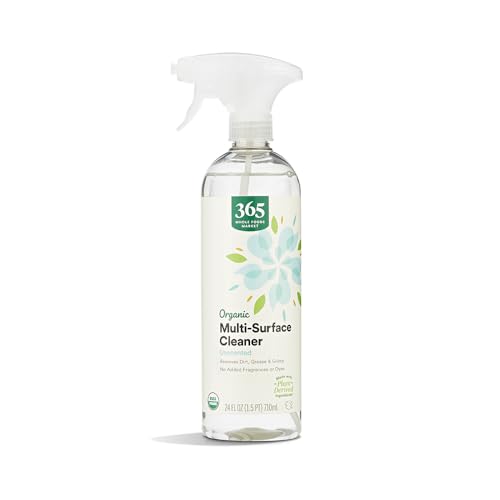
365 by Whole Foods Market, Organic Multi-Surface Cleaner, Unscented, 24 Fl Oz
USDA Organic multi-surface cleaner in 24 fl oz spray bottle
As an affiliate, we earn on qualifying purchases.
As an affiliate, we earn on qualifying purchases.
What to Look for When Choosing Allergy-Friendly, Low-Fragrance Cleaners
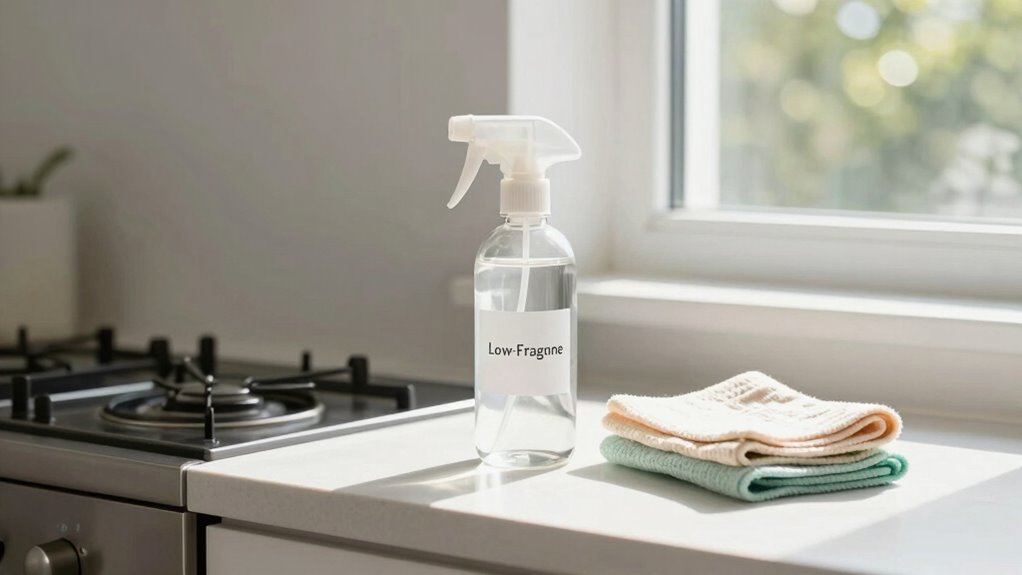
When selecting allergy-friendly, low-fragrance cleaners, you should pay attention to ingredient transparency so you know exactly what’s in the product. Look for clear fragrance-free labels to avoid confusion and guarantee it won’t trigger symptoms. Additionally, check for any potential allergens to keep your home truly safe and comfortable. Being aware of product safety and efficacy can help you make more informed choices. Moreover, choosing European cloud innovation principles can encourage brands committed to sustainable and well-regulated manufacturing practices. Considering the use of aroma oil diffusers in your cleaning routine can also promote a healthier indoor environment by dispersing soothing essential oils that support respiratory health and relaxation. Incorporating water-based solutions, such as hydrotherapy techniques, can further enhance your home’s health benefits and create a calming atmosphere.
Ingredient Transparency Matters
Choosing allergy-friendly, low-fragrance cleaners is easier when you know exactly what’s inside them. Clear ingredient labeling helps you avoid hidden irritants and artificial fragrances that can trigger allergies. Look for products that list natural fragrances or essential oils instead of vague terms like “fragrance” or “parfum.” Pay attention to ingredient transparency to ensure no unnecessary chemicals sneak in.
Consider these points:
- Read labels carefully—ingredients should be specific, not generic.
- Prefer products with natural fragrances derived from botanical sources.
- Avoid cleaners with unlisted or ambiguous ingredients.
- Choose brands committed to transparency and allergen safety.
Fragrance-Free Labels Clarify
How can you quickly identify allergy-friendly cleaners? Look for clear fragrance labeling on product labels. Manufacturers who prioritize low-fragrance or fragrance-free options often specify this clearly to help consumers make informed choices. Be cautious of products with vague terms like “fresh scent” or “light aroma,” as these may contain scent additives that trigger allergies. Instead, choose cleaners explicitly labeled as “fragrance-free” or “unscented,” which typically don’t include added scent additives. Checking labels carefully helps you avoid products with hidden fragrances that can cause sensitivities. Clear fragrance labeling makes it easier to select allergy-friendly cleaning supplies, ensuring your home stays low-fragrance and safe for allergy sufferers. Remember, transparency in labeling is your best tool for avoiding unwanted scents.
Check for Allergens
To guarantee a cleaner that won’t trigger allergies, it’s important to look beyond fragrance labels and check for specific allergens. Some cleaning products may contain ingredients that stir up airborne allergens or pet dander, aggravating symptoms. Be vigilant for labels that specify hypoallergenic formulas or free-from common irritants. Consider these key points:
- Avoid products containing fragrances or dyes linked to allergy flare-ups
- Look for certifications indicating allergy-friendly or low-allergen ingredients
- Check ingredient lists for known airborne allergens like formaldehyde or phthalates
- Opt for products designed to reduce pet dander and dust mite allergens
- Remember that safe storage of cleaning supplies prevents accidental exposure and contamination
- Additionally, choosing products with hypoallergenic formulations can further minimize allergen exposure and promote a healthier home environment. Being aware of airborne allergen sources in your cleaning routine can help you select the most effective products for allergy sufferers. Regularly cleaning and dusting surfaces can also significantly reduce allergen buildup in your home.
Being proactive ensures your cleaning routine minimizes exposure to triggers and helps maintain a healthier, allergy-friendly environment.

LEVOIT Air Purifier for Home Allergens Pet Hair in Bedroom, Covers Up to 1073 ft² by 56W High Torque Motor, AHAM VERIFIDE, 3-in-1 Filter with HEPA Sleep Mode, Remove Dust Smoke Odor, Core300-P, White
WHY CHOOSE AHAM VERIFIDE AIR PURIFIERS: AHAM (Association of Home Appliance Manufacturers) is an ANSI-accredited organization that sets…
As an affiliate, we earn on qualifying purchases.
As an affiliate, we earn on qualifying purchases.
Best Low-Fragrance Cleaners for Different Rooms in Your Home
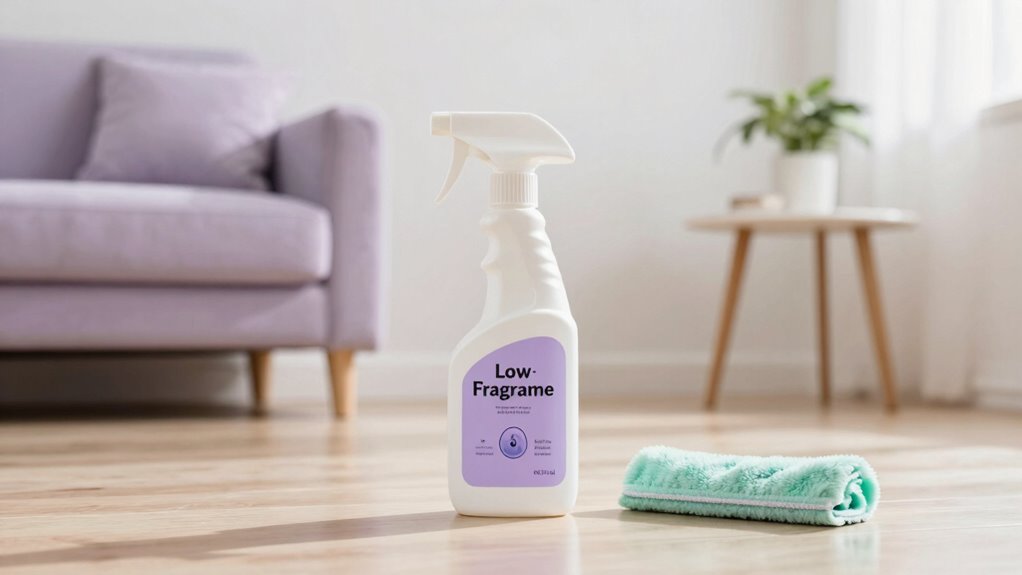
Choosing the right low-fragrance cleaners for each room can make a big difference in allergy safety. You’ll want gentle, effective options for kitchen surfaces, bathroom disinfectants that won’t irritate, and subtle sprays for the living room. Let’s explore the best low-fragrance products for each space to keep your home both clean and allergy-friendly. Incorporating traditional healing practices and natural remedies can further enhance a holistic approach to maintaining a safe, healthy environment. Selecting products with hypoallergenic formulations can help minimize allergic reactions and create a more comfortable living space. Additionally, understanding market trends can guide you toward newer, more sustainable, and safer cleaning options. Staying informed about natural ingredients can also help you choose products that align with your allergy-conscious lifestyle. Being aware of digital safety tips can further protect your health while researching these products online.
Kitchen Surface Cleaners
When selecting low-fragrance kitchen surface cleaners, it is essential to prioritize products that effectively remove grease and grime without overwhelming your senses. Look for options with eco-friendly packaging to reduce environmental impact and natural scent options that keep your kitchen smelling fresh without synthetic fragrances. These cleaners are designed to be gentle yet powerful, making them ideal for allergy-sensitive homes. Additionally, understanding the water chemistry involved in cleaning can help optimize effectiveness and safety. For example, the horsepower of electric dirt bikes can influence cleaning equipment performance, highlighting the importance of choosing the right tools for thorough cleaning. Consider these factors: – Ingredients that target grease without harsh chemicals – Packaging made from recycled or sustainable materials – Mild, natural scents like citrus or herbal extracts – Versatility for different surfaces, from countertops to appliances. Incorporating connected cleaning technology can also enhance your cleaning routine by providing real-time data on surface conditions and ensuring thorough sanitation. Choosing the right low-fragrance cleaner guarantees your kitchen stays spotless, safe, and inviting, without compromising your health or the environment.
Bathroom Disinfectants
Since bathrooms are high-traffic areas prone to germs, selecting low-fragrance disinfectants is essential for maintaining a healthy environment without exposing yourself to strong chemical scents. Look for options that prioritize eco-friendly packaging and sustainability practices, reducing environmental impact. These cleaners effectively eliminate bacteria while minimizing chemical odor, making them ideal for allergy-sensitive homes. When choosing disinfectants, consider products with plant-based ingredients and biodegradable packaging. To help you compare, here’s a quick overview:
| Product Name | Key Features | Sustainability Focus |
|---|---|---|
| EcoClean Bathroom Spray | Fragrance-free, biodegradable | Eco friendly packaging |
| PureNature Disinfectant | Plant-based, no synthetic scents | Recyclable containers |
| GreenGuard Disinfectant | Concentrated, sustainable sourcing | Recyclable and refillable bottles |
Living Room Sprays
Living room sprays with low or no fragrance are perfect for maintaining a fresh, clean space without overwhelming your senses or aggravating allergies. They help improve air quality while providing a subtle scent masking effect, preventing strong odors from lingering. Choosing the right low-fragrance spray guarantees your living area remains inviting without compromising health. Look for products that:
- Minimize airborne irritants
- Use natural, non-toxic ingredients
- Offer gentle scent masking rather than overpowering fragrances
- Promote better air quality for sensitive noses
These sprays support a calm, allergen-free environment by reducing scent overload and enhancing your home’s overall air quality. They’re ideal for creating a welcoming space that feels fresh without the risks associated with strong fragrances.
How to Transition Your Home to Low-Fragrance Cleaning Products
Shifting your home to low-fragrance cleaning products can be straightforward with a clear plan. Start by replacing one product at a time, focusing on areas you clean frequently. Check labels for ingredients that may trigger chemical sensitivities or use scent masking techniques. Transition gradually, giving your household time to adjust. Use this table to guide your switch:
| Step | Tip |
|---|---|
| Identify triggers | Spot products with strong fragrances or chemicals |
| Choose alternatives | Opt for unscented or naturally scented cleaners |
| Test small areas | Ensure no adverse reactions before full use |
| Replace gradually | Swap out old products over weeks |
| Be consistent | Use your new products regularly for best results |
This method minimizes discomfort and helps your home become allergy-friendly, all while maintaining a clean environment.
Common Mistakes When Switching to Allergy-Friendly Cleaners
Many people make common mistakes when switching to allergy-friendly cleaners that can undermine their efforts. One mistake is relying on scent masking instead of truly eliminating fragrances, which can still trigger fragrance sensitivity. Another error is choosing products with added fragrances that seem low, but still contain irritants. Additionally, some assume natural or eco labels guarantee scent-free formulas, which isn’t always true. In the end, you might overlook the importance of reading labels carefully, missing hidden fragrances or masking agents. These mistakes can lead to lingering scents or allergic reactions. To avoid this, focus on pure, scent-free products designed specifically for allergy-sensitive individuals. Remember, it’s not about covering up odors but removing irritants altogether for a truly allergy-friendly environment.
Real Homes That Breathe Easier With Low-Fragrance Products
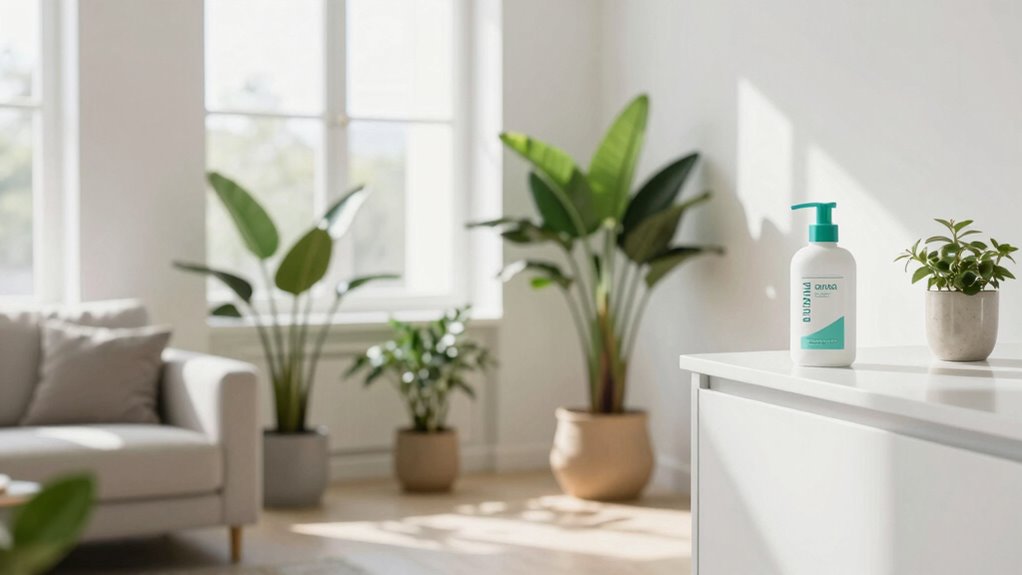
When homes prioritize low-fragrance products, they create a healthier environment where allergens are less likely to trigger reactions. The fragrance impact in traditional cleaners often involves strong scents that can irritate sensitive individuals. By choosing low-fragrance options, you eliminate overwhelming smells that mask odors rather than eliminate them. Scent masking might hide unpleasant odors temporarily, but it doesn’t address the underlying allergens. Homes that switch to low-fragrance cleaning products often see a noticeable difference in air quality, especially for allergy sufferers. Without overpowering scents, the air feels fresher and less congested. This approach helps prevent scent-related triggers and fosters a space where everyone can breathe easier, making your home truly a haven for allergy relief.
Tips to Keep Your Home Fresh and Allergen-Reduced
Keeping your home fresh and allergen-reduced requires consistent effort and smart habits. Focus on understanding fragrance psychology to select natural scent profiles that promote calm without overwhelming your senses. To maintain a clean, inviting space, consider these tips:
- Use air purifiers with HEPA filters to trap allergens and airborne particles.
- Incorporate natural scents like citrus or lavender to enhance mood and cleanliness.
- Regularly clean surfaces and wash bedding with fragrance-free, allergy-friendly products.
- Ventilate your home daily to let fresh air circulate and disperse lingering odors.
Frequently Asked Questions
Are Low-Fragrance Cleaners Effective at Cleaning as Traditional Products?
Yes, low-fragrance cleaners can be just as effective as traditional products in cleaning your home. Their fragrance strength is minimal, which is great if you’re sensitive to strong scents. Despite the lower scent, their cleaning efficacy remains high, targeting dirt and grime effectively. You don’t have to compromise on cleanliness when choosing low-fragrance options, making them a smart choice for a healthier, fresher home environment.
Can Low-Fragrance Cleaners Be Used on All Types of Surfaces?
Picture your favorite surfaces gleaming, untouched by harsh scents. Low-fragrance cleaners are versatile and safe for most surfaces, but fragrance compatibility varies—ensure you check labels for delicate materials like wood or stone. Their cleaning versatility shines on countertops, tiles, and glass, but avoid using them on porous or sensitive surfaces without testing first. You maintain a fresh home without overpowering scents, trusting these gentle yet effective cleaning options.
How Long Does It Take to Notice Allergy Improvements After Switching?
You can typically notice allergy improvements within a few days to a week after switching to low-fragrance cleaners. Timing expectations vary depending on your environment and allergy severity, but many people experience relief as allergens decrease. Keep in mind that consistent cleaning and good ventilation accelerate the allergy symptom timeline, helping you breathe easier faster. If symptoms persist beyond two weeks, consider consulting an allergy specialist for further advice.
Are There Any Downsides to Using Low-Fragrance Cleaning Products?
Using low-fragrance cleaning products generally has minimal downsides, but be aware that synthetic scents can still cause allergy triggers for some people. If you’re sensitive, these scents might lead to irritation or allergic reactions. Additionally, low-fragrance products may not always be as effective at removing certain stains or germs as strongly scented options. Always check ingredients and test new products to confirm they suit your allergy needs.
Do Low-Fragrance Cleaners Contain Any Hidden Allergens or Irritants?
You might think low-fragrance cleaners are completely free of hidden allergens, but that’s not always true—they can contain hidden ingredient concerns that cause irritation for sensitive folks. However, allergen testing results often show these products are much safer than heavily scented ones. Always check labels and choose products with transparent ingredient lists to avoid surprises. You’ll breathe easier, knowing you’re reducing risks without sacrificing clean.
Conclusion
Switching to low-fragrance cleaners can substantially reduce allergy symptoms—studies show up to 30% of people experience fewer reactions. By choosing allergy-friendly products, you create a healthier home environment and breathe easier every day. Don’t overlook common mistakes like using too much cleaner or mixing products — small changes make a big difference. Make the switch today and enjoy a fresher, allergy-friendly home where you can truly breathe easier.