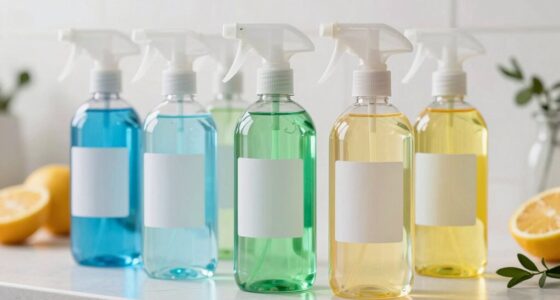

Many so-called “natural” cleaners can leave sticky residues that trap dirt and reduce cleaning effectiveness. These residues often come from ingredients that don’t fully rinse away and can attract further grime over time. Despite labels claiming they’re gentle or eco-friendly, some products contain chemicals that persist in your home and environment. To truly understand how to avoid residue and make smarter choices, you’ll discover important insights that can transform your cleaning habits.
Key Takeaways
- Many so-called “natural” cleaners contain synthetic ingredients that can leave sticky residues and attract dirt over time.
- Residues from natural cleaners can be difficult to remove, reducing cleaning effectiveness and requiring re-cleaning.
- Labels claiming “natural” do not guarantee eco-friendliness; some ingredients persist in the environment and harm aquatic life.
- Residue buildup from natural cleaners increases water and energy use through frequent re-cleaning efforts.
- Homemade solutions with simple, recognizable ingredients can minimize residue and environmental impact.
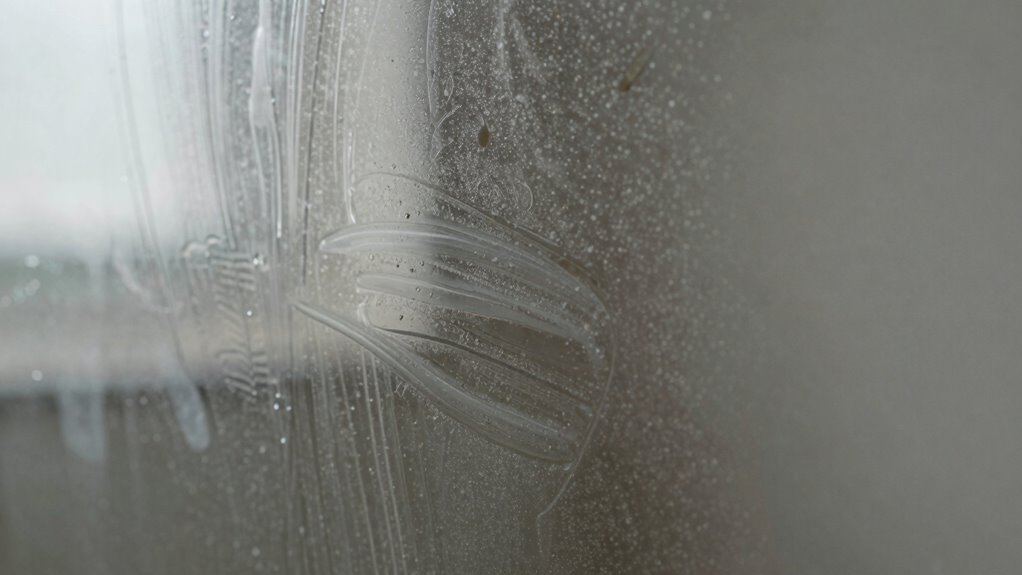
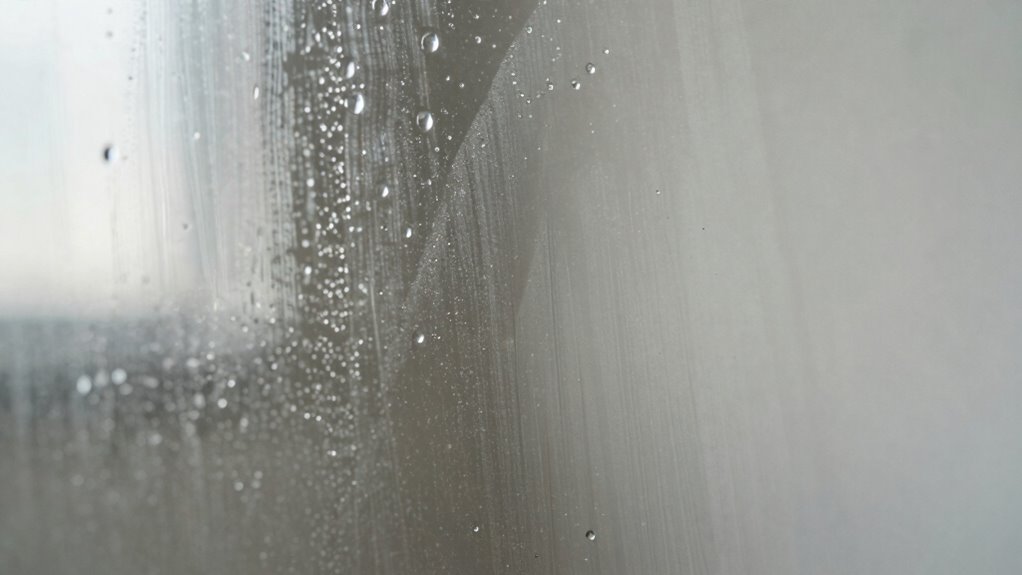
Have you ever wondered if those so-called “natural” cleaners really live up to their promises? Many products on the market claim to be eco-friendly and safe for your family, but beneath the surface, their chemical composition can tell a different story. “Natural” cleaners often contain ingredients derived from plant extracts and organic compounds, but they can also include synthetic fragrances, preservatives, or surfactants that aren’t as harmless as they seem. These ingredients may be labeled as “natural,” yet their chemical makeup can sometimes cause more harm than good, especially when used repeatedly. You might notice that despite their “gentle” reputation, they leave behind a sticky residue on surfaces. This residue isn’t just an aesthetic issue; it can attract dirt, create build-up over time, and make cleaning less effective.
The environmental impact of these so-called natural cleaners is another critical aspect to take into account. While they’re marketed as eco-friendly, many contain chemicals that don’t break down easily in nature. Surfactants and preservatives can persist in waterways, affecting aquatic life and polluting ecosystems. Even if the ingredients are plant-based, their production and packaging can have a significant carbon footprint. Some natural cleaners rely on excessive use of water, energy, and non-biodegradable containers, which contribute to environmental degradation. It’s a misconception that “natural” automatically equals “sustainable” or “safe,” especially when the formulation includes synthetic additives designed to extend shelf life or enhance cleaning power. Additionally, the chemical composition of these products often plays a crucial role in determining their true environmental impact.
You might be tempted to believe that switching to natural cleaners means you’re doing your part for the planet, but the reality is often more complex. Many products labeled “natural” have a questionable environmental impact due to their manufacturing processes or chemical residues. Plus, their tendency to leave sticky residues can lead you to re-clean surfaces more frequently, increasing water and energy use. If you want genuinely eco-friendly options, it pays to read labels carefully, research ingredient sources, and consider homemade solutions with simple, recognizable components. Knowing the chemical composition of these cleaners allows you to make smarter choices, reducing exposure to harmful substances and minimizing your impact on the environment. It’s also helpful to understand how manufacturing processes can influence the overall environmental footprint of cleaning products. Ultimately, understanding what’s inside those bottles helps you decide whether a product truly aligns with your health and sustainability goals.

ATTITUDE All Purpose Cleaner Spray, EWG Verified, Vegan, Made with 94% Plant-Based Ingredients, Streak-Free for Kitchen, Bathroom, Glass & More, Unscented, 27.1 Fl Oz
- EWG Verified: Certified safe by Environmental Working Group
- Plant-Based Ingredients: Made with 94% natural ingredients
- Streak-Free Cleaning: Leaves surfaces spotless and streak-free
As an affiliate, we earn on qualifying purchases.
As an affiliate, we earn on qualifying purchases.
Frequently Asked Questions
Are All Natural Cleaners Prone to Leaving Sticky Residue?
Not all natural cleaners leave sticky residue, but some can due to chemical reactions involving natural ingredients. Unlike synthetic ingredients, natural options often contain plant-based compounds that may react differently with surfaces, sometimes leaving a film or stickiness. To prevent this, look for natural cleaners with minimal or no added thickeners or binders. Testing a small area first helps guarantee they won’t leave unwanted residue on your surfaces.
How Can I Tell if My Cleaner Is Truly Natural?
You can tell if your cleaner is truly natural by examining its scent profile and observing chemical reactions. Natural cleaners often have subtle, plant-based scents, unlike synthetic fragrances. Check the label for recognizable, whole-food ingredients and avoid products with complex chemical names. If it reacts gently on surfaces and smells fresh but not overpowering, you’re likely using a genuine natural cleaner. Always read ingredient lists carefully to guarantee authenticity.
Do Natural Cleaners Require Special Storage?
Natural cleaners do require special storage to guarantee safety and effectiveness. You should keep them in containers made from materials that won’t react with the ingredients, like glass or certain plastics. Store them in a cool, dry place away from sunlight and out of reach of children or pets. Proper storage prevents leaks, preserves their natural properties, and maintains storage safety, making sure your cleaning routine stays both effective and safe.
Can Sticky Residue Damage My Surfaces Over Time?
Sticky residue from cleaners is like a slow-burning fuse, quietly setting off chemical reactions that can corrode your surfaces over time. If ignored, it can cause surface damage, weakening finishes and dulling appearances. Over the long haul, this residue acts as an invisible threat, gradually deteriorating your surfaces’ integrity. To protect your belongings, it’s essential to remove sticky buildup promptly and choose cleaners that won’t leave harmful residues behind.
Are There Eco-Friendly Ways to Remove Sticky Residues?
Yes, there are eco-friendly ways to remove sticky residues. You can use biodegradable packaging materials that contain plant-based ingredients, which are gentle yet effective. For instance, a mixture of warm water and a few drops of plant-based dish soap can break down residues without harmful chemicals. Using natural oils like coconut or olive oil can also loosen sticky buildup safely, leaving your surfaces clean and residue-free while being kind to the environment.
Conclusion
Ultimately, don’t be fooled by the label “natural” — some cleaners leave behind sticky residues that can be more trouble than they’re worth. Instead, do your research, read reviews, and test small areas first. Remember, “A little caution is the parent of safety.” By staying informed and cautious, you’ll find cleaning solutions that truly work without the hassle or mess. Clean smarter, not harder!