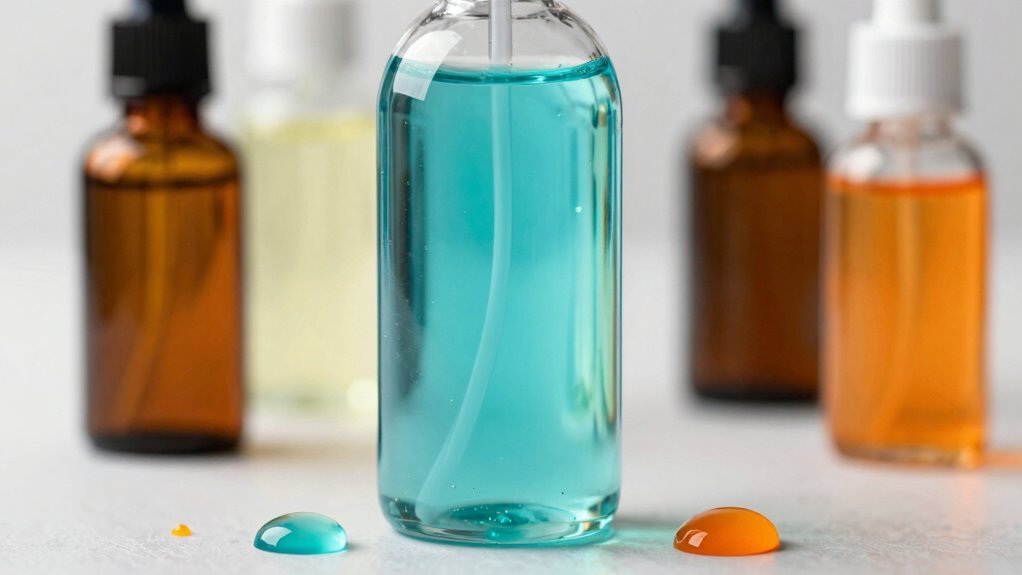
Using too much essential oil in your DIY cleaner can overpower the scent, cause skin sensitivities, and make the cleaner less effective. Overapplication can also destabilize ingredients, leading to separation or cloudiness. It might damage delicate surfaces and mask the fresh, natural aroma you’re aiming for. To keep your cleaner safe and functional, it’s important to measure carefully. If you keep in mind these tips, you’ll learn more about avoiding common pitfalls.

Get cleaning gear delivered free — and shop member deals
- Fast, free delivery on millions of items
- Access to Prime Big Deal Days deals on October 6–7
- Prime Video, Amazon Music and more included
Key Takeaways
- Excess essential oil can overpower the cleaner’s scent, causing sensory discomfort and masking the natural freshness.
- Overuse destabilizes ingredients, reducing cleaning effectiveness and causing separation or cloudiness.
- Too much oil may damage or discolor delicate surfaces and materials over time.
- Excess fragrance can cling persistently, resulting in a cloying scent that diminishes user comfort.
- Overapplication risks skin irritation, ingredient destabilization, and decreased safety of the cleaning solution.

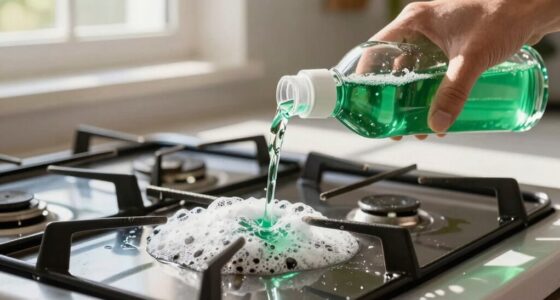
While essential oils can add a pleasant aroma and some cleaning benefits to your DIY cleaner, using too much can actually backfire. When you pour in excessive amounts, the fragrance can become overpowering, overwhelming your senses rather than providing a fresh, subtle scent. This not only diminishes the enjoyment of your homemade cleaner but can also cause discomfort or headaches, especially in small or poorly ventilated spaces. More importantly, overuse of essential oils can lead to ingredient destabilization, making your cleaner less effective and potentially damaging the surfaces you want to clean. A common mistake is to think that doubling or tripling the amount of essential oil will amplify its benefits. In reality, it often results in a strong, cloying scent that clings to everything and lingers longer than necessary. Excessive fragrance can mask the natural freshness of your cleaner, and it may even cause allergic reactions or skin sensitivities in some people. To keep the scent pleasing without crossing into overpowering territory, you should stick to recommended amounts—usually just a few drops per cup of cleaning solution. Beyond scent issues, too much essential oil can cause ingredient destabilization. The oils may interfere with the chemical balance of your mixture, reducing its ability to clean effectively. For instance, high concentrations of certain oils can inhibit soap or surfactant functions, making your cleaner less capable of cutting through grime or grease. This destabilization can also lead to separation or cloudiness, which makes the product look unappealing or suspicious in terms of quality. Proper measurement techniques are essential to prevent ingredient destabilization and ensure your cleaner remains effective and safe. Additionally, overapplication of essential oils can sometimes lead to surface damage, especially on delicate materials. The oils can degrade or discolor surfaces if used excessively or without proper testing. Using proper measurement techniques when adding essential oils helps maintain the balance between scent and effectiveness, ensuring your DIY cleaner stays safe and efficient. Taking the time to understand essential oil concentrations will help you create a more balanced and effective cleaning solution. Being mindful of essential oil safety guidelines can also help prevent accidental skin irritations or health issues.
As an affiliate, we earn on qualifying purchases.
Frequently Asked Questions
Can Excessive Essential Oils Cause Skin Irritation During Cleaning?
Yes, excessive essential oils can cause skin irritation during cleaning. If you have skin sensitivity or are prone to allergic reactions, using too much oil may lead to redness, itching, or even dermatitis. Always dilute essential oils properly and do a patch test before applying your DIY cleaner extensively. This helps prevent skin irritation and guarantees your cleaning routine remains safe and effective.
Do Some Essential Oils Lose Effectiveness When Used in High Amounts?
Yes, some essential oils lose effectiveness when used in high amounts because of improper essential oil dilution. Overusing oils can lead to diminished natural fragrance and potential skin irritation. When you use too much, the oils may not release their full aroma or benefits, making your DIY cleaner less effective. Stick to recommended dilution ratios to preserve the natural fragrance and guarantee maximum cleaning power without risking irritation.
How Does Too Much Essential Oil Affect the Longevity of a DIY Cleaner?
Using too much essential oil in your DIY cleaner can shorten its longevity because it affects the stability of diluted solutions. Excess oil can cause the mixture to separate or degrade faster, reducing both its cleaning effectiveness and scent longevity. Plus, overpowering scents may fade quickly or become overwhelming. To keep your cleaner fresh and effective, use essential oils sparingly, ensuring proper dilution for best shelf life and aroma.
Are There Safety Risks Associated With Overusing Essential Oils in Cleaning Products?
Did you know that overusing essential oils can pose safety risks? Excessive application can lead to harmful toxicity and skin irritation. When you don’t properly dilute essential oils, you increase the risk of toxic exposure, especially for children and pets. Always use proper essential oil dilution to minimize safety hazards. Too much can cause allergic reactions or even respiratory issues, so moderation is key to safe, effective cleaning.
Can High Concentrations of Essential Oils Damage Certain Surfaces?
High concentrations of essential oils can cause surface damage, especially on delicate materials like plastic, wood, or vinyl. The oils may degrade chemical stability, leading to discoloration, cracking, or warping. You should always dilute essential oils properly and test a small, hidden area first to prevent unexpected damage. Proper dilution preserves both your surfaces and the effectiveness of your DIY cleaner.
Conclusion
In conclusion, carefully controlling your concoction keeps your cleaner clean and alluring. Too much essential oil might muddle your mixture, making it messy rather than marvelous. Maintain moderation to maximize its magic and avoid the mayhem of overpowering odors or damaged surfaces. Remember, a small splash sustains the scent and the solution’s strength. So, stay savvy, and steer clear of the excessive, ensuring your DIY cleaner remains effective, enjoyable, and eco-friendly.
Evergreen bestsellers Picks
bestsellers
As an affiliate, we earn on qualifying purchases.