TL;DR

Get cleaning gear delivered free with Prime
- Fast, free delivery on millions of items
- Prime Video, Amazon Music and more included
- Member-only deals all year
A House Beautiful report outlines six humane steps, based on advice from wildlife-control professionals, to make yards and homes less attractive to raccoons. The recommendations focus on removing food, securing bins, blocking shelter and access, and leaving trapping or close encounters to professionals.
House Beautiful has published six recommendations from wildlife-control professionals for discouraging raccoons from yards and homes, including securing trash, removing food sources and sealing possible entry points. The advice matters to homeowners because raccoons can overturn bins and damage gardens or parts of a house, while experts interviewed for the report warn against approaching or trying to handle the animals.
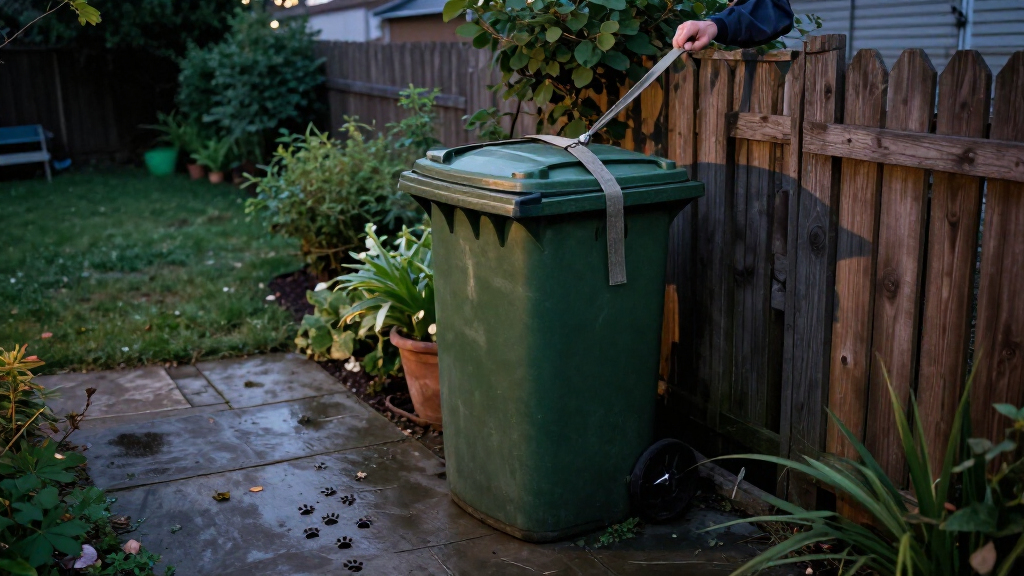
The recommendations begin with making trash difficult to reach. Jason Burkhart, managing director at Critter Control, advises keeping outdoor bins tightly closed or choosing animal-resistant models. He also says heavier bins are less likely to be tipped over. Compost should be secured, too, and food that can attract raccoons—including pet food, birdseed and fallen fruit—should not be left available.
Other suggested measures focus on deterrence and shelter. Bryor Newton, owner of Critter Removal Ohio, says motion-activated lights or sprinklers may startle raccoons. The report also mentions ammonia-soaked rags or predator urine as deterrents. Newton recommends fencing gardens and using barriers around decks, sheds and foundations to block potential denning or digging sites.
To make a property less inviting, Newton advises trimming overhanging branches, maintaining grass and shrubs, moving firewood and debris away from the house, and addressing standing water by keeping gutters draining properly. For the house itself, he recommends checking for holes, loose vents and damaged soffits, sealing openings, and installing a chimney cap. These are general deterrence suggestions; the report does not establish that any one measure will keep raccoons away in every situation.
Reducing Food, Shelter and Home Damage
The advice addresses several problems that can follow when raccoons find reliable food or shelter on a property. The House Beautiful report says raccoons may scatter garbage, disturb garden beds and damage insulation, siding or HVAC systems while seeking nesting places; they may also get into attics. Removing food and blocking access can reduce the reasons for animals to return, while sealing openings may help prevent them entering a home.
There is also a personal-safety concern. Newton says raccoons can carry diseases including rabies, roundworm and salmonella, and advises treating their droppings as hazardous waste. Burkhart warns that a raccoon that feels cornered or threatened may harm someone. The practical takeaway from the experts is to deter animals from a distance and seek professional help rather than approach, capture or handle one.
Products Worth Considering

Ring Floodlight Cam Wired Plus, 1080p HD Outdoor Security Camera with Motion-Activated Floodlights, 4-Pack, White

Dyson Ball Animal 3 Corded Upright Vacuum

Ring Outdoor Cam 4K Plus Battery Security Camera, 3-Pack, White
As an affiliate, we earn on qualifying purchases.
How Raccoons Find Yard Shelter
The report describes raccoons as animals that may be drawn to yards by accessible food and sheltered spaces. Trash, compost, pet food, birdseed and fallen fruit can provide food, while gaps under decks or sheds and openings in a house can offer places to den. Cold weather can prompt raccoons to look for sheltered nesting spots, Newton says.
The six recommendations in the article are attributed to Burkhart and Newton, both identified as wildlife-control professionals. They are preventive measures rather than a report of a new regulation, official public-health warning or documented change in raccoon activity. The source provides no local population data or evidence that a particular deterrent works in all settings.
““Motion-activated lights or sprinklers help keep raccoons away by startling them, and ammonia-soaked rags or predator urine can discourage them from settling in.””
— Bryor Newton, owner of Critter Removal Ohio
Which Deterrents Work Locally
The source does not provide comparative testing or success rates for the six approaches, so it is unclear which deterrents are most effective in different properties or regions. It also gives no local information about raccoon numbers, seasonal activity or rules governing wildlife removal. The recommendations should not be read as a guarantee that raccoons will stay away.
The report does not detail how to clean contaminated droppings or specify when a homeowner should contact local health or wildlife authorities. If an animal is inside a house or under a deck, Newton recommends professional removal rather than DIY trapping. Local requirements and appropriate cleanup steps may vary.
Secure Access Before Animals Return
The next steps for homeowners are practical: secure bins and compost, remove food left outdoors, and inspect the property for shelter or entry points. If there are signs of an animal inside the home or beneath a structure, the experts quoted by House Beautiful advise using professional wildlife-control help. After removal, Newton says, entry points should be sealed to reduce the chance of recurrence.
The report does not announce a follow-up study or a scheduled policy change. Whether these measures are sufficient will depend on the property and the animal’s access to other food and shelter; the source offers no timeline or guarantee for results.
Key Questions
What are the main ways to discourage raccoons?
The report recommends securing trash, removing food, using humane deterrents, blocking denning sites, reducing access to shelter and sealing home entry points.
Should I approach or scare a raccoon away?
Burkhart advises against approaching or handling a raccoon. An animal that feels threatened or cornered may injure someone, so keep your distance and contact a professional if it is inside a building or in a difficult-to-remove location.
Is trapping a raccoon a good DIY option?
Newton says trapping is best left to professionals. For animals inside a home or under decking, he describes one-way devices that allow them to leave while preventing re-entry; openings can then be sealed.
What signs might indicate raccoons are nearby?
The report lists overturned trash bins and disturbed gardens as possible signs. Newton also says growling or hissing from a yard location or a hole in a house may indicate a raccoon is present.
Do the recommended methods guarantee raccoons will stay away?
No guarantee or success rate is provided in the report. The steps aim to reduce food, shelter and access, but the source does not compare their effectiveness across different properties or locations.
Source: housebeautiful.com