
TL;DR

Get cleaning gear delivered free with Prime
- Fast, free delivery on millions of items
- Prime Video, Amazon Music and more included
- Member-only deals all year
Cleaning your sink overflow hole is a straightforward task that prevents odors and clogs. Follow these steps using common household items like baking soda and vinegar to keep it clear every few months.
Cleaning the sink overflow hole is a simple yet essential maintenance task that can prevent odors, slow drainage, and clogs. Experts recommend doing this every two to three months to keep your plumbing functioning properly and smelling fresh.
The overflow hole, located at the front of the sink, acts as a safety drain to prevent flooding and helps air into the drainpipe to promote faster drainage. Over time, it can accumulate soap scum, hair, mold, and bacteria, leading to foul smells and reduced drainage efficiency.
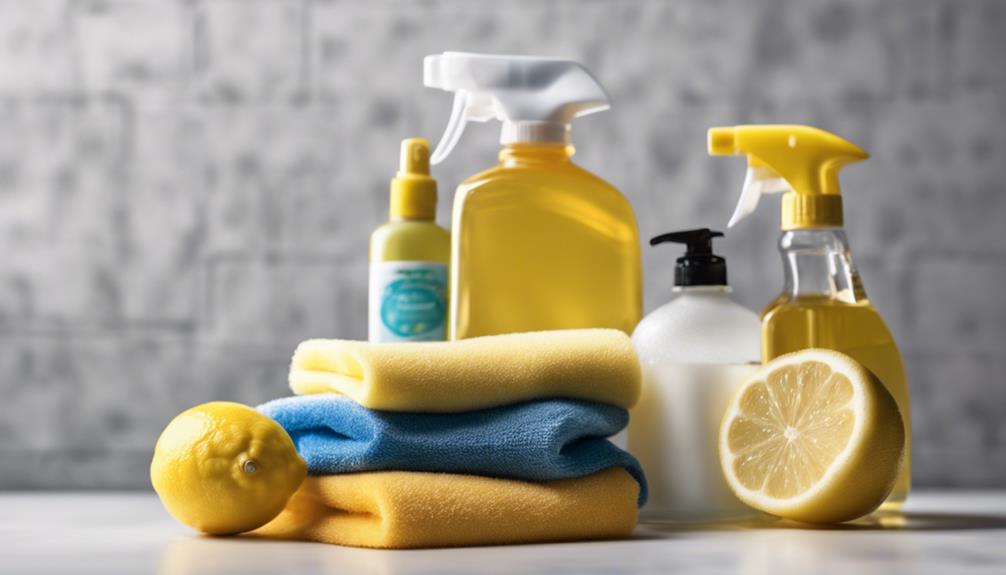
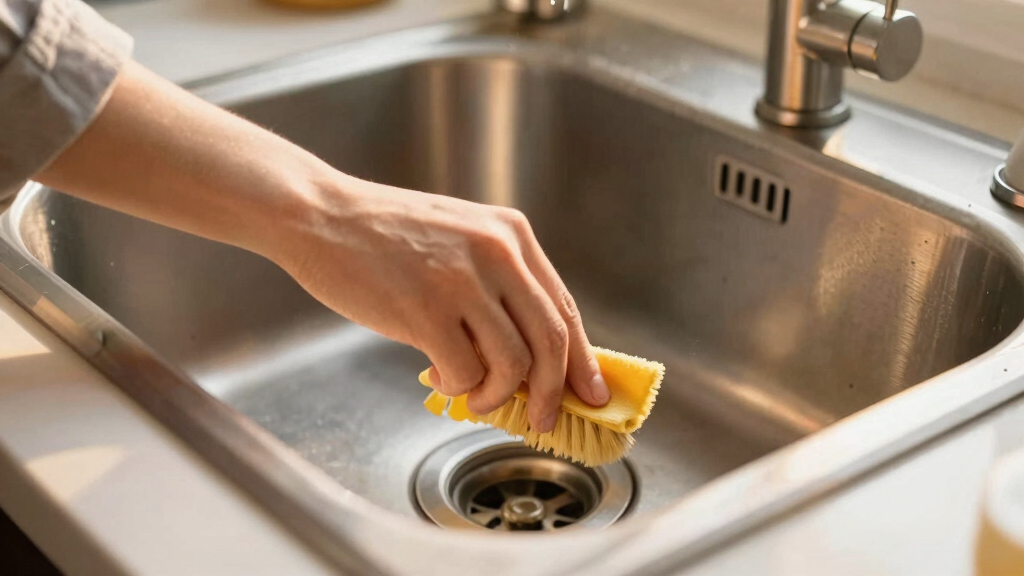
To clean the overflow hole, start by wiping its exterior with a damp microfiber cloth. Then, pour about one cup of baking soda into the hole using a funnel, followed by a cup of distilled white vinegar. The mixture will fizz and break down organic buildup. After 10-15 minutes, scrub the inside of the overflow pipe with an old toothbrush or pipe cleaner to remove stubborn debris. Finish by flushing with hot water to clear out loosened gunk and residues. If odors persist, an enzymatic drain cleaner can be used to digest organic matter.
Why Regular Cleaning of the Overflow Hole Matters
Maintaining a clean overflow hole prevents unpleasant odors, reduces the risk of slow drainage and clogs, and promotes overall plumbing health. Neglecting this task can lead to buildup that causes costly repairs and sanitation issues in your home.
Products Worth Considering

Shark Clean & Empty Cordless Stick Vacuum with Auto-Empty System, BU3521

Bose TV Speaker Compact Soundbar with Bluetooth and HDMI-ARC, Black

Levoit Vital 100S-P Air Purifier with Washable Pre-Filter
As an affiliate, we earn on qualifying purchases.
Understanding the Role and Maintenance of Sink Overflow Holes
The sink overflow hole is a safety feature designed to prevent flooding by directing excess water into the drain. It also allows air into the drainpipe, aiding faster drainage. Despite its importance, it is often overlooked during routine cleaning, leading to organic buildup and odors. Experts recommend cleaning this component every two to three months, using household items like baking soda and vinegar, to maintain its function and hygiene.
“Cleaning the overflow hole regularly can prevent foul odors and slow drainage caused by organic buildup.”
— an anonymous researcher
Unclear Aspects of Long-Term Overflow Hole Maintenance
It is not yet confirmed how effective enzymatic drain cleaners are over the long term or how often they should be used for optimal results. Additionally, the specific lifespan of the overflow pipe’s components after regular cleaning remains uncertain.
Next Steps for Homeowners Maintaining Sink Hygiene
Homeowners should incorporate overflow hole cleaning into their regular bathroom and kitchen maintenance routines, ideally every two to three months. Future research or expert guidance may clarify the best products and techniques for long-term upkeep and odor prevention.
Key Questions
How often should I clean my sink overflow hole?
Experts recommend cleaning the overflow hole every two to three months to prevent buildup and odors.
Can I use bleach instead of baking soda and vinegar?
It is not recommended to use bleach, as it can damage plumbing components and may not effectively break down organic buildup. Baking soda and vinegar are safer and effective alternatives.
What tools do I need to clean the overflow hole?
You’ll need a microfiber cloth, funnel, baking soda, distilled white vinegar, an old toothbrush or pipe cleaner brush, and hot water for rinsing.
Is it necessary to use enzyme cleaners?
Enzymatic drain cleaners can help digest stubborn organic debris if odors persist after standard cleaning. They are optional but recommended for persistent issues.
What should I do if my sink still drains slowly after cleaning?
If slow drainage continues, it may indicate a more serious clog or plumbing issue. Consult a professional plumber for further assessment.
Source: Bob Vila