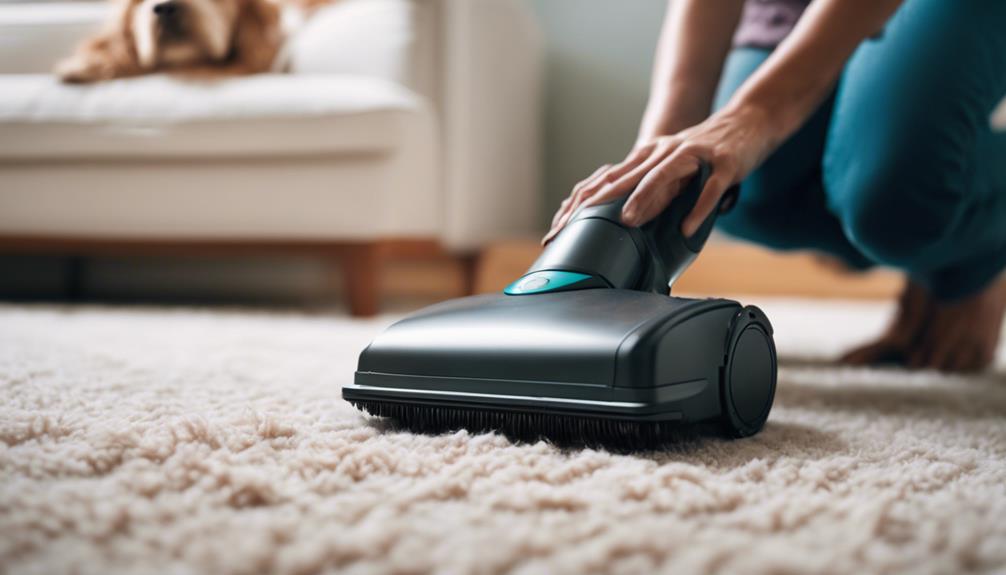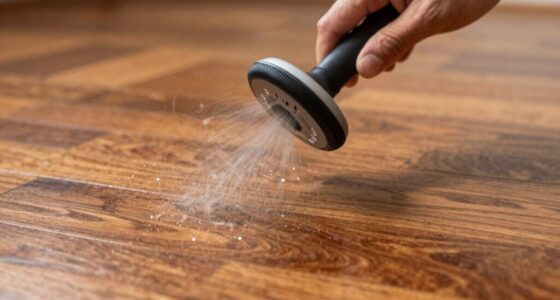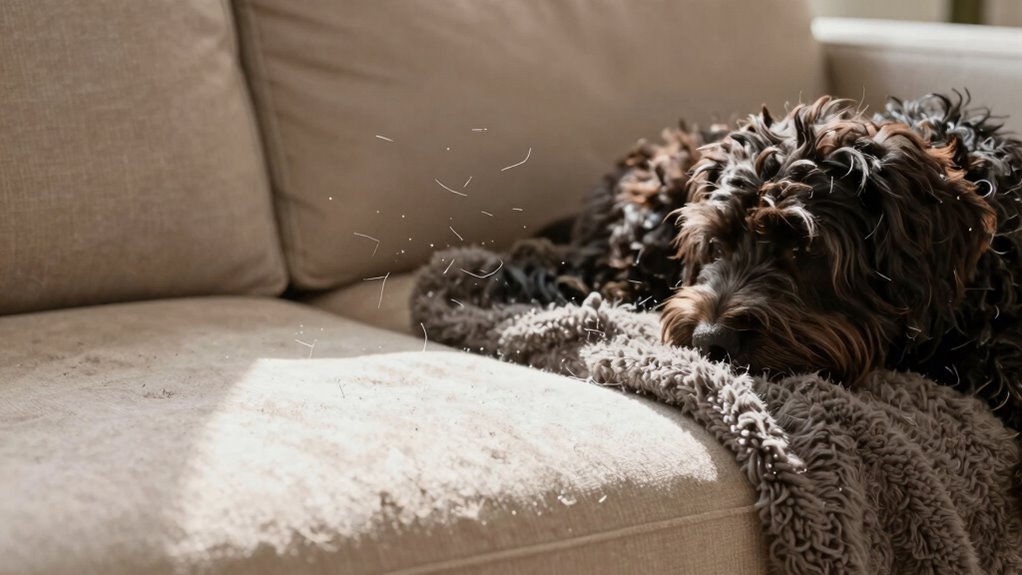

You’ll notice that cat hair tends to stay put more because their meticulous grooming helps distribute oils and reduce loose fur, making them shed less overall. Dogs, on the other hand, shed more frequently and heavily, especially during seasonal changes, because their grooming is less thorough and varies by breed. These differences mean you’ll see more fur around your home from dogs. Curious about how to manage pet hair better? Keep exploring for helpful tips.

Get cleaning gear delivered free — and shop member deals
- Fast, free delivery on millions of items
- Access to Prime Big Deal Days deals on October 6–7
- Prime Video, Amazon Music and more included
Key Takeaways
- Cats groom themselves frequently, reducing loose hair and shedding in the home compared to dogs.
- Dogs’ grooming routines are less thorough, leading to more loose hair and increased shedding indoors.
- Seasonal shedding causes cats to shed predictably, while dog shedding varies by breed and environment.
- Cats shed less overall, resulting in less hair around furniture, whereas dogs often shed more heavily.
- Proper grooming and diet management help control hair behavior and reduce pet hair in the home.
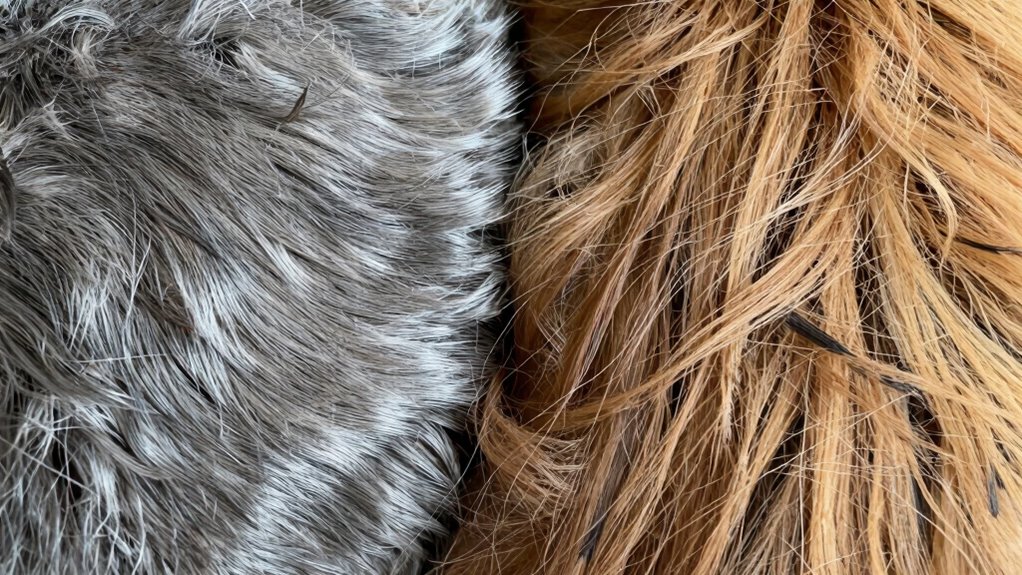
When it comes to pet hair, cats and dogs each have their unique characteristics that can influence your daily life. You might notice that your home is covered in fur, but understanding why their hair behaves differently can help you manage it better. Cats and dogs have distinct grooming techniques and shedding cycles, which directly impact how much hair they leave behind.
Cats tend to be meticulous groomers. They spend a significant part of their day cleaning themselves, which helps control loose hair and reduces shedding outside their bodies. Their grooming techniques involve licking their fur, which distributes natural oils and keeps their coat sleek. This self-grooming also means that most loose hair is ingested or removed through their grooming process, resulting in less hair around your home compared to dogs. However, cats do shed, but their shedding cycles are often more predictable and less intense. During certain times of the year, especially in spring and fall, cats shed more as they transition between winter and summer coats. This shedding cycle can be managed with regular brushing, which helps remove loose hair before it ends up on your furniture. Additionally, understanding their shedding patterns can help you better anticipate when they’ll shed the most. Recognizing the grooming habits of cats allows for more effective hair management strategies. Implementing a consistent grooming routine can also contribute to maintaining their overall health and coat quality. Being aware of seasonal shedding patterns can further optimize your grooming schedule for better results. Moreover, paying attention to your cat’s diet and overall health can influence their shedding and coat condition, making nutrition an important aspect of managing pet hair.
Cats groom themselves meticulously, shedding less but more predictably during seasonal coat changes.
Dogs, on the other hand, have different grooming needs. Many breeds require regular baths and brushing, but they don’t groom themselves as thoroughly as cats do. Their shedding cycles vary widely depending on breed, age, and environment. Some dogs shed year-round, while others shed heavily during specific seasons. The shedding process in dogs is more intense and often more noticeable, especially in thick-coated breeds. This means you’ll likely find more hair on your clothes, furniture, and floors if you have a shedding breed. Regular grooming techniques like brushing and trimming are essential to control the amount of fur they shed and to keep their coats healthy. When you brush your dog, you’re removing loose hair before it falls around your home, making cleaning easier.
Understanding these differences in grooming techniques and shedding cycles helps you better prepare for managing pet hair. With cats, consistent brushing during shedding seasons can minimize fur around your living space, while for dogs, adopting a regular grooming routine tailored to their breed can drastically reduce hair fall. Recognizing when your pet is likely to shed more allows you to plan grooming sessions accordingly, keeping your home cleaner and your pet comfortable. In the end, knowing why their hair behaves differently not only helps you maintain a cleaner home but also ensures your pets stay healthy and happy.
pet hair removal brush for cats and dogs
As an affiliate, we earn on qualifying purchases.
As an affiliate, we earn on qualifying purchases.
Frequently Asked Questions
Do Cat and Dog Hairs Cause Allergies Differently?
Yes, cat and dog hairs cause allergies differently due to their distinct allergy triggers and hair composition. Cat hair often carries more allergenic proteins from their skin and saliva, which cling to their hair, making it more likely to trigger reactions. Dog hair, meanwhile, tends to shed more, dispersing dander and allergens throughout your home. Your immune system reacts to these differences, causing allergy symptoms.
Which Sheds More: Cats or Dogs?
Dogs generally shed more than cats, especially during their shedding seasons, when they lose old hair to make way for new growth. Your grooming routines play a big role—regular brushing helps control shedding, but dogs tend to shed year-round more heavily than cats. Cats usually shed less overall, but certain breeds and seasonal changes can increase their shedding. Keep up with grooming to manage hair and reduce allergens in your home.
How Can I Reduce Pet Hair in My Home?
To reduce pet hair in your home, establish regular grooming routines for your cats and dogs, which minimizes shedding. Use a high-quality vacuum with a HEPA filter and frequently clean upholstery and carpets with lint rollers or damp cloths. Implementing consistent cleaning strategies, like sweeping and mopping floors regularly, also helps. Keeping your pets well-groomed and maintaining a clean environment considerably cuts down on pet hair around your house.
Are Certain Breeds More Prone to Shedding?
Certain breeds are like open books, revealing their shedding tendencies through breed characteristics. Breeds with double coats, like Huskies and Labrador Retrievers, are more prone to shedding heavily. To manage this, your grooming routines should be tailored to each breed’s needs, focusing on regular brushing and bathing. By understanding these breed traits, you can better control pet hair and keep your home cleaner.
Does Pet Hair Affect Indoor Air Quality?
Pet hair can impact indoor air quality, especially if it becomes airborne and settles on surfaces. To reduce this, you should use air filtration systems to trap allergens and pet dander. Regular hair removal with tools like lint rollers or vacuums equipped with HEPA filters helps minimize hair spread. Keeping your home clean and well-ventilated will improve air quality and create a healthier environment for you and your pets.
Conclusion
In the end, understanding why cat and dog hair behave differently helps you manage your home better. Think of it like tending a garden—each pet’s fur has its own needs and quirks. Whether you see dog hair as a persistent ghost or cat hair as delicate dust, knowing their habits makes cleanup easier. So, embrace their furry personalities—after all, they’re part of the family, just as loyal as a knight’s trusty steed in a medieval tapestry.
Fall Picks
fall essentials
As an affiliate, we earn on qualifying purchases.