Your pool water turns cloudy mainly because of chemical imbalances, organic debris, or poor filtration. If the pH, chlorine, or alkalinity are off, it can cause particles to clump together and block clarity. Leaves, oils, dirt, and algae also contribute to murkiness if not regularly removed. Inadequate circulation or filtration allows debris and algae to build up, making the water appear cloudy. Keep your water balanced and filter maintained to prevent this, and you’ll discover how to keep your pool clear and sparkling.
Key Takeaways
- Chemical imbalances, such as improper pH or alkalinity levels, cause particles to clump and cloud the water.
- Organic contaminants like oils, sweat, and dirt introduce particles that reduce water clarity.
- Poor filtration or inadequate circulation allows debris and algae to build up, leading to murkiness.
- Algae growth from insufficient sanitization results in slimy, discolored, and cloudy water.
- Lack of regular testing and chemical adjustments prevents proper water balance, causing persistent cloudiness.
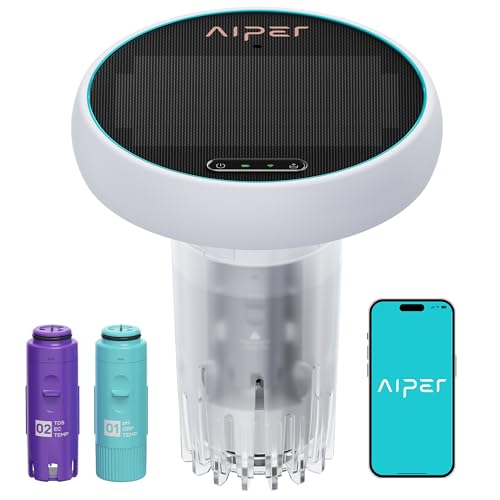
AIPER HydroComm Smart Pool Monitor, 24/7 Automatic Water Testing for Pools, Hot Tubs & Spas, 5-in-1 Accurate Digital Tester, App Control, Customized Optimization Tips, White
Automatic Hourly Monitoring: Automatically tests your pool water every hour for continuous day-and-night monitoring. Generates clear water quality…
As an affiliate, we earn on qualifying purchases.
As an affiliate, we earn on qualifying purchases.
What Causes Cloudy Pool Water?
Cloudy pool water often results from imbalances or contaminants that disrupt the clarity of the water. When your pool’s chemistry isn’t properly balanced, it can cause particles to clump together, making the water appear murky. Poor water clarity can also stem from inadequate filtration or insufficient sanitization, allowing debris and algae to accumulate. High pH or alkalinity levels can reduce sanitizer effectiveness, leading to cloudiness. Additionally, organic matter like oils, sweat, or dirt can introduce particles that cloud the water if not removed promptly. Regular testing and adjustments ensure your pool remains inviting and visually appealing, preventing cloudiness from taking over. Implementing smart water monitoring systems can help maintain optimal chemical levels automatically, reducing the chances of cloudiness. Proper filtration systems are essential to keep debris from settling and clouding the water, especially during heavy usage or after storms. Ensuring proper circulation and water movement can also prevent stagnation and accumulation of particles that cause cloudiness. Maintaining a consistent water chemistry balance is key to preventing issues before they develop, and understanding how particle suspension works can further aid in troubleshooting cloudy water.

SWIMLINE HYDROTOOLS Complete Sand Filter System, 14" Tank – for Above-Ground & Inground Pools Up to 10,500 Gallons, Single Speed Pump, 0.45 THP, 2,400 GPH, 4-Way Multi-Port Valve, 60 lb Capacity
Optimized Filtration: Swim in crystal-clear pool waters with Swimline HydroTools sand filters, designed for optimized filtration efficiency and…
As an affiliate, we earn on qualifying purchases.
As an affiliate, we earn on qualifying purchases.
How Do Chemical Imbalances Make Your Pool Cloudy?
Chemical imbalances in your pool, especially shifts in pH, alkalinity, or sanitizer levels, can cause the water to turn cloudy. When these levels are off, chemical reactions occur that disrupt the water’s clarity. For example, if the pH balance is too high or too low, it affects how effectively sanitizers work and promotes the formation of insoluble particles. These particles can scatter light, making the water appear cloudy. Additionally, improper alkalinity levels can lead to scale buildup and destabilize the chemical equilibrium. Proper chemical management is essential for maintaining water clarity and safety, and understanding chemical reactions can help you troubleshoot issues more effectively. Regular testing and adjusting your pool’s chemicals help keep the pH balanced and avoid cloudiness caused by chemical imbalances. Being aware of water chemistry fundamentals allows you to address issues before they become noticeable and ensure a safe swimming environment. Recognizing the importance of balanced water chemistry can prevent many common problems, including cloudiness, and keep your pool inviting.

Clorox® Pool&Spa™ Swimming Pool Super Water Clarifier, Creates Crystal Clear Pool Water, 1 Quart (Pack of 1)
Super Water Clarifier: Clorox Pool&Spa Swimming Pool Super Water Clarifier is a concentrated solution that clears dull, hazy,…
As an affiliate, we earn on qualifying purchases.
As an affiliate, we earn on qualifying purchases.
How Debris and Organic Matter Cloud Your Pool Water
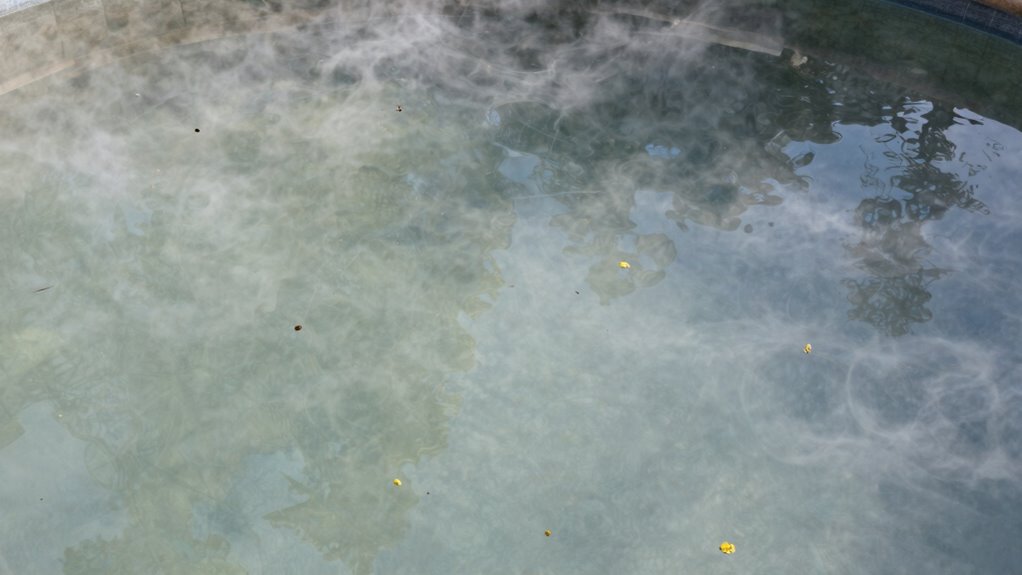
Debris and organic matter such as leaves, dirt, and hair can quickly turn your pool water cloudy if left unchecked. Regular pool skimming is essential to remove floating debris before it sinks and decomposes. Organic matter provides nutrients for algae growth and creates a film that traps dirt, further clouding your water. Effective debris removal keeps your pool clean and clear. Additionally, understanding water clarity can help you identify early signs of water quality issues and take prompt action. Monitoring water chemistry levels regularly is also important to prevent cloudiness caused by imbalances in pH or sanitizer levels. Proper filtration systems can also help maintain clarity by efficiently removing small particles from the water. Using the right vacuum, such as a best pool vacuum, can make debris removal more efficient and thorough. Regularly inspecting and maintaining your filtration equipment ensures it operates at optimal performance to keep your water clear.
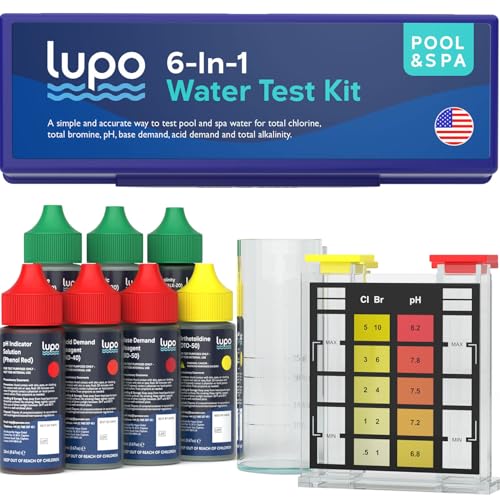
Lupo 6-in-1 Pool Test Kit | Pool Testing Kit for Residential Swimming Pools & Spas for Testing Total Chlorine, Total Bromine, pH, Base Demand, Acid Demand & Total Alkalinity Quick & Accurate Testing
6-IN-1 POOL TESTING KIT: An easy-to-use, accurate pool test kit for testing six essential water quality parameters in…
As an affiliate, we earn on qualifying purchases.
As an affiliate, we earn on qualifying purchases.
Why Poor Filtration and Circulation Lead to Cloudiness
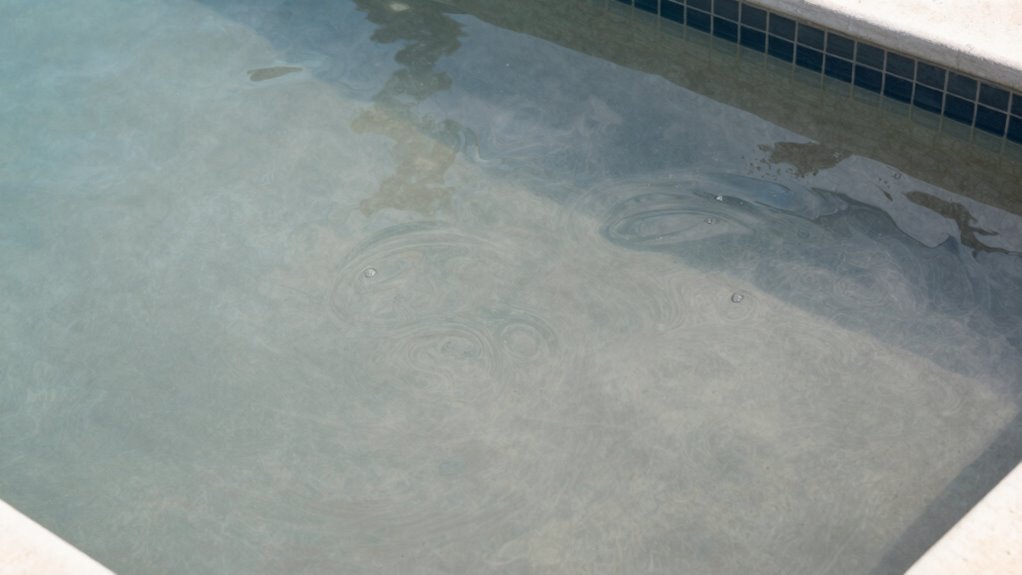
When your pool’s filtration system isn’t working properly, dirt and debris can quickly build up, making the water look cloudy. Poor circulation means the water isn’t moving enough to distribute chemicals or push debris toward the filter. As a result, your pool remains murky and less inviting.
Inadequate Filtration Systems
Poor filtration systems allow dirt, algae, and other particles to linger in your pool water, making it look cloudy. Without proper filtration, debris settles at the bottom or floats suspended, hindering clear water. Upgrading your filtration system is vital for effective pool water maintenance. Consider the table below to understand which upgrades could benefit you:
| Current System | Recommended Upgrade |
|---|---|
| Old cartridge | High-efficiency cartridge filter |
| Sand filter | Multi-media or DE filter |
| Low turnover rate | Increased pump capacity |
| Clogged filters | Regular cleaning and replacement |
| Insufficient flow | Enhanced circulation features |
Investing in filtration system upgrades ensures your pool stays crystal clear and reduces the need for excessive chemical treatments. Proper circulation and filtration are essential for maintaining water clarity and preventing future issues.
Poor Water Circulation
An inadequate filtration system can cause water to look cloudy, but insufficient circulation worsens the problem by preventing proper mixing and filtering of the pool water. When pool equipment isn’t running efficiently or long enough, chemical agents like chlorine don’t distribute evenly, allowing algae and bacteria to grow. Poor circulation also causes debris and dirt to settle, making the water appear murky. Without proper movement, chemical agents can’t circulate fully, reducing their effectiveness. This imbalance encourages cloudiness and reduces water clarity. To fix this, verify your pool pump and filter are working correctly and run them long enough each day. Regularly checking and maintaining your pool equipment helps promote adequate water flow, ensuring chemicals are evenly dispersed and debris is removed. Proper water circulation is essential for keeping your pool clear and safe. Additionally, upgrading to a smart pool system can help monitor and optimize circulation automatically. Incorporating automated circulation controls can further enhance water quality and reduce manual oversight. Ensuring your system includes proper valve operation can also prevent dead spots and improve overall flow efficiency. To optimize circulation, consider regular system maintenance to prevent blockages and ensure all components function correctly.
Signs Your Pool Has Algae or Bacteria Growth

Cloudy water is often the first sign that your pool may be developing algae or bacteria growth. You might notice a slimy film on the water surface or the pool walls, which are clear signs of pool algae. Additionally, if you see a sudden change in water color to green, yellow, or cloudy brown, bacterial signs could be present. A foul odor or a persistent, unclean smell also indicates bacterial growth. You may notice your skimmer or filter collecting more debris than usual, or algae blooms forming in patches. If your pool feels sticky or slimy to the touch, it’s a strong indicator of microbial activity. Addressing these signs promptly can prevent further contamination and keep your pool safe and inviting.
How to Quickly Clear Up Cloudy Pool Water
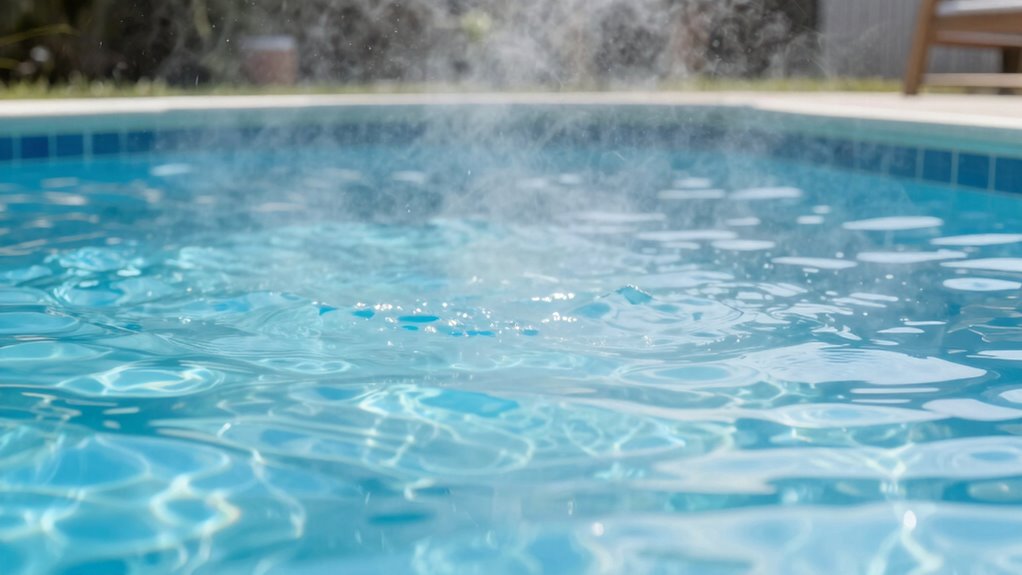
When your pool water turns cloudy, acting quickly is crucial to restore clarity and guarantee safe swimming conditions. Start by testing your water’s pH and chlorine levels; adjust them as needed to balance the water. Run your pool pump continuously to circulate chemicals and filter out particles. Shock the pool with a high dose of chlorine to kill bacteria and break down organic matter causing cloudiness. Use a pool clarifier to help small particles clump together for easier removal. Clearing up cloudy water allows you to enjoy poolside relaxation sooner, making your backyard landscaping more inviting. Regular maintenance, like skimming debris and brushing walls, prevents future cloudiness. Staying proactive ensures your pool remains sparkling and safe for all swimmers. Incorporating proper water chemistry is essential for maintaining a clear and healthy pool environment. Additionally, understanding water treatment techniques can help you prevent cloudiness from recurring. Proper filtration and circulation are vital components of effective water purification methods that keep your pool water clear. Implementing a multi-stage filtration system can further enhance water clarity and reduce maintenance efforts. To optimize your maintenance routine, consider regularly testing for bacterial contamination to ensure the water remains safe.
Tips to Prevent Cloudiness and Keep Your Pool Sparkling
To keep your pool sparkling, you need to stay on top of water quality and maintenance. Regularly test your water and adjust chemicals to guarantee proper balance. Consistent upkeep will prevent cloudiness and ensure a clear, inviting pool.
Regular Water Testing
Regular water testing is essential for maintaining a clear and sparkling pool. It helps you stay on top of your pool chemistry, ensuring chemical levels are within the ideal range. Consistently testing your water allows you to catch imbalances early before they cause cloudiness or other issues. Use a reliable water testing kit to check pH, chlorine, alkalinity, and stabilizer levels regularly. Keeping these parameters in check prevents algae growth and bacteria buildup, which can contribute to cloudy water. Proper testing techniques can also help identify chemical imbalances that may lead to water cloudiness. By making water testing a routine part of your pool maintenance, you reduce the risk of chemical mistakes that lead to cloudiness. Remember, proactive testing is the best way to keep your pool water crystal clear and inviting all season long.
Proper Chemical Balance
Maintaining proper chemical balance is essential for preventing cloudiness and ensuring your pool stays sparkling. A pH imbalance can cause your water to become cloudy by encouraging algae growth and reducing sanitizer efficiency. Aim to keep your pH between 7.2 and 7.6, and test regularly to catch fluctuations early. Chlorine levels are equally important; too little allows bacteria and algae to thrive, while too much can cause eye irritation and corrosion. Keep chlorine levels steady within the recommended range of 1 to 3 ppm to maintain clear, healthy water. Using appropriate pool chemicals and testing kits helps you stay on top of these factors. Regularly balancing your pool’s pH and chlorine ensures your water remains crystal clear and inviting.
Consistent Pool Maintenance
Consistent pool maintenance is key to preventing cloudiness and keeping your water sparkling. Establishing regular pool maintenance routines ensures you catch issues early and maintain ideal water quality. This includes weekly skimming, brushing the walls, and checking the filter. Seasonal pool care is also essential; adjusting chemical levels and cleaning filters more thoroughly during peak seasons helps prevent cloudiness caused by debris or imbalance. Keep an eye on pH, alkalinity, and chlorine levels, and address problems promptly. Regular maintenance reduces algae growth and minimizes the buildup of contaminants that cloud the water. By staying proactive with your pool care, you’ll enjoy clear, inviting water all season long without the frustration of cloudiness or chemical surprises.
Frequently Asked Questions
How Often Should I Test My Pool’s Chemical Levels?
You should test your pool’s chemical levels at least twice a week during peak season and weekly when it’s less used. Regular testing is essential for proper pool maintenance and chemical balancing, preventing issues like cloudiness. Use reliable test kits to check pH, chlorine, alkalinity, and stabilizer levels. Consistent testing helps keep your water clear, safe, and inviting, making maintenance easier and more effective.
Can Sunlight Cause My Pool Water to Turn Cloudy?
Yes, sunlight can cause your pool water to turn cloudy by promoting algae growth. When your pool is exposed to direct sunlight, it encourages algae to thrive, which can make the water look murky and uninviting. To prevent this, you should use algaecides, keep your pool covered when not in use, and regularly test and balance your chemical levels. Proper maintenance helps keep sunlight from turning your pool water cloudy.
What Are Natural Remedies for Clearing Cloudy Water?
You can try natural clarifying methods and herbal treatments to clear cloudy pool water. Add a small amount of bentonite clay or use natural enzyme-based clarifiers to help trap dirt and oils. Herbal treatments like adding aloe vera or chamomile extract can also improve water clarity. Regularly skimming debris, brushing pool walls, and maintaining proper filtration enhance these natural remedies, ensuring your pool stays crystal clear without harsh chemicals.
How Long Does It Typically Take to Clear up Cloudy Water?
It usually takes about 24 to 48 hours to clear up cloudy water if you act quickly. You need to focus on water filtration and correcting the chemical balance, as these are the key to clarity. Keep your pump running continuously, skim debris, and test your chemicals regularly. While patience is a virtue, consistent maintenance speeds up the process, turning murky water into crystal clear in no time.
Is It Safe to Swim in Cloudy Pool Water Temporarily?
It’s generally unsafe to swim in cloudy pool water temporarily because water clarity affects pool safety. Cloudiness can hide hazards like debris or algae, increasing your risk of injury or illness. Wait until the water clears and the pool’s filtration system has done its job. Ensuring water clarity helps you enjoy your swim safely, so don’t rush back in until the pool looks clear and clean.
Conclusion
Think of your pool as a mirror reflecting pristine water—you’d never want it to look like a murky pond. By understanding what causes cloudiness and taking quick action, you can keep your pool sparkling clear. Regular maintenance, proper chemical balance, and good circulation are your best tools. With a little effort, your pool will shine like a diamond in the sun, inviting you to leap in and relax anytime you want.