To keep your pool clean, shock it every 1 to 2 weeks during heavy use or after storms, algae shows up, or water looks dull. Turn on your pump, then evenly add the appropriate shock product, like calcium hypochlorite or liquid chlorine, at night for best results. Run the pump for at least 8 hours and wait until chlorine drops to 1-3 ppm before swimming. Continue to explore to master proper shock techniques and timing.
Key Takeaways
- Shock your pool every 1-2 weeks during heavy use or when water appears dull or cloudy.
- Test chlorine levels; shock when levels are below 1 ppm or algae is visible.
- Choose appropriate shock products like liquid chlorine or calcium hypochlorite, following manufacturer instructions.
- Apply shock in the evening or at night, distributing evenly around the pool perimeter.
- Run the pump for at least 8 hours post-shock and wait until chlorine drops to 1-3 ppm before swimming.
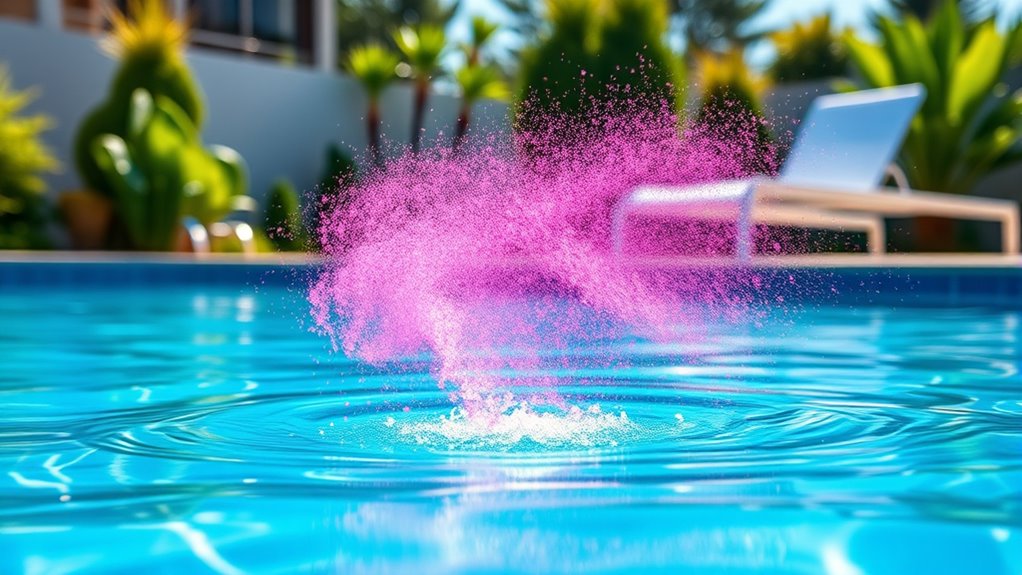
Shocking your pool is an essential step to keep the water clean, clear, and safe for swimming. When you shock your pool, you’re introducing a high dose of chlorine or other sanitizer to break down contaminants, bacteria, and organic matter that regular chlorination might miss. One of the main reasons to do this is to restore proper chlorine levels, which can drop due to sunlight, heavy usage, or debris. Maintaining the right chlorine levels is vital because low levels allow algae and bacteria to thrive, making your pool look dull and inviting unwanted growth. Shocking helps prevent algae buildup by killing spores before they can take hold, saving you from more extensive cleaning later on.
Shocking your pool maintains clarity, kills bacteria, and prevents algae buildup for a safer swimming experience.
You should consider shocking your pool when the water looks dull or cloudy, when algae starts to appear, or after heavy rainstorms that introduce debris and contaminants. It’s also wise to shock the pool at the start and end of each swimming season or after prolonged periods of neglect. Regular shocks, about once every 1 to 2 weeks during heavy use, help keep the water balanced and prevent algae from taking hold. Keep an eye on your chlorine levels—if they’re consistently low, it’s time to shock. You can test your water with a reliable test kit or test strips, aiming for a free chlorine level of 1-3 ppm for regular maintenance. After shocking, the chlorine levels will spike, so you’ll need to wait until they return to safe levels before swimming again.
When it’s time to shock your pool, choose the right product—liquid chlorine, calcium hypochlorite, or stabilized chlorinating shock are common options. Follow the manufacturer’s instructions carefully to avoid over-shocking, which can cause skin or eye irritation and damage your pool equipment. To apply the shock, turn on your pool pump and evenly distribute the chemical around the perimeter of the pool to ensure proper mixing. It’s best to do this in the evening or at night, as sunlight can quickly consume the added chlorine, reducing its effectiveness. Additionally, understanding the importance of water chemistry balance helps optimize shock treatments and maintain a healthy swimming environment.
After shocking, run your pool pump for at least 8 hours to circulate the chemicals thoroughly. Test the water again before swimming, and wait until chlorine levels fall back into the safe zone. Properly shocking your pool regularly not only keeps the water sparkling but also prevents algae growth and maintains balanced chlorine levels, making your swimming experience safer and more enjoyable.

HTH 52037R Pool Care Shock Advanced, Swimming Pool Chemical – Cal Hypo Formula, Prevents Bacteria & Algae, Restores Crystal Clear Water – Shock Treatment, 1lb (12 Pack)
BENEFITS: Stay all clear for cannonballs; This fast-dissolving, convenient 4-in-1 formula kills bacteria and algae, reduces chlorine odor…
As an affiliate, we earn on qualifying purchases.
As an affiliate, we earn on qualifying purchases.
Frequently Asked Questions
Can I Shock My Pool During the Day or Only at Night?
You can shock your pool during the day or night, but daytime shocking is often preferred because the sun’s UV rays can break down the chlorine quickly. To get the best results, do it in the evening or late afternoon. This allows the chlorine to work effectively without immediate sunlight reducing its power. Always follow the manufacturer’s instructions for pool shock timing and dosage for safe, clean water.
How Often Should I Shock My Pool During Peak Swimming Season?
During peak swimming season, you should shock your pool about once a week to maintain proper pool chemical balance and prevent algae growth. If the water appears cloudy or has a strong chlorine smell, shock it more often. Regular equipment maintenance, like cleaning filters, supports effective shocking. Remember, consistent shocking keeps your pool safe, clear, and inviting, especially when it’s heavily used.
Are There Any Safety Precautions I Should Take When Shocking My Pool?
When shocking your pool, always prioritize pool chemical safety by wearing protective gear like gloves and goggles to prevent skin and eye irritation. Keep the area well-ventilated to avoid inhaling fumes, and store chemicals securely away from children and pets. Follow the manufacturer’s instructions carefully, and never mix different chemicals. These precautions help guarantee your safety while effectively shocking your pool.
Can I Swim Immediately After Shocking My Pool?
Like a knight returning from battle, you should wait before swimming after shocking your pool. Typically, you need to wait until the chlorine levels drop to safe levels, around 24 hours, depending on the shock used. Always follow pool chemical safety guidelines and monitor chlorine levels closely. Remember, shocking frequency varies, but never compromise safety for immediate swim time—waiting guarantees your pool’s clean and safe.
Is It Safe to Shock a Saltwater Pool the Same Way as a Chlorine Pool?
Yes, you can shock a saltwater pool similarly to a chlorine pool, but keep in mind saltwater maintenance involves a chlorine conversion process. When shocking, use a non-salt generating shock to prevent damage to your salt system. Always follow manufacturer instructions, wear protective gear, and avoid swimming until chlorine levels return to safe range. This guarantees your saltwater pool stays clean and balanced without harming your salt generator.

CPDI Champion 4-Pack Pool Shock Liquid Chlorine, 12.5 Sodium Hypochlorite, 1 Gallon – Ready-to-Use Treatment for Clear Water and Algae Control in Above Ground & Inground Swimming Pools
Shockingly Quick Sanitation: Enjoy crystal-clear, swim-ready water faster with Champion Pool Shock’s powerful and potent 12.5 percent sodium…
As an affiliate, we earn on qualifying purchases.
As an affiliate, we earn on qualifying purchases.
Conclusion
Shocking your pool transforms murky water into sparkling blue clarity, like a mirror reflecting the summer sky. When you see algae bloom or smell chlorine smell, it’s time to act. By carefully shocking your pool, you’re releasing built-up impurities and restoring its brilliance. Imagine dipping your hand into crystal-clear water, feeling refreshed and invigorated. Keep an eye on your pool’s health, and it’ll reward you with inviting, pristine waters ready for your next swim.

In The Swim Pool Shock – 68% Cal-Hypo Granular Sanitizer for Crystal Clear Water – Defends Against Bacteria, Algae, and Microorganisms – 50 Pounds
Fast-Acting Algae Control: Calcium Hypochlorite (Cal-Hypo) is an effective non-stabilized chlorine shock treatment, ideal for routine maintenance in…
As an affiliate, we earn on qualifying purchases.
As an affiliate, we earn on qualifying purchases.
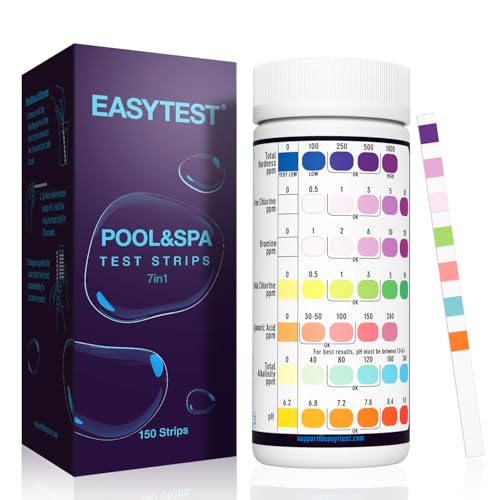
EASYTEST 7-Way Pool Test Strips, 150 Strips Water Chemical Testing for Hot tub and Spa, Accurate Test Bromine, Total Alkalinity, pH, Free Chlorine, Total Hardness, Cyanuric Acid, and Total Chlorine
AFFORDABLE 150 STRIPS: This water chemical testing kit contains 150 test strips. Enough balanced for your swimming pool,…
As an affiliate, we earn on qualifying purchases.
As an affiliate, we earn on qualifying purchases.