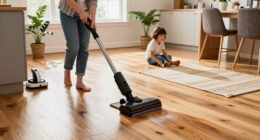

Robot vacuum cleaners operate by using advanced sensor technology such as cliff sensors, bump sensors, wall sensors, and optical encoders to detect their surroundings and navigate effectively. Navigational functions, such as adjusting direction with bump sensors and tracking walls with wall sensors, assist in achieving a thorough cleaning. Cleaning algorithms are programmed to map out efficient paths and adjust to various surfaces in real-time for optimal performance. Regular cleaning and sensor checks are essential for proper maintenance. Additional features like mapping technology and remote control further improve the capabilities of these devices. Understanding these components provides valuable insight into the intricate workings of robot vacuums and how they help maintain a clean and organized living space.

Get cleaning gear delivered free with Prime
- Fast, free delivery on millions of items
- Prime Video, Amazon Music and more included
- Member-only deals all year
Key Takeaways
- Sensors detect obstacles, walls, drops, and distances.
- Algorithms plan efficient cleaning paths and adapt.
- Smart features include mapping, scheduling, and remote control.
- Navigation behaviors use bump, wall, and cliff sensors.
- Regular maintenance ensures longevity and optimal performance.
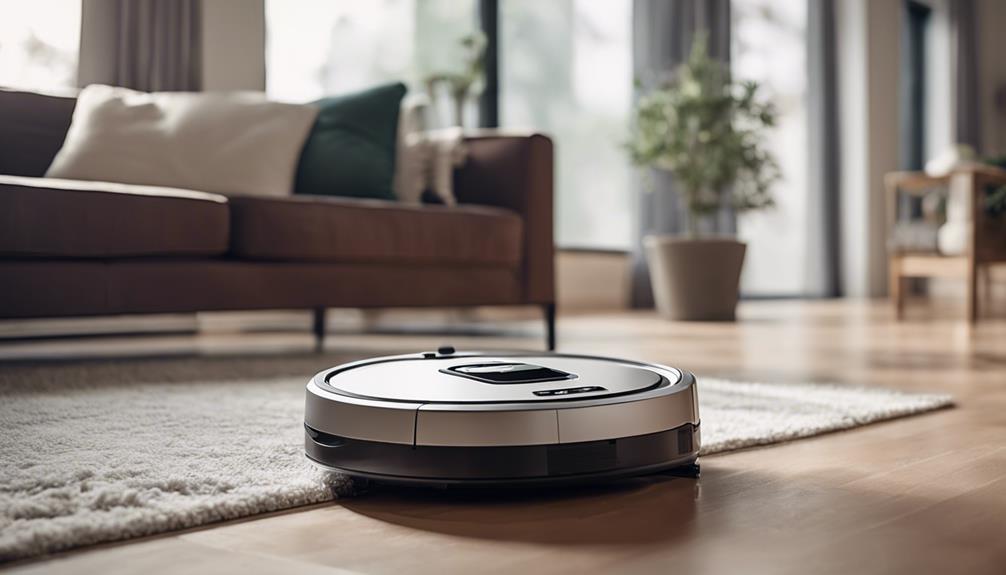
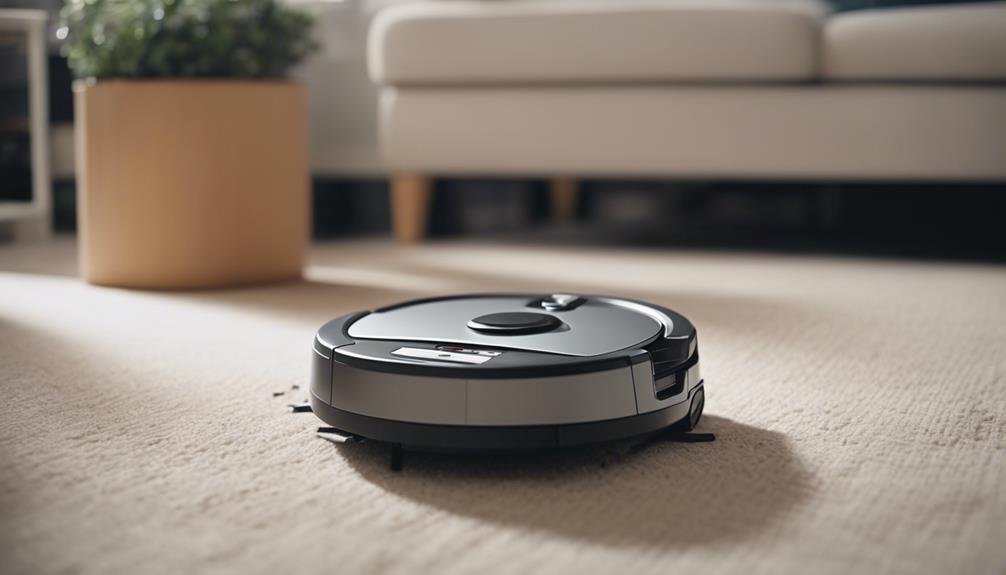
robot vacuum with mapping technology
As an affiliate, we earn on qualifying purchases.
As an affiliate, we earn on qualifying purchases.
Understanding Robot Vacuum Sensor Technology
To understand how robot vacuum cleaners navigate and avoid obstacles effectively, explore the world of sensor technology they employ. Robot vacuum cleaners are equipped with various sensors such as cliff sensors, bump sensors, wall sensors, and optical encoders to enhance their navigation capabilities. Cliff sensors play an important role in detecting drops or stairs, ensuring that the robot vacuum avoids potential falls or accidents during its cleaning operation. Bump sensors are designed to detect collisions with obstacles, prompting the robot vacuum to adjust its path and continue cleaning efficiently. Wall sensors assist the robot vacuum in following walls or objects closely, enabling thorough cleaning and improved navigation within a room. Additionally, optical encoders mounted on the wheels track the distance traveled by the robot vacuum, aiding in mapping out the area and optimizing coverage for more effective cleaning results. These sensors collectively work to enhance the robot vacuum's ability to maneuver around obstacles and efficiently clean various spaces.
Navigational Behaviors of Robot Vacuums

Robot vacuum cleaners exhibit specific navigational behaviors based on the sensor technology they are equipped with. Designed for efficient cleaning, robot vacuums use a variety of sensors to navigate around obstacles and determine the areas to clean. Advanced navigation features such as bump sensors help the robot detect obstacles and change direction to avoid collisions. Wall sensors guide the robot along walls and furniture, creating thorough cleaning patterns. Optical encoders on the wheels measure the distance traveled, aiding in room navigation. Additionally, cliff sensors prevent the robot vacuum from falling down stairs by detecting drop-offs. Some models may even incorporate dust scanners to ensure a thorough clean. By utilizing these sensors and technologies, robot vacuums can autonomously move around a room, efficiently cleaning different areas while avoiding potential hazards.
Cleaning Algorithms Employed by Robot Vacuums
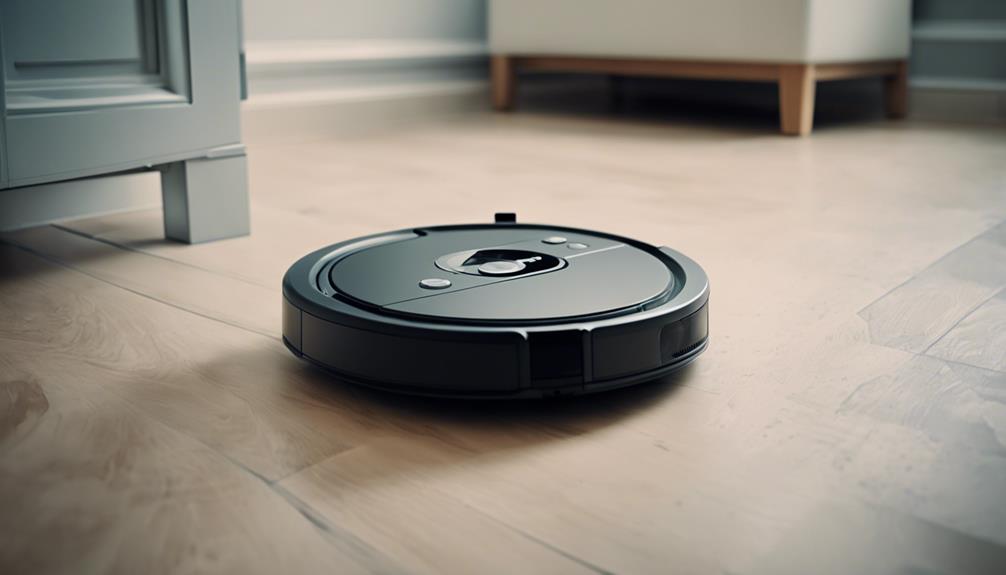
Sophisticated algorithms are employed by robot vacuum cleaners to navigate and clean efficiently. These cleaning algorithms play a vital role in guaranteeing that the robot vacuum can avoid obstacles while planning ideal cleaning paths. By utilizing advanced algorithms, robot vacuums can adapt to various surfaces and room layouts, enhancing their cleaning effectiveness. The real-time decision-making capabilities enabled by these algorithms allow the robot vacuum to adjust its cleaning strategy on the fly for thorough cleaning.
Furthermore, the cleaning algorithms of robot vacuums are designed to prioritize efficient operation by minimizing overlap during cleaning sessions. This approach not only ensures that the robot vacuum covers the entire area effectively but also contributes to prolonging its battery life. By leveraging these intelligent algorithms, robot vacuums can deliver consistent and reliable cleaning performance, adapting to different environments and surfaces with ease.
Maintenance Tips for Longevity of Robot Vacuums
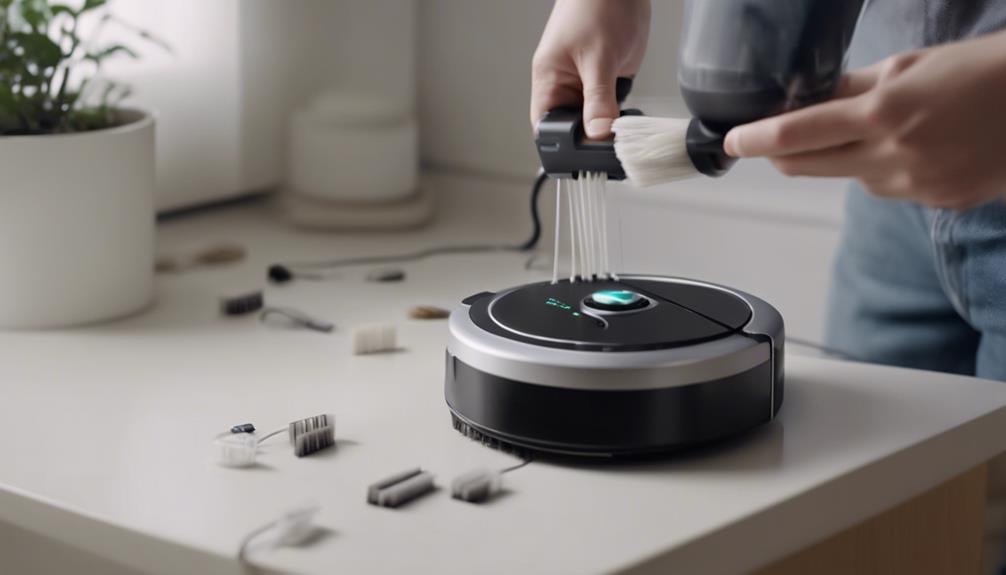
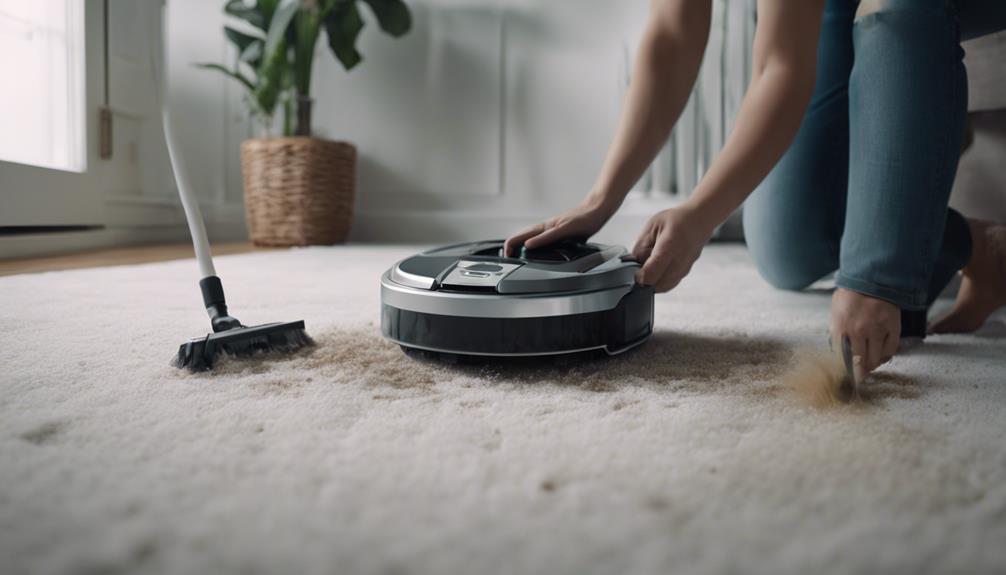
Make sure to regularly clean the brushes, filters, and sensors to maintain peak performance of your robot vacuum cleaner. By keeping these components free of debris and dust, you guarantee that your robot vacuum operates efficiently. Additionally, remember to empty the dustbin and clean the dirt container after each use. This practice prevents clogs and helps maintain the suction power of your cleaner. To prolong the lifespan of your robot vacuum, check and replace the brushes, filters, and batteries as recommended by the manufacturer. Furthermore, it's crucial to keep the charging dock area clear and unobstructed. This enables your robot vacuum to dock properly and recharge effectively. To wrap up, avoid using the robot vacuum on wet surfaces or liquids. Doing so can prevent damage to the electronic components and sensors, ensuring the longevity and top performance of your valuable cleaning assistant. Regular maintenance is key to keeping your robot vacuum cleaner in top condition.
Integration of Smart Features in Robot Vacuums
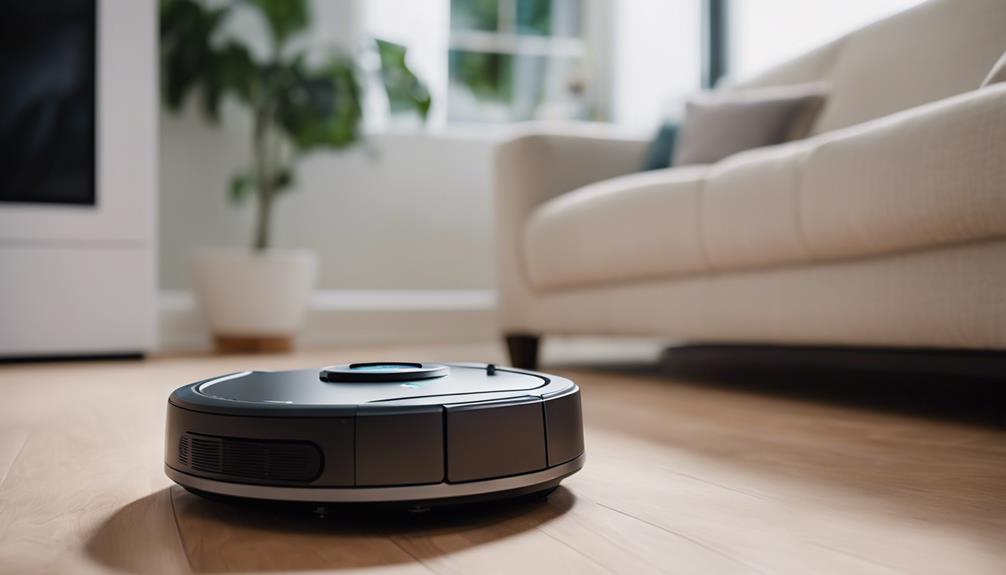
With the integration of smart features, robot vacuums have revolutionized the way cleaning is approached in modern households. These devices incorporate a range of technologies such as sensors, mapping technology, and AI algorithms to provide efficient cleaning solutions. Smart sensors play an essential role in obstacle detection, ensuring that the robot vacuum navigates around furniture and other objects without getting stuck. Mapping technology enables the robot vacuum to create detailed maps of the cleaning area, allowing for systematic and thorough cleaning patterns.
Moreover, the ability to control these advanced robot vacuums remotely through apps offers added convenience. Users can schedule cleaning sessions at their preferred times and monitor the progress from anywhere. This remote control functionality enhances the overall user experience, making it easier to maintain a clean home effortlessly. Additionally, the integration of these smart features with connected home systems allows for seamless operation with other smart devices, contributing to a more integrated and automated household cleaning routine.
Frequently Asked Questions
How Does the Robot Vacuum Cleaner Work?
Here's how it works: A robot vacuum cleaner operates using sensors to navigate, suction to pick up dirt, and smart algorithms to plan its cleaning path. It's all about efficiency, making your life easier. Xiaomi robot vacuum cleaner operation also includes a mobile app that allows you to schedule cleanings, monitor its progress, and even control it remotely. This level of control and automation makes it a valuable addition to any home, taking the hassle out of keeping your floors clean. Overall, the advanced technology used in the Xiaomi robot vacuum cleaner operation sets it apart as a convenient and effective cleaning solution.
How Does Robot Vacuum Mapping Work?
Robot vacuum mapping works by utilizing sensors to create a detailed map of the cleaning area. These sensors collect data on room dimensions and obstacles, allowing the robot vacuum to navigate efficiently and avoid unnecessary overlap.
What Are the Disadvantages of a Robot Vacuum Cleaner?
When it comes to robot vacuums, drawbacks include struggles with deep cleaning, getting tangled in cords, limited battery life requiring frequent charging, missing corners, and the upfront cost. But they can still be handy!
What Is the Science Behind Robot Vacuum Cleaners?
To understand the science behind robot vacuum cleaners, consider how sensors, motors, and algorithms work together. Sensors detect obstacles, motors create suction power, and algorithms control movement patterns. This synergy enables efficient autonomous cleaning on various floor surfaces.
What are the main mechanisms that robot vacuum cleaners use to clean corners effectively?
Robot vacuum cleaners use a combination of side brushes and advanced navigation technology to clean corners effectively. The side brushes help to sweep debris towards the main suction opening, while the advanced navigation technology ensures that the robot can reach and clean every corner of the room. These are the robot vacuum cleaners secrets.
Conclusion
To sum up, robot vacuum cleaners are marvels of modern technology, utilizing advanced sensor technology and intelligent algorithms to efficiently clean your home. With their navigational behaviors and cleaning algorithms, they can tackle even the toughest messes with ease. Remember to regularly maintain your robot vacuum for peak performance and longevity. And with the integration of smart features, these robots truly take cleaning to the next level. They're like tiny, efficient cleaning superheroes for your floors!
Halloween Picks
halloween
As an affiliate, we earn on qualifying purchases.