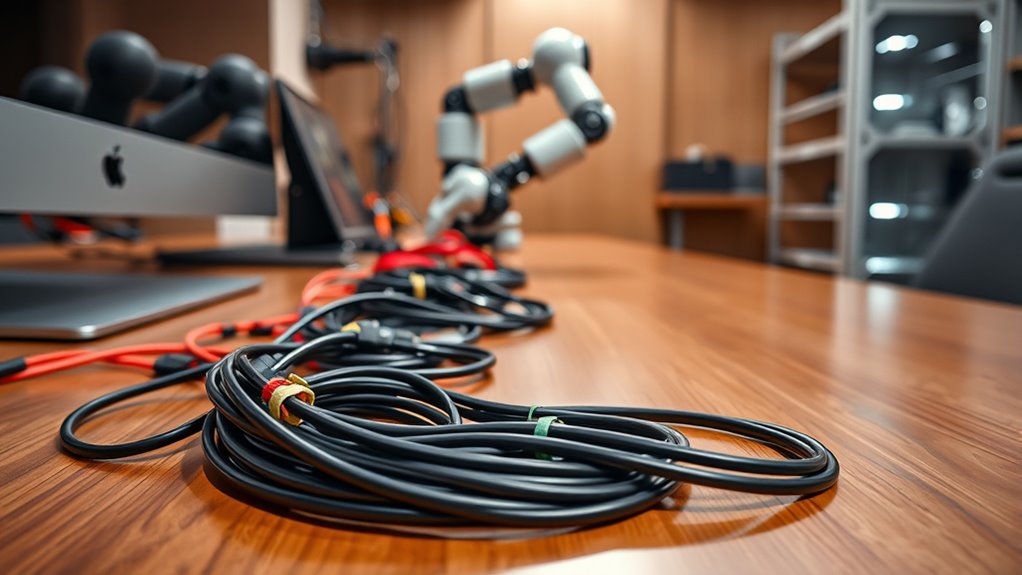

To prevent robot tangles, organize your cords with clips, sleeves, or ties to keep them neat and secure. Plan cable routes ahead of time and avoid crossing paths that can cause knots. Use cable covers on floors and keep cords away from heavy traffic areas to reduce snagging. Regularly inspect cables for damage and replace worn ones. Properly managing cords now helps guarantee smooth robot operation—stick with us to discover more tips for safer, clutter-free setups.
Key Takeaways
- Use cable clips and ties to secure cords and prevent tangling around robotic components.
- Plan cable routes carefully to keep cords organized and avoid crossing or entanglement.
- Bundle cables loosely with Velcro strips to maintain flexibility and reduce knotting risks.
- Keep cables elevated or behind equipment to prevent robots from snagging or pulling them.
- Regularly inspect and replace worn or damaged cables to ensure smooth, tangle-free operation.
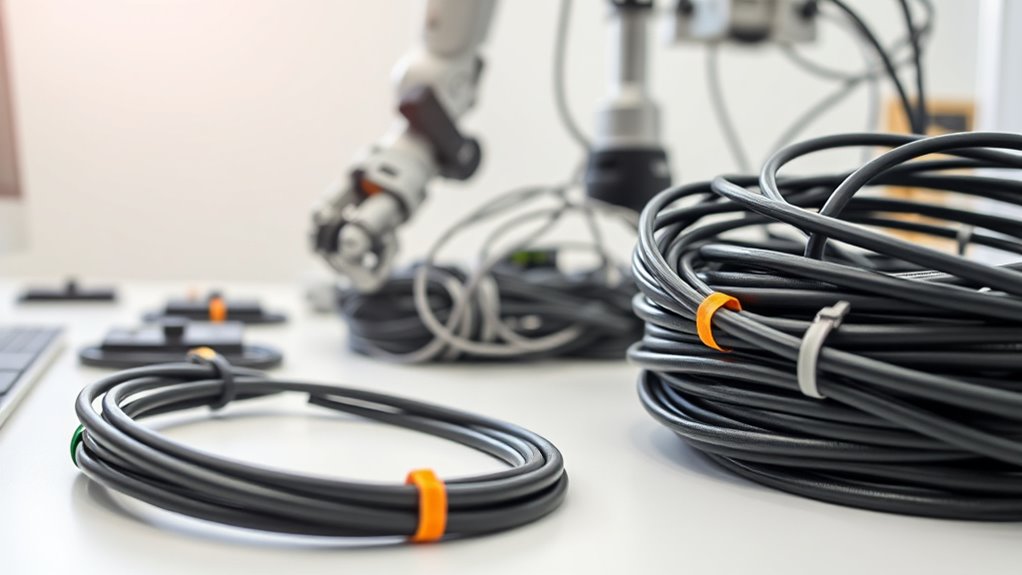
Have tangled cords and cluttered cables ever frustrated you? It’s a common problem that can turn a simple setup into a tangled mess in no time. The key to avoiding this chaos lies in effective wire management. When you organize your cords properly, not only do you create a cleaner, more streamlined space, but you also reduce the risk of accidents. Proper wire management involves using tools like cable clips, sleeves, and ties to keep cords neat and separated. It’s important to plan your setup beforehand, imagining where each cable should run and how it can be secured to prevent slipping or dangling. This way, you’re less likely to trip over loose cords or accidentally pull devices off shelves. Additionally, considering safety precautions during wire management is essential. Make certain that power strips are not overloaded and that cords aren’t stretched across walkways where they could cause someone to trip. Avoid running cords behind furniture or appliances where they could become pinched or damaged. Use cable covers or conduits to shield cords that need to run across the floor, providing extra protection and reducing tripping hazards. When plugging in devices, make sure cords are not tightly stretched or bent at sharp angles, which can damage the wires over time. Regularly inspecting your cables for signs of wear and replacing frayed or damaged cords is also a vital safety precaution. Labeling your cables can help you identify and troubleshoot issues quickly, saving you time and effort while maintaining safety. When organizing your workspace, keep power cords away from heat sources, such as radiators or direct sunlight, because heat can degrade insulation and increase the risk of shorts or fire. When possible, opt for wireless devices to reduce the number of cords cluttering your area altogether. If you must use multiple cords, bundle them together with Velcro strips or cable ties, but avoid overly tight bundling that can damage the wires inside. Always unplug devices by pulling on the plug, not the cable, to prevent stress on the connection. Remember, good wire management isn’t just about aesthetics; it’s about creating a safe environment for everyone. By paying attention to these safety precautions and maintaining a tidy, organized setup, you’ll avoid the frustration of robot tangles and keep your space safe and efficient. Properly managed cords make your workspace more functional, safer, and more enjoyable to use every day. Additionally, understanding air quality can help you identify if your workspace might be contributing to any health issues related to poor ventilation or pollutants.

XHF 120 PCS Adhesive Cable Wire Clips Black, Outdoor Christmas Light Clips, Cable Management Wire Organizer Cord Holder for Under Desk, Car, Wall, TV PC Ethernet Cable
High quality material:XHF Adhesive Cable Clips are manufactured from Strong Adhesive and PA66 nylon
As an affiliate, we earn on qualifying purchases.
As an affiliate, we earn on qualifying purchases.
Frequently Asked Questions
What Are the Best Materials for Cable Organizers?
You should choose cable organizers made from durable materials like silicone, nylon, or plastic, as they offer excellent cable material resilience. Look for eco-friendly cable options such as biodegradable or recycled plastic to reduce environmental impact. Silicone and nylon are flexible and long-lasting, making them ideal for keeping your cables tangle-free. Prioritize these materials to guarantee your cable management solution is both effective and eco-conscious.
How Often Should I Check for Cable Wear and Tear?
Checking your cables is as essential as a daily health check-up. You should inspect them at least once a month, especially if they’re in frequent use or exposed to stress. Look for wear indicators like frayed insulation or exposed wires. Regular inspections help catch issues early, preventing failures that could cause tangles or damage. An active inspection schedule keeps your cables safe and your robot running smoothly.
Can Specific Lighting Affect Cable Longevity?
Yes, specific lighting impact can affect cable longevity. Bright, direct sunlight or intense artificial lighting can cause the cable’s insulation to degrade faster over time. To extend your cable lifespan, keep cables away from such lighting sources and store them in shaded, cool areas. Proper lighting conditions help prevent premature wear, ensuring your cables stay functional longer and reducing the need for frequent replacements.
Are There Eco-Friendly Cable Management Options?
Yes, there are eco-friendly cable management options available. You can choose biodegradable materials that break down naturally and reduce environmental impact. Recycled cable ties are another smart solution, repurposing materials and minimizing waste. By opting for these sustainable solutions, you actively support environmental conservation while keeping your cables organized. This simple switch transforms your workspace into a cleaner, greener, and more responsible environment.
How Do I Prevent Pets From Chewing on Cables?
To prevent pets from chewing on cables, use pet-proofing tips like hiding cables with cable hiding solutions such as conduit or furniture. Keep cords out of reach and use bitter-tasting sprays to deter chewing. You can also provide your pet with plenty of toys and distractions to reduce their interest in cords. Regularly supervise your pet around cables, and consider cord covers for added protection and peace of mind.
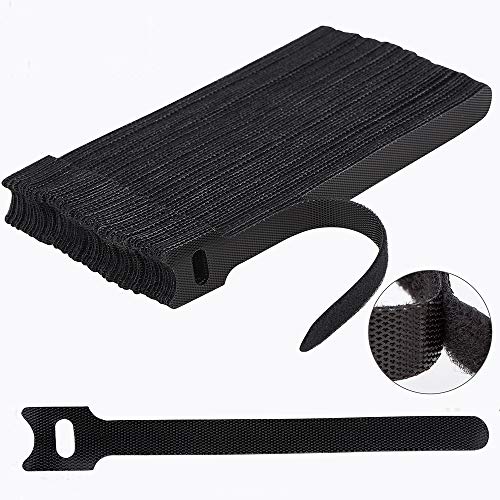
Nettbe 60 PCS 6 Inches Reusable Cable Ties, Adjustable Cord Straps Wire Organizer Cord Wrap and Hook Loop Cable Management
Reusable cable ties are made from premium nylon adhesive materials can be environmentally used multiple times
As an affiliate, we earn on qualifying purchases.
As an affiliate, we earn on qualifying purchases.
Conclusion
By mastering cord management, you can turn your workspace into a chaos-free zone so sleek, even a robot would envy it! Say goodbye to endless tangles, frantic untangling sessions, and sudden disconnections. With just a little effort, you’ll create a cable fortress so organized, it’ll make a robot’s circuits spin with admiration. Don’t let messy cords turn your tech setup into a tangled nightmare—take control now and become the ultimate cable commander!

D-Line 6ft Floor Cord Cover, Cable Channel, Protect Cords, Prevent Trips – 0.63" W x 0.31" H – Gray
High-Quality Floor Cable Protectors, made from flexible pvc, supplied coiled – uncoils to lay flat (no need to…
As an affiliate, we earn on qualifying purchases.
As an affiliate, we earn on qualifying purchases.
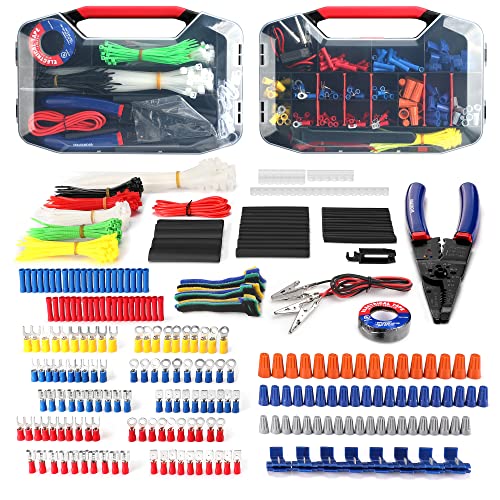
WORKPRO 582-piece Crimp Terminals, Wire Connectors, Heat Shrink Tube, Electrical Repair Kit with Wire Cutter Stripper
Assorted 582 electrical wire terminals and other accessories with transparent box for easy access
As an affiliate, we earn on qualifying purchases.
As an affiliate, we earn on qualifying purchases.