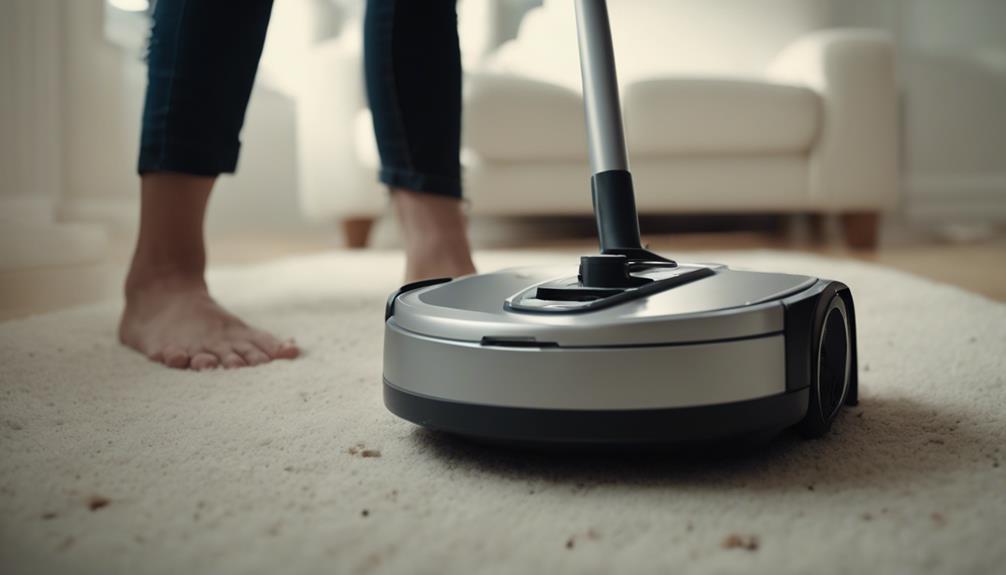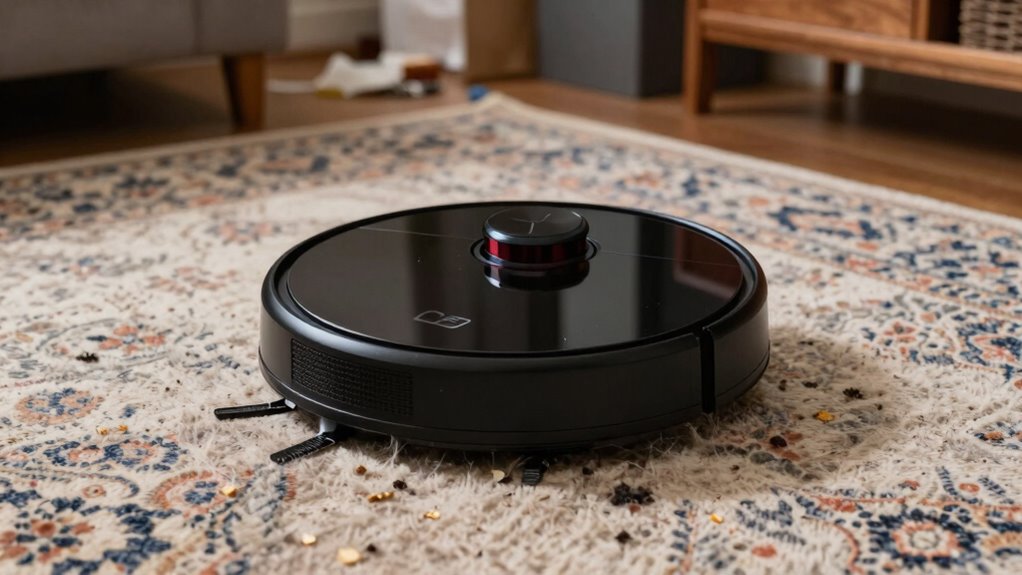

A single robot vacuum schedule often falls short because limited battery life means it can’t finish cleaning a large house in one go, especially with obstacles and multiple rooms. Sensor inaccuracies and navigation issues cause missed spots or repeated cleaning, reducing efficiency. Over time, battery performance drops, further preventing complete coverage. Understanding these hardware limitations helps set realistic expectations. If you want to know how to improve your robot’s performance, keep exploring the details below.

Get cleaning gear delivered free — and shop member deals
- Fast, free delivery on millions of items
- Access to Prime Big Deal Days deals on October 6–7
- Prime Video, Amazon Music and more included
Key Takeaways
- Limited battery capacity often causes incomplete cleaning before needing a recharge.
- Sensor inaccuracies can lead to missed spots or navigation errors, reducing coverage.
- Larger or cluttered homes may exceed the vacuum’s cleaning or navigation capabilities.
- Recharging interruptions disrupt scheduled routines and can leave areas uncleaned.
- Hardware limitations, like battery life and sensor precision, restrict the vacuum’s ability to cover the whole house consistently.
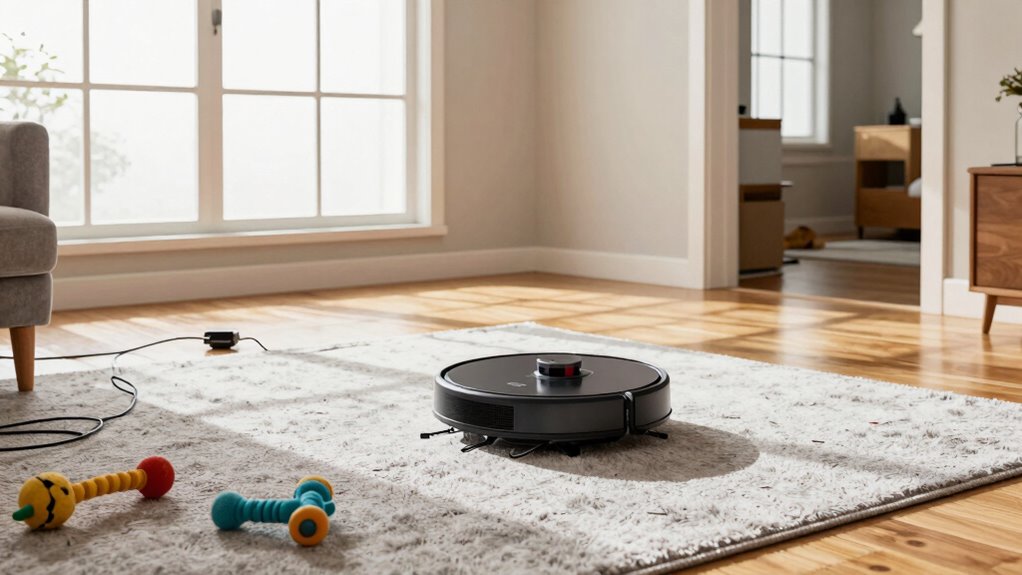
Robot vacuums have become a popular convenience, but many users find that their schedules often fail to keep the entire house clean. One of the main reasons is that these devices can’t always operate efficiently throughout the day, especially when it comes to covering the whole house in a single session. Understanding why requires looking at two essential factors: battery life and sensor accuracy. These elements directly impact how well your robot vacuum can stick to its schedule and clean every corner of your home.
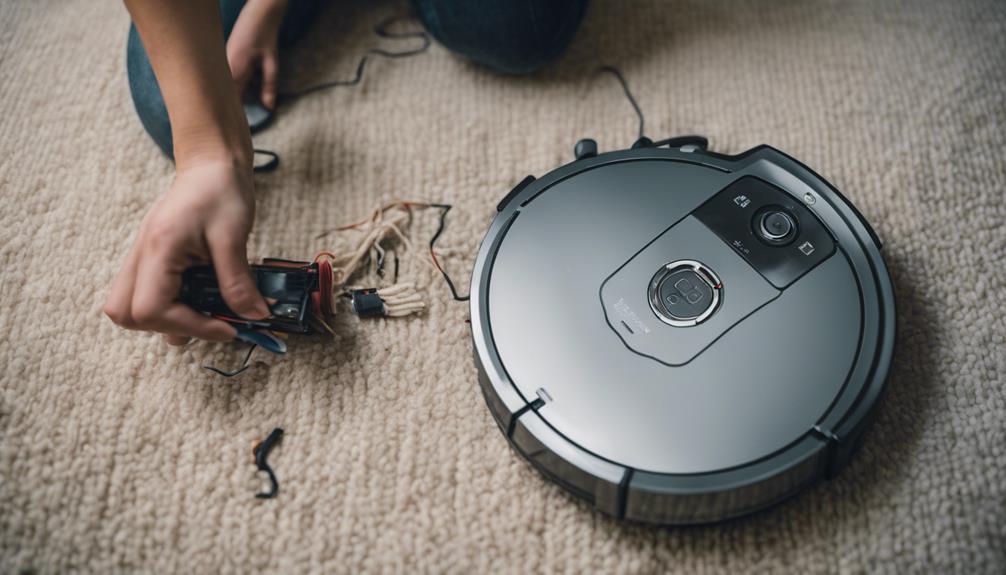
First, battery life is a significant limitation. Most robot vacuums are designed with a fixed battery capacity, which determines how long they can run before needing a recharge. When the vacuum’s battery runs low mid-clean, it typically pauses, finds its charging dock, recharges, and then resumes cleaning. This interruption can throw off your scheduled cleaning, leaving areas uncleaned or requiring manual intervention. If your house is large or has many obstacles, the vacuum might exhaust its battery before completing the task, forcing you to manually start another session. This can further complicate maintaining a consistent cleaning routine. This disruption not only affects the schedule but can also impact the overall efficiency of the cleaning process. Additionally, battery capacity plays a crucial role in how much area the vacuum can cover on a single charge. The battery life of your vacuum may also diminish over time, further reducing its cleaning capability. Regularly monitoring battery health can help you anticipate when it’s time for a replacement or maintenance to keep it performing optimally. This disrupts the smooth, automated cleaning schedule you want to maintain.
Limited battery life can interrupt cleaning, especially in large or obstacle-rich homes, disrupting your schedule and leaving areas uncleaned.
Sensor accuracy is another pivotal factor. Modern robot vacuums rely heavily on sensors to navigate your home, avoid obstacles, and map out cleaning paths. If these sensors aren’t precise, the vacuum might miss spots or get stuck, especially in cluttered or complex environments. Inaccurate sensors can cause the robot to repeatedly clean the same areas or skip sections altogether, making it seem like the schedule isn’t effective. Additionally, poor sensor detection may lead to frequent stops or delays, which can extend cleaning times beyond your planned schedule or cause the vacuum to return to the dock prematurely.
Both battery life and sensor accuracy are interconnected issues that limit a robot vacuum’s ability to follow a set schedule perfectly. Even if your robot starts cleaning on time, it might not finish the entire house because of limited power or navigation errors. To improve outcomes, you should consider models with longer battery life and advanced sensors, or optimize your home’s layout to reduce obstacles and improve navigation. Regularly cleaning sensors and ensuring the vacuum is well-maintained can also help enhance performance. Proper maintenance of your vacuum is crucial for maximizing its capabilities and ensuring consistent cleaning results.
In the end, while robot vacuums are great for daily maintenance, they aren’t foolproof. Their effectiveness depends heavily on hardware features like battery capacity and sensor quality. Recognizing these limitations helps you set realistic expectations and adjust your cleaning schedules accordingly, ensuring your home stays as clean as possible with minimal fuss. Proper planning and understanding these hardware limitations can significantly improve your overall cleaning experience.
Frequently Asked Questions
How Often Should I Manually Clean My Robot Vacuum?
You should manually clean your robot vacuum weekly to keep it running smoothly. During this, check the dust compartment and empty it to prevent clogs, and clean the filters to maintain suction power. Also, inspect the battery contacts for dust or debris to guarantee proper battery maintenance. Regular cleaning helps your vacuum perform better, lasts longer, and reduces the chances of breakdowns, keeping your floors spotless effortlessly.
Can Multiple Robot Vacuums Work Together in One House?
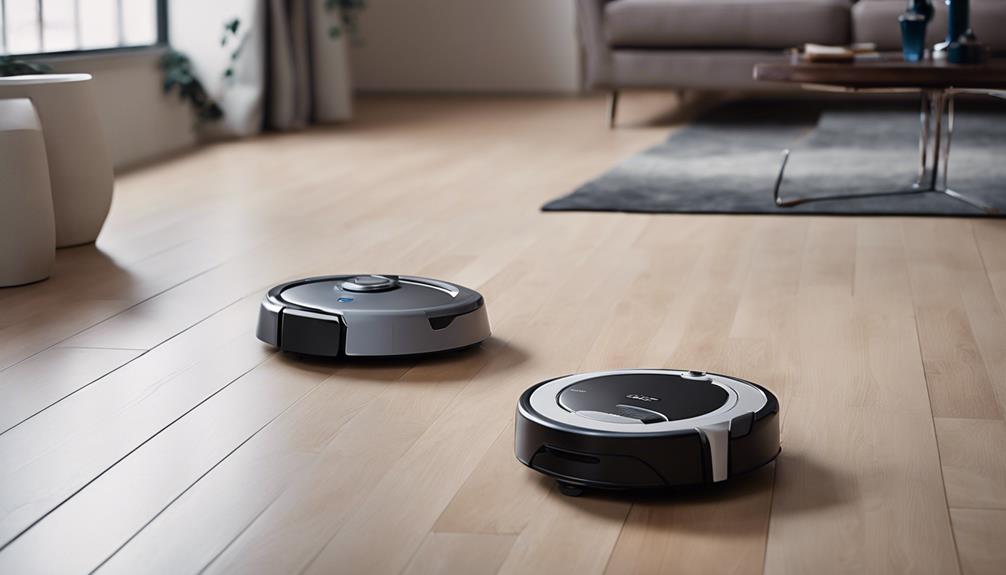
Yes, multiple robot vacuums can work together in your house. With multi vacuum coordination, they cover different areas efficiently without overlapping. Battery sharing technology helps extend their runtime, ensuring continuous cleaning. However, you’ll need to set up a smart system or app to manage their schedules and zones. This way, your home gets thorough cleaning, and you avoid common issues like bumping into each other or missing spots.
What Are the Best Scheduling Tips for Irregular House Layouts?
To tackle layout challenges, create tailored scheduling strategies for each area, considering room size and foot traffic. Use zone-specific timers so your robot vacuums clean high-traffic zones more frequently. Map out obstacles and avoid overlapping schedules, ensuring efficient coverage. Regularly update your cleaning plan as your house layout changes. This approach helps your robot vacuums adapt to irregular layouts, maintaining cleanliness without unnecessary overlaps or missed spots.
Do Robot Vacuums Work Effectively on All Floor Types?
Robot vacuums work effectively on many floor types, but you should consider floor changes and power management. They handle hard floors like tile and hardwood well, but on thick carpets, their suction can drop. When moving between different surfaces, check if your vacuum adjusts automatically or needs manual settings. Proper power management guarantees the vacuum can clean larger areas without losing strength, especially on varied floor types around your house.
How Do I Troubleshoot Connectivity Issues With My Robot Vacuum?
Imagine you’re a tech-savvy detective, ready to solve your robot vacuum’s connectivity mystery. First, try remote troubleshooting by restarting your device and Wi-Fi router. Make sure your vacuum’s firmware is up-to-date—outdated firmware can cause connection hiccups. Move your vacuum closer to the router, remove any interference, and re-pair it if needed. These simple steps often restore a strong connection, ensuring your vacuum cleans seamlessly.
Conclusion
Think of your robot vacuum like a faithful garden hose—great for watering specific spots, but tricky to cover every corner of a sprawling yard effortlessly. When you rely on a single schedule for your entire house, it’s like trying to water everything with one quick spray. To keep your home truly clean, you’ll need to customize and tweak your routine, giving each room its own attention. That way, your vacuum can truly do its job without losing its way.
Fall Picks
fall essentials
As an affiliate, we earn on qualifying purchases.