Overfilling your dust bin or bag reduces your vacuum’s suction power and airflow, making cleaning less effective. It overworks the motor, increasing the risk of overheating and damage, and can cause clogs that hinder airflow even more. Filling it too much also risks dirt spilling out during disposal, releasing allergens and dirt into your space. To keep your vacuum running smoothly and efficiently, pay attention to its capacity—more details await if you continue.
Key Takeaways
- Overfilling reduces suction power and airflow, decreasing cleaning efficiency.
- It causes motor strain and overheating, risking damage and reducing vacuum lifespan.
- Full bags or bins can spill dirt during removal, releasing dust and allergens into the environment.
- Overfilled dust containers increase wear and tear, leading to costly repairs over time.
- Regularly emptying the dust bin prevents clogs, maintains consistent suction, and extends the vacuum’s operational life.
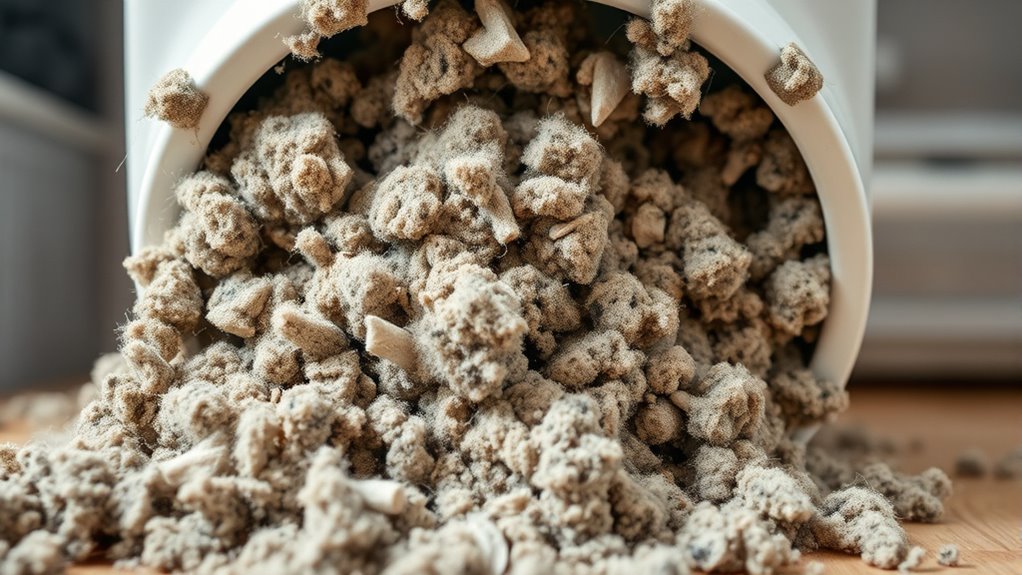
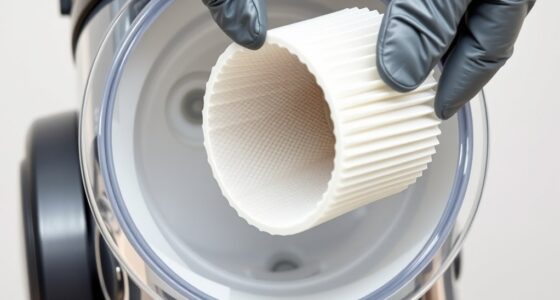
Overfilling your dust bin or bag might seem harmless, but it can cause several problems with your vacuum cleaner’s performance. When you ignore the dust bin capacity or delay bag replacement, you risk reducing suction power and overworking your machine. A full dust bin or a neglected bag restricts airflow, making it harder for your vacuum to pick up dirt effectively. This not only decreases cleaning efficiency but also puts undue strain on the motor, which can lead to overheating and, eventually, damage. Keeping the dust bin or bag within recommended limits is essential to maintain peak performance and prolong the lifespan of your vacuum.
Overfilling your dust bin or bag harms vacuum performance and shortens its lifespan.
You might think that waiting until the dust bin or bag is completely full saves you time and effort, but this approach can backfire. Overfilling causes particles to settle and compact, making it harder for your vacuum to draw in air. As a result, your machine has to work harder to achieve the same cleaning results, which increases wear and tear. Monitoring the dust bin capacity and emptying it frequently ensures consistent suction and prevents clogging. Similarly, adhering to the recommended bag replacement frequency keeps airflow unobstructed, preventing dirt and debris buildup that can compromise the vacuum’s efficiency. Additionally, understanding the dust collection system can help you optimize maintenance routines.
Failing to heed dust bin capacity guidelines can lead to dirt escaping back into the environment. When the bin is too full, particles can spill out during use or when you remove it for cleaning. This not only makes a mess but also exposes you to dust and allergens that could affect your health. Regularly emptying the dust bin and replacing the bag before it’s too full minimizes this risk. It also means you won’t have to force the vacuum to work harder, which can save energy and reduce the chance of motor burnout.
Lastly, neglecting proper maintenance by overfilling can shorten your vacuum’s lifespan. A vacuum that constantly works against a full bin or clogged bag is under unnecessary stress. Over time, this can lead to motor failure or other mechanical issues that require costly repairs or replacements. By paying attention to dust bin capacity and sticking to a regular schedule for bag replacement, you help your vacuum operate smoothly and efficiently. This simple act of maintenance ensures you get the most out of your device, keeps your home clean, and avoids unexpected breakdowns.

Eureka WhirlWind Bagless Canister 2.5L Vacuum Cleaner, Lightweight Vac for Carpets and Hard Floors, NEN110A, Blue
Innovative Multi-Surface Vacuum: Deep clean with EUREKA whirlwind canister vacuum. Which features an integrated airflow control on the…
As an affiliate, we earn on qualifying purchases.
As an affiliate, we earn on qualifying purchases.
Frequently Asked Questions
Can Overfilling Cause Damage to My Vacuum Cleaner?
Yes, overfilling your dust bin can cause vacuum damage. When you ignore the dust bin capacity, debris can clog filters and motors, straining your vacuum’s components. This added stress may lead to motor burnout or reduced suction. To prevent this, always empty the dust bin before it reaches maximum capacity. Regularly maintaining your vacuum guarantees it runs efficiently and lasts longer without risking damage from overfilling.
How Often Should I Empty My Dust Bin or Bag?
You should empty your dust bin or bag when it’s about 2/3 full to maintain ideal vacuum performance. This helps extend the dust bin lifespan and prevents clogs. For dust disposal tips, always use a trash bag or container that seals well to keep dust contained. Regular emptying ensures your vacuum runs efficiently, avoids damage, and keeps your home cleaner. Make it a habit to check and empty after each big cleaning session.
Does Overfilling Impact Vacuum Suction Power?
Overfilling your dust bin is like trying to stuff a suitcase beyond its capacity — it blocks the vacuum’s flow, causing suction loss. When the dust bin capacity is exceeded, your vacuum struggles to draw in debris efficiently, reducing cleaning power. Keep the bin properly emptied to maintain peak suction, ensuring your vacuum works like a well-oiled machine rather than a clogged pipe.
Are There Specific Signs Indicating My Dust Bin Is Overfilled?
You’ll notice a dust bin warning or a full bag fullness indicator when your dust bin is overfilled. These signals alert you that it’s time to empty the bin or change the bag. If ignored, suction power drops and your vacuum may struggle to pick up debris. Regularly check these indicators to maintain peak performance and prevent damage to your vacuum’s motor.
What Are the Best Practices for Maintaining My Vacuum’s Efficiency?
Think of your vacuum as a finely tuned orchestra—each part playing in harmony. To keep it performing at its best, you should regularly check and empty the dust bin or bag before it overflows. Proper vacuum maintenance involves cleaning filters and ensuring unobstructed dust collection. This prevents loss of suction and prolongs your vacuum’s life, ensuring it continues to pick up dirt efficiently without the chaos of overfilled bins disrupting its rhythm.
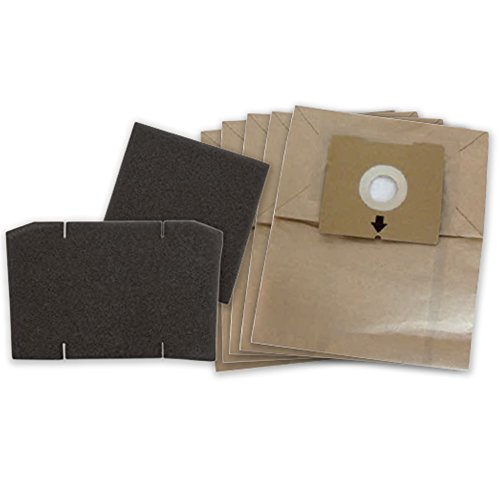
Bissell 2242 Zing Bagged Accessory Kit Replacement Bags & Filters
Works with the 2154 series of Bissell zing bagged products
As an affiliate, we earn on qualifying purchases.
As an affiliate, we earn on qualifying purchases.
Conclusion
Overfilling your dust bin or bag might seem like a good idea to save trips, but it’s like trying to stuff a whale into a shoebox — it just doesn’t work. It can clog your vacuum, reduce suction, and even cause damage. Keep it under control, empty it regularly, and your vacuum will thank you with a long, happy life. Don’t turn your cleaning routine into a circus act — keep it simple and smart!
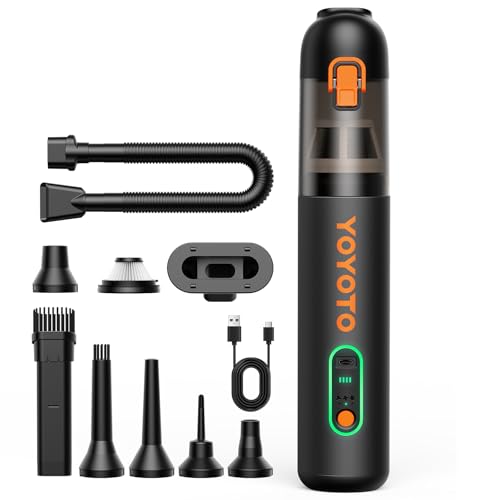
yoyoto Car Vacuum, Handheld Vacuum Cordless with 21000Pa Powerful Suction & 3 Modes, 4-in-1 Portable Hand Held Mini Vacuum Cleaner Rechargeable, Ultra Light for Car Home Office (Black)
【21KPA Powerful Suction in a Tiny Beast!】Struggling with car corner cleaning? YOYOTO handheld car vacuum will get the…
As an affiliate, we earn on qualifying purchases.
As an affiliate, we earn on qualifying purchases.

Compressed Air Duster, 2-in-1 Air Duster & Vacuum with 320000RPM Brushless Motor, Electric Air Duster Rechargeable, 3-Gear Adjustable Air Blower for Keyboard, Computer, Car, Home, Outdoor Cleaning
Powerful 2-in-1 Air Duster & Vacuum: Equipped with a high-performance 320,000 RPM brushless motor for strong airflow and…
As an affiliate, we earn on qualifying purchases.
As an affiliate, we earn on qualifying purchases.