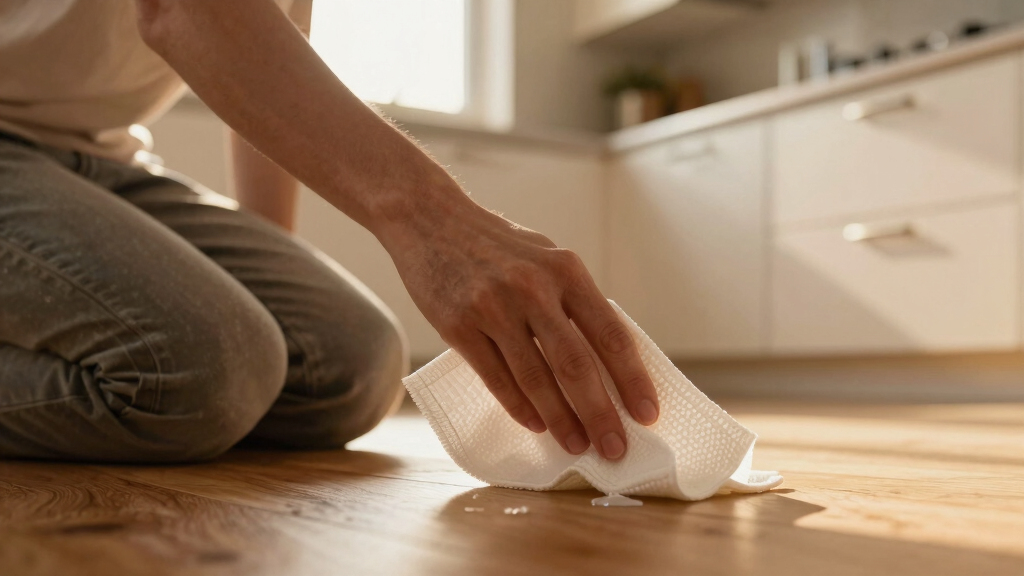

The best reusable paper towels balance absorbency, easy washing, and a format that stays within reach. I rank Eulnars Swedish Dishcloths as best overall because the eight-cloth set combines absorbent cellulose, dishwasher-safe care, storage clips, and an odor-conscious design. Redbaker’s 50-piece cotton set is the value choice for households that want a large rotation, while Mioeco’s organic-cotton towels are my premium pick for buyers focused on fiber choice. The main decision is between fast-drying Swedish cloths, soft washable cotton squares, and roll-style sets that resemble conventional paper towels but create more laundry. Continue reading for the full breakdown, selection criteria, buying advice, and buyer-specific recommendations.

Get cleaning gear delivered free with Prime
- Fast, free delivery on millions of items
- Prime Video, Amazon Music and more included
- Member-only deals all year
Complete the kit


Key Takeaways
- Eulnars ranks first because its dishwasher-safe Swedish cloths and included clips address cleaning, drying, and storage in one eight-piece set.
- Redbaker offers the strongest quantity value: its 50 cotton towels provide a much larger rotation than the 20- and 25-piece alternatives.
- Mioeco is the premium fiber pick, but its organic-cotton focus carries more weight for material-conscious buyers than for shoppers seeking roll-style convenience.
- Roll formats trade familiarity for upkeep; Paperless Towels, Fantasticlean, and Redbaker resemble disposable rolls, but loose cloths are easier to sort and store after washing.
- Cellulose and cotton serve different routines: Swedish cloths suit wet wiping and quick drying, while the larger cotton packs are better for spills, repeated daily swaps, and batch laundering.
| Eulnars Swedish Dishcloths, 8 Pack |  | Best Overall | Material: 70% cellulose, 30% cotton | Size: 7.8 x 6.8 inches | Quantity: 8 cloths | VIEW LATEST PRICE | See Our Full Breakdown |
| 25 Pack Reusable Cotton Towels |  | Best Value | Material: 100% cotton flannel | Width: 10.6 inches | Length: 10.6 inches | VIEW LATEST PRICE | See Our Full Breakdown |
| Paperless Towels Roll, 25 Pack |  | Best Roll-Style Set | Material: 100% cotton flannel | Width: 10 inches | Length: 10 inches | VIEW LATEST PRICE | See Our Full Breakdown |
| Mioeco Reusable Kitchen Paper Towels, 20 Pack |  | Best Organic Cotton | Brand: mioeco | Material: Organic cotton | Quantity: 20 towels | VIEW LATEST PRICE | See Our Full Breakdown |
| Swedish Dishcloths for Kitchen, 5 Pack |  | Best Starter Set | Material: 70% cellulose, 30% cotton | Width: 7.8 inches | Height: 6.8 inches | VIEW LATEST PRICE | See Our Full Breakdown |
| Reusable Paper Towels – 12 Sheets |  | Best Compostable Pick | Quantity: 12 sheets | Primary Material: Cellulose | Material Blend: 70% cellulose, 30% cotton | VIEW LATEST PRICE | See Our Full Breakdown |
| 36 Pack Reusable Cotton Kitchen Dish Towels – Wildflowers |  | Best Budget Bulk Set | Quantity: 36 pieces | Material: Cotton | Dimensions: 9.84 x 11.81 in | VIEW LATEST PRICE | See Our Full Breakdown |
| Fantasticlean Kitchen Towels – 40 Sheets |  | Best for Streak-Free Cleaning | Sheet Count: 40 per roll | Sheet Size: 10 x 10 in | Material: 87% polyester, 13% polyamide | VIEW LATEST PRICE | See Our Full Breakdown |
| IANFEPH 36 Pcs Reusable Cotton Kitchen Towels |  | Best Decorative Pick | Quantity: 36 pieces | Material: Flannel cotton | Dimensions: 9.8 x 11.8 in | VIEW LATEST PRICE | See Our Full Breakdown |
| Redbaker 50 Pcs Reusable Cotton Towels with Roll |  | Best High-Capacity Roll | Quantity: 50 pieces | Material: Cotton | Design: Stripe pattern | VIEW LATEST PRICE | See Our Full Breakdown |
| Reusable Paper Towels, 24-Pack |  | Best Color-Coded Set | Material: 100% cotton | Quantity: 24 towels | Color Count: 8 colors | VIEW LATEST PRICE | See Our Full Breakdown |
| reusable paper towel | Material | Quantity |
|---|---|---|
| Eulnars Swedish Dishcloths | 70% cellulose, 30% cotton | 8 cloths |
| 25 Pack Reusable Cotton Towels | 100% cotton flannel | 25 towels |
| Paperless Towels Roll | 100% cotton flannel | 25 towels |
| Mioeco Reusable Kitchen Paper | Organic cotton | 20 towels |
| Swedish Dishcloths for Kitchen | 70% cellulose, 30% cotton | 5 cloths |
| Reusable Paper Towels | — | 12 sheets |
| 36 Pack Reusable Cotton Kitche | Cotton | 36 pieces |
| Fantasticlean Kitchen Towels | 87% polyester, 13% polyamide | — |
| IANFEPH 36 Pcs Reusable Cotton | Flannel cotton | 36 pieces |
| Redbaker 50 Pcs Reusable Cotto | Cotton | 50 pieces |
| Reusable Paper Towels | 100% cotton | 24 towels |
More Details on Our Top Picks
Eulnars Swedish Dishcloths, 8 Pack
I rank the Eulnars Swedish Dishcloths first because they pair 20-times-weight absorption with a practical eight-cloth supply and three mounting clips. Those clips give damp cloths a dedicated drying spot, which helps address the stale smell that can develop when reusable towels remain bunched beside the sink. Compared with the five-pack Swedish Dishcloths, Eulnars offers more cloths and greater storage flexibility; compared with the 25 Pack Reusable Cotton Towels, these dry faster and handle repeated wipe-downs with less laundry. The smaller 7.8-by-6.8-inch format is less useful for drying large cookware, however, and the soft cellulose blend cannot replace a textured scrubber for baked-on residue. I see this as the most balanced everyday choice, though frequent users will still need a regular washing routine.
Pros:- Absorbs up to 20 times its weight for efficient spill cleanup
- Eight-cloth supply lasts through multiple kitchen tasks
- Included adhesive and magnetic clips create convenient drying stations
- Quick-drying, non-scratch material suits delicate surfaces
Cons:- Compact dimensions provide limited coverage for drying large items
- Needs frequent washing when used for food residue
- Soft construction is ineffective on stubborn, baked-on grime
Best for: Busy households that want fast-drying sink cloths for spills, counters, appliances, and delicate surfaces
Not ideal for: Buyers who mainly dry large cookware or scrub hardened food, since the compact, non-scratch cloths lack coverage and abrasive power
- Material:70% cellulose, 30% cotton
- Size:7.8 x 6.8 inches
- Quantity:8 cloths
- Adhesive Clips:2
- Magnetic Clips:1
- Reuse Rating:Up to 200 uses
- Absorption:Up to 20 times its weight
- Surface Compatibility:Non-scratch
Our verdict“This is my pick for households seeking the strongest balance of absorbency, drying speed, supply size, and convenient storage.”
25 Pack Reusable Cotton Towels
The 25 Pack Reusable Cotton Towels offers the most practical quantity for buyers who want separate cloths for spills, food preparation, and general cleaning without running a daily wash. I prefer this set as the value-focused choice because its 10.6-inch squares provide more coverage than the Eulnars Swedish Dishcloths, while overlock stitching helps the edges withstand repeated laundering. Cotton flannel also feels more like a conventional paper towel than cellulose cloths do. There is a break-in period: the towels arrive unwashed, may absorb less at first, and can shrink after laundering. They also create a larger laundry load than quick-rinsing Swedish-style options. Compared with the Paperless Towels Roll, this pack lacks a dispenser-style cardboard core, but its straightforward design makes it easier to divide between rooms or store in a drawer.
Pros:- Twenty-five-piece quantity supports a long cleaning rotation
- Large cotton-flannel squares cover more area than Swedish dishcloths
- Overlock-stitched edges improve durability
- Machine-washable care suits regular household use
Cons:- Initial absorbency may be modest because the towels are not pre-washed
- Cotton flannel may shrink after laundering
- Large set produces more laundry than rinse-and-dry cellulose cloths
Best for: Families and meal-prep households that need a large rotation of generously sized cloths at a practical cost
Not ideal for: Buyers who want ready-to-use maximum absorbency or minimal laundry, since the flannel needs an initial wash and may shrink
- Material:100% cotton flannel
- Width:10.6 inches
- Length:10.6 inches
- Quantity:25 towels
- Edge Finish:Overlock stitched
- Wash Care:Machine wash cold
- Drying Care:Tumble dry low
- Ironing Care:Cool iron
Our verdict“I recommend this pack to high-use households that value quantity and familiar cotton texture more than compact storage or instant absorbency.”
Paperless Towels Roll, 25 Pack
I would choose the Paperless Towels Roll for buyers who want reusable cloths to occupy the same familiar spot as a disposable roll. Its included cardboard storage core distinguishes it from the loose 25 Pack Reusable Cotton Towels, while five fruit patterns make individual sheets easy to identify. The 10-inch cotton-flannel squares offer enough area for napkins, hand drying, and moderate spills, and the claimed 10,000-plus uses gives this set the strongest stated longevity in this group. The roll concept has limits: used towels still need a separate hamper, and washed sheets must be returned to the core if buyers want to preserve the dispenser routine. Absorbency may also improve only after repeated washing. Compared with Mioeco, this set favors familiar dispensing and high quantity over certified-material appeal and a plain appearance.
Pros:- Cardboard core supports familiar countertop roll storage
- Twenty-five cotton-flannel sheets provide a useful household rotation
- Claimed lifespan exceeds 10,000 uses
- Five patterns help distinguish towels or cleaning assignments
Cons:- Maintaining the roll format requires reorganizing towels after washing
- Cardboard core is less washable and durable than the cloths
- Maximum absorbency may require a break-in period
Best for: Paper-towel users who want a reusable substitute that can stay on a countertop holder in a familiar roll format
Not ideal for: Minimalists who dislike patterned cloths or buyers unwilling to reassemble clean towels around a cardboard core
- Material:100% cotton flannel
- Width:10 inches
- Length:10 inches
- Quantity:25 towels
- Pattern Collection:Fruit series
- Pattern Count:5
- Stated Reusability:Over 10,000 uses
- Included Storage:Cardboard roll
Our verdict“This is my roll-style pick for buyers who want to change their waste habits without giving up a familiar countertop setup.”
Mioeco Reusable Kitchen Paper Towels, 20 Pack
The Mioeco Reusable Kitchen Paper Towels earns its place through organic cotton construction, making it the clearest fit for buyers who prioritize fiber choice alongside waste reduction. Its 20-cloth quantity is more manageable than the 25 Pack Reusable Cotton Towels yet large enough to rotate between kitchen and bathroom jobs. Compared with the Eulnars Swedish Dishcloths, Mioeco provides a softer, more traditional towel feel and greater versatility for drying hands or wiping broad surfaces; Eulnars remains better for rapid sink-side drying and compact storage. Mioeco’s tradeoff is upkeep. Cotton cloths used heavily for spills can fill a laundry basket quickly, and the set lacks clips, a storage roll, or published dimensions in the supplied data. I rank it below the more fully specified options, but it remains my material-conscious pick for gentle everyday cleanup.
Pros:- Organic cotton construction suits buyers focused on material choice
- Twenty-piece supply supports rotation across several rooms
- Soft surface is gentle enough for routine household wiping
- Machine-washable design allows repeated use
Cons:- Heavy use can create frequent laundry loads
- No holder, clips, or roll storage is included
- Product data does not state dimensions or a reuse rating
Best for: Material-conscious households seeking a sizable supply of soft organic-cotton cloths for kitchen and bathroom cleanup
Not ideal for: Buyers who need known dimensions, included storage, or low-laundry sink cloths that dry rapidly between uses
- Brand:mioeco
- Material:Organic cotton
- Quantity:20 towels
- Form:Kitchen cloth
- Care:Machine washable
- Suitable Areas:Kitchen, bathroom, and general home use
- Surface Feel:Soft and gentle
Our verdict“I recommend Mioeco to buyers who place organic cotton and softness ahead of dispenser convenience or published performance figures.”
Swedish Dishcloths for Kitchen, 5 Pack
This five-pack of Swedish Dishcloths is my starter recommendation for buyers who want to try cellulose-based towels without storing a large stack. The cloths absorb up to 20 times their weight, dry faster than the Mioeco cotton towels, and can go through the dishwasher when a simple rinse is insufficient. Their biodegradable cotton-cellulose blend also gives them an end-of-life advantage over conventional synthetic cleaning cloths. Compared with the eight-pack Eulnars set, however, this option supplies fewer cloths, has a lower stated wash count, and includes no drying clips. That makes Eulnars better for a busy kitchen, while this smaller set suits lighter cleanup or limited storage. The dual-sided construction adds flexibility, though neither side is meant to replace a dedicated abrasive pad. I see it as a low-commitment entry point, not a heavy-duty cleaning system.
Pros:- Compact five-piece set is easy to store
- Absorbs up to 20 times its weight
- Biodegradable cotton-cellulose blend reduces end-of-life waste
- Dishwasher-safe, dual-sided design supports varied light cleaning
Cons:- Five cloths may be insufficient for busy households
- Stated durability is lower than the Eulnars reuse rating
- Limited scrubbing power on hardened residue
Best for: Apartment dwellers, couples, and first-time reusable-towel buyers who want a compact, biodegradable starter supply
Not ideal for: Large households or heavy cooks who need many cloths in rotation and stronger scrubbing performance
- Material:70% cellulose, 30% cotton
- Width:7.8 inches
- Height:6.8 inches
- Quantity:5 cloths
- Durability:Over 100 washes
- Absorption:Up to 20 times its weight
- Care:Dishwasher safe
- Biodegradable:Yes
Our verdict“This is my starter pick for small households seeking compact storage, strong absorption, and biodegradable materials without buying a large set.”
Reusable Paper Towels – 12 Sheets
I rank these cellulose-and-cotton sheets as the best compostable choice because they combine end-of-life practicality with absorbency of up to 16 times their weight. Compared with the synthetic Fantasticlean Kitchen Towels, this 12-sheet set creates a clearer path away from plastic-based microfiber and works well for routine kitchen or bathroom wiping. Each sheet can remain in service for up to a week, so the smaller pack may replace more disposable towels than its count suggests. The tradeoff is a more demanding care routine: every cloth needs rinsing and drying between jobs, and chlorine products can damage it. I would also choose Fantasticlean for streak-free cleaning across a wider mix of surfaces, while this option makes more sense for buyers who place compostability ahead of maximum longevity.
Pros:- Absorbs up to 16 times its weight for efficient spill pickup
- Cellulose-and-cotton construction is compostable
- Each sheet can be reused for up to one week
- Does not leave fibers behind on compatible surfaces
Cons:- Cannot be used with chlorine bleach or chlorine-based cleaners
- Must be rinsed and dried after use
- Less versatile across surface types than the microfiber alternatives
Best for: Low-waste households seeking highly absorbent cloths that can be composted after their useful life
Not ideal for: Homes that clean regularly with chlorine bleach or need cloths suitable for a broad range of specialized surfaces
- Quantity:12 sheets
- Primary Material:Cellulose
- Material Blend:70% cellulose, 30% cotton
- Absorbency:Up to 16 times its weight
- Reuse Period:Up to 1 week per sheet
- Compostable:Yes
- Cleaner Restriction:No chlorine bleach or chlorine products
- Care:Rinse and dry after use
Our verdict“This is my pick for buyers who want strong everyday absorbency and compostable disposal, provided chlorine cleaners are not part of the routine.”
36 Pack Reusable Cotton Kitchen Dish Towels – Wildflowers
For households that run through cleaning cloths quickly, I see this 36-piece cotton set as the strongest budget-minded bulk option. It supplies far more ready-to-use towels than the 12-sheet compostable set, reducing how often a family must stop and wash a small rotation. The 9.84-by-11.81-inch format also provides more coverage than the 10-inch-square Fantasticlean Kitchen Towels. Cotton will appeal to buyers who want to avoid synthetic microfiber, and both hand and machine washing are supported. Yet the product data does not promise lint-free results or fast drying, two areas where Fantasticlean has the clearer advantage. The wildflower designs add personality, but patterns and colors can vary without customization. I rank it here for quantity and fabric preference, not for polished glass cleaning or tidy roll-style dispensing.
Pros:- Large 36-piece supply supports long cleaning rotations
- Soft cotton construction avoids synthetic microfiber
- Machine- and hand-washable for flexible care
- Larger surface area than the 10-inch-square Fantasticlean sheets
Cons:- Lint-free and quick-drying performance are not specified
- Patterns and colors may vary
- Individual designs cannot be customized
Best for: Busy families and frequent cooks who want a large rotation of washable cotton cloths at a value-oriented pack size
Not ideal for: Buyers who need verified lint-free performance, predictable patterns, or quick-drying cloths for constant reuse
- Quantity:36 pieces
- Material:Cotton
- Dimensions:9.84 x 11.81 in
- Design:Wildflowers
- Wash Method:Machine or hand wash
- Reusable:Yes
- Primary Use:Daily kitchen cleaning
Our verdict“I recommend this set to high-volume households that value lots of washable cotton cloths more than verified streak-free performance.”
Fantasticlean Kitchen Towels – 40 Sheets
I give Fantasticlean Kitchen Towels the specialist spot for glass, counters, and other surfaces where residue is easy to see. Their microfiber construction is designed for lint-free, streak-free wiping, a performance claim missing from the 36 Pack Wildflowers cotton towels. Each 10-inch-square sheet absorbs up to seven times its weight and can withstand as many as 50 wash cycles, making the 40-sheet roll a practical bridge for people accustomed to tearing off disposable paper towels. That convenience comes with a material compromise: the polyester-polyamide blend is not compostable and may not suit buyers trying to avoid synthetic fibers. Washing is also needed to restore performance as residue builds up. I place it above decorative cotton choices for cleaning precision, but below natural-fiber options when plastic-free materials drive the purchase.
Pros:- Designed to leave surfaces streak-free and lint-free
- Absorbs up to seven times its weight in water
- Each sheet is washable for up to 50 cycles
- Roll format offers familiar paper-towel-style dispensing
Cons:- Synthetic microfiber is neither cotton nor compostable
- Accumulated residue can reduce absorbency until the cloth is washed
- The 10-inch-square format is smaller than both floral cotton sets
Best for: Households cleaning glass, polished appliances, and countertops that need a large supply of low-lint, streak-free cloths
Not ideal for: Plastic-free households or buyers who prefer compostable natural fibers over synthetic microfiber
- Sheet Count:40 per roll
- Sheet Size:10 x 10 in
- Material:87% polyester, 13% polyamide
- Fabric Weight:300 gsm
- Absorbency:Up to 7 times its weight
- Wash Durability:Up to 50 cycles
- Colors:Beige and moss green
- Dispensing Format:Roll
- Finish:Streak-free and lint-free
Our verdict“This is my choice for buyers who prioritize clean, residue-free surfaces and roll convenience over natural or compostable fibers.”
IANFEPH 36 Pcs Reusable Cotton Kitchen Towels
I reserve the decorative role for the IANFEPH 36-piece set, whose vibrant floral designs can stay visible in a kitchen instead of being hidden with utility rags. The soft flannel cotton works for drying, light cleaning, and routine wiping, while the 9.8-by-11.8-inch size gives each towel useful coverage. Compared with the similarly sized 36 Pack Wildflowers towels, IANFEPH provides a more explicit quick-drying claim and identifies the fabric as flannel cotton, making its intended feel clearer. It is less convincing for demanding messes: heavy-duty cleaning falls outside its strengths, and repeated laundering may bring shrinkage, wrinkling, and faded prints. Redbaker also offers 14 more pieces and a storage roll. I would choose IANFEPH when appearance and everyday versatility matter more than rugged cleaning performance or maximum pack size.
Pros:- Vibrant floral patterns suit visible kitchen storage
- Soft flannel cotton works for drying and light cleaning
- Large 36-piece rotation reduces immediate wash pressure
- Quick-drying design supports repeated everyday use
Cons:- Not intended for heavy-duty cleaning
- Some shrinkage and wrinkling may occur after washing
- Floral designs may fade through repeated wash cycles
Best for: Style-conscious households seeking soft cotton cloths for light wiping, dish drying, and visible kitchen display
Not ideal for: Buyers tackling greasy, abrasive, or heavy-duty messes that demand rugged cloths and stable dimensions
- Quantity:36 pieces
- Material:Flannel cotton
- Dimensions:9.8 x 11.8 in
- Design:Vibrant floral patterns
- Washable:Yes
- Drying:Quick-drying
- Recommended Tasks:Cleaning, drying, and decorative use
- Wash Effects:Possible shrinkage, wrinkling, and fading
Our verdict“I favor this set for buyers who want reusable towels to serve as cheerful kitchen textiles as well as light-duty cleaning cloths.”
Redbaker 50 Pcs Reusable Cotton Towels with Roll
I rank the Redbaker 50-piece set as the best high-capacity roll because it pairs the largest towel count in this batch with familiar countertop dispensing. Compared with the 40-sheet Fantasticlean Kitchen Towels, Redbaker supplies 10 additional cloths and uses cotton rather than synthetic microfiber, a better fit for buyers who prefer natural fabric. Its kitchen, bathroom, and nursery use also makes it easier to divide the pack among several rooms. The roll helps organize clean towels, though winding 50 washed pieces back into place adds work and demands more storage than a flat stack. Fantasticlean remains the stronger choice for verified streak-free cleaning and documented wash-cycle longevity; Redbaker provides no equivalent performance figures. I favor this set when volume, softness, and multiroom flexibility outweigh compact storage or specialized surface care.
Pros:- Largest pack in this batch with 50 reusable towels
- Included roll provides familiar countertop dispensing
- Cotton construction is soft and absorbent
- Suitable for kitchen, bathroom, and nursery tasks
Cons:- Fifty towels and the roll require substantial storage space
- Re-rolling washed towels adds upkeep
- No quantified absorbency or wash-durability rating is supplied
Best for: Large households that want a cotton towel roll with enough pieces to maintain separate kitchen, bathroom, and nursery rotations
Not ideal for: Small kitchens with limited counter storage or buyers who want documented absorbency and wash-cycle ratings
- Quantity:50 pieces
- Material:Cotton
- Design:Stripe pattern
- Storage Format:Included roll
- Washable:Yes
- Primary Locations:Kitchen, bathroom, and nursery
- Reusable:Yes
- Fabric Qualities:Soft and absorbent
Our verdict“This is my high-capacity choice for multiroom households willing to trade storage space and re-rolling effort for a generous cotton supply.”
Reusable Paper Towels, 24-Pack
I rank this 24-pack of reusable paper towels as the best color-coded set because its eight colors make it easier to assign separate cloths to dishes, counters, spills, and bathroom cleaning. The 100% cotton construction offers a softer, more fabric-like feel than Eulnars Swedish Dishcloths, while the included cardboard ring supports familiar roll-style dispensing. Compared with the 25 Pack Reusable Cotton Towels, this set gives up one cloth but provides a clearly stated color assortment that can help prevent cleaning-task mix-ups. The tradeoff is added laundry: all 24 towels need washing and drying, and fabric softener can reduce their useful texture and absorbency. I also see the higher upfront cost as less appealing for occasional users. This pick makes the most sense for busy households that value task-based color separation over maximum pack size.
Pros:- Eight colors support task-based separation around the home
- Soft, absorbent 100% cotton construction
- Pack of 24 provides enough towels for rotation between washes
- Re-rollable cardboard ring allows familiar roll-style storage and dispensing
Cons:- Washing and air or tumble drying add work compared with disposable paper towels
- Fabric softener must be avoided to preserve performance
- Upfront cost is higher than buying a basic roll of single-use towels
Best for: Busy households that want color-coded cotton towels for separating dish, counter, spill, and bathroom cleaning tasks
Not ideal for: Occasional cleaners or households without convenient laundry access, since the towels require regular washing and drying
- Material:100% cotton
- Quantity:24 towels
- Color Count:8 colors
- Care:Washable
- Drying:Air dry or tumble dry
- Fabric Softener:Not recommended
- Dispenser:Re-rollable cardboard ring included
- Size:Not specified; described as suitable for cleaning
Our verdict“Choose this set if color-coded cleaning and soft cotton matter more to you than avoiding laundry or minimizing upfront cost.”
How We Picked
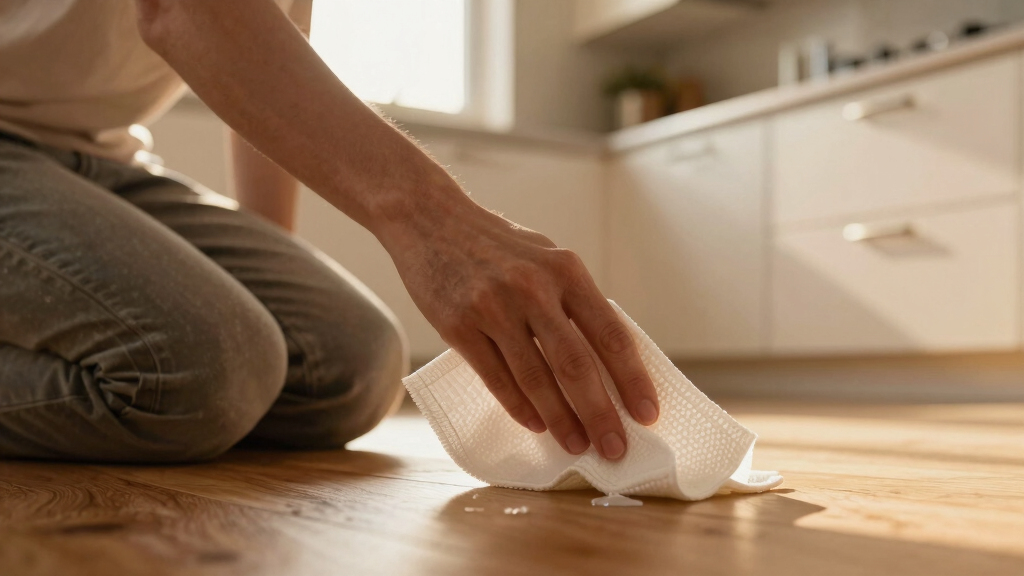
I compared the lineup using material and absorbency potential, washing method, drying practicality, sheet count, dimensions, storage format, and stated end-of-life options. I gave extra weight to features that reduce everyday friction, including dishwasher-safe care, enough pieces for a useful rotation, clips or rolls that keep towels accessible, and sizes suited to common kitchen jobs. Because these reviews are based on disclosed product details rather than hands-on trials, I did not treat broad marketing claims as proof of lasting performance.
The order reflects how well each set works as a repeatable replacement for disposable paper, not quantity alone. Eulnars leads because it presents the most balanced cleaning and care package; Redbaker rises on volume and cost-per-piece potential; and Mioeco earns its premium role through its organic-cotton positioning. Smaller Swedish cloth packs rank as approachable starting points, while decorative, compostable, and roll-based options receive narrower roles. I also marked down sets when storage burden, laundry volume, or limited versatility weakened their appeal for the average household.
Factors to Consider When Choosing Best Reusable Paper Towels
I would start with how the towels will be used, then choose material, quantity, and storage around that routine. A set for wiping counters every evening has different demands from one expected to absorb cooking spills, dry produce, and replace napkins.
Choose Cellulose for Wiping or Cotton for Versatility
Cellulose Swedish cloths absorb wet messes while behaving more like thin sponges than fabric towels. They usually dry with less bulk, making them a strong match for counters, sinks, and stovetops. Cotton feels more familiar and can handle a broader mix of wiping, drying, and table use, but a saturated square may take longer to air-dry. Buyers who dislike damp cloths sitting beside the sink may prefer cellulose and a hanging clip. Households that already run frequent laundry loads can make better use of larger cotton rotations. I would not choose material from sustainability language alone; the cleaning task and drying setup have a larger effect on whether the towels remain in daily use.
Match the Care Method to Your Routine
Washability does not mean identical care across every set. Dishwasher-safe Swedish cloths can fit naturally into a kitchen cleanup cycle, while cotton towels usually belong in a washing machine with similar fabrics. A large pack is helpful only if there is a practical place for used pieces before laundry day. Fabric softener can leave absorbent fibers coated, so I would follow the maker’s directions and use a simple wash routine. Thorough drying matters because odor is often a storage problem, especially when damp towels are stacked or dropped into a closed hamper. Buyers without convenient laundry access should favor fast-drying cloths and a smaller rotation over an oversized cotton bundle.
Decide Whether a Roll Format Helps
Roll-style reusable towels make the switch from disposables feel familiar and keep clean pieces together on a counter. That convenience can fade after washing if every square must be flattened, stacked, or rerolled by hand. A cardboard core also needs protection from sink splashes and may eventually lose its shape. Loose towels stored in a basket require less resetting, though they do not mimic the tear-and-use habit of paper. I see rolls as most useful for households where visibility encourages participation from children, guests, or reluctant converts. For buyers who value quick laundry turnaround, a simple folded stack is usually easier to maintain.
Buy Enough Pieces Without Creating Laundry Clutter
Pack size should follow replacement frequency, not the appeal of the largest number. A five- or eight-piece set can cover light counter wiping when cloths are rinsed and dried between jobs. Busy kitchens may need 20 or more cotton towels so a clean piece is available after raw-food preparation, greasy spills, or floor cleanup. Huge packs reduce the risk of running out but demand drawer space and can hide stained towels at the bottom of a pile. I would estimate daily use, multiply it by the number of days between washes, and add a small reserve. That calculation produces a workable rotation while avoiding unnecessary storage and laundry volume.
Judge Value Across the Full Service Life
Price per towel is only a starting point because a cheap cloth that loses shape or stays unpleasantly damp offers weak long-term value. Material, edge construction, washing instructions, and the availability of a drying spot all influence useful life. Decorative prints may justify a higher price when towels also serve as napkins, but they add little for hidden cleaning jobs. Compostable cloths appeal to buyers who want a clearer disposal path, although local composting rules and mixed materials can affect what happens after use. Premium organic cotton makes sense when fiber sourcing is a purchasing priority, not merely because it carries a higher price. I would pay more for better routine fit and easier care before paying for packaging or an oversized bundle.
Frequently Asked Questions
Should I choose Swedish dishcloths or reusable cotton towels?
I would choose Swedish dishcloths for wet wiping, quick rinsing, and compact sink-side storage. Cotton towels make more sense when one set must absorb spills, dry hands, cover food, and occasionally replace napkins. Cellulose cloths can feel stiff when dry, while cotton retains a more familiar fabric feel. Cotton also creates a larger laundry load and may dry more slowly after heavy use. The better choice depends on whether fast counter cleanup or broad versatility matters more in the household.
Are reusable paper towels on a roll worth buying?
A reusable roll is worthwhile when familiar presentation encourages use and there is enough counter space to keep it visible. It can help a household abandon disposable sheets without changing the reach-and-grab routine. The tradeoff is resetting the roll after laundry, which may become tedious compared with dropping folded towels into a basket. Cardboard cores also need to stay dry, making sink placement less forgiving. I would choose a roll for habit-building and appearance, not because it cleans better than loose squares.
How many reusable paper towels does a household need?
For light wiping, I would start with five to eight fast-drying cloths. A household that cooks daily or washes towels only once a week may need 20 to 30 cotton pieces. Packs of 36 to 50 suit larger families, frequent spills, or buyers who want separate towels for counters, dining, and dirtier jobs. Keeping too few encourages reuse after contamination, while keeping too many can create an unmanaged laundry pile. The right count is daily usage multiplied by days between washes, plus several backup pieces.
Can reusable paper towels stay hygienic without daily machine washing?
They can, provided each towel is matched to a suitable task and rinsed, cleaned, and dried fully after use. A cloth used on crumbs or a clean counter may not need immediate machine washing, while one exposed to raw meat, grease, or a floor should leave the active rotation. Color coding or separate storage can prevent dirty-job towels from returning to food areas. Dishwasher-safe cloths offer another care route when permitted by the manufacturer. I would prioritize complete drying and task separation over stretching a towel through too many unrelated jobs.
Are compostable reusable towels better than washable cotton?
Compostable towels offer a disposal advantage only when their full material composition and local composting route support that claim. Cotton may remain useful through many wash cycles, but laundering consumes water and energy and worn fabric still needs an end-of-life plan. Compostable cellulose cloths can be appealing for buyers who dislike keeping heavily stained textiles for years. They are not automatically the better purchase if they require frequent replacement or end up in general waste. I would choose between them based on expected reuse, washing habits, and actual disposal access.
Conclusion
For the broadest mix of absorbency, manageable care, and useful accessories, my best overall pick is Eulnars Swedish Dishcloths. Buyers focused on quantity should choose the Redbaker 50-piece set for value, while Mioeco’s 20-pack is my premium recommendation for shoppers prioritizing organic cotton. The five-pack Swedish Dishcloths is the easiest starting point for beginners who want to try the format without storing dozens of pieces. For a familiar dispenser, I would pick the Paperless Towels roll; for disposal-minded cleaning, the 12-sheet compostable set has the clearest specific role. Fantasticlean suits high-volume roll users, while the Wildflowers and IANFEPH sets make more sense when decorative cotton towels will remain visible. The final choice should match the household’s cleaning tasks, drying space, and laundry rhythm rather than pack size alone.
Fall Picks
fall essentials
As an affiliate, we earn on qualifying purchases.