

The Plugable USB-C Triple Monitor Docking Station is my best overall pick among the best laptop docking stations because its three-display support, 100W charging, and broad platform compatibility suit more desk setups than most rivals. The Anker Prime DL7400 is the premium choice for demanding Windows workstations, while the Anker 8-in-1 USB-C Hub offers a more approachable mix of dual-display output and everyday ports. The main tradeoffs are between native video and driver-based DisplayLink connections, desktop docks and portable hubs, and affordable pass-through charging versus included high-output power systems. Mac display limits, host-port capabilities, and charger requirements can matter more than the advertised port count. Continue reading for my full breakdown of which dock fits each buyer and where every option falls short.
Complete the kit


Key Takeaways
- Plugable’s 13-in-1 triple-monitor dock ranks first because it combines 100W charging with support for Mac, Windows, and ChromeOS, giving it broader appeal than the Windows-focused multi-display models.
- Anker Prime DL7400 is the strongest premium option, pairing triple 4K 60Hz output with 140W maximum power and active cooling, but its Windows focus and higher complexity make it excessive for basic office use.
- Anker’s smaller 8-in-1 models offer the clearest value: they retain dual HDMI, Ethernet, card access, and up to 85W pass-through charging without charging for rarely used legacy ports.
- The 14-in-1 docks do not automatically rank above simpler models; VGA, extra USB 2.0 connections, or duplicated card slots add flexibility but may provide less practical value than faster USB links and reliable display support.
- Display compatibility separated the lineup more than raw port count: Plugable‘s universal docks favor broad laptop support through drivers, while many USB-C hubs depend on the host laptop’s native video capabilities.
| Plugable Universal Dual HDMI Laptop Docking Station |  | Best for Legacy Laptops | Host Connection: USB 3.0 or USB-C | Video Outputs: 2 HDMI | Maximum Dual-Display Resolution: 1920×1200 at 60Hz | VIEW LATEST PRICE | See Our Full Breakdown |
| Anker Nano 8-in-1 Dual Monitor Laptop Docking Station |  | Best Compact 4K Dock | Port Count: 8 | Video Outputs: 2 HDMI | Maximum Video Output: 2 x 4K at 60Hz | VIEW LATEST PRICE | See Our Full Breakdown |
| 14-in-1 USB-C Dual and Triple Monitor Laptop Docking Station |  | Best Value for Triple Displays | Port Count: 14 | Video Outputs: 2 HDMI, 1 DisplayPort | Display Modes: Single 4K60, dual 4K30, or triple 1080p | VIEW LATEST PRICE | See Our Full Breakdown |
| Selore 14-in-1 Dual Monitor USB-C Docking Station |  | Best for Mixed HDMI and VGA Monitors | Port Count: 14 | Display Outputs: 2 HDMI, 1 VGA | Maximum Video Resolution: 4K | VIEW LATEST PRICE | See Our Full Breakdown |
| Plugable Dual 1080p HDMI Universal Docking Station |  | Best Space-Saving Office Dock | Host Interfaces: USB 3.1 Type-A and USB 3.1 Type-C | Total Connections: 10 | HDMI Ports: 2 | VIEW LATEST PRICE | See Our Full Breakdown |
| Anker 13-in-1 USB-C Laptop Docking Station |  | Best Port Selection | Total ports: 13 | HDMI ports: 2 | DisplayPort: 1 | VIEW LATEST PRICE | See Our Full Breakdown |
| TobenONE 13-in-1 Dual 4K Laptop Docking Station |  | Best for Multi-Device Charging | Total ports: 13 | Display output: Dual 4K@60Hz via HDMI | HDMI ports: 2 | VIEW LATEST PRICE | See Our Full Breakdown |
| Anker Nano 13-in-1 Laptop Docking Station with Detachable Hub |  | Best Dock-and-Travel Hybrid | Configuration: 13-in-1 dock with detachable 6-in-1 hub | Display outputs: 2 HDMI and 1 DisplayPort | Single-display resolution: Up to 4K@60Hz | VIEW LATEST PRICE | See Our Full Breakdown |
| Anker 8-in-1 USB-C Hub |  | Best Compact Pick | Total ports: 8 | Display outputs: Dual 4K HDMI | USB ports: 3 | VIEW LATEST PRICE | See Our Full Breakdown |
| Acer 11-in-1 USB-C Docking Station |  | Best for an 8K Display | Total ports: 11 | Monitor support: Up to 3 | DisplayPort resolution: Up to 8K@30Hz | VIEW LATEST PRICE | See Our Full Breakdown |
| Plugable USB-C Triple Monitor Docking Station |  | Best for Cross-Platform Offices | Total ports: 13 | HDMI ports: 3 | USB-A ports: 4 | VIEW LATEST PRICE | See Our Full Breakdown |
| Dell Pro Dock WD25 | 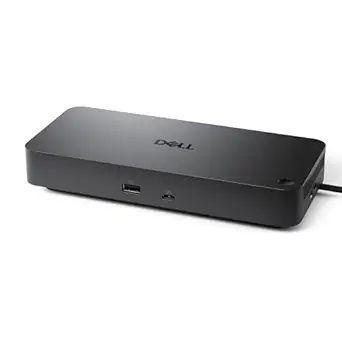 | Best for Four-Display Business Desks | Host connector: USB Type-C with DisplayPort Alt Mode | Display outputs: DisplayPort and HDMI | Maximum displays: Up to 4 high-resolution displays | VIEW LATEST PRICE | See Our Full Breakdown |
| Anker Prime Docking Station DL7400 |  | Best Premium Windows Dock | Total ports: 14 | Total USB ports: 7 | HDMI ports: 2 | VIEW LATEST PRICE | See Our Full Breakdown |
| 8-in-1 USB-C Quad Display Docking Station |  | Best for Legacy Monitors | Total connections: 8-in-1 | Video outputs: 2 HDMI, 1 DisplayPort, and 1 VGA | HDMI and DisplayPort resolution: Up to 4K at 60Hz | VIEW LATEST PRICE | See Our Full Breakdown |
| Acer USB-C 9-in-1 Dual Monitor Docking Station |  | Best Compact Dual-Monitor Hub | Total connections: 9-in-1 | HDMI ports: 2 | Maximum resolution: 4K at 60Hz | VIEW LATEST PRICE | See Our Full Breakdown |
| laptop docking station | Power Delivery |
|---|---|
| Plugable Universal Dual HDMI L | — |
| Anker Nano 8-in-1 Dual Monitor | Up to 85W |
| 14-in-1 USB-C Dual and Triple | Up to 100W |
| Selore 14-in-1 Dual Monitor US | Up to 100W |
| Plugable Dual 1080p HDMI Unive | — |
| Anker 13-in-1 USB-C Laptop Doc | — |
| TobenONE 13-in-1 Dual 4K Lapto | — |
| Anker Nano 13-in-1 Laptop Dock | Up to 100W |
| Anker 8-in-1 USB-C Hub | Up to 85W pass-through |
| Acer 11-in-1 USB-C Docking Sta | 100W input, up to 85W to laptop |
| Plugable USB-C Triple Monitor | — |
| Dell Pro Dock WD25 | Up to 100W |
| Anker Prime Docking Station DL | — |
| 8-in-1 USB-C Quad Display Dock | — |
| Acer USB-C 9-in-1 Dual Monitor | Up to 100W |
More Details on Our Top Picks
Plugable Universal Dual HDMI Laptop Docking Station
I place the Plugable Universal Docking Station here for offices that still mix USB-A laptops with newer USB-C machines. Its DisplayLink-based dual HDMI output gives productivity users two 1920×1200 screens even when a laptop lacks native multi-monitor support. Compared with the Anker Nano Docking Station, it offers broader connection and operating-system compatibility, but gives up 4K video, host charging, and faster 10Gbps transfers. The six USB ports are useful for keyboards, printers, and other office peripherals, though four run at USB 2.0 speeds. A driver is required, and HDCP-protected streaming and gaming are poor matches for this design. I rank it as a practical legacy-system pick, not a forward-looking dock for high-resolution creative work.
Pros:- Works with both USB 3.0 Type-A and USB-C host connections
- Drives two 1920×1200 displays from one laptop connection
- Provides six USB ports plus Gigabit Ethernet and separate audio jacks
- Supports Windows, macOS, and ChromeOS
Cons:- Cannot charge the connected laptop
- Limited to 1920×1200 at 60Hz when running two monitors
- Requires DisplayLink software and does not support gaming or HDCP-protected content
Best for: Offices running a mix of older USB-A and newer USB-C laptops that need two productivity monitors and several low-bandwidth peripherals
Not ideal for: 4K creators, gamers, or single-cable laptop users who need charging and protected video playback
- Host Connection:USB 3.0 or USB-C
- Video Outputs:2 HDMI
- Maximum Dual-Display Resolution:1920×1200 at 60Hz
- Maximum Single-Display Resolution:2560×1440 at 50Hz
- USB Ports:2 USB 3.0, 4 USB 2.0
- Ethernet:Gigabit Ethernet
- Audio:3.5mm headphone and microphone jacks
- Host Charging:Not supported
- Operating Systems:Windows 7–11, macOS 10.14+, ChromeOS 100+
Our verdict“This is my pick for extending the useful life of mixed-generation office laptops, provided 4K video and one-cable charging are not priorities.”
Anker Nano 8-in-1 Dual Monitor Laptop Docking Station
The Anker Nano 8-in-1 earns its place by pairing dual 4K at 60Hz with a small, travel-friendly port selection. That makes text, timelines, and spreadsheets sharper than on either Plugable dual-1080p dock, while 10Gbps USB cuts transfer time for external SSD users. Its 85W laptop charging also reduces cable clutter, though reaching that output requires a separately purchased 100W PD charger. Compared with the 14-in-1 multiport hub, the Anker has fewer peripheral connections and no Ethernet in the listed port set, but it is a cleaner choice for buyers who value portability over maximum expansion. Mac users should skip it if they want two independent extended desktops because macOS is limited to mirrored output. I see this as the best streamlined Windows option, not a universal desk dock.
Pros:- Supports two 4K displays at 60Hz on compatible Windows laptops
- Includes 10Gbps USB-C and USB-A data connections
- Passes through up to 85W for laptop charging
- Provides both SD and microSD card readers
Cons:- macOS can mirror displays but cannot extend across both external monitors
- A charger is not included, and full output calls for a 100W PD unit
- Actual display and charging performance depends on host USB-C capabilities
Best for: Windows laptop owners who travel between desks and want dual 4K displays, fast external storage, card readers, and charging from a compact dock
Not ideal for: Mac users seeking separate extended displays or wired-network users who need built-in Ethernet
- Port Count:8
- Video Outputs:2 HDMI
- Maximum Video Output:2 x 4K at 60Hz
- Data Speed:Up to 10Gbps
- Power Delivery:Up to 85W
- USB Data Ports:1 USB-C, 2 USB-A
- Card Readers:SD and microSD/TF
- Compatibility:Windows 10/11, ChromeOS, USB-C, USB4, Thunderbolt
- Charger Included:No
Our verdict“I recommend this compact dock to Windows users who want dual 4K60 output without carrying a large desktop station.”
14-in-1 USB-C Dual and Triple Monitor Laptop Docking Station
I rank this 14-in-1 USB-C dock as the value-focused route to a three-screen Windows workspace. Two HDMI ports plus DisplayPort provide more display flexibility than the Anker Nano 8-in-1, while Gigabit Ethernet, card readers, audio, and five USB data ports reduce the need for extra adapters. The tradeoff sits behind the headline numbers: only HDMI 1 reaches 4K at 60Hz, dual 4K drops to 30Hz, and a triple-monitor arrangement is capped at 1080p. Compared with the Selore 14-in-1, this model favors DisplayPort over VGA, making it better matched to newer monitors. Its claimed 100W PD input is useful for a one-cable desk, but neither charging adapter nor cable is supplied. I would choose it for broad expansion on a budget, after checking the laptop’s video and PD support.
Pros:- Combines 14 ports for displays, networking, storage cards, audio, and USB peripherals
- Supports dual- and triple-monitor layouts on compatible Windows laptops
- Offers two 10Gbps USB-A ports for fast storage transfers
- Includes Gigabit Ethernet and up to 100W Power Delivery input
Cons:- Triple-display mode is limited to 1080p, while dual 4K runs at 30Hz
- Charging cable and power adapter are sold separately
- Full functionality depends on the host laptop’s USB-C video and charging support
Best for: Windows productivity users with HDMI or DisplayPort monitors who want an affordable triple-screen desk and many peripheral connections
Not ideal for: Buyers expecting triple 4K output or a ready-to-use charging package with power adapter and cable included
- Port Count:14
- Video Outputs:2 HDMI, 1 DisplayPort
- Display Modes:Single 4K60, dual 4K30, or triple 1080p
- Power Delivery:Up to 100W
- Ethernet:1Gbps
- USB Ports:2 USB-A 3.1, 2 USB-A 2.0, 1 USB-C 2.0
- USB-A 3.1 Speed:Up to 10Gbps
- Media and Audio:SD/TF readers and 3.5mm audio/microphone jack
- Host Compatibility:Thunderbolt 3/4 or compatible USB-C with Power Delivery
Our verdict“This is my value pick for Windows users who need three practical work screens and extensive connectivity rather than maximum refresh rates.”
Selore 14-in-1 Dual Monitor USB-C Docking Station
The Selore 14-in-1 has a specific advantage that most newer docks omit: VGA alongside two HDMI outputs. I would pick it for a meeting room, classroom, or office that combines an older projector with modern monitors. Compared with the 14-in-1 USB-C dock featuring DisplayPort, Selore trades that newer connection for legacy-display flexibility while retaining Gigabit Ethernet, six USB ports, card readers, and 100W PD input. Three 10Gbps USB connections also make it better suited to fast drives than the Plugable dual-1080p models. Its limits are tied to the host laptop: USB-C must support DisplayPort Alt Mode or Thunderbolt 3, and Apple M1/M2 systems can only mirror multiple screens. The USB-C and USB-A data ports cannot send video either. This is a specialist compatibility pick, not my default recommendation for Mac desks.
Pros:- Connects HDMI and legacy VGA displays from one dock
- Provides three 10Gbps USB data ports for fast peripherals
- Includes Gigabit Ethernet plus SD and microSD readers
- Accepts up to 100W Power Delivery input
Cons:- M1 and M2 Macs are limited to mirrored multi-display output
- Video requires a host with Thunderbolt 3 or DisplayPort Alt Mode
- USB data ports do not function as additional video outputs
Best for: Windows-based classrooms, conference rooms, and offices that need to connect both current HDMI screens and older VGA displays
Not ideal for: M1 or M2 Mac users who require independently extended external displays, or laptops lacking DisplayPort Alt Mode
- Port Count:14
- Display Outputs:2 HDMI, 1 VGA
- Maximum Video Resolution:4K
- USB Ports:3 USB-A 3.1, 2 USB-A 2.0, 1 USB-C 3.1
- Maximum USB Speed:10Gbps
- Power Delivery:Up to 100W
- Ethernet:1000Mbps
- Card Readers:SD and microSD
- Host Requirement:Thunderbolt 3 or USB-C with DisplayPort Alt Mode
Our verdict“I favor the Selore for Windows environments that still rely on VGA equipment but also need modern USB speeds and laptop charging.”
Plugable Dual 1080p HDMI Universal Docking Station
The Plugable Dual 1080p Universal Dock makes the most sense as a permanent productivity hub on a crowded desk. Its upright enclosure occupies less surface area than flat multiport hubs, while ten total connections cover two HDMI screens, six USB devices, Ethernet, and audio. Compared with the older Plugable Universal Docking Station, the core proposition is similar, but this model’s vertical design gives it a clearer role in fixed office setups. It also accepts both USB-C and USB-A laptops, a flexibility the native USB-C Selore and Anker docks cannot match. The cost of that broad compatibility is dated display performance: two screens stop at 1920×1200, the dock cannot charge a laptop, and DisplayLink software is needed on macOS. HDCP video and DisplayPort monitors are unsupported. I rank it for desk organization and mixed laptop fleets, not media or 4K work.
Pros:- Vertical enclosure reduces the dock’s desk footprint
- Supports two displays up to 1920×1200 from one connection
- Works with USB-C and USB-A laptops across Windows, macOS, and ChromeOS
- Offers six USB ports, Ethernet, and audio connectivity
Cons:- Does not provide power to the host laptop
- Cannot play HDCP-protected video through its display outputs
- Display resolution is limited compared with current 4K USB-C docks
Best for: Home-office and hot-desk users with limited desk space, dual 1080p monitors, and a mix of USB-A and USB-C laptops
Not ideal for: Users who need 4K displays, DisplayPort monitors, laptop charging, gaming, or encrypted streaming services
- Host Interfaces:USB 3.1 Type-A and USB 3.1 Type-C
- Total Connections:10
- HDMI Ports:2
- Maximum Display Resolution:1920×1200 per display
- USB Ports:6
- Networking:Ethernet
- Compatible Systems:Windows 10+, macOS with DisplayLink driver, ChromeOS
- Dimensions:5.31 x 2.76 x 7.48 inches
- Weight:333 grams
Our verdict“This is my choice for a tidy dual-1080p office desk where universal laptop support matters more than charging or high-resolution video.”
Anker 13-in-1 USB-C Laptop Docking Station
I rank the Anker 13-in-1 USB-C Laptop Docking Station as the strongest choice for a peripheral-heavy desk. Compared with the Anker 8-in-1 USB-C Hub, it adds DisplayPort, audio, and more connection flexibility, making it better suited to a permanent workstation than a travel bag. Windows users gain support for up to three monitors, while 85W charging can run many productivity laptops without a separate laptop charger. The drawbacks narrow its audience: macOS and iPadOS show identical external screens rather than an extended desktop, and Linux is unsupported. It also trails the TobenONE 13-in-1 in charging headroom and stated USB speed. I would pick this for Windows desk setups with varied accessories, provided the laptop supports DisplayPort Alt Mode and USB-C Power Delivery.
Pros:- Thirteen ports cover displays, networking, storage cards, audio, and USB peripherals
- Two HDMI outputs plus DisplayPort support flexible Windows monitor layouts
- 85W laptop charging reduces cable clutter
- Works with supported Windows and ChromeOS laptops from multiple brands
Cons:- macOS and iPadOS duplicate external displays because of SST behavior
- Linux is not supported
- Host laptop must support DisplayPort Alt Mode and Power Delivery
Best for: Windows users building a fixed workstation with three displays, wired networking, storage cards, and several USB accessories
Not ideal for: Linux users or Mac owners who need separate content across multiple external monitors
- Total ports:13
- HDMI ports:2
- DisplayPort:1
- Laptop charging:85W USB-C Power Delivery
- USB-A ports:3
- USB-C data port:Yes
- Networking:Ethernet
- Media and audio:SD card slot and 3.5 mm AUX
Our verdict“I recommend this Anker dock for Windows buyers who value broad port coverage more than maximum charging power or Mac display flexibility.”
TobenONE 13-in-1 Dual 4K Laptop Docking Station
The TobenONE 13-in-1 Dual 4K Dock earns its place through power rather than sheer port count. Its 160W maximum power capacity and up to 100W USB-C laptop delivery make it more capable than the 85W Anker 13-in-1 when a desk also holds phones or other powered devices. Dual 4K 60Hz HDMI and 10Gbps USB connections suit large-file workflows and sharp two-screen Windows workspaces, while the LCD provides live device information. That extra capability brings more setup complexity than the simpler Anker 8-in-1 hub. A compatible Thunderbolt, USB4, or DisplayPort Alt Mode connection is required, and Mac users receive duplicated rather than independently extended external displays. I rank it highest for power-hungry professional desks, but casual buyers may be paying for capacity they will rarely use.
Pros:- 160W maximum power capacity supports a demanding multi-device desk
- Supplies up to 100W to a compatible laptop
- Dual HDMI outputs support two 4K 60Hz displays
- 10Gbps USB and Gigabit Ethernet suit fast local workflows
Cons:- Mac computers duplicate the two external displays
- Full operation depends on Thunderbolt, USB4, or USB-C with DisplayPort Alt Mode
- Connection and power options may feel complicated for less technical buyers
Best for: Windows professionals who want dual 4K 60Hz displays and enough power capacity for a laptop plus additional desk devices
Not ideal for: Mac users seeking two independent external desktops or buyers who want a simple plug-in hub
- Total ports:13
- Display output:Dual 4K@60Hz via HDMI
- HDMI ports:2
- Maximum power output:160W
- Laptop Power Delivery:Up to 100W
- USB data speed:Up to 10Gbps
- Networking:Gigabit Ethernet
- Host compatibility:Thunderbolt 4/3, USB4, or compatible USB-C
- Operating systems:Windows 10/11, macOS, ChromeOS, and Linux
Our verdict“I would choose the TobenONE for a high-powered Windows workstation where dual 4K output and charging capacity outweigh setup simplicity.”
Anker Nano 13-in-1 Laptop Docking Station with Detachable Hub
I give the Anker Nano 13-in-1 the hybrid role because its detachable six-port hub can leave the main dock behind when work moves away from home. That design is more adaptable than the fixed Anker 13-in-1, while the included 140W adapter makes it a more complete purchase than the charger-free Anker 8-in-1. At a desk, three Windows display outputs support one 4K 60Hz screen, two 2K 60Hz screens, or three 1080p 60Hz screens, and 100W Power Delivery accommodates many performance laptops. The compromise is added complexity: available resolution falls as monitors are added, the ports activate only after a laptop is connected, and macOS limits multiple external screens to mirrored content. I see it as the most flexible home-and-travel package, not the simplest dock for occasional users.
Pros:- Detachable six-port hub serves both travel and desktop setups
- Supports as many as three external displays on compatible Windows laptops
- Provides up to 100W laptop charging
- Includes a 140W power adapter and USB-C host cable
Cons:- Multiple external displays are mirrored on macOS
- Maximum display resolution drops when two or three monitors are connected
- Ports and indicator lights remain inactive until a laptop is attached
Best for: Windows-based hybrid workers who want one powered desktop dock and a detachable hub for meetings or travel
Not ideal for: Mac users needing extended multi-monitor output or buyers who prefer a small, single-piece adapter
- Configuration:13-in-1 dock with detachable 6-in-1 hub
- Display outputs:2 HDMI and 1 DisplayPort
- Single-display resolution:Up to 4K@60Hz
- Dual-display resolution:Up to 2K@60Hz
- Triple-display resolution:Up to 1080p@60Hz
- Power Delivery:Up to 100W
- USB data speed:Up to 10Gbps
- Included power adapter:140W
- Compatibility:Most compatible USB-C Windows laptops, including Dell XPS, Lenovo ThinkPad, and HP Spectre
Our verdict“I recommend this model to Windows hybrid workers who value a detachable travel hub more than a minimal, single-purpose dock.”
Anker 8-in-1 USB-C Hub
The Anker 8-in-1 USB-C Hub is my compact choice for buyers who need the basics without turning a laptop bag into a cable drawer. Its aluminum body combines dual HDMI, Ethernet, card reading, three USB ports, and 85W pass-through charging in a smaller package than the Anker Nano 13-in-1. That makes it easier to carry, though it gives up the Nano model’s third display output, 100W delivery, and included power adapter. The charger must be purchased separately if pass-through power is needed, which weakens its value for anyone starting from scratch. Mac computers also mirror the HDMI displays, and Linux is unsupported. I favor it for mobile Windows users with an existing USB-C charger, especially when two HDMI connections matter more than maximum expansion.
Pros:- Compact aluminum enclosure is easier to carry than a full-size desktop dock
- Two HDMI outputs support flexible compatible Windows setups
- Includes Ethernet, SD and microSD access, and three USB ports
- Pass-through Power Delivery reaches 85W with a suitable charger
Cons:- Power adapter is not included
- macOS mirrors rather than extends across the external displays
- Linux is not supported
Best for: Mobile Windows users who already own a suitable USB-C charger and need dual HDMI, Ethernet, and card access
Not ideal for: Linux users, Mac owners seeking independent dual displays, or buyers who need a complete powered dock in the box
- Total ports:8
- Display outputs:Dual 4K HDMI
- USB ports:3
- Data transfer rate:Up to 5120 MB/s
- Power Delivery:Up to 85W pass-through
- Networking:Ethernet
- Card support:SD and microSD
- Enclosure:Gray aluminum
- Compatibility:USB-C, USB4, Thunderbolt, Windows 10/11, ChromeOS, and macOS
Our verdict“I would buy this compact Anker hub for portable Windows expansion only if a suitable USB-C charger is already available.”
Acer 11-in-1 USB-C Docking Station
I assign the Acer 11-in-1 USB-C Docking Station to buyers whose priority is a very high-resolution DisplayPort screen. Its headline advantage is 8K at 30Hz through DisplayPort, while HDMI reaches 4K at 60Hz. Compared with the Anker Nano 13-in-1, it offers fewer total connections and sends only 85W of its 100W input to the laptop, but its 8K DisplayPort option is the clearer fit for an ultra-high-resolution single-screen setup. It can also connect three monitors, though Mac systems mirror external content instead of creating separate desktops. The missing power adapter adds cost and makes the advertised charging feature less convenient out of the box. I rank it for resolution-focused Windows workstations; buyers prioritizing portability or an included charger will find the Anker alternatives easier to justify.
Pros:- DisplayPort supports up to 8K at 30Hz
- HDMI output reaches 4K at 60Hz
- Two 10Gbps USB-C ports support fast storage and peripherals
- Includes Gigabit Ethernet plus SD and TF card slots
Cons:- Power adapter is not included
- Only 85W of the 100W power input reaches the laptop
- Mac systems mirror external displays instead of extending them independently
Best for: Windows users pairing a compatible USB-C laptop with an 8K DisplayPort monitor or a mixed three-screen desk
Not ideal for: Mac users seeking extended external desktops or buyers who do not already own a suitable USB-C power adapter
- Total ports:11
- Monitor support:Up to 3
- DisplayPort resolution:Up to 8K@30Hz
- HDMI resolution:Up to 4K@60Hz
- USB-C ports:2 at up to 10Gbps
- USB-A ports:2 at up to 5Gbps
- Networking:1Gbps Ethernet
- Card slots:SD and TF
- Power Delivery:100W input, up to 85W to laptop
Our verdict“I recommend the Acer dock for a Windows buyer whose 8K DisplayPort monitor matters more than an included charger or full Mac display support.”
Plugable USB-C Triple Monitor Docking Station
I rank the Plugable USB-C Triple Monitor Docking Station as the strongest cross-platform office pick because it combines 13 ports, three HDMI outputs, and 100W charging with Windows, macOS, and ChromeOS support. Unlike the Windows-focused Anker Prime DL7400, this dock suits mixed-device workplaces, although Mac users must install DisplayLink software. Its display hierarchy also shapes the buying decision: the primary screen reaches 4K at 30Hz, while the other two are limited to 1920×1200 at 60Hz. That is ample for documents, dashboards, and communication tools, but weaker than the Anker Prime’s triple 4K at 60Hz capability. HDCP restrictions can block protected video, so I would choose it for productivity rather than entertainment. Its broad port selection and included power adapter make deployment easier than bus-powered hubs that require extra purchases.
Pros:- Drives three HDMI displays across supported Windows, macOS, and ChromeOS systems
- Supplies up to 100W for charging higher-powered laptops
- Includes four USB-A ports, Ethernet, and an SD card reader
- Power adapter and USB-C host cable are included
Cons:- Secondary displays are limited to 1920×1200 rather than 4K
- Mac multi-display operation requires a DisplayLink driver
- HDCP-protected content is not supported
Best for: IT teams and home-office users running Windows, macOS, or ChromeOS who need three productivity displays and one-cable laptop charging
Not ideal for: Creative professionals needing multiple 4K 60Hz screens or viewers who regularly play HDCP-protected streaming content
- Total ports:13
- HDMI ports:3
- USB-A ports:4
- Laptop charging:Up to 100W
- Device charging:Up to 20W
- Display support:Primary display up to 4K 30Hz; secondary displays up to 1920×1200 60Hz
- Operating systems:Windows 10 or later, macOS 11 or later, ChromeOS
- Included accessories:USB-C cable, power adapter, and quick-start guide
Our verdict“I recommend this dock for mixed-platform offices that value dependable triple-screen productivity more than high-refresh 4K video.”
Dell Pro Dock WD25
The Dell Pro Dock WD25 earns its place through support for up to four high-resolution displays, giving analysts and control-room users more screen capacity than the triple-display Plugable USB-C dock. USB 3.2 Gen 2 connectivity and up to 100W power delivery also make it a better fit for permanent business desks than a basic travel hub. I place it behind more port-rich choices for buyers who need card readers or clearly documented peripheral connections, since the supplied data does not identify Ethernet, SD, or microSD support. Setup and feature availability may also depend on the connected PC, despite support for Dell and non-Dell systems. The durable USB-C connector and 65% or more postconsumer recycled materials add workplace appeal, while reduced standby consumption helps large deployments. I would pick it for display-heavy corporate setups, not broad accessory coverage.
Pros:- Supports up to four high-resolution displays
- Provides up to 100W laptop power delivery
- Uses USB 3.2 Gen 2 for fast compatible connections
- Built with at least 65% postconsumer recycled materials
Cons:- Setup and supported features can vary by host PC
- Provided product data does not confirm Ethernet or card-reader availability
- Less portable than compact multiport adapters
Best for: Corporate users, financial analysts, and operations staff who need as many as four displays from a USB-C business laptop
Not ideal for: Photographers and accessory-heavy users who need confirmed SD, microSD, Ethernet, and numerous legacy ports
- Host connector:USB Type-C with DisplayPort Alt Mode
- Display outputs:DisplayPort and HDMI
- Maximum displays:Up to 4 high-resolution displays
- USB standard:USB 3.2 Gen 2
- Power delivery:Up to 100W
- PC support:Compatible Dell and non-Dell PCs
- Recycled content:At least 65% postconsumer recycled materials
- Standby power:Up to 72% reduction
Our verdict“I would choose the WD25 for a fixed business workstation where four-screen support matters more than a fully documented assortment of accessory ports.”
Anker Prime Docking Station DL7400
I give the Anker Prime Docking Station DL7400 the premium role because its triple 4K 60Hz output and up to 140W charging exceed the Plugable USB-C Triple Monitor Dock’s lower secondary-screen resolution and 100W supply. Fourteen ports cover Ethernet, card storage, audio, and USB peripherals, while the smart display surfaces system information without opening software. A built-in fan helps manage heat during demanding desktop sessions, though it may be less appealing in silence-sensitive spaces. This is also a narrow recommendation: it targets Windows 10 and 11 laptops, requires current DisplayLink software, and can show black screens with DRM-protected streaming services. The front USB-C ports do not carry display signals either, so cable placement needs some planning. For a Windows power user driving three detailed screens, however, few options here match its display and charging headroom.
Pros:- Supports three 4K displays at 60Hz
- Offers up to 140W laptop charging
- Provides 14 ports spanning USB, Ethernet, memory cards, audio, HDMI, and DisplayPort
- Smart display and active cooling suit demanding workstation loads
Cons:- Limited to compatible Windows 10 and Windows 11 laptops
- Requires an up-to-date DisplayLink driver
- DRM video may display a black screen, and front USB-C ports cannot output video
Best for: Windows-based creators, engineers, and financial professionals who need three 4K 60Hz displays plus high-wattage laptop charging
Not ideal for: Mac or ChromeOS users, quiet-room workers sensitive to fan noise, and viewers relying on DRM-protected streaming services
- Total ports:14
- Total USB ports:7
- HDMI ports:2
- Display capability:Triple 4K at 60Hz
- Maximum laptop charging:Up to 140W
- Dock wattage:160W
- Operating systems:Windows 10 and Windows 11
- Dimensions:7.67 x 3.62 x 1.89 inches
- Weight:834.1 grams
Our verdict“I recommend the DL7400 to Windows power users willing to pay more for triple 4K 60Hz output, extensive connectivity, and 140W charging.”
8-in-1 USB-C Quad Display Docking Station
The 8-in-1 USB-C Quad Display Docking Station has the most useful role for desks mixing new and old monitors. Its two HDMI ports, DisplayPort, and 1080p VGA output offer more video connector variety than the dual-HDMI Acer 9-in-1, with support for up to four screens on compatible systems. That flexibility comes with sharper compromises: the three data ports use USB 2.0, making them better for keyboards, mice, and printers than fast external drives. The dock accepts up to 100W but sends no more than 87W to the laptop, and a power adapter is not included. Display operation also depends on a full-featured USB-C port with DisplayPort Alt Mode, so it is not a universal fix for older laptops. I rank it as a specialist pick because legacy-display flexibility outweighs speed only for a specific desk setup.
Pros:- Combines two HDMI outputs, DisplayPort, and VGA in one adapter
- Can support up to four monitors on a compatible host
- HDMI and DisplayPort outputs reach up to 4K at 60Hz
- Passes up to 87W to a compatible laptop
Cons:- All three USB data ports are limited to USB 2.0 speeds
- VGA output is capped at 1080p 60Hz
- Charging adapter is not included, and display support requires DP Alt Mode
Best for: Office users connecting a USB-C laptop to a mixed monitor array that includes HDMI, DisplayPort, and VGA screens
Not ideal for: Editors moving large files or laptop owners whose USB-C ports lack DisplayPort Alt Mode and charging support
- Total connections:8-in-1
- Video outputs:2 HDMI, 1 DisplayPort, and 1 VGA
- HDMI and DisplayPort resolution:Up to 4K at 60Hz
- VGA resolution:Up to 1080p at 60Hz
- USB data ports:3 USB 2.0
- Power input:Up to 100W
- Laptop power output:Up to 87W
- Host requirement:Full-featured USB-C with DisplayPort Alt Mode
Our verdict“I would buy this dock for a mixed-generation monitor setup, but not for fast storage transfers or plug-and-play compatibility with every USB-C laptop.”
Acer USB-C 9-in-1 Dual Monitor Docking Station
I place the Acer USB-C 9-in-1 Dock in the compact dual-monitor slot because it brings two 4K 60Hz HDMI outputs, card readers, and USB-A and USB-C data connections into an aluminum hub with a built-in cable. Compared with the 8-in-1 Quad Display dock, it sacrifices DisplayPort, VGA, and four-screen capability but gains faster USB 3.0 connections and a cleaner fit for modern dual-HDMI desks. Its SD and microSD slots also make it more convenient for photographers than the Dell Pro Dock WD25’s listed configuration. The main limitation is platform behavior: Mac systems can mirror the two external screens but cannot extend them independently through this hub. Charging also requires a separate power adapter, and the host laptop needs a full-featured USB-C port. I see it as a portable desk-expansion tool, not a universal desktop dock.
Pros:- Supports two HDMI displays at up to 4K 60Hz
- Includes SD and microSD readers for photo and video workflows
- Offers three USB-A ports plus one USB-C data port
- Compact aluminum construction includes a built-in cable and security lock
Cons:- Mac systems can only mirror rather than independently extend the two displays
- Power adapter is sold separately
- Requires a full-featured USB-C host port supporting video, data, and charging
Best for: Windows laptop users and photographers who want a compact dual-HDMI hub with 4K 60Hz output and built-in card readers
Not ideal for: Mac users needing two independently extended external displays or buyers expecting an included laptop charger
- Total connections:9-in-1
- HDMI ports:2
- Maximum resolution:4K at 60Hz
- USB-A ports:3 USB 3.0
- USB-C data ports:1 USB 3.0
- Memory card support:SD and microSD
- Power delivery:Up to 100W
- Cable length:0.65 feet
- Material:Aluminum alloy
Our verdict“I recommend this Acer hub for Windows users who want portable dual-4K connectivity and card access without carrying a full-size desktop dock.”

How We Picked
I ranked these docking stations by display capability, host compatibility, charging power, data speed, and daily usability. A high port count earned little credit when several connections shared bandwidth, relied on unsupported laptop features, or duplicated low-speed functions. I gave higher positions to docks that can replace several desk cables, support useful monitor arrangements, and reduce the chance of buying a separate charger. I also compared the value of Ethernet, card readers, audio, detachable modules, and compact designs for different working styles.
My ordering gives the greatest weight to reliable laptop-to-dock compatibility, followed by display flexibility and power delivery. Build complexity, driver requirements, platform restrictions, desk footprint, and likely cable clutter counted against otherwise capable models. Premium features such as triple 4K output and active cooling improved a dock’s position only when they solved a real workstation need. This approach places the versatile Plugable triple-monitor model above more powerful but narrower Windows-only options, while compact Anker and Acer hubs rank well for buyers who need fewer displays and better portability.
Factors to Consider When Choosing Best Laptop Docking Stations
I would choose a laptop dock by working backward from the monitors, laptop port, and power needs rather than starting with the longest feature list. The following factors explain where buyers most often overpay, encounter compatibility problems, or mistake a portable hub for a full desktop dock.
Match the Dock to the Laptop’s Video Support
A USB-C connector does not guarantee that a laptop can send video through it. I would check whether the host port supports DisplayPort Alt Mode, Thunderbolt, or USB4 before choosing a native-video dock. DisplayLink models can add screens through compressed USB graphics, which helps with laptops that have limited native outputs, but they normally require software and can consume more processor resources. Native video usually suits gaming, color-sensitive media, and high-refresh monitors better because it avoids that extra processing layer. Mac buyers should verify the exact number of external displays supported by their laptop model, since identical-looking Macs can behave differently. This check matters more than whether the dock advertises two, three, or four monitor sockets.
Choose Monitor Outputs by Resolution and Refresh Rate
A claim such as triple-display support does not mean every screen can run at its maximum resolution and refresh rate simultaneously. I would map each monitor to a specific HDMI or DisplayPort output and confirm the dock’s combined display limits. Two 4K office monitors at 60Hz demand more bandwidth than a pair of 1080p panels, while an 8K output may reduce what the remaining ports can deliver. VGA remains useful for conference rooms and older projectors, but it adds little value to a modern permanent desk. Buyers with only one external display can save money and desk space by skipping elaborate triple-monitor hardware. Those planning a future monitor upgrade should leave enough bandwidth for 4K 60Hz rather than buying around today’s lower-resolution screen.
Separate Charging Capacity from Charger Availability
Power-delivery figures often describe what the dock can accept, not what reaches the laptop. Some power is reserved for the dock and connected devices, so a 100W input may provide less than 100W to the computer. I would also check whether a wall charger is included, because many compact hubs use pass-through charging and arrive without one. An 85W output is ample for many thin laptops, but mobile workstations may charge slowly or lose battery under heavy workloads. A dock that includes a suitable power supply costs more upfront but makes one-cable desk use easier. Buyers reusing a charger should confirm that both the adapter and USB-C cable support the required wattage.
Do Not Treat Every USB Port as Equal
Port counts can hide a mix of 10Gbps, 5Gbps, and USB 2.0 connections. I would reserve 10Gbps ports for fast storage, use mid-speed ports for general peripherals, and leave USB 2.0 for keyboards, mice, or printers. Multiple high-speed devices may still share one upstream link, which means their combined performance can fall below the sum of the advertised speeds. Card readers can also vary in speed even when both SD and microSD slots are present. Creators moving large media files gain more from one fast reader and a 10Gbps USB-C port than from several slow extras. For an office desk, extra low-speed ports may be more useful than premium bandwidth that remains unused.
Decide Between a Desktop Dock and a Travel Hub
A full desktop dock works best when it stays connected to monitors, Ethernet, power, and permanent accessories. These models tend to offer better cable management, more stable placement, and stronger charging, but they occupy more room and are awkward to carry. A compact hub slips into a laptop bag and costs less, though its short captive cable may leave it hanging beside a raised laptop. Lightweight hubs can also shift across a desk when several stiff cables are attached. Detachable designs, such as Anker’s modular 13-in-1 option, split the difference by allowing part of the dock to travel. I would pay for that flexibility only when the same ports are genuinely needed both at home and away.
Pay More Only for Capabilities You Can Use
Premium docks justify their price when they replace a high-wattage charger, drive several high-resolution monitors, or support a workstation that regularly moves large files. Features such as active cooling, status displays, and 140W power serve demanding setups but add cost and another possible source of noise. A basic dual-monitor office arrangement rarely benefits from that hardware. At the other end, very inexpensive multiport adapters can force buyers to supply a charger, accept slower USB connections, or troubleshoot display limits. I see the best value in models that cover the required screens and power level with one or two useful ports left for future devices. Paying for unused VGA, extra card slots, or a fourth display claim rarely improves daily work.
Frequently Asked Questions
Do I Need DisplayLink for Two or Three External Monitors?
DisplayLink is useful when a laptop cannot natively drive the desired number of external monitors through its USB-C or Thunderbolt port. I would favor it for document work, spreadsheets, messaging, and other productivity tasks where broad display support matters more than minimal latency. It is less appealing for high-refresh gaming, protected video workflows, or color-sensitive production because it relies on software-driven USB graphics. A native-video dock is simpler when the laptop already supports every required screen. Check both the computer’s display limit and the dock’s connection method before deciding.
Will a Dual-Monitor USB-C Dock Run Two Displays on a MacBook?
Not always, because the answer depends on the Mac model, chip generation, dock technology, and display connection method. Some MacBooks support only one native external display even when a dock has two HDMI ports, and native multi-stream arrangements may mirror rather than extend the desktop. A DisplayLink dock can provide additional extended screens after its software is installed. I would verify the exact Mac model against the dock maker’s compatibility list rather than relying on the number of ports. Buyers who avoid drivers should choose around the Mac’s native external-display allowance.
Does a 100W Dock Charge a Laptop at the Full 100W?
Often it does not, especially when 100W refers to the dock’s pass-through input limit. The dock may reserve part of that power for USB devices, networking, card readers, and internal operation. I would look for the stated host charging output, which may be 85W or another lower figure. The charger and cable must also support the same power level, and neither may be included with a compact hub. High-performance laptops that expect more power can still work with the dock while charging slowly or drawing on the battery during demanding tasks.
Is Thunderbolt Necessary for a Laptop Docking Station?
No, a standard USB-C dock can handle charging, Ethernet, storage, card readers, and one or more monitors when the laptop supports the required features. Thunderbolt or USB4 becomes more valuable for high-bandwidth displays, fast external storage, and demanding workstation setups. It can also simplify compatibility when several data-heavy devices operate together. I would not pay the premium for a keyboard, mouse, Ethernet cable, and ordinary office monitors alone. Buyers should confirm the laptop actually has Thunderbolt or USB4 before purchasing a dock built around that connection.
Should I Buy a Powered Dock or a Pass-Through USB-C Hub?
A powered dock makes more sense for a permanent desk because it can charge the laptop and support attached devices from its own power supply. A pass-through hub is cheaper and easier to carry, but it usually depends on a separate USB-C charger and may deliver less power to the laptop. I would choose the hub for travel, occasional monitor use, or a desk where a compatible charger is already available. The powered dock is better for several displays, bus-powered drives, and daily one-cable connection. Its higher price buys convenience and a more predictable power budget rather than portability.
Conclusion
For the widest mix of buyers, I recommend the Plugable USB-C Triple Monitor Docking Station as the best overall choice because its 100W charging, three-screen capability, and Mac, Windows, and ChromeOS support cover more setups than the narrower alternatives. The Anker 8-in-1 USB-C Hub is my best value and beginner pick, offering the everyday ports most people need without the cost or complexity of a large workstation dock. Buyers seeking the best premium system should choose the Anker Prime DL7400 for triple 4K 60Hz displays, higher power, and active cooling, provided they use Windows and can justify the extra hardware. For compact desks and travel, the Anker Nano 8-in-1 Docking Station pairs a small footprint with 10Gbps connections and 85W charging, while Anker’s detachable 13-in-1 model better serves buyers who want one modular setup for home and travel. The Plugable Dual 1080p Universal Dock remains a sensible match for older USB-A or mixed laptop fleets, and the Dell Pro Dock WD25 fits managed Dell-centered offices where standardized connectivity matters more than portability. My final choice would come down to the laptop’s display support first, required charging power next, and extra ports only after those two needs are settled.