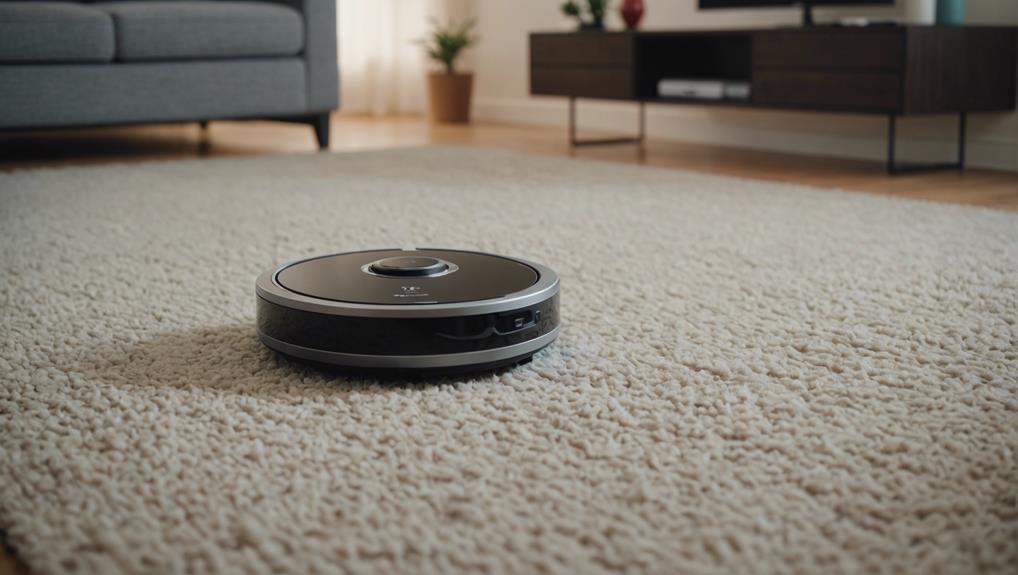

For tile floors, I would start with the Roborock Q7 M5+ as my best overall pick: its strong suction, LiDAR mapping, and self-emptying base suit regular cleaning across open floor plans. The Roomba 115X Combo stands out for buyers who want vacuuming and mopping with carpet-aware operation, while the eufy 11S Max is a simpler, slim option for basic dry cleaning. The main tradeoffs are whether you need a mop, room-by-room navigation, and less frequent bin emptying, since those features add complexity and upkeep. Tile is hard-wearing, but grout, crumbs, and tracked-in grit still call for consistent cleaning and a brush suited to your home. Read on for how these 13 options differ and which one fits your floors and routine.

Get cleaning gear delivered free with Prime
- Fast, free delivery on millions of items
- Prime Video, Amazon Music and more included
- Member-only deals all year
Complete the kit


Key Takeaways
- LiDAR mapping separates the navigation-focused picks: models such as the Roborock Q7 M5+ and Q7 L5 are better suited to planned, repeatable routes than basic cleaners.
- Self-emptying is a convenience feature, not a tile-cleaning requirement: it reduces bin chores, while floor pickup and navigation still determine daily usefulness.
- Combo models vary in how they handle carpet: the Roomba 115X Combo listings specify carpet-aware mopping, a useful distinction for homes with mixed flooring.
- The eufy 11S Max and ILIFE V2 favor simplicity: they are dry-cleaning choices for buyers who can accept fewer mapping and app controls.
- Strong suction claims do not settle the choice: brush design, route coverage, mop controls, and dock maintenance all affect whether a robot fits a tile-floor routine.
| iRobot Roomba 115X Combo Robot Vacuum & Mop |  | Best for Tile and Mixed-Floor Homes | Suction power: 10,000 Pa | Navigation: ClearView LiDAR | Mopping: Washable microfiber pad; SmartScrub mode | VIEW ON AMAZON | See Our Full Breakdown |
| ROPVACNIC Robot Vacuum and Mop Combo S1 |  | Best for Simple Tile Maintenance | Suction power: 5,200 Pa | Cleaning type: Vacuuming and mopping | Water adjustment: 4 stages | VIEW ON AMAZON | See Our Full Breakdown |
| Shark Matrix Plus Robot Vacuum and Mop Combo AV2610WA |  | Best for More Intensive Tile Mopping | Cleaning type: Robot vacuum and sonic mop | Mopping rate: Up to 100 scrubs per minute | Navigation: 360° LiDAR mapping with object detection and avoidance | VIEW ON AMAZON | See Our Full Breakdown |
| Tikom Robot Vacuum and Mop Combo G8000 Max |  | Best for Long, Uncomplicated Runs | Suction power: 5,000 Pa | Battery life: Up to 150 minutes in quiet mode | Dustbin capacity: 450 ml | VIEW ON AMAZON | See Our Full Breakdown |
| Roborock Q7 L5 Robot Vacuum and Mop Combo |  | Best for Mapped Tile Care | Suction power: 8,000 Pa | Navigation: LiDAR | Water tank capacity: 270 ml | VIEW ON AMAZON | See Our Full Breakdown |
| iRobot Roomba 115X Combo Robot Vacuum & Mop with AutoEmpty Dock |  | Best Set-and-Forget Tile Cleaning | Suction Power: 15,000 Pa | Battery Life: Up to 173 minutes | AutoEmpty Capacity: 2.5 L AllergenLock bag (up to 90 days) | VIEW ON AMAZON | See Our Full Breakdown |
| eufy 11S Max Robot Vacuum Cleaner | 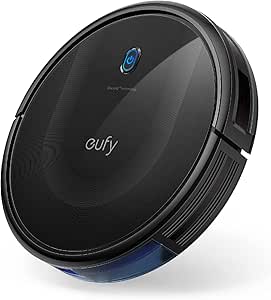 | Best Budget Pick for Tile Floors | Profile Height: 2.85 inches | Runtime: Up to 100 minutes on hard floors | Suction Adjustment: BoostIQ, 1.5-second response | VIEW ON AMAZON | See Our Full Breakdown |
| ILIFE V2 Robot Vacuum Cleaner with Tangle-Free Suction |  | Best Ultra-Basic Starter Robot | Suction Design: Tangle-free direct suction | Cleaning Modes: Auto, spot, and edge | Sensors: Infrared anti-collision and anti-fall | VIEW ON AMAZON | See Our Full Breakdown |
| Tikom Robot Vacuum and Mop with Self-Emptying Base (L8000 Plus) |  | Best Value Combo for Large Tile Homes | Suction Power: 6,000 Pa (max) | Run Time: 150 minutes (gentle mode) | Dustbag Capacity: 3 L self-emptying base | VIEW ON AMAZON | See Our Full Breakdown |
| Shark AI Ultra Robot Vacuum with 60-Day Self-Emptying Base (AV2511AE) |  | Best for Pet Hair on Tile and Carpet | Navigation: 360° LiDAR with precision home mapping | Cleaning Pattern: Matrix Clean multi-pass grid | Self-Empty Base: Bagless HEPA, holds up to 60 days | VIEW ON AMAZON | See Our Full Breakdown |
| Roborock Q7 M5+ Robot Vacuum and Mop – Up to 7‑9 Weeks Self‑Empty, 10000 Pa |  | Best for Pet Hair on Tile | Suction power: 10,000 Pa | Dust bag capacity: 2.7 L | Listed self-empty interval: 7–9 weeks | VIEW ON AMAZON | See Our Full Breakdown |
| Shark AV2501S AI Ultra Robot Vacuum – Matrix Clean Navigation, Self-Empty HEPA Base, Pet Hair, Wi‑Fi, Dark Grey |  | Best for Allergy-Conscious Homes | Runtime: Up to 120 minutes | Self-empty capacity: Up to 30 days of dirt and debris | Filtration: HEPA; 99.97% at 0.3 microns | VIEW ON AMAZON | See Our Full Breakdown |
| Roborock Robot Vacuum Mop with LiDAR, 10000 Pa, Anti-Tangle, 7–9 Weeks Hands-Free Self-Emptying |  | Best for Longer Cleaning Sessions | Suction power: 10,000 Pa | Self-empty dock capacity: 2.7 L | Battery life: 150 minutes | VIEW ON AMAZON | See Our Full Breakdown |
| robot vacuum cleaner tile | Suction power | Navigation |
|---|---|---|
| iRobot Roomba 115X Combo Robot | 10,000 Pa | ClearView LiDAR |
| ROPVACNIC Robot Vacuum and Mop | 5,200 Pa | — |
| Shark Matrix Plus Robot Vacuum | — | 360° LiDAR mapping with object detection and avoidance |
| Tikom Robot Vacuum and Mop Com | 5,000 Pa | — |
| Roborock Q7 L5 Robot Vacuum an | 8,000 Pa | LiDAR |
| iRobot Roomba 115X Combo Robot | 15,000 Pa | ClearView LiDAR with obstacle avoidance |
| eufy 11S Max Robot Vacuum Clea | — | — |
| ILIFE V2 Robot Vacuum Cleaner | — | — |
| Tikom Robot Vacuum and Mop wit | 6,000 Pa (max) | 360° LiDAR with smart mapping |
| Shark AI Ultra Robot Vacuum wi | — | 360° LiDAR with precision home mapping |
| Roborock Q7 M5+ Robot Vacuum a | 10,000 Pa | — |
| Shark AV2501S AI Ultra Robot V | — | 360° LiDAR with Matrix Clean grid |
| Roborock Robot Vacuum Mop with | 10,000 Pa | — |
More Details on Our Top Picks
iRobot Roomba 115X Combo Robot Vacuum & Mop
The Roomba 115X Combo is a strong fit for tile homes where crumbs and fine dust need regular vacuuming and the occasional light mop. Its 10,000 Pa suction, row-based LiDAR navigation and washable microfiber pad bring more controlled floor care than the simpler ROPVACNIC S1, whose listed navigation details are less specific. I also like the No Mop Zones for keeping rugs dry and the spot-clean option for isolated messes on tile. The tradeoff is that its mop pad lifts everyday buildup rather than scrubbing like the Shark Matrix Plus’s sonic system. Its stated coverage of up to 900 sq ft per charge also makes it a better match for small and medium homes than expansive layouts. Buyers should expect to wash the pad and replace filters and brushes periodically.
Pros:- Vacuums and mops in one pass with listed 10,000 Pa suction
- LiDAR mapping cleans in rows and supports multi-room layouts
- No Mop Zones help protect rugs
- Washable pad and adjustable cleaning passes and water levels
Cons:- Coverage is stated at up to 900 sq ft per charge
- Microfiber mopping is aimed at light smudges rather than stubborn stains
- Pad, filters, and brushes require regular care or replacement
Best for: People with mostly sealed tile, a few rugs, and small to medium homes who want mapped vacuuming plus light mopping
Not ideal for: Large homes or households needing strong scrubbing for dried-on floor stains; its stated coverage is limited and the microfiber pad is intended for light buildup
- Suction power:10,000 Pa
- Navigation:ClearView LiDAR
- Mopping:Washable microfiber pad; SmartScrub mode
- Coverage per charge:Up to 900 sq ft
- Battery life:173 minutes
- Suction levels:4
- Water settings:3 levels
- Controls:App, voice, or robot button; 2.4 GHz Wi-Fi required for setup
Our verdict“Choose the Roomba 115X if mapped, rug-aware vacuuming and light tile mopping matter more than deep scrubbing or large-home coverage.”
ROPVACNIC Robot Vacuum and Mop Combo S1
For a buyer who wants routine dust and crumb pickup on tile without paying for elaborate mapping features, the ROPVACNIC S1 keeps the proposition straightforward: 5,200 Pa suction, vacuuming and mopping together, and four water-flow settings. That adjustable water delivery can help tailor a pass to lighter or heavier everyday messes. Compared with the Roomba 115X, however, the supplied details do not specify LiDAR mapping or no-mop zones, so I would favor the Roomba for homes with several rooms and rugs that need deliberate boundaries. ROPVACNIC instead lists voice control, scheduling, and automatic recharging, with a brush-free design intended to reduce hair tangles. Its compact build may reach tight spaces, but the description gives no battery duration, tank capacity, or detailed navigation method, leaving less certainty for larger tiled layouts.
Pros:- Vacuuming and mopping can run together
- Four-stage water adjustment for different cleaning needs
- Voice control and scheduled cleaning are supported
- Brush-free design is intended to limit hair tangles
Cons:- No LiDAR mapping or no-mop zone feature is specified in the supplied details
- Battery runtime and water-tank capacity are not provided
- Three suction levels offer less adjustment than the Roomba 115X’s four
Best for: Tile-floor owners seeking scheduled vacuuming and light mopping with adjustable water flow and voice control
Not ideal for: Homes with many rugs, complex room layouts, or buyers who want specified LiDAR mapping, no-mop zones, and clear capacity figures
- Suction power:5,200 Pa
- Cleaning type:Vacuuming and mopping
- Water adjustment:4 stages
- Suction levels:3
- Brush design:Brush-free, anti-tangle design
- Navigation details:High-coverage sensing system; specific mapping technology not stated
- Controls:Smartphone app and voice control
- Recharge:Automatic return to recharge
Our verdict“Pick the ROPVACNIC S1 for basic scheduled tile upkeep, but choose the Roomba 115X if mapped room coverage and rug boundaries matter more.”
Shark Matrix Plus Robot Vacuum and Mop Combo AV2610WA
The Shark Matrix Plus earns its place for tile owners who want the mop to do more than pick up a faint film of dust. Its sonic mop scrubs up to 100 times per minute, giving it a more active mopping approach than the Roomba 115X’s washable microfiber pad. LiDAR mapping and object detection help it move through rooms, while the bagless self-empty base holds up to 60 days of debris and has True HEPA filtration. That combination reduces dustbin handling, though the base takes space and the 60-day figure is a stated capacity, not a guarantee for every household. The listing describes reusable pads but does not give a suction figure or battery runtime, so buyers comparing raw vacuum specifications may prefer the better-documented Roborock Q7 L5. The Shark makes most sense when tile scrubbing and reduced emptying are the priorities.
Pros:- Sonic mopping scrubs up to 100 times per minute
- Bagless self-empty base is listed for up to 60 days of debris
- LiDAR mapping includes object detection and avoidance
- True HEPA filtration and reusable microfiber pads are included
Cons:- Self-empty base requires extra floor space
- Suction power and battery runtime are not stated in the supplied data
- More involved sonic mopping may be unnecessary for light tile dust
Best for: Households with substantial hard-floor areas that want active sonic mopping, mapped navigation, and less frequent debris emptying
Not ideal for: Buyers who need a compact dock, a stated suction rating, or long battery-runtime figures to compare before choosing
- Cleaning type:Robot vacuum and sonic mop
- Mopping rate:Up to 100 scrubs per minute
- Navigation:360° LiDAR mapping with object detection and avoidance
- Self-emptying capacity:Up to 60 days of debris
- Filtration:True HEPA; captures 99.97% of dust and allergens down to 0.3 microns
- Mop pads:2 reusable microfiber pads
- Included solution:12 oz starter VACMOP cleaning solution
- Warranty:1-year limited
Our verdict“Choose the Shark Matrix Plus when active tile scrubbing and a self-emptying base outweigh compact storage and complete published specifications.”
Tikom Robot Vacuum and Mop Combo G8000 Max
The Tikom G8000 Max suits tile homes where a long scheduled run and straightforward controls matter more than precise room mapping. It combines a 450 ml dustbin and 300 ml water tank, so it can collect debris while laying down a light mop pass; its zig-zag mode is intended to cover open floor areas. A 150-minute runtime in quiet mode is useful for extended cleaning, while its 2.99-inch height helps it reach beneath some furniture. In comparison, the Roborock Q7 L5 offers LiDAR mapping, multi-floor maps, and no-go zones, giving it clearer control in divided homes. The Tikom instead relies on anti-collision and anti-fall sensors, with no LiDAR mapping listed. Its 5,000 Pa suction and four control methods make it flexible, but the listing does not specify a rug-avoidance feature for mopping.
Pros:- 150-minute runtime in quiet mode
- Combined 450 ml dustbin and 300 ml water tank
- Low 2.99-inch profile can reach under some furniture
- App, remote, voice, and on-device controls with four cleaning modes
Cons:- LiDAR mapping and no-mop zones are not specified
- Mop and vacuuming run together, with no separate carpet-avoidance feature stated
- The listed suction is lower than the Roborock Q7 L5’s 8,000 Pa
Best for: People with open tile floors who want a long quiet-mode run, combined dust and water capacity, and app or remote controls
Not ideal for: Multi-floor households or homes with rugs requiring defined no-mop boundaries, since LiDAR mapping and no-mop zones are not listed
- Suction power:5,000 Pa
- Battery life:Up to 150 minutes in quiet mode
- Dustbin capacity:450 ml
- Water tank capacity:300 ml
- Height:2.99 inches
- Cleaning modes:Spot, edge, zig-zag, and manual
- Controls:App, remote, voice, and robot button
- Noise level:45 dB
Our verdict“The G8000 Max fits open-plan tile homes needing long runs and flexible controls, while mapped, rug-heavy layouts point toward the Roborock Q7 L5.”
Roborock Q7 L5 Robot Vacuum and Mop Combo
The Roborock Q7 L5 is the most map-focused choice here for tile homes that need repeatable room-by-room cleaning. Its LiDAR navigation supports multi-floor maps, schedules, and no-go zones, making it easier to direct vacuuming around a home’s layout than the Tikom G8000 Max, whose listed navigation relies on obstacle and fall sensors. With 8,000 Pa suction and simultaneous vacuuming and mopping, it handles regular dust and debris while adding a light damp pass. The 270 ml water tank is smaller than the Tikom’s 300 ml tank, and the supplied data notes that the tank and dustbin share an integrated combo unit. That arrangement may mean more hands-on maintenance than the Shark Matrix Plus’s self-empty base. It also supports only 2.4 GHz Wi-Fi, a practical setup constraint for some networks.
Pros:- LiDAR mapping supports multiple floor plans and no-go zones
- 8,000 Pa suction for regular dust and debris pickup
- Vacuuming and mopping can run together
- App, button, and voice controls with scheduled cleaning
Cons:- 270 ml water tank is smaller than the Tikom G8000 Max’s 300 ml tank
- Only 2.4 GHz Wi-Fi is supported
- Integrated combo unit lacks the Shark Matrix Plus’s self-emptying base
Best for: Owners of multi-room or multi-floor homes with tile who want mapped schedules and no-go zones alongside everyday mopping
Not ideal for: Buyers seeking a self-emptying dock, larger water capacity, or 5 GHz-only Wi-Fi compatibility
- Suction power:8,000 Pa
- Navigation:LiDAR
- Water tank capacity:270 ml
- Battery life:150 minutes
- Battery type:Lithium-ion
- Filter:Washable
- Noise level:60 dB
- Wi-Fi:2.4 GHz only
- Surface recommendations:Carpet, laminate, tile, vinyl, wood, and marble
Our verdict“Choose the Roborock Q7 L5 for controlled, mapped cleaning across tile rooms and floors, provided its Wi-Fi and integrated-unit limits suit your home.”
iRobot Roomba 115X Combo Robot Vacuum & Mop with AutoEmpty Dock
The Roomba 115X Combo earns its spot by attacking tile floors from two angles at once: 15,000 Pa suction pulls grit out of grout lines while an extended mop pad handles dusty pawprints and dried smudges in the same pass. Its SmartScrub mode applies extra pressure for stained tiles, something the vacuum-only Shark AV2511AE simply can’t do. The real differentiator is the AutoEmpty dock — the 2.5 L AllergenLock bag holds three months of debris and traps pollen, which matters on tile where dust travels freely between rooms. Compared with the Tikom L8000 Plus, the Roomba offers stronger suction but a smaller 900 sq ft per-charge coverage, so larger tiled homes may see mid-job recharges. The washable pad keeps running costs low, though it’s a gentle mopper — heavy dried-on spills still need manual attention.
Pros:- Vacuums and mops tile in a single pass with strong 15,000 Pa suction
- AutoEmpty dock with allergen-sealing bag reduces maintenance to a quarterly task
- No Mop Zones protect area rugs from getting wet
- SmartScrub mode adds scrubbing power for stubborn tile residue
Cons:- Washable microfiber pad is gentle — not a match for heavy dried-on stains
- Coverage of 900 sq ft per charge is modest for bigger homes
- Mop pad requires manual laundering between uses
Best for: Pet owners in small-to-medium homes who want vacuuming, mopping, and 90-day self-emptying in one hands-off system
Not ideal for: Buyers with large single-floor tile layouts — the 900 sq ft per-charge coverage forces recharge breaks
- Suction Power:15,000 Pa
- Battery Life:Up to 173 minutes
- AutoEmpty Capacity:2.5 L AllergenLock bag (up to 90 days)
- Navigation:ClearView LiDAR with obstacle avoidance
- Cleaning Coverage:Up to 900 sq ft per charge
- Control:App, voice, and onboard button
- Customization:4 suction levels, 3 water levels, 1-2 passes
Our verdict“This pick makes the most sense for busy pet households that want tile floors vacuumed, mopped, and emptied without lifting a finger for months.”
eufy 11S Max Robot Vacuum Cleaner
Not every tile floor needs a mapping robot with a self-empty tower. The eufy 11S Max takes the opposite approach from the Roomba 115X Combo: no Wi-Fi, no app, no dock — just a quiet, 2.85-inch-thin vacuum you steer with a remote. That slim profile is the killer feature for tile-heavy homes, sliding under low sofas and media consoles where grime collects along tile edges. BoostIQ raises suction within 1.5 seconds when the robot moves from smooth tile onto a rug, so you’re not manually switching modes. The tradeoffs are real, though: with no LiDAR mapping like the Tikom L8000 Plus, it bumps around randomly, and there’s no mopping — the Roomba and Shark options handle both tasks, this one only vacuums. Runtime is a respectable 100 minutes, enough for an apartment-sized tiled area on one charge.
Pros:- Whisper-quiet operation suits cleaning at any hour
- 2.85-inch profile reaches dust under low furniture
- BoostIQ auto-adjusts suction when crossing from tile to rugs
- Simple remote operation with no app setup required
Cons:- No Wi-Fi, no app, and no smart-home integration
- Random bump navigation misses spots that LiDAR robots cover systematically
- Vacuum only — no mopping function for tile spills
Best for: Apartment dwellers and first-time robot vacuum buyers who mainly need quiet tile and hard-floor vacuuming on a budget
Not ideal for: Anyone who wants mopping, app scheduling, or systematic room-by-room navigation — this has none of those
- Profile Height:2.85 inches
- Runtime:Up to 100 minutes on hard floors
- Suction Adjustment:BoostIQ, 1.5-second response
- Sensors:Infrared obstacle avoidance, drop sensing
- Control Method:Remote control and onboard buttons
- Top Material:Anti-scratch tempered glass
Our verdict“A straightforward, low-cost choice for small tiled spaces where quiet vacuuming matters more than smart features.”
ILIFE V2 Robot Vacuum Cleaner with Tangle-Free Suction
The ILIFE V2 sits at the simplest end of this lineup, and that’s its whole appeal. Where the Roomba 115X Combo layers on docks, apps, and mopping pads, the V2 offers three physical cleaning modes — auto, spot, and edge — with tangle-free suction that skips the brushroll entirely. On smooth tile, that direct-suction design means fewer hair wraps and less maintenance than brush-based rivals like the eufy 11S Max. The edge mode is the one worth highlighting for tile buyers: it steers the robot along baseboards and grout lines where dust accumulates. Infrared sensors handle obstacle avoidance and stair detection adequately, but there’s no mapping, no app, and no scheduling. It’s a budget workhorse for contained spaces, not a whole-home solution — anyone with pets and mixed flooring will outgrow it fast compared with the Tikom L8000 Plus.
Pros:- Tangle-free direct suction reduces hair-wrap maintenance
- Dedicated edge mode targets dust along baseboards and grout lines
- Infrared anti-fall sensors protect against staircase drops
- Simple mode-based operation with no setup required
Cons:- No app, scheduling, or mapping capabilities
- Modest suction power limits deep cleaning on textured tile
- Small capacity dustbin needs frequent emptying without a self-empty dock
Best for: First-time buyers or students who want a cheap, no-frills robot for a small tiled room or studio
Not ideal for: Pet owners and larger homes — the limited suction and lack of scheduling won’t keep up with daily shedding and mess
- Suction Design:Tangle-free direct suction
- Cleaning Modes:Auto, spot, and edge
- Sensors:Infrared anti-collision and anti-fall
- Color:White
- Floor Type:Hard floors and low-pile carpet
Our verdict“A barebones starter robot that suits tiny tiled spaces where simplicity beats sophistication.”
Tikom Robot Vacuum and Mop with Self-Emptying Base (L8000 Plus)
Between the budget ILIFE V2 and the pricier Roomba 115X Combo sits the Tikom L8000 Plus, and for large tiled homes it arguably beats both. The 3 L self-emptying dustbag outlasts the Roomba’s 2.5 L bag, while 150 minutes of runtime comfortably exceeds the Roomba’s per-charge coverage — meaning fewer interruptions across sprawling tile layouts. LiDAR navigation with up to five saved floor maps makes it the clear pick for multi-story homes, which none of the simpler options here can manage. Mopping comes with three water-flow levels, though the pad system is more utilitarian than the Roomba’s SmartScrub approach, and you’ll need to set no-mop zones (or remove the holder) before crossing onto carpet. App control includes scheduling, virtual walls, and no-go lines, plus dual-band Wi-Fi and Alexa support.
Pros:- 3 L self-emptying dustbag reduces maintenance frequency
- 150-minute runtime with auto-recharge and resume for large floor plans
- LiDAR mapping stores up to 5 floor plans for multi-level homes
- Dual-band Wi-Fi, Alexa voice control, and flexible app no-go zones
Cons:- Mop holder must be removed or no-mop zones set to protect carpet
- Suction trails behind premium rivals like the Roomba 115X Combo
- Bulky base with large dustbag takes up floor space
Best for: Owners of large or multi-story homes with extensive tile flooring who want long runtime and big-bag self-emptying at a mid-tier price
Not ideal for: Households with lots of carpet mixed into the floor plan — the mop pad must be manually managed to avoid damp carpets
- Suction Power:6,000 Pa (max)
- Run Time:150 minutes (gentle mode)
- Dustbag Capacity:3 L self-emptying base
- Navigation:360° LiDAR with smart mapping
- Saved Maps:Up to 5 floors
- Water Flow Settings:3 levels
- Connectivity:2.4 GHz & 5 GHz Wi-Fi, Alexa
- App Features:No-go zones, virtual walls, scheduling
Our verdict“The strongest mid-range choice for big, tile-dominant homes where runtime and hands-off emptying matter most.”
Shark AI Ultra Robot Vacuum with 60-Day Self-Emptying Base (AV2511AE)
Where the Tikom L8000 Plus leads on value and the eufy 11S Max on simplicity, the Shark AI Ultra AV2511AE leads on hair management. Its self-cleaning brushroll resists wrapping — a genuine advantage over standard brush robots — and the bagless HEPA self-empty base holds 60 days of debris without ongoing bag purchases, unlike the bag-based Roomba and Tikom docks. On tile, Matrix Clean takes multiple grid-pattern passes over each section, which translates to visibly fewer stray crumbs around kitchen islands than single-pass robots leave behind. Recharge-and-resume keeps large jobs moving, though at roughly 90 minutes per run it’s outclassed by the Tikom’s 150-minute endurance. The main gap for this roundup’s purpose: this specific model is vacuum-focused, so tile buyers wanting wet mopping in the same machine should look to the Roomba 115X Combo instead.
Pros:- Self-cleaning brushroll prevents hair wrap and cut maintenance time
- Bagless HEPA base holds 60 days of debris with no replacement bags to buy
- Matrix Clean grid pattern catches debris single-pass robots leave behind
- LiDAR mapping with object detection works even in the dark
Cons:- Around 90 minutes of runtime trails the Tikom L8000 Plus’s 150 minutes
- No mopping function on this model — tile buyers need the mop-equipped version
- Bagless emptying can release a small dust puff compared with sealed bags
Best for: Pet-heavy households with mixed tile and carpet who prioritize fur pickup and bagless, low-cost upkeep
Not ideal for: Buyers who want true mopping on tile — this model focuses on vacuuming, so dried spills stay put
- Navigation:360° LiDAR with precision home mapping
- Cleaning Pattern:Matrix Clean multi-pass grid
- Self-Empty Base:Bagless HEPA, holds up to 60 days
- Brushroll:Self-cleaning, anti-hair-wrap
- Battery Life:Up to 120 minutes with recharge and resume
- Control:SharkClean app, Amazon Alexa, Google Assistant
- Surfaces:Carpet and hard floors
Our verdict“The go-to pick for shedding pets across tile and carpet, provided mopping isn’t part of the plan.”
Roborock Q7 M5+ Robot Vacuum and Mop – Up to 7‑9 Weeks Self‑Empty, 10000 Pa
The Roborock Q7 M5+ pairs strong pickup with an integrated mop, making it a practical fit for tile homes where pet hair and tracked-in debris collect between deeper cleans. Its dual anti-tangle brush can reduce hair wrap interruptions, while LiDAR mapping helps it follow organized routes through multiple rooms. Compared with the Shark AV2501S AI Ultra, this Roborock adds mopping and a longer stated interval between dust-bag changes; the Shark instead offers HEPA filtration and voice-assistant control. The Q7 M5+’s 2.7 L sealed bag is listed for seven to nine weeks, though actual timing depends on debris and cleaning frequency. Its app requires 2.4 GHz Wi-Fi, and the product details do not specify mop-pad material or durability, so buyers seeking clear mop upkeep details may prefer another option.
Pros:- Dual anti-tangle brush is designed to resist pet-hair wrap
- LiDAR mapping supports planned routes across multiple rooms
- Integrated mopping offers three adjustable water-flow levels
- 2.7 L sealed dust bag is listed for seven to nine weeks between emptyings
Cons:- App connectivity requires a 2.4 GHz Wi-Fi network
- Mop-pad material and durability are not specified
- The listed long emptying interval may vary with household debris and cleaning frequency
Best for: Tile-floor homes with shedding pets where buyers want vacuuming, light mopping, and fewer dust-bag changes
Not ideal for: Households using only 5 GHz Wi-Fi or buyers who need documented mop-pad durability before choosing
- Suction power:10,000 Pa
- Dust bag capacity:2.7 L
- Listed self-empty interval:7–9 weeks
- Mapping technology:LiDAR
- Water-flow settings:3 adjustable levels
- App Wi-Fi requirement:2.4 GHz
Our verdict“Choose the Q7 M5+ if pet hair on tile and an extended stated dust-bag interval matter more than detailed mop-pad specifications.”
Shark AV2501S AI Ultra Robot Vacuum – Matrix Clean Navigation, Self-Empty HEPA Base, Pet Hair, Wi‑Fi, Dark Grey
For tile households that want dust containment and methodical vacuuming, the Shark AV2501S AI Ultra stands apart with a self-empty HEPA base rated to capture 99.97% of dust and allergens at 0.3 microns. Its 360° LiDAR and Matrix Clean grid are intended to cover floors in organized passes, while recharge-and-resume helps it continue after a charging break. Unlike the Roborock Q7 M5+, the Shark has no mopping function, so it cannot handle light damp cleaning on tile. It also holds debris for a stated 30 days, shorter than the Roborock’s listed seven-to-nine-week interval. Alexa and Google Assistant support can simplify routine starts, but the base needs dedicated floor space and its up-to-120-minute runtime may be limiting for larger homes that need extended sessions.
Pros:- HEPA base is specified to capture 99.97% of dust and allergens at 0.3 microns
- 360° LiDAR with Matrix Clean grid supports methodical mapped coverage
- Recharge-and-resume can continue a cleaning session after charging
- Works with Wi-Fi, Alexa, and Google Assistant
Cons:- Does not include a mopping function for tile
- Self-empty base is bulky and needs dedicated floor space
- Listed debris storage interval is 30 days, shorter than the Q7 M5+ listing
Best for: Allergy-conscious households with tile floors that prioritize fine-particle capture and scheduled, mapped vacuuming
Not ideal for: Buyers who want one machine to vacuum and mop tile, or homes with little floor space for a bulky base
- Runtime:Up to 120 minutes
- Self-empty capacity:Up to 30 days of dirt and debris
- Filtration:HEPA; 99.97% at 0.3 microns
- Navigation:360° LiDAR with Matrix Clean grid
- Connectivity:Wi-Fi, Alexa, and Google Assistant
- Included accessories:1 robot, 1 self-empty base, 2 side brushes
Our verdict“Pick the AV2501S if allergen capture and mapped vacuuming matter more than mopping or a smaller dock.”
Roborock Robot Vacuum Mop with LiDAR, 10000 Pa, Anti-Tangle, 7–9 Weeks Hands-Free Self-Emptying
The Roborock Robot Vacuum Mop is the longer-running choice in this group: its listed 150-minute battery life may suit multi-room tile layouts that need more time per session. It combines 10,000 Pa suction, LiDAR mapping, and three water-flow settings, so buyers get both pickup and a basic mop function. Against the Roborock Q7 M5+, its stated strengths include a longer listed battery life and a 12.8-inch cleaning path; the Q7 M5+ shares the same suction, anti-tangle brush design, and seven-to-nine-week dock interval. The tradeoff is a specified 65 dB noise level and a large self-empty dock, which can be noticeable in open-plan homes. Its listed control method is push button even though app and voice control are also stated, leaving the precise control setup unclear.
Pros:- Listed 150-minute battery life supports longer cleaning sessions
- 10,000 Pa suction and dual anti-tangle brush target debris and pet hair
- Three water-flow settings provide adjustable mopping
- LiDAR navigation maps rooms for planned coverage
Cons:- Listed 65 dB noise level may be noticeable in quiet rooms
- Self-empty dock is large and may need dedicated space
- Product data lists push-button control alongside app and voice control without clarifying the setup
Best for: Owners of larger, multi-room homes with tile who want long listed runtime alongside vacuuming and mopping
Not ideal for: Noise-sensitive households or buyers who need a compact dock and clearly described app controls
- Suction power:10,000 Pa
- Self-empty dock capacity:2.7 L
- Battery life:150 minutes
- Cleaning path width:12.8 inches
- Noise level:65 dB
- Voltage:120 V
- Battery type:Lithium Ion
- Power source:Battery powered
- Surface recommendation:Wood, tile, marble, and carpet
Our verdict“Choose this Roborock for longer listed cleaning sessions across multiple rooms if its dock size and noise level fit your home.”

How We Picked
I compared the listed models by the factors that affect everyday tile cleaning: suction claims, navigation, brush design, mopping options, bin capacity or self-emptying, controls, and suitability for homes with carpets or pets. I gave more weight to repeatable coverage and practical upkeep than to a single headline specification, because a robot that misses rooms or needs frequent intervention can be less useful even on easy-to-clean floors.
The ranking favors versatile models that combine capable floor pickup with useful navigation and manageable maintenance. Combo robots rank well when their mop features fit tile and they can accommodate mixed flooring; self-emptying docks earn credit for reducing routine chores, but not enough to offset limited controls or unclear floor handling. Simpler models remain worthwhile for buyers seeking basic dry cleaning, though they sit lower because they offer less guidance and automation than the mapped options.
Factors to Consider When Choosing Robot Vacuum Cleaner Tiles
Tile can make robot cleaning straightforward, but grout lines, room transitions, rugs, and daily debris change what works in a real home. I would match the robot to the floor plan and cleaning routine before comparing suction figures.
Check how the robot maps rooms
Navigation affects whether a robot covers the whole tiled area or repeats easy sections while missing corners and doorways. Mapping and room controls are most useful in multi-room homes, where you may want to clean a kitchen after meals without sending the robot everywhere. A basic random-route cleaner can still suit a studio or one open room, especially if you run it often. Before buying, check whether the app supports room selection, no-go zones, or saved maps if those controls matter to you. Also measure narrow passages and consider thresholds between tile and adjoining floors. A robot that cannot cross a threshold or fit between furniture legs leaves a manual-cleaning gap no suction figure can fix.
Decide whether mopping matches your tile
A robot mop is designed for light, regular floor maintenance; it may not replace scrubbing dried spills or grout. Water control and washable pad upkeep matter because leaving a damp pad attached can create extra work between runs. In a home with rugs, look for a clear way to keep the mop off carpet, such as carpet detection or app-set no-mop zones. Some combo robots require you to remove the mop assembly or set boundaries manually, so check the routine before choosing one. If you mostly want crumbs and dust removed, a vacuum-only model avoids water tanks and pad care. Choose a combo only when you expect to use the mop often enough to justify those chores.
Match brushes and suction to your debris
Tile exposes fine dust and grit, while kitchens often collect crumbs and pet homes add hair that can wrap around brush rolls. Suction numbers are useful for comparing stated capability, but they do not reveal how well the robot gathers debris along edges or resists tangles. Look for brush details and access to replacement parts if hair cleanup is a regular task. A rubber or anti-tangle design may reduce maintenance, though no brush is entirely free of cleaning. For mostly hard floors, edge coverage and consistent routes can matter more than the highest advertised suction. If you have rugs as well, check that the robot can handle the height change and adapt its cleaning appropriately.
Choose dock convenience with upkeep in mind
A self-emptying base cuts down how often you handle the robot’s dust bin, which helps in homes with pets or frequent cleaning schedules. The dock still needs bags or other bin maintenance, and its size can be awkward in a small kitchen or hallway. A standard charging dock is simpler and takes less room, but you will empty the robot yourself. Consider where the base can sit with open space around it, since a cramped location can disrupt docking. Also separate dust handling from mopping upkeep: an auto-empty dock does not refill water or wash every mop pad. Pay for dock automation when fewer dust-bin chores meaningfully improves your routine.
Prioritize controls you will actually use
App-based schedules and room selection can make a mapped robot easier to fit around meals, pets, and work hours. Remote controls or onboard buttons may be preferable when you want straightforward starts without managing an account or network connection. Check which functions remain available if Wi-Fi is unreliable, since app-dependent features can limit flexibility. Voice assistant support is useful only if it works with the devices and services you already use. Avoid paying for elaborate controls if you plan to press one button and let the robot clean a single area. For a larger home, saved maps and targeted runs tend to matter more than extra automation options.
Plan around grout, rugs, and thresholds
Tile is not one uniform surface: grout can hold fine debris, textured finishes trap dirt, and raised thresholds challenge small wheels. A robot can help with routine pickup, but it will not replace occasional attention to grout or dried residue. Look at the transition height between rooms and test whether rugs have curled edges that might catch the robot. Dark floor patterns or reflective surfaces can also affect some navigation sensors, so consult the model guidance if your tile has unusual finishes. Keep charging and docking areas clear enough for reliable returns. These checks prevent a common mismatch: buying for the floor material while overlooking the shape and layout of the floor area.
Frequently Asked Questions
Do I need a robot vacuum with a mop for tile floors?
No, a vacuum-only robot can handle routine dust, hair, and crumbs on tile. A mop attachment adds value when you want frequent light wiping and are willing to refill the tank and clean the pad. It will not reliably scrub dried spills or deep grout buildup, so keep a manual mop for those jobs. If rugs share the same rooms, confirm how the robot avoids wetting them. I would choose the mop based on your cleaning routine, not simply because the floor is tile.
Will a robot vacuum clean grout lines effectively?
Most robot vacuums can collect loose debris that sits on tile and in shallow grout lines, but they are not grout scrubbers. Deep, rough, or stained grout may need periodic brushing and a suitable cleaning solution. Regular robot runs can reduce the grit and dust that build up between deeper cleans. Brush design and route coverage can matter as much as suction claims for this kind of routine pickup. If grout maintenance is your main concern, treat the robot as support rather than a replacement for scrubbing.
Is LiDAR worth choosing for a mostly tiled home?
LiDAR is most useful when the home has several rooms or you want scheduled, targeted cleaning. It can help a robot build a map and follow more orderly routes, which makes room selection and repeat runs easier. In one open room, a simpler navigation system may be adequate if you are comfortable with less control. Consider whether you will use saved maps and no-go zones before paying for navigation features. Tile itself does not require LiDAR; the layout and the way you want to manage cleaning determine its value.
Should I choose a self-emptying robot for tile?
A self-emptying base is useful when you run the robot frequently, collect a lot of pet hair, or prefer fewer dust-bin chores. It does not improve tile pickup by itself, and the base still takes floor space and needs its own maintenance. If your home is small or debris levels are modest, emptying a robot manually may be simple enough. For a combo vacuum and mop, remember that an auto-empty dock handles dust rather than mop-pad care. Choose the dock for the time it saves in your routine, not as a substitute for cleaning performance.
Can a robot vacuum move between tile and rugs without soaking them?
That depends on the robot’s carpet handling and the mop controls. Some combo models describe carpet-aware mopping, while others may require you to set no-mop zones or remove the mop attachment before a run. Check the specific model’s instructions rather than assuming every robot lifts its mop or recognizes rugs. Low-pile rugs are generally easier for robots to cross than thick or fringed ones, but transitions and curled edges can still cause trouble. If rugs cover much of the tiled area, prioritize reliable boundaries and a routine that keeps wet pads away from them.
Conclusion
For a capable all-around choice, I would start with the Roborock Q7 M5+, which combines mapped cleaning, strong stated suction, and a self-emptying base. Buyers focused on value and straightforward upkeep should compare the ROPVACNIC 5200Pa or Tikom G8000 Max, while recognizing their listed features offer a different balance of navigation and automation than the mapped Roborock. For a premium-style routine with less dust-bin handling, consider the Shark Matrix Plus or a self-emptying Roborock, depending on whether you prefer Shark’s cleaning approach or Roborock’s mapping and suction claims. Beginners who want simple dry cleaning can look at the eufy 11S Max; it avoids mop and mapping complexity. For mixed tile and carpet, the Roomba 115X Combo is the specific pick to investigate because its listing calls out carpet-aware mopping. Choose by floor plan and maintenance habits first, then narrow the options by the controls and dock you will use.
Fall Picks
fall essentials
As an affiliate, we earn on qualifying purchases.