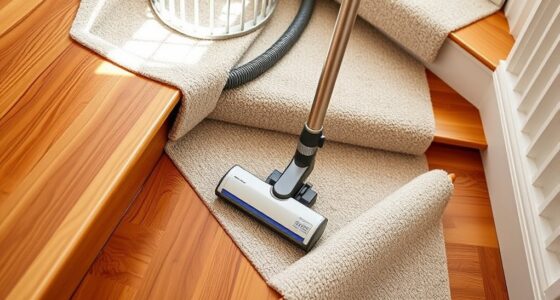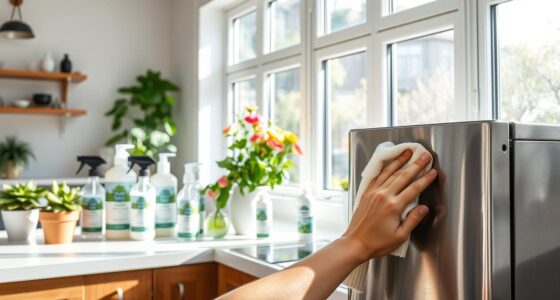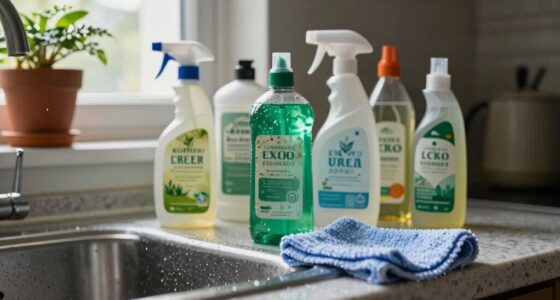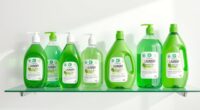
Implementing eco-friendly cleaning in schools and workplaces helps you reduce environmental impact while keeping spaces safe and healthy. By choosing biodegradable products, natural cleaners, and reusable microfiber cloths, you lower chemical use and waste. Optimizing routines to conserve water and energy further supports sustainability. Promoting awareness and responsible habits fosters a culture of environmental responsibility. If you keep exploring, you’ll discover more ways to create a cleaner, greener environment that benefits everyone involved.
Key Takeaways
- Implement biodegradable cleaning products to reduce waste and support environmental health.
- Use microfiber cloths and natural cleaners to minimize chemical use and waste.
- Educate staff and students on eco-friendly practices and responsible product use.
- Adopt sustainable routines that conserve water, energy, and reduce packaging waste.
- Promote long-term environmental benefits by choosing conscious cleaning practices and products.

Have you ever wondered if your cleaning routine could be better for the environment? Making small changes can have a big impact, especially in schools and workplaces where a lot of cleaning happens daily. One effective way to start is by switching to biodegradable products. These items break down naturally, reducing the amount of harmful waste that ends up in landfills and waterways. By choosing biodegradable cleaning supplies, you’re supporting sustainable practices that prioritize the health of the planet. It’s a simple shift that doesn’t compromise on cleanliness but considerably reduces your ecological footprint.
Using biodegradable products is just one part of adopting eco-friendly cleaning routines. Sustainable practices involve more than just the products you use—they encompass how you approach cleaning overall. For example, you can implement routines that minimize waste, like using microfiber cloths instead of disposable wipes or paper towels. Microfiber cloths are washable, durable, and often more effective at cleaning surfaces without the need for chemical cleaners. This reduces waste and cuts down on the frequency of purchasing single-use items. Additionally, you can optimize cleaning schedules to avoid excessive use of water and energy, ensuring that your efforts are efficient and environmentally conscious.
Another sustainable practice is reducing the reliance on harsh chemical cleaners. Many traditional cleaning agents contain ingredients that can harm the environment and pose health risks to staff and students. Instead, you can use natural, plant-based cleaners that are biodegradable and safe for indoor air quality. These alternatives are often just as effective when used properly and contribute to a healthier environment overall. When combined with eco-friendly cleaning tools and techniques, these practices create a safer, greener space for everyone. Incorporating eco-friendly cleaning practices also involves educating staff and students about the importance of reducing chemical use, which can foster a deeper commitment to sustainability.
You can also encourage staff and students to participate in sustainability efforts by raising awareness about eco-friendly cleaning. Educating everyone about the benefits of biodegradable products and sustainable practices helps foster a culture of environmental responsibility. Simple actions like recycling empty bottles, using refill stations for cleaning supplies, and avoiding unnecessary packaging make a difference. It’s about creating habits that align with your goal of reducing environmental impact while maintaining a clean, healthy environment.
Incorporating biodegradable products and sustainable practices into your cleaning routine may require some initial effort, but the long-term benefits are worth it. Not only do you reduce your ecological footprint, but you also promote a healthier space for everyone in your school or workplace. Small, conscious choices can lead to a cleaner planet and a better future for all.

roborock Q10 S5+ Robot Vacuum and Mop, 10,000Pa Suction, Upgraded from Q8 max+, 70 Days Self-Emptying, Obstacle Avoidance, Sonic Mopping, Dual Anti-Tangle Design, Auto Mop Lifting, Black
70 Days of Hands-Free Cleaning - Enjoy ultimate convenience with the self-emptying station. The large 2.7L dust bag...
As an affiliate, we earn on qualifying purchases.
Frequently Asked Questions
How Can Schools Measure the Effectiveness of Eco-Friendly Cleaning?
You can measure the effectiveness of eco-friendly cleaning by conducting regular cleaning audits to assess cleanliness standards and make certain eco-friendly products work well. Additionally, gather staff feedback to understand their perceptions of cleanliness and health improvements. Combining audit results with staff insights helps you evaluate whether your eco-friendly cleaning practices are successful, guiding necessary adjustments to maintain a healthy, sustainable environment.
Are Eco-Friendly Cleaning Products Cost-Effective for Large Institutions?
Ever wondered if eco-friendly cleaning products are worth the investment? They can be cost-effective for large institutions when you do a thorough cost comparison and incorporate them into your budget planning. While initial expenses might seem higher, they often save money long-term through reduced health risks and less environmental impact. So, yes, with strategic planning, eco-friendly options can fit within your budget and deliver great value.
What Training Is Needed for Staff to Implement Green Cleaning Practices?
You need to provide staff with green cleaning training that includes staff certification in eco-friendly practices. This guarantees they understand how to use green cleaning products safely and effectively. Focus on practical techniques, proper disposal, and the benefits of eco-friendly cleaning. Offering ongoing education helps staff stay updated on best practices. With proper training, your team can confidently implement green cleaning, creating a healthier environment for everyone.
How Do Eco-Friendly Cleaners Compare in Disinfectant Efficacy?
Eco-friendly cleaners often match traditional disinfectants in efficacy because of their advanced chemical formulations and adherence to certification standards like EPA’s Safer Choice. You’ll find many eco-friendly products designed specifically for disinfecting surfaces effectively, without harmful chemicals. When selecting these cleaners, check for certifications to guarantee they meet rigorous standards, giving you confidence that they disinfect just as well as conventional options while being safer for your environment and health.
What Are the Environmental Impacts of Traditional Versus Eco-Friendly Cleaning Chemicals?
Traditional cleaning chemicals often have higher chemical toxicity, which can harm ecosystems and pollute water sources. On the other hand, eco-friendly cleaners considerably reduce chemical toxicity, making them safer for the environment. They also promote waste reduction by using biodegradable ingredients and sustainable packaging. Switching to eco-friendly options helps you lower environmental impact, protect wildlife, and maintain healthier indoor air quality, all while supporting a more sustainable future.
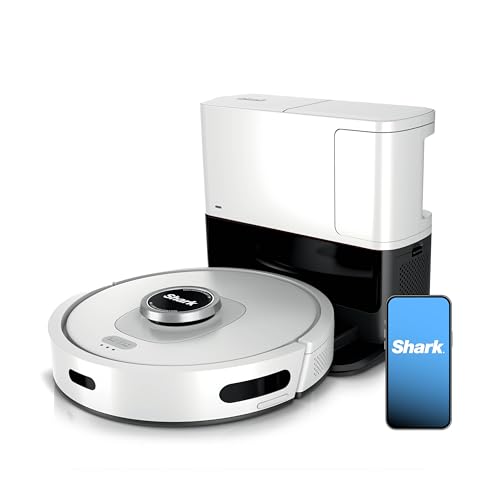
Shark Matrix Clean | Robot Vacuum Cleaner with Powerful Suction for Pet Hair, Rugs, Carpets & Hard Floors | Self-Empty Base | 60-Day Capacity | Voice Control | LiDAR Navigation | Cool Grey | AV2511AE
HIGH SUCTION POWER: Shark's powerful suction captures dirt, debris, and pet hair across all surfaces—carpets and hard floors...
As an affiliate, we earn on qualifying purchases.
Conclusion
By choosing eco-friendly cleaning, you not only protect the environment but also create healthier spaces for everyone. Every small effort counts, so don’t underestimate the power of your actions. Remember, “A clean environment is a happy environment,” and your commitment can make a real difference. Keep pushing for greener practices, and you’ll see that sustainability isn’t just a goal—it’s a way of life. Together, you can make a lasting impact, one clean space at a time.

eufy Robot Vacuum E25, 20,000 Pa Suction,HydroJet Always-Clean Roller Mop, All-in-One Robot Vacuum and Mop Combo, Edge-to-Corner Cleaning, Zero-Tangle Design, AI Obstacle Avoidance (Upgraded)
【𝐀𝐥𝐰𝐚𝐲𝐬-𝐂𝐥𝐞𝐚𝐧 𝐌𝐨𝐩𝐩𝐢𝐧𝐠 𝐰𝐢𝐭𝐡 𝐇𝐲𝐝𝐫𝐨𝐉𝐞𝐭 𝐒𝐲𝐬𝐭𝐞𝐦】Refreshes the roller mop 2 times per second with clean water, ensuring every pass...
As an affiliate, we earn on qualifying purchases.

roborock Qrevo Series Robot Vacuum and Mop, 8000Pa Suction, Upgraded from Qrevo S, Anti-Tangle Brushes, Smart Obstacle Avoidance, Auto Mop Washing, All-in-One Dock, 200RPM Spinning Mops, Black(QV 35A)
8000Pa HyperForce Suction: Engineered to deliver unmatched cleaning performance, the roborock QV 35A robot vacuum with 8000Pa powerful...
As an affiliate, we earn on qualifying purchases.