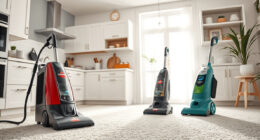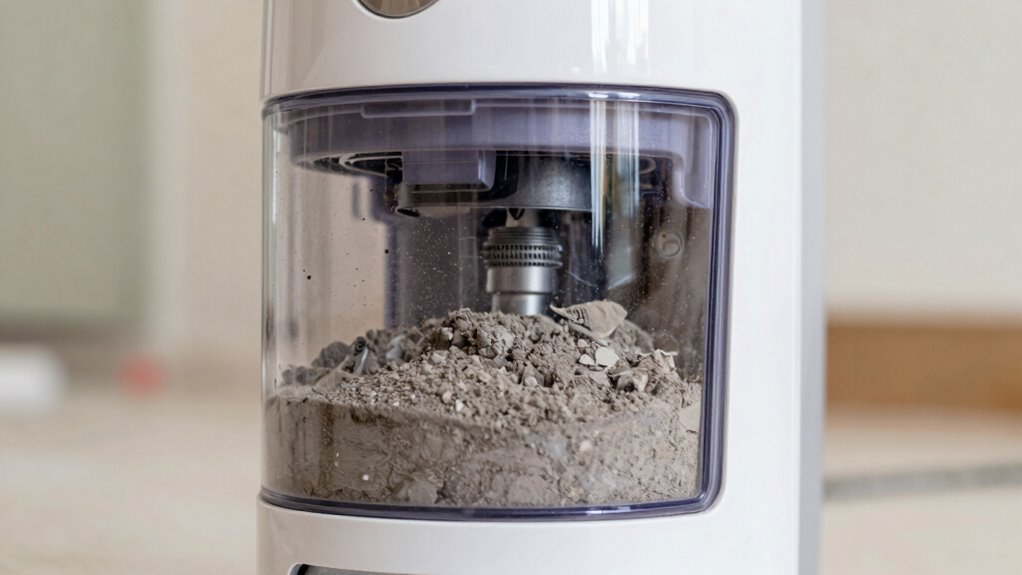

To clean your vacuum after heavy construction dust, unplug it first, then remove and empty the dustbin into outdoor trash, avoiding shaking to prevent dust release. Wash washable filters completely and let them dry fully before reinstalling. Detach and scrub the brush roller, removing tangled debris with scissors if needed. Regularly maintain your vacuum components to prevent clogs and damage, ensuring it works efficiently. Keep going to discover additional tips for thorough cleaning and maintenance.
Key Takeaways
- Unplug the vacuum and empty the dustbin outside into a trash bag to prevent dust spread.
- Rinse washable filters thoroughly with cool water and allow them to dry completely before reusing.
- Detach and clean the brush roller, removing tangled debris and dirt with scissors or a seam ripper.
- Use a damp cloth to wipe down the vacuum exterior and components, ensuring all surfaces are dust-free.
- Perform regular maintenance on filters and rollers to maintain suction power and prevent mechanical issues.
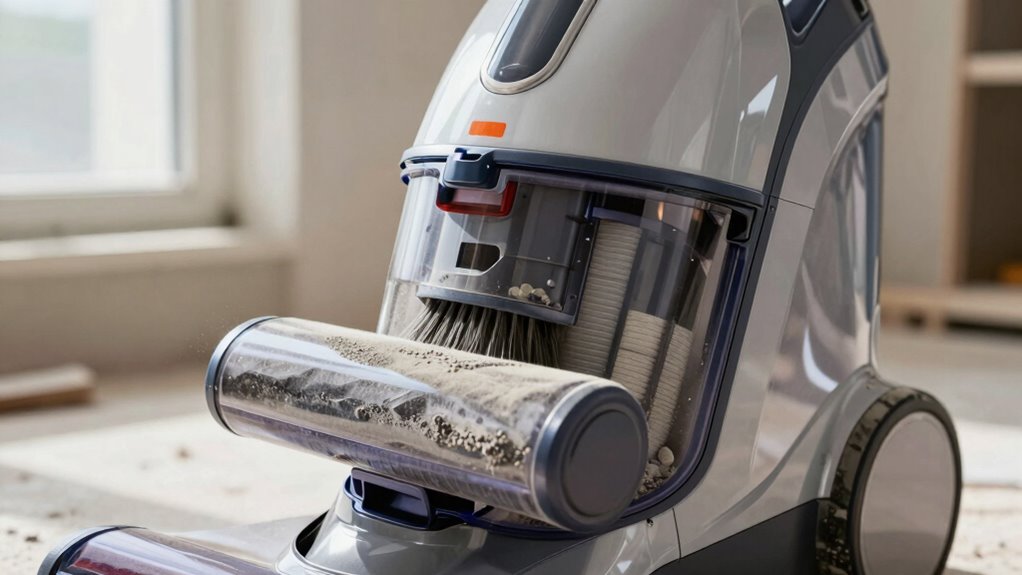
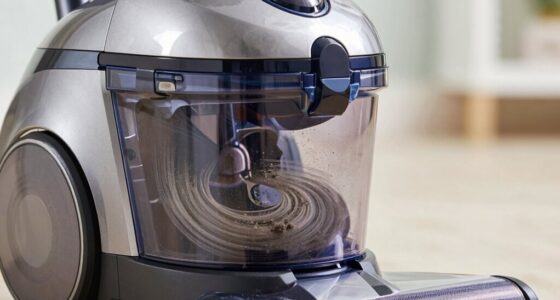
After completing a construction project, cleaning your vacuum thoroughly is essential to guarantee it continues to work effectively and doesn’t spread dust throughout your home. Heavy construction dust can clog filters, impair suction, and damage your vacuum if not addressed properly. Start by unplugging the vacuum and removing the dustbin or canister. Empty it into a trash bag, making sure to do so outside if possible, to prevent dust from settling inside your home. Be careful not to shake or tap the dustbin excessively, as this can release fine particles into the air. Once emptied, rinse the dustbin with water if your vacuum manufacturer allows, and let it dry completely before reassembly.
Next, focus on vacuum filter maintenance. Construction dust can rapidly clog filters, reducing airflow and suction power. Remove the filters according to your vacuum’s instructions. If they’re washable, gently rinse them under cool water, avoiding any harsh soaps or detergents that could damage the filtration material. Allow the filters to dry completely—this might take several hours or overnight—to prevent mold growth. If your vacuum has HEPA or foam filters that aren’t washable, replace them with new filters to ensure optimal performance. Regular filter maintenance after heavy dust exposure extends your vacuum’s lifespan and keeps it functioning efficiently. Additionally, understanding the importance of biodiversity and sustainable practices can help reduce construction waste and environmental impact in the long run. Proper disposal of dust and debris is also vital to minimize environmental harm and promote sustainable practices.
Cleaning the vacuum’s brush roller is also crucial. Dust and debris tend to wrap around the brush, diminishing its effectiveness. Detach the roller and remove tangled hair, threads, and dust. Use scissors or a seam ripper to cut away any hair or fibers wrapped tightly around the roller. Wipe the roller clean with a damp cloth and let it dry thoroughly before reinstalling. This step ensures better agitation and dirt pickup on your next use. Proper maintenance of these components can also prevent vacuum breakdowns over time.

PetOde 2 Pieces Dryer Vent Cleaner Kit Compatible with Most Vacuum Cleaner, Dryer Lint Brush and Vacuum Hose Attachment with Universal Connector, Quickly Lint Remover
[Stretch Universal Connector] PetOde dryer lint vacuum cleaner attachment is designed with a premium elasticated stretch universal connector…
As an affiliate, we earn on qualifying purchases.
As an affiliate, we earn on qualifying purchases.
Frequently Asked Questions
How Often Should I Clean My Vacuum After Construction?
You should clean your vacuum after heavy construction dust at least once a week to maintain air quality and dust containment. Regularly check and replace filters, empty the canister or bag, and clean the brushes to prevent dust buildup. This routine guarantees your vacuum functions efficiently, reduces airborne particles, and keeps your space healthier. Staying consistent with cleaning helps protect your indoor air quality and prevents dust from spreading.
Can I Use Regular Vacuum Bags for Construction Dust?
You can’t use regular vacuum bags for construction dust because they don’t provide the proper protection. Instead, opt for specialized, heavy-duty vacuum bag replacements designed for fine debris. Regular filter maintenance and timely bag changes keep your vacuum functioning flawlessly. Focus on filtering out dust and dirt, and remember, using the right bags and maintaining filters guarantees your vacuum stays powerful and pristine after heavy construction cleanup.
Is It Safe to Reuse Vacuum Filters After Heavy Dust Exposure?
Reusing vacuum filters after heavy dust exposure isn’t safe because filters trap fine particles that can harm your health if reused. You should replace the filter to guarantee proper dust containment. When disposing of construction dust, do it carefully—seal the dust in a bag and follow local disposal regulations. Regular filter replacement and proper dust disposal protect you and maintain your vacuum’s performance, preventing the spread of harmful particles.
What Precautions Should I Take During Vacuum Cleaning Post-Construction?
During vacuum cleaning after construction, you should prioritize safety by wearing appropriate safety gear like masks and gloves to avoid inhaling dust. Use air filtration systems or open windows to improve ventilation and reduce airborne particles. Regularly check and replace filters to maintain efficiency. Take your time, and avoid rushing, so dust doesn’t resurface. These precautions safeguard your health and ensure a thorough cleaning process.
Are There Specific Vacuum Models Better Suited for Construction Dust?
Yes, certain vacuum models are better suited for construction dust. Look for vacuums with high-efficiency filters like HEPA filters, which trap fine dust particles effectively. A model with a good dust containment system prevents dust from escaping back into the air, making cleanup safer. Confirm the vacuum has a sturdy filter and a sealed design to handle heavy construction debris and protect your indoor air quality.

4 Pack HEPA Vacuum Replacement Filters Compatible with AFNOP Acevac11 Cordless Vacuum Cleaner, with 4 Pack Sponge Sets
Includes 4 HEPA replacement filters and 4 pieces of sponge sets, offering great value for uninterrupted cleaning. Long-lasting…
As an affiliate, we earn on qualifying purchases.
As an affiliate, we earn on qualifying purchases.
Conclusion
Now that you know how to clean your vacuum after heavy construction dust, you’ll keep it running smoothly and extend its lifespan. Did you know that a clogged vacuum can lose up to 70% of its suction power? Regular cleaning not only improves performance but also saves you money in the long run. So, make it a habit to clear out those filters and empty the canister—it’s a simple step that makes a big difference in your home’s air quality.
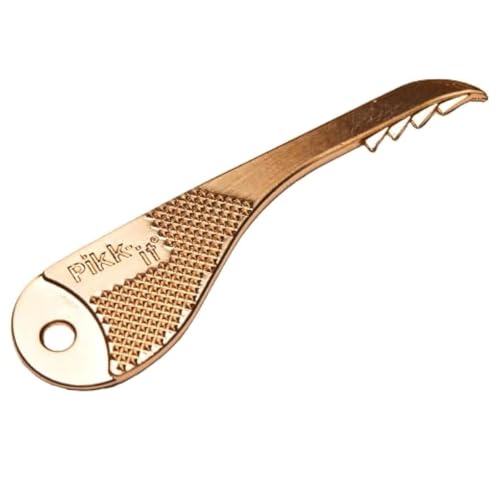
Pikk-it Vacuum Hair Brush Cleaner Tool – Removes Tangled Hair from Vacuums & Hairbrushes | Pet & Human Hair Removal Comb Rake | Improves Vacuum Cleaning Power (Single/Twin Pack) (1)
✅ WORKS ON ANY VACUUM: Pikk-it's unique design works with any vacuum, ensuring your device cleans more efficiently….
As an affiliate, we earn on qualifying purchases.
As an affiliate, we earn on qualifying purchases.

Dust Bin Box for iRobot Roomba i3 i3+ i4 i4+ i6 i6+ i7 i7+ i8 i8+ E5 E6 E7 J7 Vacuum Cleaner – Waste Dustbin Box Replacement Accessories Spare Parts with Automatic Dirt Disposal
Dust Bin Box For iRobot Roomba models, including i and j Series i1 i1+ i3 i3+ i4 i4…
As an affiliate, we earn on qualifying purchases.
As an affiliate, we earn on qualifying purchases.