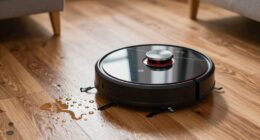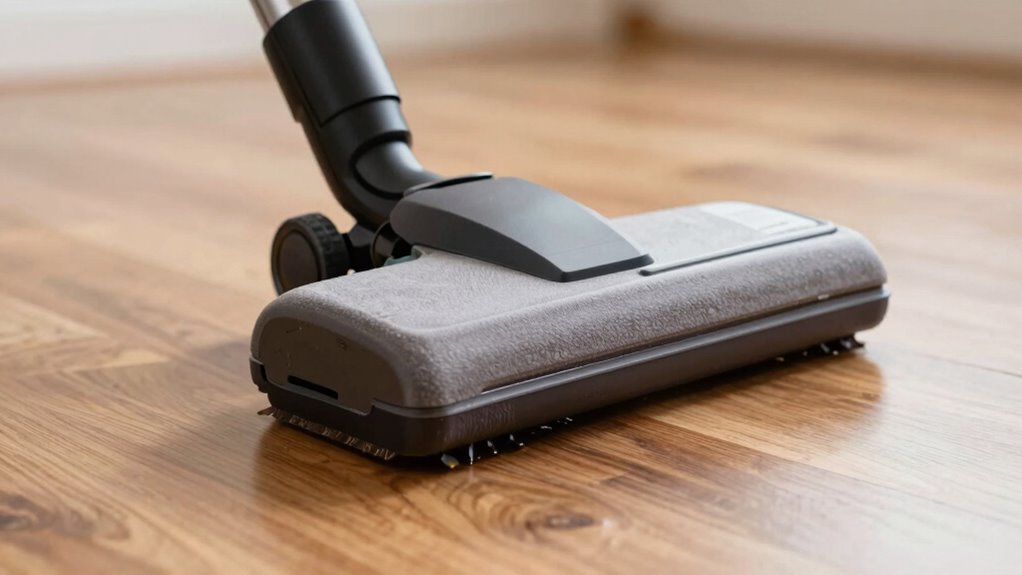

To prevent scratches from vacuum wheels and undersides, regularly inspect and clean the wheels to remove dirt and debris. Use vacuums with soft rubber or silicone wheels, and adjust the height settings to avoid scraping the floor. Keep floors debris-free and lift the vacuum when changing directions. Adding protective pads or covers can also help reduce damage. If you want more tips to keep your floors safe, there’s plenty more to discover.

Get cleaning gear delivered free — and shop member deals
- Fast, free delivery on millions of items
- Access to Prime Big Deal Days deals on October 6–7
- Prime Video, Amazon Music and more included
Key Takeaways
- Regularly inspect and clean vacuum wheels to remove debris and prevent surface scratches.
- Use vacuums with soft or rubber wheels designed for floor protection.
- Adjust vacuum height settings appropriately for different floor types to avoid scraping.
- Add protective pads or felt strips to wheels and bumpers to cushion contact with floors.
- Lift the vacuum when changing directions or moving between rooms to minimize floor contact.
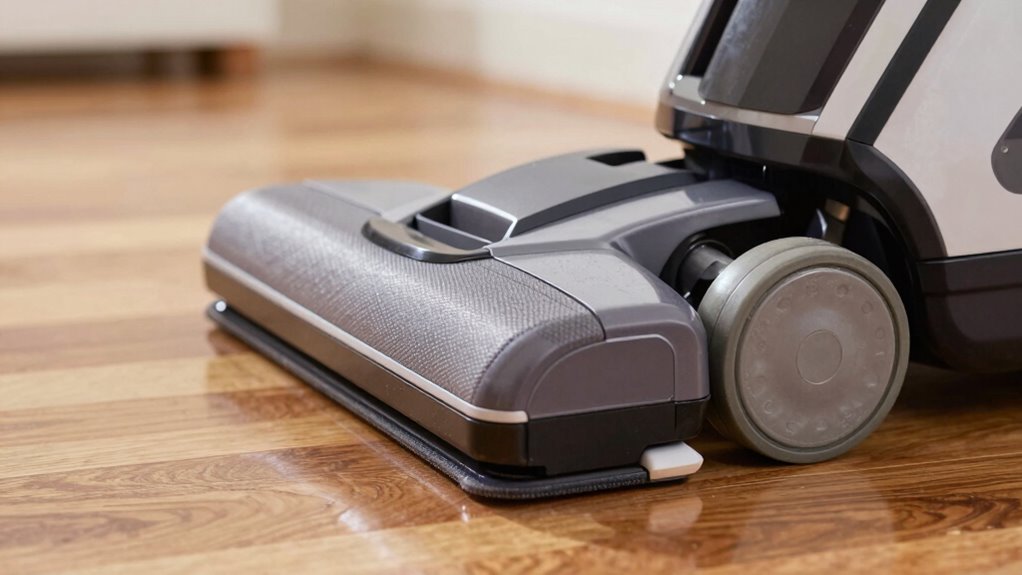
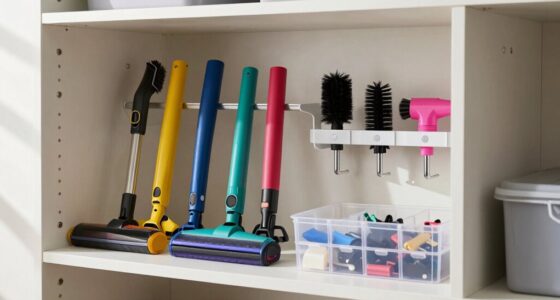
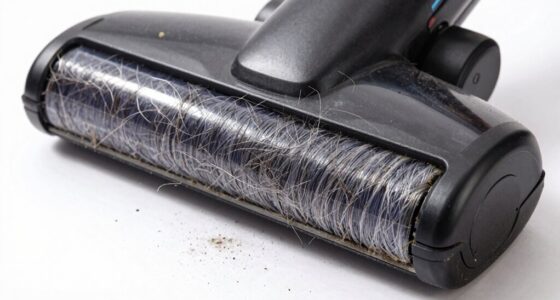
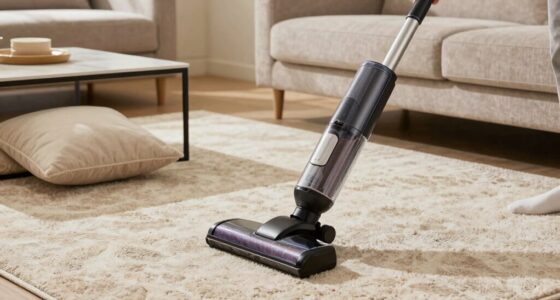
Are your vacuum wheels leaving unsightly scratches on your floors? If so, it’s time to focus on vacuum wheel maintenance and floor protection techniques to keep your surfaces looking pristine. Over time, dust, debris, and worn wheels can cause scratches, especially on delicate hardwood or laminate flooring. Regularly inspecting and cleaning your vacuum wheels is one of the simplest ways to prevent damage. Remove the wheels periodically, wipe away dirt, hair, and grime, and check for signs of wear. Replacing worn wheels promptly can make a significant difference in safeguarding your floors from scratches. Using floor protection techniques can further minimize potential damage and extend the lifespan of your floors. To effectively prevent scuffs and scratches, consider the materials your vacuum wheels are made of. Hard plastic wheels are common but can be more abrasive on softer floors. Opting for rubber or soft silicone wheels can reduce friction and serve as a buffer between the vacuum and your flooring. When shopping for a new vacuum or replacing wheels, prioritize models with softer wheels designed for floor protection. These wheels glide more smoothly and are less likely to leave marks. In addition to maintaining the wheels themselves, focus on floor protection techniques to minimize damage. Always check the area before vacuuming to remove small objects like coins, jewelry, or loose debris that could get caught in the wheels and cause scratches. Make sure your floors are free of grit and dirt, as these particles act like sandpaper when rolled under wheels. Regularly sweeping or dust-mopping the floor before vacuuming can help keep debris at bay. Another helpful tip is to avoid dragging the vacuum across the floor unnecessarily. Lift the vacuum when changing directions or moving between rooms instead of pushing it aggressively. This reduces pressure on the wheels and prevents surface scratches. Adjusting the height settings on your vacuum can also help; setting the roller height too low can cause the wheels to scrape against the floor, so ensure they are at an appropriate level for your flooring type. Additionally, choosing a vacuum with soft wheel designs can significantly decrease the risk of scratches. Using wheel covers or other protective accessories can also help distribute pressure evenly across the wheels and prevent damage. Adding protective pads or felt strips to the bottom of your vacuum’s wheels or bumpers is another effective method to safeguard your floors. These small modifications create an additional layer of cushioning, further preventing scratches. Incorporating vacuum maintenance routines and choosing the right materials for your wheels can make a noteworthy difference. Coupled with regular vacuum wheel maintenance and careful floor protection techniques, these steps help preserve the beauty of your floors while keeping your vacuum functioning smoothly. Taking these simple precautions means fewer scratches, less frustration, and a cleaner, more beautiful home.
vacuum cleaner soft rubber wheels
As an affiliate, we earn on qualifying purchases.
As an affiliate, we earn on qualifying purchases.
Frequently Asked Questions
Can Replacing Vacuum Wheels Prevent Floor Scratches?
Replacing vacuum wheels can help prevent floor scratches. Regular vacuum maintenance guarantees wheels are in good condition, reducing roughness that can damage floors. When you swap out worn or tough wheels for softer, smoother ones, you protect your floors from scratches and scuffs. This simple upgrade enhances floor protection, keeps your surfaces looking new, and extends your vacuum’s lifespan. So, yes, replacing wheels is a smart step in maintaining both your vacuum and your floors.
Do Different Floor Types Require Special Vacuum Wheels?
You might be surprised to learn that different floor types truly need specialized vacuum wheels. The material of your vacuum wheel, like rubber or plastic, affects floor type compatibility—rubber wheels are gentle on hardwood, while harder plastic ones work better on tile. Using wheels designed for your floor type prevents scratches and damage, ensuring your floors stay pristine. Always check your vacuum’s wheel material to match it with your specific flooring.
How Often Should Vacuum Wheels Be Cleaned?
You should clean your vacuum wheels and undersides at least once a month to guarantee ideal vacuum maintenance. Regular cleaning helps prevent dirt, hair, and debris from accumulating, which can scratch or damage your floors. By keeping the wheels free of debris, you protect your floors from scratches and scuffs, extending their lifespan. Consistent maintenance also keeps your vacuum functioning efficiently, making floor protection easier and more effective over time.
Are There Specific Vacuum Models Better for Delicate Floors?
Imagine gliding your vacuum over delicate floors, confident it won’t leave marks. Some models excel in vacuum maintenance, featuring soft, rubber wheels designed for fragile surfaces. These vacuums reduce the need for frequent wheel replacement and minimize scratching risks. Look for models with adjustable height settings and gentle wheels, ensuring smooth movement. Choosing the right vacuum means protecting your floors while making cleaning effortless—no scratches, no worries.
What Materials Are Best for Scratch-Proof Vacuum Wheels?
You should choose vacuum wheels made from soft, durable materials like rubber or silicone, as they’re best for floor compatibility and scratch-proofing. These wheel materials gently roll over delicate surfaces, preventing scratches and damage. Avoid hard plastics or metal wheels, which can scratch or scuff floors. By selecting wheel materials designed for floor compatibility, you protect your floors while maintaining ease of movement, ensuring your vacuum stays gentle on your surfaces.
Conclusion
By taking these simple steps, you’ll keep your floors gleaming like a mirror and your vacuum wheels cruising smoothly. Think of your floors as a delicate dance partner — gentle care guarantees they stay in perfect harmony. Regularly cleaning and protecting the wheels and undersides is like giving your vacuum a spa day, preventing scratches and keeping everything looking fresh. With a little effort, you’ll enjoy spotless floors without the worry of unwanted scratches spoiling the dance.
Halloween Picks
halloween
As an affiliate, we earn on qualifying purchases.