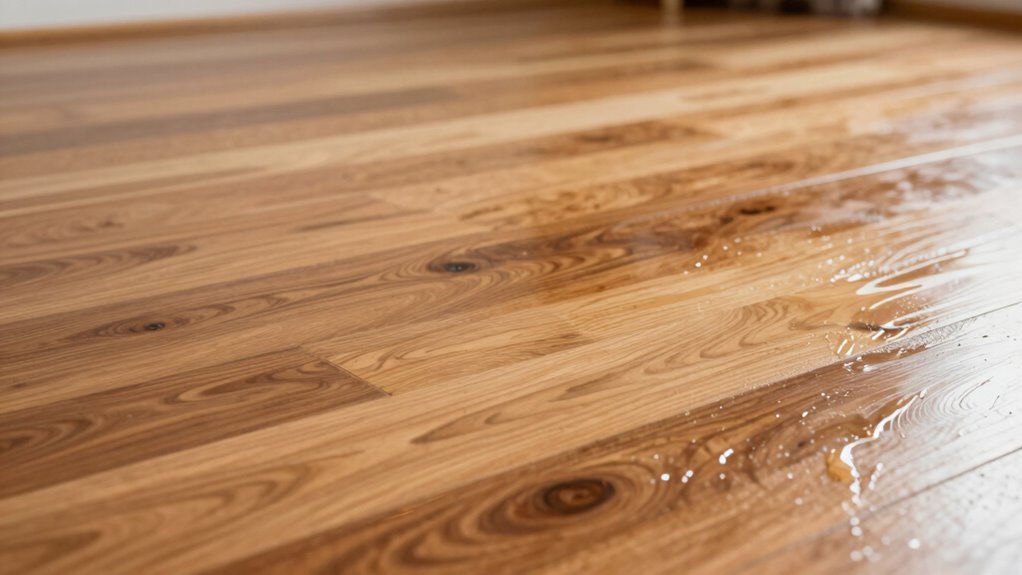

If your hard floors feel sticky after cleaning, you should first rinse the area thoroughly with plain water to remove any leftover soap or cleaning solution. Use a damp, well-wrung mop to avoid excess water and wipe in long, smooth strokes. Make sure you’re using the right cleaning solutions for your floor type, and avoid applying too much product. Proper rinsing and the right tools can help restore your floor’s shine; learn more about eliminating residue effectively.

Get cleaning gear delivered free — and shop member deals
- Fast, free delivery on millions of items
- Access to Prime Big Deal Days deals on October 6–7
- Prime Video, Amazon Music and more included
Key Takeaways
- Rinse the floor thoroughly with plain water to remove any residual cleaning solution or soap film.
- Use a clean, damp mop to go over the floor in smooth, consistent strokes for better residue removal.
- Switch to a milder or diluted cleaning solution if residue persists, ensuring compatibility with your floor type.
- Avoid using excessive cleaning product; use minimal amounts and rinse well to prevent buildup.
- Regularly maintain and inspect your cleaning tools to ensure they are clean and sanitized, preventing dirt transfer.
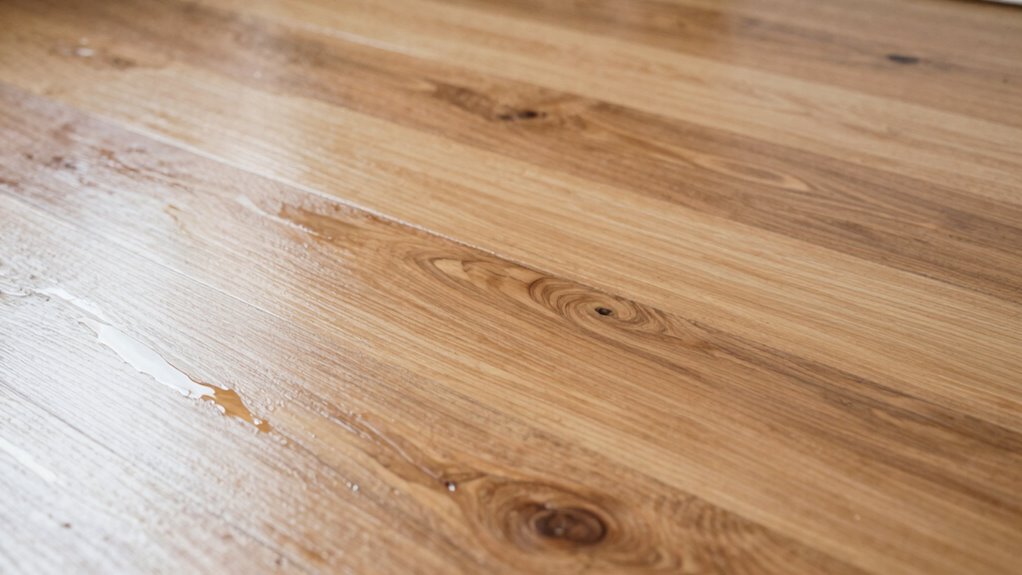
If your hard floors feel sticky after cleaning, it can be frustrating and potentially indicate a cleaning issue. You might wonder whether you’re using the right mopping techniques or if your cleaning solutions are the problem. The good news is that sticky floors usually result from improper cleaning methods or residue buildup, not from your cleaning effort itself. Addressing this problem involves adjusting your approach, especially in how you mop and what solutions you use.
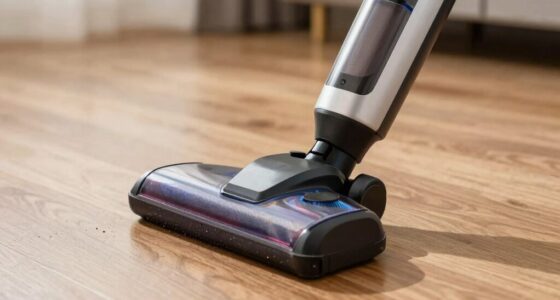
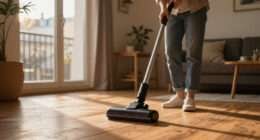
First, evaluate your mopping techniques. If you’re using a sponge mop or a traditional string mop, make sure you’re wringing it out thoroughly before each pass. Excess water can leave a film that dries sticky, especially if your mop isn’t clean. Instead, work with damp, not soaked, mops to prevent excess moisture from sitting on the surface. Use long, smooth strokes in a consistent direction, and rinse your mop frequently to avoid redistributing dirt or soap residue. Changing your mopping style to cleaner, more controlled movements can markedly reduce sticky spots. Additionally, ensuring your cleaning tools are properly maintained and sanitized can prevent dirt or residue from spreading during mopping.
Use damp, well-wrung mops with smooth, consistent strokes to prevent sticky residue buildup.
Next, scrutinize your cleaning solutions. Many commercial cleaners contain harsh chemicals or thickening agents that can leave a residue if not rinsed properly. Even natural or DIY solutions like vinegar or lemon juice can cause stickiness if not diluted correctly or if they’re not thoroughly rinsed away. When cleaning, opt for solutions formulated specifically for your floor type, and always follow the manufacturer’s instructions. If you notice residue, switch to milder options or dilute your cleaning solutions further. Sometimes, a simple rinse with plain water after cleaning can help remove any leftover film. Using proper cleaning techniques can significantly reduce residue buildup, especially on surfaces sensitive to chemical buildup. Properly rinsing and removing excess cleaning agents is essential in preventing residue buildup and achieving a clean surface. Additionally, choosing the right cleaning tools can help ensure an even application and better removal of cleaning agents.
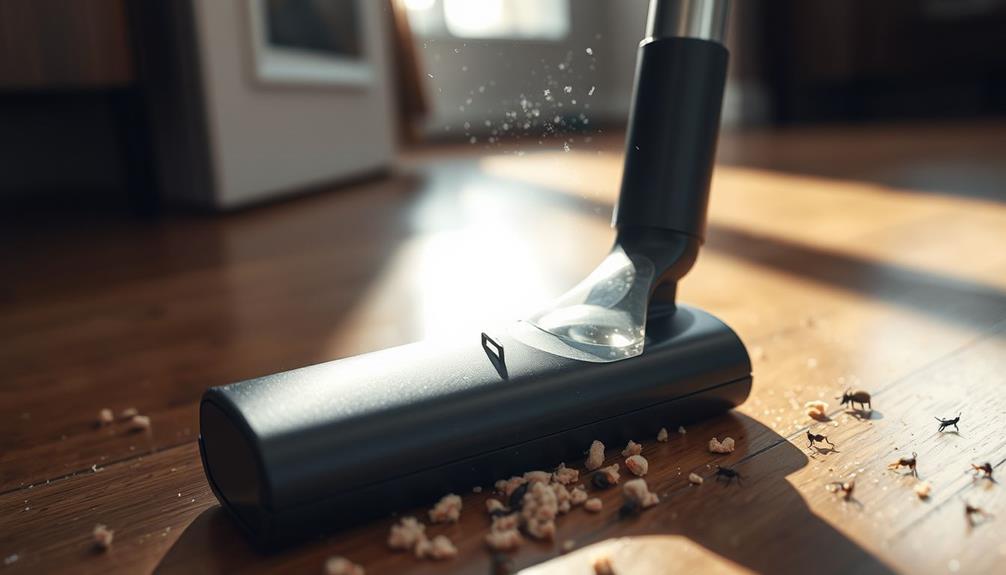
Another common cause of sticky floors is using too much cleaning solution. More isn’t always better. Excess soap or detergent can be difficult to rinse completely, leading to a sticky surface. To avoid this, use minimal amounts of cleaning solutions, and always rinse thoroughly afterward. After cleaning, go over the floor with a mop dipped in plain water to remove any lingering residues. This extra step can make a big difference in achieving a clean, streak-free finish. Being mindful of the concentration of your cleaning products can help prevent unnecessary buildup and ensure your floors stay pristine. Additionally, consider the type of floor surface you have, as some materials require different cleaning approaches to prevent stickiness.
Finally, consider the type of floor surface you have. Some materials, like vinyl or laminate, are more prone to showing residue. Regular maintenance, combined with proper mopping techniques and suitable cleaning solutions, ensures your floors stay clean and non-sticky. If you continue to experience issues, double-check the product labels, rinse thoroughly, and perhaps switch to a different cleaning method to find what works best. Paying attention to cleaning methods and the solutions you use can help eradicate that frustrating stickiness and restore your floors’ natural shine. Consistent floor maintenance can help prevent future buildup and keep your surfaces looking their best.
mop with adjustable wringing mechanism
As an affiliate, we earn on qualifying purchases.
As an affiliate, we earn on qualifying purchases.
Frequently Asked Questions
Can Using Too Much Cleaning Product Cause Stickiness?
Yes, using too much cleaning product can cause stickiness due to cleaning residue and product buildup. When you apply excessive cleaner, it doesn’t rinse away completely, leaving behind sticky residue that makes your floors feel tacky. To fix this, you should rinse the floors with clean water after cleaning, ensuring all excess product is removed. Regularly using the correct amount of cleaner helps prevent this sticky buildup and keeps your floors smooth.
How Often Should I Deep Clean My Floors?
You should deep clean your floors every few months to keep them pristine, though it might feel excessive. Ironically, frequent DIY remedies can sometimes worsen the stickiness. For stubborn grime, consider professional cleaning services, especially if DIY efforts fall short. Regular deep cleaning prevents buildup, but don’t overdo it—too much scrubbing can damage your floors. Balance is key to keeping them spotless and avoiding that sticky residue.
Are Certain Floor Types More Prone to Stickiness?
Yes, some floor materials are more prone to stickiness. For example, vinyl and laminate floors can trap residues if cleaning techniques aren’t thorough, causing stickiness. Hardwood floors might feel sticky if excess cleaning solutions aren’t fully removed. To prevent this, choose the right cleaning techniques for your specific floor material, like using less water or gentle cleaners, and guarantee you rinse thoroughly to avoid residue buildup that causes stickiness.
Is It Safe to Use Vinegar on Sealed Hardwood Floors?
Yes, it’s safe to use vinegar on sealed hardwood floors, but with caution. Vinegar safety is key—dilute it with water (about 1 cup vinegar to a gallon of water) to prevent damage. Always test a small, hidden area first to make sure it doesn’t dull the finish. Use a damp mop rather than soaking, and avoid using vinegar too frequently, as overuse can wear down the seal over time.
How Can I Prevent Future Stickiness After Cleaning?
Did you know that many cleaning myths lead to sticky residue? To prevent future stickiness, skip harsh chemicals and avoid overusing floor polish, which can build up and trap dirt. Instead, use a gentle cleaner and rinse thoroughly. Regularly mop with clean water, and steer clear of leaving residues. These tips keep your floors shiny and sticky-free, ensuring a spotless, long-lasting finish.
Conclusion
If your floors still feel sticky after cleaning, try rinsing again with clean water and a little vinegar to cut through residue. Make sure you’re not using too much cleaning solution, and dry the floor thoroughly. Think of it like polishing a knight’s armor—sometimes, a second pass reveals the true shine. With patience and the right technique, your floors will be as spotless and smooth as a freshly painted portrait in the Sistine Chapel.
Fall Picks
fall essentials
As an affiliate, we earn on qualifying purchases.