To pair an air purifier with better dusting habits, start by placing it centrally in your space for ideal airflow and efficiency. Regularly dust surfaces with microfiber or damp cloths to prevent particles from becoming airborne. Focus on high-traffic areas, curtains, and soft furnishings. Keep windows closed when the purifier runs and check filters frequently. Combining these habits with proper ventilation and vacuuming further improves indoor air quality. Keep going to discover more ways to create a healthier home environment.

Get cleaning gear delivered free with Prime
- Fast, free delivery on millions of items
- Prime Video, Amazon Music and more included
- Member-only deals all year
Key Takeaways
- Position the air purifier centrally in the room for optimal air circulation and dust removal.
- Establish a regular dusting schedule using microfiber or damp cloths to trap dust effectively.
- Keep windows closed during purifier operation to maximize filtration efficiency.
- Pair dusting with frequent vacuuming using a HEPA-filter vacuum to reduce dust sources.
- Maintain and replace air purifier filters as recommended to ensure consistent air cleaning performance.
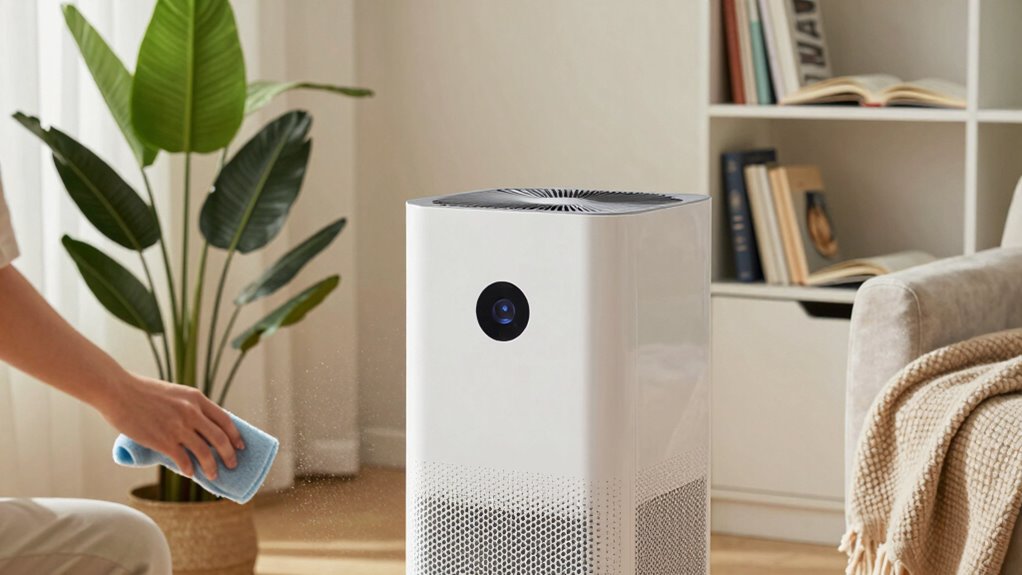
Keeping your indoor air clean goes beyond just turning on an air purifier; it also requires regular dusting to reduce the amount of particles floating in the air. When you dust consistently, you’re actively working on air quality improvement by removing the dust that can settle on surfaces and become airborne again. Dust accumulation prevention is key to maintaining a healthier environment, especially if someone in your household has allergies or respiratory issues. The combination of an efficient air purifier and diligent dusting creates a powerful duo that keeps indoor air cleaner and healthier.
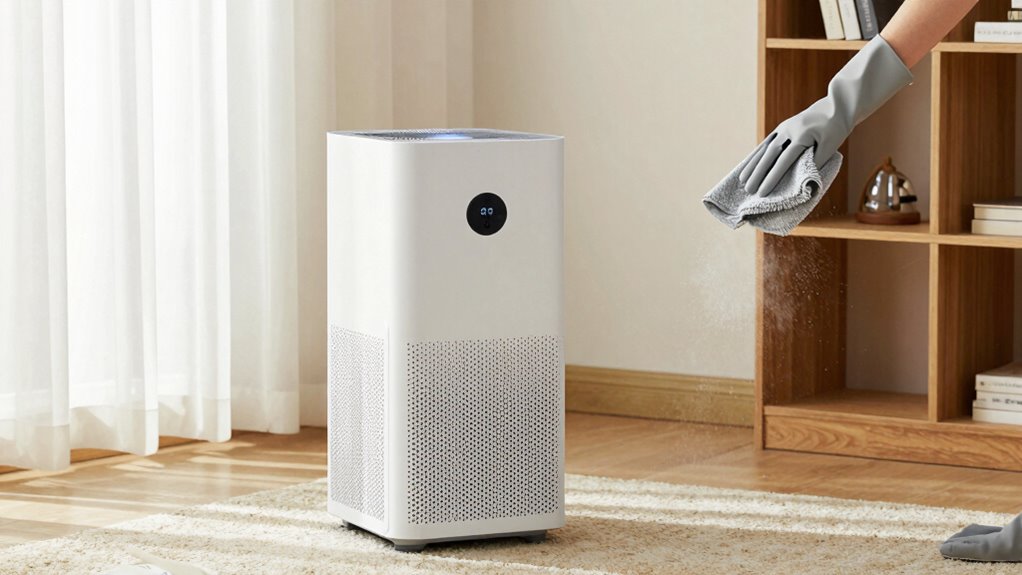
You should start by establishing a regular dusting routine—preferably daily or every other day—using a microfiber cloth or damp cloth that traps dust instead of just spreading it around. When you dust, focus on high-traffic areas, surfaces near your HVAC vents, and soft furnishings like curtains, upholstery, and bedding, as these tend to trap more dust particles. This routine prevents dust from building up over time, which otherwise would continually get stirred into the air, making your air purifier work harder and less efficiently. By reducing dust accumulation, you’re not only making your indoor air cleaner but also extending the lifespan of your purifier’s filters.
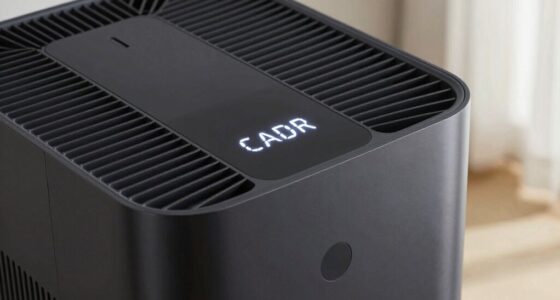
Pairing your dusting habits with your air purifier also means paying attention to the placement of the device. Position it in a central location where it can circulate air effectively without obstruction. Keep doors and windows closed when running the purifier to maximize its effectiveness. Regularly check and replace filters as recommended by the manufacturer, because clogged filters reduce airflow and hinder air quality improvement efforts. When dust is minimized through consistent cleaning, your air purifier can focus on filtering out smaller particles like pollen, pet dander, and airborne pollutants, making it more effective overall. Additionally, understanding the importance of air purifier placement can significantly enhance its performance.
Furthermore, increasing home ventilation by opening windows periodically can help dilute indoor pollutants and reduce humidity levels, supporting your dusting and filtration efforts. Proper ventilation strategies help prevent the buildup of indoor pollutants that can contribute to poor air quality. Finally, don’t forget to incorporate other small habits that support your dusting and air quality goals. For example, vacuum carpets and rugs frequently with a HEPA-filter vacuum cleaner, and consider removing shoes at the door to prevent tracking in dirt and dust. Maintaining a clean, dust-free environment not only enhances the efficiency of your air purifier but also creates a healthier space for everyone. Regularly ventilating your home can further improve indoor air quality by reducing indoor pollutants and humidity levels. Moreover, understanding the role of dust in indoor air quality can help you better target your cleaning efforts for optimal results. When you combine regular dusting with a well-positioned, properly maintained air purifier, you’re actively reducing airborne particles, preventing dust buildup, and creating a more comfortable, healthier indoor environment.
HEPA air purifier for dust removal
As an affiliate, we earn on qualifying purchases.
As an affiliate, we earn on qualifying purchases.
Frequently Asked Questions
Can an Air Purifier Eliminate All Types of Dust Particles?
An air purifier can’t eliminate all dust particles, but it substantially improves air quality by targeting specific dust particle sizes. It effectively removes larger particles like pet dander and pollen, but smaller particles, such as ultrafine dust, may still linger. To meet air quality standards, choose a purifier with HEPA filters that capture a broad range of dust sizes, and pair it with regular dusting for peak results.
How Often Should I Replace the Air Purifier Filters?
Think of your air purifier filters as the unsung heroes battling dust daily. You should replace filters according to the manufacturer’s recommended replacement schedule, usually every 3 to 6 months. Regular filter maintenance keeps your air clean and the device running smoothly. Don’t wait for a decline in performance—timely replacements guarantee your purifier continues to fight dust effectively and maintains your home’s air quality.
Do Air Purifiers Reduce Allergens From Pet Dander?
Yes, air purifiers can considerably reduce allergens from pet dander, helping those with pet allergies breathe easier. They capture tiny pet dander particles, improving indoor air quality. To maximize dust mitigation, pair your air purifier with regular dusting and cleaning. Make sure to select a purifier with a HEPA filter, as it effectively traps pet allergens. Consistent use will create a cleaner, healthier environment for you and your pets.
Can I Use Multiple Air Purifiers in One Room?
Using multiple air purifiers in one room can be effective if you consider room size and purifier placement. For example, in a large living room, placing two purifiers strategically near seating areas ensures better coverage. Just make sure they don’t block airflow or sit too close together, which can reduce efficiency. Proper placement maximizes air circulation, helping you attain cleaner air and reduce allergens more effectively.
Are Air Purifiers Effective Against Indoor Mold Spores?
Yes, air purifiers can effectively reduce indoor mold spores, especially if equipped with HEPA filters. To enhance mold prevention, pair your purifier with humidity control—keeping levels between 30-50% prevents mold growth. Regularly clean and maintain your purifier, and guarantee good ventilation. This combo helps eliminate spores from the air, making your environment healthier and reducing the risk of mold-related issues.
Conclusion
By pairing your air purifier with better dusting habits, you’re creating a powerful shield against airborne allergens and dust. Think of it as assembling a dynamic duo—each one amplifying the other’s strength to keep your home fresher and healthier. When you make dusting a regular ritual, you’re not just removing particles; you’re sweeping away the chaos, allowing clean, crisp air to breathe life into your space. Together, they turn your home into a sanctuary of purity.
Halloween Picks
halloween
As an affiliate, we earn on qualifying purchases.