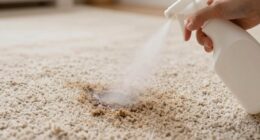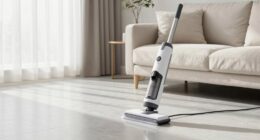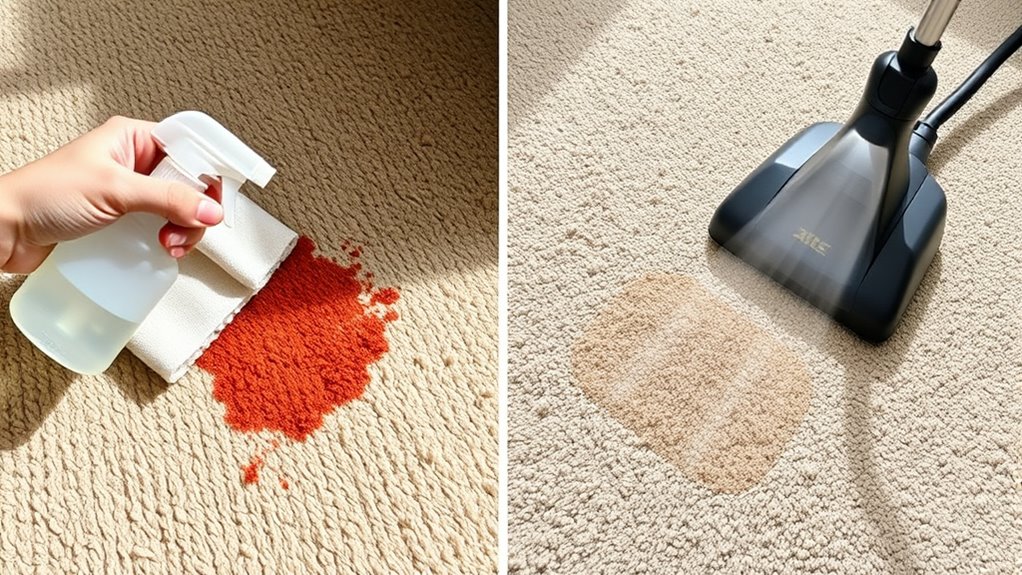

Spot cleaning focuses on targeted stains and small areas using specific solutions and minimal equipment, making it quick and effective for localized dirt. Steam cleaning, on the other hand, uses high-temperature vapor to thoroughly sanitize entire surfaces or fabrics, ideal for deep cleaning and disinfecting. Proper technique and equipment care are key for both methods to prevent damage and maximize results. Keep going to discover more tips to choose and master each cleaning style effectively.
Key Takeaways
- Spot cleaning targets specific stains using gentle solutions, while steam cleaning uses high-temperature vapor to sanitize entire surfaces.
- Use appropriate solutions and test small areas first to prevent fabric damage during spot cleaning; steam cleaning relies on proper equipment maintenance.
- Proper equipment maintenance for steam cleaners ensures consistent vapor quality and prolongs device lifespan, enhancing cleaning effectiveness.
- Spot cleaning is ideal for localized stains, whereas steam cleaning is effective for deep sanitization and overall surface refreshment.
- Combining both methods with proper tools and solutions optimizes cleaning results and extends fabric and equipment longevity.
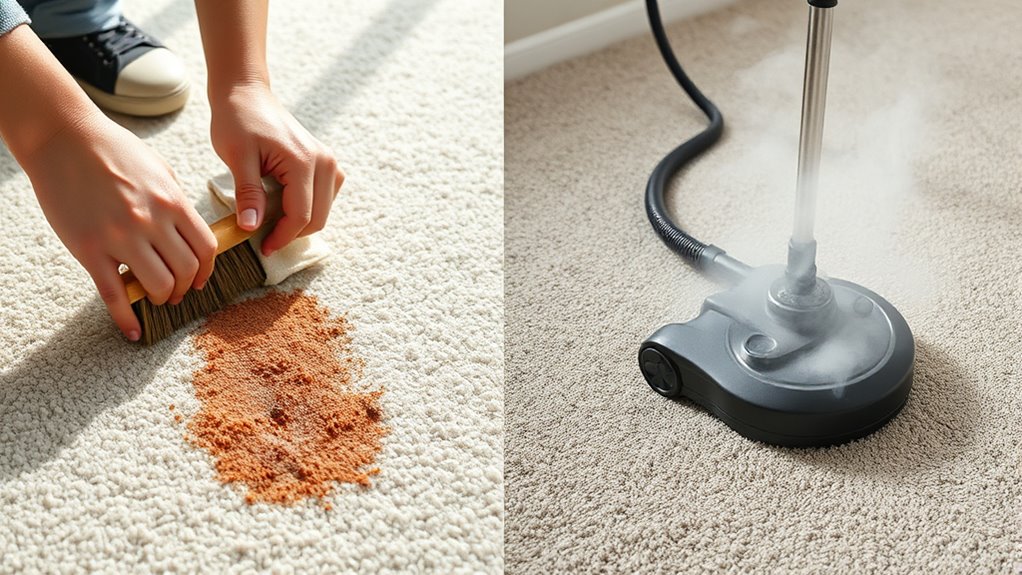
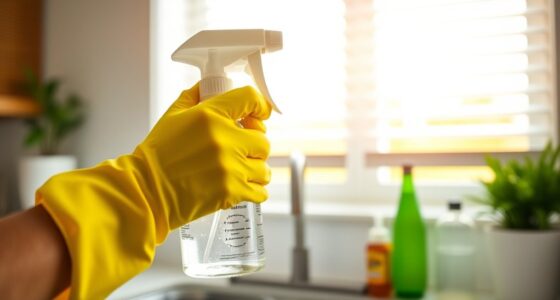
When you’re spot cleaning, selecting the right cleaning solutions is crucial. You want solutions that are effective yet gentle enough not to damage your fabric or fibers. Always check the label and test a small, hidden area first to prevent discoloration or damage. Using the appropriate cleaning solutions also minimizes the need for excessive scrubbing, which can wear out fibers over time. Equipment maintenance plays a significant role here too; keep your spot cleaning tools, such as spray bottles or handheld extractors, clean and in good working condition. Regularly rinsing and inspecting your equipment prevents residue buildup, which could interfere with cleaning effectiveness or cause staining. Additionally, incorporating expert advice can help you choose the most suitable products and techniques for your specific cleaning needs. Steam cleaning requires a different kind of equipment maintenance. If you own a steam cleaner, it’s vital to follow the manufacturer’s instructions for cleaning and descaling the device. Mineral deposits from tap water can clog the machine, reducing its efficiency, so using distilled water or descaling agents is recommended. Proper maintenance ensures your steam cleaner produces consistent, high-temperature vapor that penetrates deep into fibers, lifting dirt and allergens thoroughly. Additionally, regularly inspecting and replacing parts like filters and hoses helps keep the machine functioning optimally. Using the right cleaning solutions in your steam cleaner, typically those formulated specifically for steam cleaning, also enhances performance and prolongs the lifespan of the equipment.
Frequently Asked Questions
Can Spot Cleaning Eliminate Deep-Seated Stains?
Spot cleaning can remove surface stains effectively, but it usually can’t eliminate deep-seated stains. For stubborn, embedded stains, you might need specialized stain removal techniques or steam cleaning. Relying solely on spot cleaning could lead to incomplete stain removal and potential surface damage if you use harsh chemicals or scrub too aggressively. To guarantee thorough stain removal without damaging your surface, consider a professional steam cleaning service for deep-seated stains.
How Long Does Each Cleaning Method Typically Take?
Imagine a race between a quick dart and a steady marathon. Spot cleaning usually takes just a few minutes—around 5 to 15—making it a swift fix. Steam cleaning, however, is like a marathon, typically lasting 30 minutes to an hour depending on the area. The cleaning duration varies with the size of the stain or area, but overall, spot cleaning is faster, while steam cleaning takes more time for a thorough job.
Are There Surfaces Unsuitable for Steam Cleaning?
Certain surfaces aren’t suitable for steam cleaning due to cleaning limitations. You should avoid using steam on delicate materials like untreated wood, soft fabrics, or painted surfaces, as high heat can cause damage or discoloration. Porous surfaces, such as unsealed grout or natural stone, may also not respond well to steam cleaning. Always check manufacturer guidelines and test a small area first to prevent any unwanted damage.
Is Special Training Needed to Operate Steam Cleaners?
Think of operating a steam cleaner like wielding a powerful wand—you’ll need specialized training to master its magic. You don’t just jump in blindly; proper steam cleaner operation guarantees safety and effectiveness. While some models are user-friendly, others demand a bit of instruction. Investing in specialized training helps you harness the full potential of your equipment, prevent damage, and achieve spotless results with confidence and control.
How Often Should I Perform Spot Versus Steam Cleaning?
You should perform spot cleaning whenever you notice stains or spills to quickly prevent them from setting. Use appropriate cleaning chemicals for effective results, and guarantee your equipment is well-maintained to avoid damage. Steam cleaning can be scheduled monthly or quarterly for overall deep cleaning, depending on your space’s foot traffic. Regular maintenance of your equipment helps it function efficiently, ensuring both cleaning methods deliver supreme results.
Conclusion
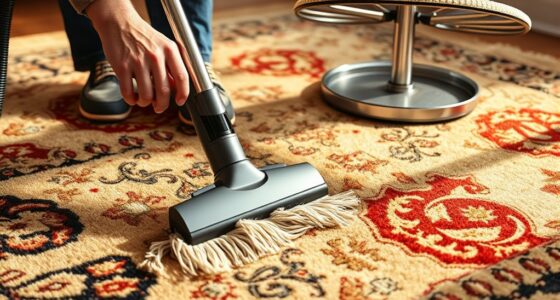
Whether you’re tackling a stubborn stain or giving your entire carpet a fresh refresh, understanding the differences between spot cleaning and steam cleaning helps you choose the right approach. Think of spot cleaning as a quick brushstroke—targeted and precise—while steam cleaning is like a deep breath for your home, revitalizing every fiber. By knowing when to use each, you keep your space feeling clean and inviting, like walking through a crisp, fresh morning.