TL;DR

Get cleaning gear delivered free with Prime
- Fast, free delivery on millions of items
- Prime Video, Amazon Music and more included
- Member-only deals all year
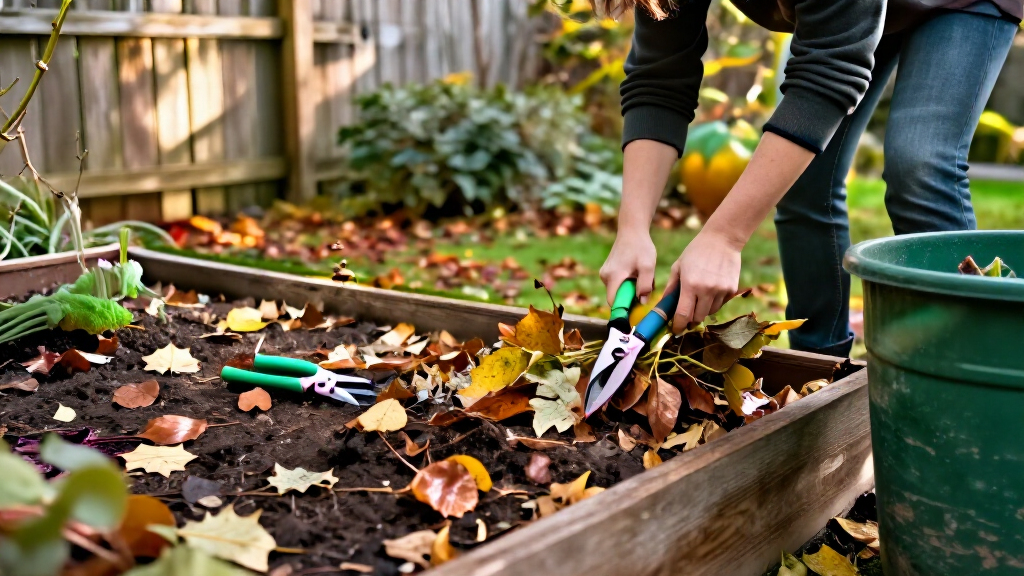
An Ideal Home report outlines five ways to reuse garden clippings this autumn: make leaf mould, chop and drop suitable stems, create wildlife habitat, add suitable material to compost and use clippings as mulch. Experts caution against composting diseased plants, perennial weeds or seeded material, and against piling wet grass over plant crowns.
An Ideal Home report has outlined five ways gardeners can reuse autumn plant clippings, including making leaf mould, composting suitable material and leaving chopped stems on borders. The advice, attributed to horticulture and gardening experts, offers alternatives to discarding pruning waste while flagging materials and methods that can cause problems.
The five options are to collect deciduous leaves for leaf mould; chop and leave suitable herbaceous stems and foliage on beds; retain some clippings as wildlife habitat; compost appropriate soft garden waste; and spread clippings as a thin layer of mulch. Each use depends on the type and condition of the material, so the report does not recommend treating every clipping alike.
Richard Barker, horticultural expert and commercial director of LBS Horticulture, says leaves can be put in a black bin bag with air and drainage holes, then left loosely tied for about a year. He says finished leaf mould should be dark, soft and crumbly, and can be used as mulch or mixed with compost when planting. For border waste, Melissa Quinney, a gardening expert at Cabin Master, recommends cutting suitable spent perennial stems and foliage into smaller pieces and leaving them on the soil to break down over winter.
For compost, Quinney says soft stems, spent flowers and grass cuttings can be added, but advises excluding perennial weeds, diseased material and plants that have gone to seed. She also recommends turning the heap occasionally and keeping it moist. Barker says clippings can support wildlife: insects may overwinter in grass piles or hollow trimmed stems, while decomposers such as fungi and earthworms help break material down.
Turning Pruning Waste Into Garden Resources
Reusing clippings can reduce the amount of garden material thrown away and return organic matter to beds, soil or a compost heap. The report says leaf mould can condition soil, while chopped border material and compost can feed it as they break down. These are practical options for gardeners preparing beds over winter, though the source does not quantify any expected improvement in soil or plant growth.
Leaving selected piles or hollow stems in place may also provide shelter for insects during colder months, according to Barker. That benefit depends on the material and where it is left: a tidy-looking garden is not the only consideration, but neither should all pruning waste be left indiscriminately. Diseased plants, seeded weeds and thick layers of wet grass need different handling from healthy leaves or soft stems.
As an affiliate, we earn on qualifying purchases.
October Pruning Leaves Useful Material
The report frames the advice around plants that benefit from October pruning, including shrubs, trees and hedges that can produce leaves alongside stems. Rather than treating the resulting material as a single category of garden waste, it separates leaves, soft clippings, grass and hollow branches because they can serve different purposes.
Its recommendations are attributed to Barker and Quinney, whose comments cover leaf mould, border care, wildlife and compost. The article also notes that mulch can help regulate soil temperature, suppress weeds and add organic matter. These are general gardening benefits described in the source, not guarantees for every plant or garden condition.
“You can use fallen or clipped leaves in your garden to make leaf mould.”
— Richard Barker, horticultural expert and commercial director of LBS Horticulture
Which Clippings Suit Each Method
The source does not specify which plant species are suitable for chop-and-drop treatment, how thick a mulch layer should be, or how garden conditions affect the results. It advises avoiding diseased material, perennial weeds and seeded plants in compost, but does not explain disposal methods for those materials. Gardeners should also distinguish healthy, dry clippings from wet grass that could smother plant crowns if applied too thickly.
The report gives an approximate one-year decomposition period for leaf mould, but does not provide a guarantee of when a particular batch will be ready. It also offers expert recommendations rather than comparative trials or measured outcomes. Readers should treat the stated benefits as gardening guidance, not quantified promises.
Sort Clippings After Autumn Pruning
After pruning, gardeners can sort material by type and condition: collect deciduous leaves for a ventilated bag, chop appropriate healthy stems for borders, set aside suitable clippings for compost, and use dry material sparingly as mulch. Some piles or hollow stems can be left where they provide wildlife shelter without obstructing garden use.
Compost may be ready for use next spring, Quinney says, while leaf mould typically needs about a year to break down under Barker’s method. The report does not provide a calendar for all garden waste, so readiness will depend on decomposition. Check material before reusing it, and keep diseased plants, perennial weeds and seeded clippings out of the compost heap.
Key Questions
What are five ways to reuse autumn garden clippings?
The report suggests making leaf mould, chopping suitable stems for borders, leaving some material as wildlife habitat, composting appropriate clippings and using clippings as mulch.
How long does leaf mould take to make?
Richard Barker’s method leaves deciduous leaves in a ventilated, loosely tied bag for about a year. Finished leaf mould should be dark, soft and crumbly, he says.
Which clippings should not go into the compost heap?
Melissa Quinney advises keeping out perennial weeds, diseased material and plants that have gone to seed, because they can cause problems later.
Can fresh grass clippings be used as mulch?
They can be used carefully, but Barker warns against packing fresh, wet grass thickly over plant crowns. A dense wet layer can turn slimy, restrict air and contribute to rot.
Source: rss
Halloween Picks
halloween
As an affiliate, we earn on qualifying purchases.