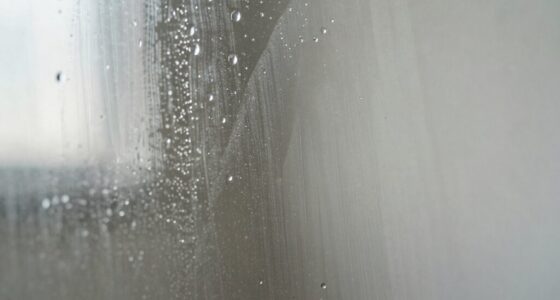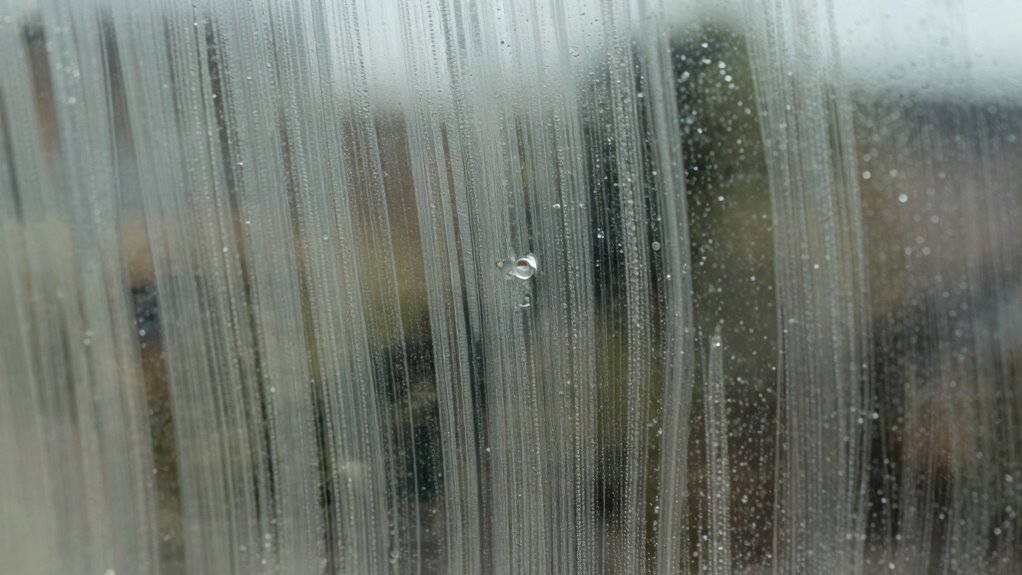

Homemade glass cleaner can streak if you don’t control how the chemicals react or how you apply and dry it. Using too much cleaner or wiping with a rough cloth spreads dirt instead of removing it, and circular motions can leave streaks. Rapid evaporation from improper drying causes uneven spots. When the solution isn’t applied evenly or dried too quickly, streaks appear. Keep these tips in mind to improve your results—your glass will shine clearer if you understand how to manage these factors.

Get cleaning gear delivered free — and shop member deals
- Fast, free delivery on millions of items
- Access to Prime Big Deal Days deals on October 6–7
- Prime Video, Amazon Music and more included
Key Takeaways
- Excess cleaner or uneven spray causes residue that leads to streaks on glass surfaces.
- Using rough cloths or wiping in circles can smear dirt, resulting in streaks.
- Rapid evaporation due to environmental factors creates uneven drying and streaks.
- Residues from improper chemical reactions or leftover soap can dry and leave streaks.
- Not wiping thoroughly or using improper drying techniques leaves mineral marks and streaks.
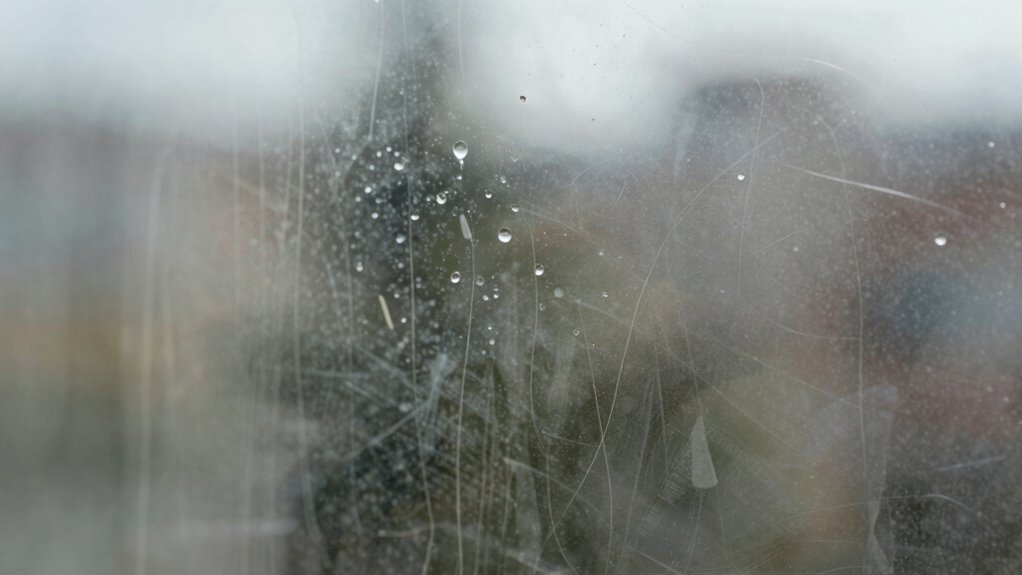
If you’ve ever used a homemade glass cleaner only to end up with stubborn streaks, you’re not alone. Many people face this frustrating issue, often wondering what went wrong. The root cause often lies in the complex nature of chemical reactions and the cleaning techniques used during application. When you spray a homemade solution—usually made of vinegar, water, or lemon juice—onto glass surfaces, you’re relying on simple chemical reactions to lift dirt and grime. But if these reactions aren’t balanced or properly managed, they can leave behind residues that cause streaks. For example, vinegar’s acidity can react with mineral deposits or soap residues, creating a film on the glass. If you don’t wipe it off thoroughly, those residues dry onto the surface, leaving streaks behind.
Your cleaning techniques play an essential role in preventing streaks. If you spray the cleaner on too much at once or use a rough cloth, it can lead to uneven distribution of the solution. When you wipe in circular motions or press too hard, you risk smearing dirt around rather than removing it. Additionally, if you don’t use a clean, lint-free cloth, you might be introducing new particles that cling to the glass as it dries. The way you dry the surface also matters—allowing the cleaner to air dry can leave mineral marks or streaks, especially if your water contains high mineral content. Instead, using a microfiber cloth and wiping in straight, vertical or horizontal strokes helps guarantee a streak-free finish. Moreover, understanding the chemical reactions involved can help you optimize your cleaning process for better results. Proper cleaning techniques can significantly reduce the chances of streaks forming, leading to clearer, shinier glass. Paying attention to the application method can also make a noticeable difference in achieving a streak-free shine. Additionally, controlling the temperature and humidity during cleaning can improve the overall outcome and prevent streaks from forming due to rapid evaporation or uneven drying. Being mindful of the cleaning environment can further enhance your results and help avoid streaks.
As an affiliate, we earn on qualifying purchases.
Frequently Asked Questions
Can Homemade Glass Cleaner Damage Tinted Windows?
Homemade glass cleaner can damage tinted windows if it contains harsh chemicals like ammonia or alcohol, which may cause chemical damage to the tinted film. To protect your tinted windows, avoid using acidic or ammonia-based cleaners. Instead, opt for a gentle, vinegar-based solution or a cleaner specifically designed for tinted glass. This way, you prevent streaks and keep your windows clear without risking damage.
How Long Should I Wait Before Wiping the Cleaner?
You should wait just a few minutes for the homemade glass cleaner to dry before wiping. Use gentle drying techniques like a microfiber cloth or a squeegee to avoid streaks. Proper surface preparation guarantees dirt and grime are loosened, reducing streaks. Rushing too soon can cause smudges, so giving the cleaner time to work improves clarity. Once it’s mostly dry, wipe gently for a streak-free, sparkling finish.
Is Distilled Water Necessary for Homemade Glass Cleaner?
You don’t necessarily need distilled water for your DIY cleaning, but using it can make a big difference. Water purity is key to avoiding streaks, especially on glass. Tap water often contains minerals that leave spots or streaks. So, if you want a streak-free shine, opt for distilled water—it’s purer, guarantees cleaner results, and helps your homemade glass cleaner perform at its best, giving you sparkling, streak-free windows every time.
Can I Use Homemade Cleaner on Mirrors?
Yes, you can use homemade solutions on mirrors for window cleaning. Just make sure to use a gentle, streak-free cleaner, like a mix of vinegar and water, and apply it with a soft cloth or paper towel. Avoid harsh or abrasive substances that could damage the mirror’s surface. Using homemade glass cleaner is effective, but always test a small area first to verify it doesn’t cause streaks or damage.
Does the Type of Cloth Affect Streaks?
Yes, the cloth material considerably affects streaks when using homemade glass cleaner. Microfiber cloths are best because they trap dirt and don’t leave lint, ensuring a streak-free shine. Avoid using rough or cotton cloths, which can push dirt around or leave fibers behind. Use a gentle cleaning technique—dabbing and wiping with a clean, damp microfiber cloth—so you don’t create streaks and get a crystal-clear finish.
Conclusion
So, when your homemade glass cleaner leaves streaks, think of it as a cloudy day hiding a clear sky—your solution isn’t flawed, just waiting for the right touch. Sometimes, it’s the dance of ingredients or the gentle wipe that reveals the true sparkle beneath. With patience and a little tweak, your windows will shine like a mirror reflecting a brighter, clearer world—proof that even streaks can lead to a sparkling masterpiece.
Fall Picks
fall essentials
As an affiliate, we earn on qualifying purchases.