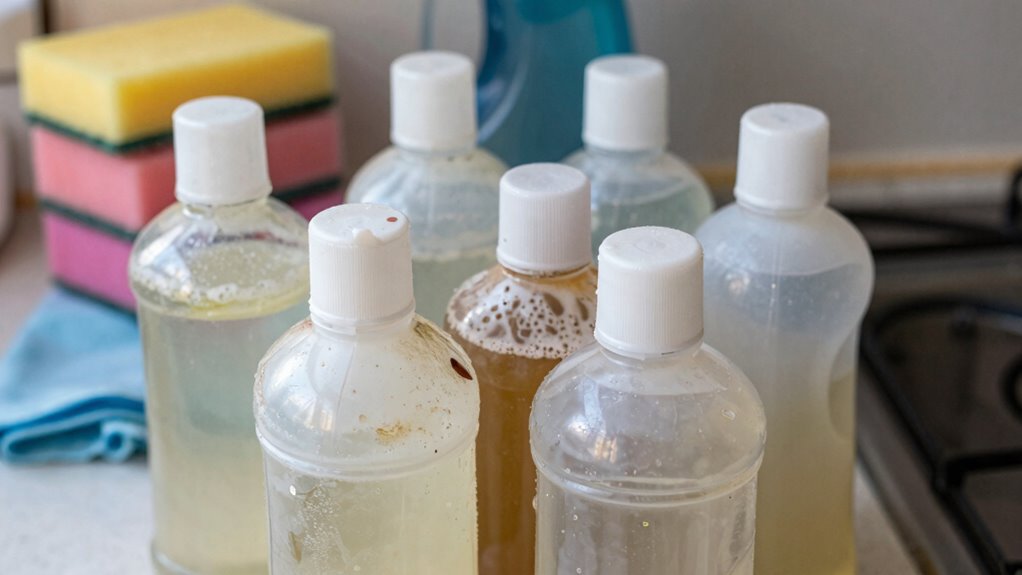

Refillable cleaning bottles can fail when the materials used aren’t durable or eco-friendly enough, leading to breaking or quick wear. If the bottles aren’t easy to refill or clean, you might find yourself discouraged from using them regularly. Lack of transparency about what’s inside the bottles can also cause trust issues. Improving durability, usability, and clear communication makes it easier to stick to eco-friendly options—if you want to discover more, keep going.
Open a free Amazon Business account
Business pricing, bulk buying and tax-exempt orders.
As an affiliate, we earn on qualifying purchases.
Key Takeaways
- Low-quality or non-durable materials lead to frequent replacements, discouraging long-term use.
- Lack of transparency about materials and eco benefits diminishes consumer trust and adoption.
- Complex refilling and cleaning processes reduce convenience and discourage consistent use.
- Insufficient consumer education about eco-friendly materials weakens perceived value and sustainability.
- Design flaws and usability issues hinder seamless integration into existing routines, limiting adoption.
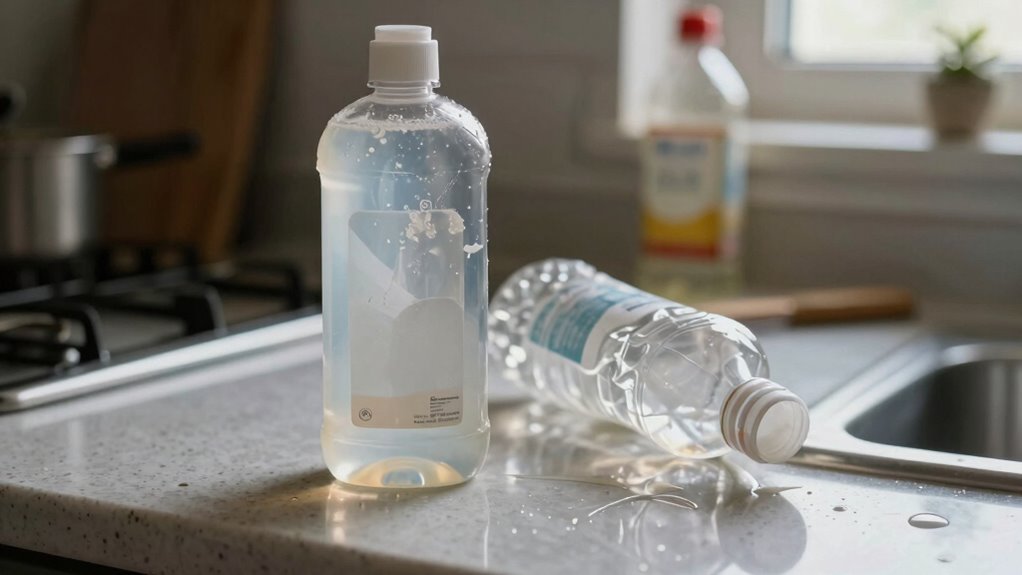
Have you ever considered how much waste disposable cleaning bottles generate? It’s eye-opening when you realize how many plastic bottles end up in landfills or pollute the environment after just a few uses. This is precisely why refillable cleaning bottles are gaining attention as a sustainable alternative. But despite their potential, they often fail to catch on in many homes. One key reason is that the transition isn’t as seamless as it seems, and several factors come into play.
First, many refillable bottles claim to be eco-friendly, but if they’re made from low-quality or non-durable eco-friendly materials, you might find yourself replacing them sooner than expected. High-quality, eco-friendly materials like BPA-free plastics or even glass can make a big difference in longevity. When these bottles last longer, they’re truly more sustainable, reducing waste over time. However, if the marketing strategies around refillable bottles focus solely on environmental benefits without emphasizing the importance of durable, eco-friendly materials, consumers may get discouraged by frequent replacements or breakage. Clear communication about the quality and sustainability of materials is essential to build trust.
Durable, eco-friendly materials like BPA-free plastic or glass ensure refillable bottles last longer and truly promote sustainability.
Another hurdle is that many marketing strategies for refillable cleaning bottles tend to overpromise or lack transparency. If a brand advertises eco benefits but doesn’t specify the eco-friendly materials used, it can lead to skepticism. People want to know that their efforts toward sustainability genuinely make a difference, and that the products they buy are built to last. Without this transparency, customers may revert to disposable options, thinking that refillables aren’t as reliable or cost-effective as they seem. Effective marketing should educate consumers on how choosing eco-friendly materials impacts environmental health and demonstrate that refillable bottles can be just as durable as their disposable counterparts. Additionally, the perceived durability** of a bottle can influence consumer confidence and willingness to switch. Moreover, consumers are increasingly seeking transparent information about product origins and benefits to make informed choices. An awareness of the environmental impact** of their purchasing decisions can also motivate consumers to opt for sustainable options, provided they have access to clear and trustworthy information.
Additionally, convenience plays a significant role in whether homes adopt refillable cleaning bottles. If refilling isn’t straightforward or if the bottles aren’t designed to fit into existing cleaning routines, you’re less likely to stick with the idea long-term. Many brands overlook this aspect in their marketing strategies, focusing instead on eco benefits without addressing real-world usability. You want a refillable bottle that’s easy to refill, clean, and store, otherwise, it’ll just become an inconvenience rather than a solution. The design and engineering of these bottles greatly influence consumer satisfaction and repeated use.
Furthermore, consumers are increasingly aware of the importance of durable eco-friendly materials, which is a key factor in their purchasing decisions. When bottles are made from high-quality materials, they not only last longer but also contribute more effectively to sustainability goals. In addition, consumer education about these materials can help shift perceptions and encourage more widespread adoption. When consumers understand the true benefits of choosing eco-friendly options, they’re more likely to make the switch. In the end, refillable cleaning bottles can fail for some homes because of a mix of factors: the quality of eco-friendly materials, the effectiveness of marketing strategies, and everyday practicality. To truly succeed, brands need to focus on transparency, durability, and ease of use. When these elements align, you’re more likely to see homes making the switch for good—and helping reduce the environmental footprint caused by disposable cleaning bottles.
eco-friendly refillable cleaning bottles
As an affiliate, we earn on qualifying purchases.
As an affiliate, we earn on qualifying purchases.
Frequently Asked Questions
Are Refillable Bottles More Eco-Friendly Than Disposable Ones?
Refillable bottles are more eco-friendly than disposable ones because they reduce plastic waste and lessen your environmental impact. By reusing bottles, you cut down on single-use plastics that often end up in landfills or oceans. However, if not properly maintained or if refills aren’t biodegradable, their eco-friendly benefits can diminish. Overall, choosing high-quality refillable bottles supports a cleaner planet and minimizes your contribution to plastic waste.
How Often Should I Clean My Refillable Cleaning Bottle?
Think of your refillable cleaning bottle as a trusted partner that needs regular checkups. You should clean it at least once a week, especially if you switch between different cleaning solutions. Follow a consistent cleaning schedule and bottle maintenance routine to prevent bacteria buildup and residue. Rinsing thoroughly after each use and deep cleaning weekly will keep your bottle safe, effective, and smelling fresh, ensuring your cleaning efforts are truly eco-friendly.
Can I Use Any Cleaning Solution in Refillable Bottles?
You can’t use any cleaning solution in refillable bottles; it’s crucial to evaluate chemical compatibility and safety considerations. Some chemicals may corrode or weaken the bottle material, leading to leaks or contamination. Always check the label or manufacturer’s instructions to verify the solution is compatible with the bottle. Using incompatible solutions risks damage and potential health hazards, so prioritize safe, recommended cleaners for your refillable bottles.
Do Refillable Bottles Prevent Bacterial Growth Effectively?
Refillable bottles can prevent bacterial growth if you clean them regularly and thoroughly. Bacterial buildup is a common hygiene challenge, but proper maintenance minimizes this risk. You should rinse and disinfect the bottles after each use, especially if you switch cleaning solutions. Using the right cleaning tools and avoiding leftover residue helps keep bacteria at bay, ensuring your refillable bottles remain safe and effective for cleaning tasks.
What Is the Best Material for Long-Lasting Refillable Bottles?
Think of your refillable bottles as loyal guardians in your cleaning routine. Stainless steel stands out as the best material for long-lasting bottles, offering unmatched durability and resistance to corrosion. Its safety is proven, free from harmful chemicals, and it withstands daily wear and tear. Choosing stainless steel means investing in a resilient, safe partner that keeps your cleaning arsenal strong and reliable over time.
Conclusion
So, if you’re set on switching to refillable cleaning bottles, stay savvy and scrutinize their design, durability, and ease of use. Don’t settle for flimsy, frustrating fixtures that falter and fail. Instead, select smart, sturdy solutions that suit your space and support sustainability. By being vigilant and vigilant, you’ll avoid the frustration of frequent failures and foster a fresher, more functional home. Make mindful choices, and your cleaning routine will be smooth, sustainable, and successful.
Flea & tick season Picks
flea and tick prevention
As an affiliate, we earn on qualifying purchases.