
TL;DR

Get cleaning gear delivered free with Prime
- Fast, free delivery on millions of items
- Prime Video, Amazon Music and more included
- Member-only deals all year
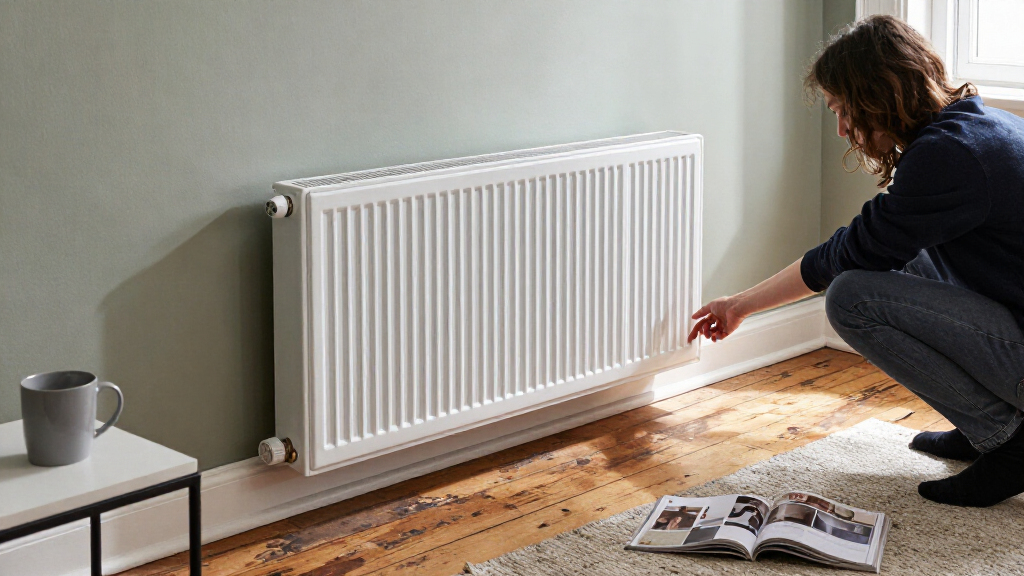
An Ideal Home report examines why radiators may not heat rooms effectively, citing dust, trapped air and furniture that blocks airflow as possible causes. Experts quoted in the report recommend cleaning radiators, bleeding them when symptoms indicate trapped air and keeping heat pathways clear; the advice does not establish one cause for every cold home.
Ideal Home has published advice on radiator problems that can leave rooms feeling cold, citing experts who point to dust, trapped air and blocked airflow as issues homeowners can check before relying on central heating. The report is based on expert comments and the writer’s experience in a draughty, poorly insulated house; it does not show that every underperforming radiator has the same cause.
Martin Garbutt, head of technical governance at home services platform Ding, told Ideal Home that dust inside radiators can affect air quality and reduce radiator efficiency by up to 10%. That figure is Garbutt’s estimate as quoted in the report, not a measurement of the radiators in the writer’s home. He recommends switching a radiator off and letting it cool before removing dust with a vacuum’s narrow nozzle or a hairdryer. A damp towel placed underneath can catch falling dust. For a deeper clean, he suggests warm water with a small amount of dish soap or white vinegar, along with a cloth and a long-handled brush.
Cold spots and unusual noises may point to trapped air. Ian Palmer-Smith, an appliance repair expert at Domestic & General, told the publication that a radiator that is cold at the top but warm at the bottom may need bleeding. Gurgling or banging sounds can also be signs of trapped air, he said, and he recommends bleeding radiators at least once a year as standard maintenance. The report does not say that bleeding will resolve every heating problem.
When some radiators remain cooler than others after bleeding, Ant Langston, a heating and bathroom expert at HeatandPlumb.com, said a system-balancing issue could be responsible. He described adjusting the lockshield valve, located opposite the thermostatic valve, as one possible way to even out heat distribution. The report also warns against putting large furniture in front of radiators: blocked airflow can limit how heat spreads through a room.
Small Checks That Affect Room Heat
The advice matters because poor radiator performance can be mistaken for a need to turn the heating up, when maintenance or obstructed airflow may be contributing to the problem. Cleaning dust and moving furniture away from a radiator are relatively simple checks, while bleeding can address trapped air when the reported symptoms fit. These steps may help households get more from an existing heating system, but they cannot correct every cause of a cold home.
The report’s limits matter too. Its writer describes a home that is draughty and poorly insulated, conditions that can make rooms feel cold regardless of radiator maintenance. The article offers possible explanations and expert guidance, not a diagnosis of that property or evidence that the listed actions will produce a particular reduction in energy use or heating bills.
Products Worth Considering

Dyson Ball Animal Total Clean Upright Vacuum

Shark Rocket Pet Plus Corded Stick Vacuum, Bordeaux, HV322

iRobot Roomba Max 715 Pet Robot Vacuum with AutoEmpty Dock
As an affiliate, we earn on qualifying purchases.
How the Report Traces Cold Rooms
The report begins with the author’s experience of a house that stays cold even when central heating is running. The writer says the home is draughty and poorly insulated and wonders whether radiator problems also contribute. The article then presents advice from three named professionals on cleaning, bleeding, balancing and keeping radiators unobstructed.
That sequence is relevant because several different problems can produce a similar experience: rooms that do not feel warm enough. The source focuses on practical radiator checks, but it does not include a home inspection, measurements of radiator output or a test comparing the effects of each suggested fix. Its claims should be read as expert guidance reported by Ideal Home, rather than as independently verified results for all homes.
“A noisy radiator that is making gurgling and banging noises can also be a tell-tale sign that it needs bleeding.”
— Ian Palmer-Smith, appliance repair expert at Domestic & General
Which Heating Problem Is Present
The report does not establish why the writer’s radiators feel ineffective or determine how much each issue contributes. It gives no inspection findings, temperature readings or results after cleaning, bleeding or valve adjustment. It also does not specify the basis for Garbutt’s estimate that dust can cut efficiency by up to 10%.
Advice about bleeding or adjusting valves may not apply in the same way to every heating system, and the source does not provide detailed instructions for those tasks. A cold home may also reflect draughts, insulation, boiler performance or other issues beyond the radiator checks covered. The report does not quantify possible savings or promise that the suggestions will make a home warmer.
Checks Before Heating Season
The report’s immediate recommendation is to check radiators before regular seasonal use: switch them off and let them cool before cleaning, look for the stated signs of trapped air, and remove furniture or other obstructions that restrict airflow. If radiators remain uneven after bleeding, the article points to balancing as a possible issue, but offers no guarantee that adjusting a valve will solve it.
No follow-up test or further announcement is specified in the source. Homeowners who cannot identify the cause, or whose heating continues to perform poorly, may need an appropriate heating professional to assess the system rather than assume dust or trapped air is responsible.
Key Questions
What can make a radiator seem less effective?
Ideal Home’s report identifies dust, trapped air and blocked airflow as possible contributors. It also discusses uneven heat distribution, while noting that the author’s draughty, poorly insulated home may be part of the problem.
How can I tell if a radiator may need bleeding?
Ian Palmer-Smith says a radiator that is cold at the top and warm at the bottom, or one making gurgling or banging noises, may have trapped air. These are signs to investigate, not proof that bleeding is the only issue.
How should dust be removed from a radiator?
Martin Garbutt recommends turning the radiator off and allowing it to cool first. He suggests using a narrow vacuum nozzle or hairdryer to clear dust from inside, with a damp towel below to catch debris. For a deeper clean, he suggests warm water with a little dish soap or white vinegar.
Why should furniture be kept away from radiators?
According to Garbutt, large furniture can trap heat and restrict circulation around a room. Keeping the radiator unobstructed may help heat spread, but the report does not quantify the effect in a particular home.
Will these checks fix a cold home?
Not necessarily. The report presents possible causes and maintenance advice, not a diagnosis or a guaranteed fix. Draughts, insulation and other heating-system issues can also affect comfort, and the source gives no measured results after the suggested checks.
Source: idealhome.co.uk