To keep your pool safe and clear, it’s crucial to test your water weekly for pH, chlorine, alkalinity, and calcium hardness. This helps you maintain proper chemical balance, prevent issues like algae growth, cloudy water, or skin irritation, and protect your equipment. Regular testing makes sure your water stays healthy and inviting. Staying on top of these tests ensures smooth swimming, and if you’re curious, you’ll find helpful tips on maintaining perfect water chemistry.
Key Takeaways
- Regular testing of pH, chlorine, alkalinity, and calcium hardness maintains safe, balanced water and prevents common issues like algae and scale buildup.
- Keep pH levels between 7.2 and 7.6 to prevent skin irritation, equipment damage, and water cloudiness.
- Maintain free chlorine levels at 1-3 ppm to ensure effective sanitation without causing irritation.
- Monitor alkalinity (80-120 ppm) to stabilize pH and prevent fluctuations that can harm water quality.
- Check calcium hardness to avoid corrosiveness or scale formation, ensuring the longevity of pool surfaces and equipment.
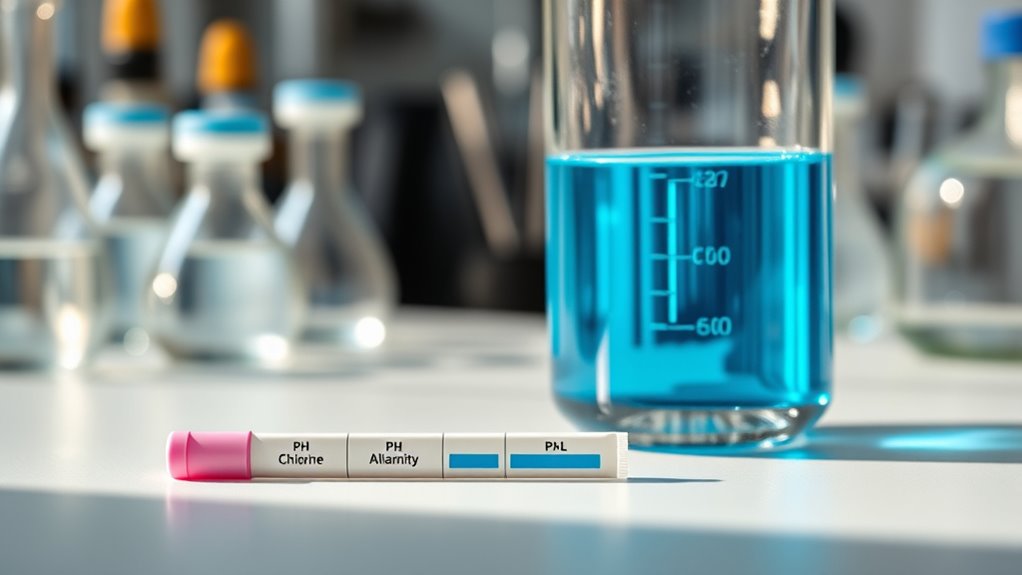
Regular water chemistry testing is essential to guarantee your water remains safe and balanced. When you stay on top of testing, you ensure your pool’s chemical balance is maintained, which is crucial for effective pool maintenance. Proper chemical levels help prevent problems like algae growth, cloudy water, and skin irritation, making your swimming experience more enjoyable and safe. By testing weekly, you can identify imbalances early and make necessary adjustments before they become bigger issues, saving you time and money in the long run.
One of the most important aspects of pool maintenance is monitoring pH levels. The pH indicates how acidic or alkaline your water is, and maintaining it within the ideal range of 7.2 to 7.6 is vital. If the pH is too low, your water becomes acidic, which can cause skin irritation and damage to your pool equipment. Conversely, if it’s too high, the water can become cloudy, scale can form on the pool surfaces, and chlorine may become less effective. Testing pH regularly allows you to add pH adjusters as needed, ensuring your water stays within the safe and comfortable range. Consistent testing helps prevent sudden pH swings that could disrupt your pool’s chemistry.
Chlorine levels are equally important in maintaining a healthy, sanitized pool. Chlorine acts as a disinfectant, killing bacteria and algae that can thrive in your pool water. Too little chlorine, and you risk bacterial growth and cloudy water; too much, and you may experience skin and eye irritation. The ideal free chlorine level for your pool is generally between 1 and 3 parts per million (ppm). Weekly testing helps you keep chlorine levels consistent, so you can add the right amount of sanitizer to protect swimmers and keep your pool clean.
Alkalinity and calcium hardness are also key elements of water chemistry. Total alkalinity acts as a buffer, stabilizing pH and preventing rapid fluctuations that can cause corrosion or scaling. The recommended alkalinity level is usually between 80 and 120 ppm. Calcium hardness, on the other hand, measures the calcium content in your water. Too low, and your water can become corrosive; too high, and you risk scale formation. Maintaining calcium hardness between 200 and 400 ppm helps preserve your pool surfaces and equipment, and it ensures the water remains balanced.
pool water test kit
As an affiliate, we earn on qualifying purchases.
As an affiliate, we earn on qualifying purchases.
Frequently Asked Questions
How Often Should Water Chemistry Tests Be Performed?
You should perform water chemistry tests at least weekly to maintain ideal water quality. Testing frequency may need seasonal adjustments, especially during periods of heavy use or temperature changes, which can affect chemical levels. Regular testing helps you catch issues early and ensure safe, balanced water. Always monitor your pool or spa more frequently during peak seasons, and adjust your testing schedule accordingly to keep the water healthy and clear.
What Are the Ideal Ph Levels for Pool Water?
You should keep your pool’s pH levels between 7.2 and 7.6 for ideal water balance. Avoid pH fluctuation by regularly testing and adjusting it using pH increasers or decreasers. When pH rises too high, add a pH reducer; if it drops too low, use a pH increaser. Maintaining this range helps prevent corrosion and scale buildup, ensuring safe, comfortable swimming conditions.
How Does Alkalinity Affect Water Balance?
Alkalinity affects water balance by acting as a buffer capacity, which helps stabilize your pool’s pH levels. When alkalinity is properly maintained, it preserves the carbonate balance, preventing pH fluctuations that can lead to cloudy water or corrosion. If alkalinity is too low, your water becomes more acidic and prone to pH swings; if too high, it can cause scaling. Keeping alkalinity within the recommended range guarantees smooth water chemistry management.
Can Calcium Hardness Cause Water Cloudiness?
Calcium hardness can indeed cause cloudy water. In fact, when calcium buildup occurs, it can lead to mineral deposits that make your water appear milky or cloudy. This is especially common in areas with hard water, where excess calcium dissolves and creates these particles. To prevent cloudy water caused by calcium hardness, consider using water softeners or adjusting your pool’s chemistry to maintain proper calcium levels.
What Are the Common Signs of Imbalanced Water Chemistry?
You’ll notice signs like pool algae, which causes green or cloudy water, and metal staining, showing as discolored spots or lines. Imbalanced water chemistry can also lead to skin irritation and unpleasant odors. When pH, chlorine, alkalinity, or calcium hardness are off, these issues become more common. Regular testing helps you catch imbalances early, preventing algae growth and staining, keeping your pool clear, safe, and inviting.
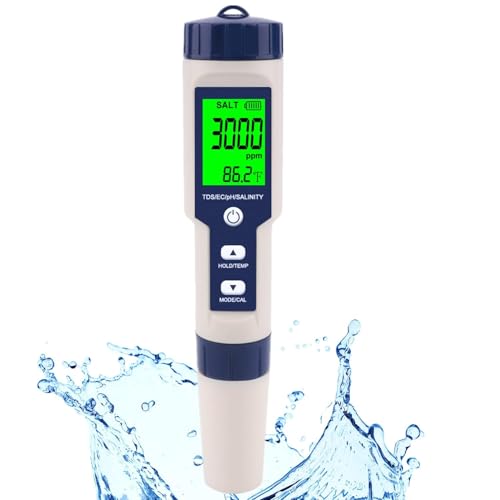
Pool Salt Tester & PH Meter, Hofun Digital Salinity Meter and PH Tester for Aquarium and Pool Saltwater Water, 5 in 1 Salinity PH Temp EC and TDS Meter, Aquarium Swimming Pool Hot Tub, High Accuracy
Wide Usage PH Meter : Hofun ph meter is an essential tool to improve your life quality. This…
As an affiliate, we earn on qualifying purchases.
As an affiliate, we earn on qualifying purchases.
Conclusion
By keeping a close eye on your water chemistry, you gently nurture a balanced environment, ensuring everything runs smoothly beneath the surface. Regular tests serve as subtle whispers guiding you toward harmony, preventing small issues from blossoming into larger concerns. Remember, consistency is your quiet partner in maintaining healthy water. With attentive care and a keen eye, you can quietly uphold the serenity and clarity you desire, making sure everything stays just right—beneath the calm exterior.
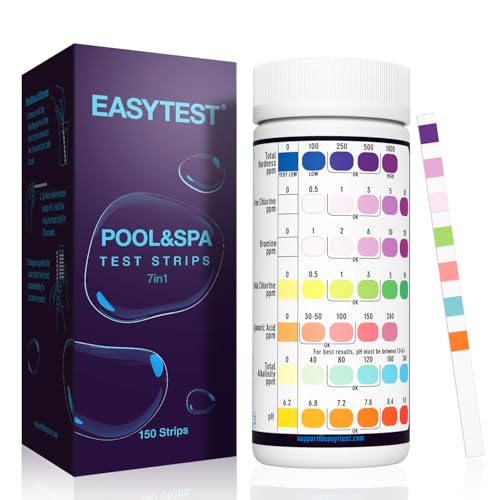
EASYTEST 7-Way Pool Test Strips, 150 Strips Water Chemical Testing for Hot tub and Spa, Accurate Test Bromine, Total Alkalinity, pH, Free Chlorine, Total Hardness, Cyanuric Acid, and Total Chlorine
AFFORDABLE 150 STRIPS: This water chemical testing kit contains 150 test strips. Enough balanced for your swimming pool,…
As an affiliate, we earn on qualifying purchases.
As an affiliate, we earn on qualifying purchases.

Varify Water Hardness Test Kit – Water Testing Kit for Home, Drinking, Well, Spa, Swimming Pool, Softener, Dishwasher & More – Hard Water Test Strips for Calcium, Magnesium etc (0-425 pmm, 150 Strips)
PROTECT YOUR HOME AND WELLNESS: Understand the impact of hard water on your home and health. Hard water…
As an affiliate, we earn on qualifying purchases.
As an affiliate, we earn on qualifying purchases.