If your robot vacuum is acting weird, dirty sensors could be the culprit. Dust, debris, or scratches can block sensors, causing false readings and erratic movement. Regularly inspecting and gently cleaning your sensors with a soft cloth or compressed air and calibrating them guarantees your device stays efficient. Prevent buildup with covers and regular maintenance, and if issues persist, professional help might be needed. Keep going to uncover detailed tips for proper sensor care.
Key Takeaways
- Dust and debris on sensors can cause false obstacle detection, leading to erratic robot vacuum behavior.
- Regular cleaning with soft cloths or compressed air prevents sensor dirt buildup that impairs navigation.
- Dirty or scratched sensors require calibration or replacement to restore accurate environment sensing.
- Protective covers can help keep sensors clean, but need regular cleaning or replacement for optimal performance.
- Persistent weird behaviors despite cleaning may indicate hardware damage needing professional repair or sensor replacement.
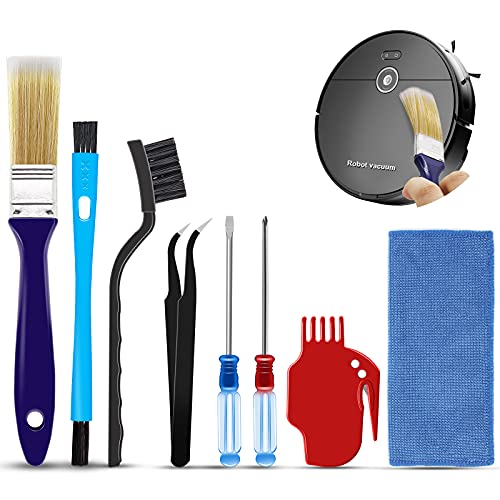
Midukit Vacuum Attachments Accessories for Robot Vacuum Cleaner,Cleaning Brush roll Cleaning Tool Replacement Parts, Part kit Tool for Vacuums Cleaner Replacement Include Vacuum Cleaning Cloth
Midukit vacuum cleaning kit for robot, dyson. Vacuum cleaning tool includes Cleaning Brush, tweezers, screwdriver (Phillips, Slotted), double-end…
As an affiliate, we earn on qualifying purchases.
As an affiliate, we earn on qualifying purchases.
Why Do Dirty Sensors Make My Robot Vacuum Act Weird?

When your robot vacuum starts acting strangely, dirty sensors are often the culprit. Over time, dust and debris can obscure the sensors, causing them to send false readings. This disruption can seriously affect the sensor calibration, making your vacuum misjudge obstacles or drop-offs, leading to erratic movements or missed spots. Cleaning the sensors can often fix the problem, but if they’re heavily scratched or damaged, sensor replacement might be necessary. Proper sensor calibration guarantees your robot correctly interprets its environment, preventing it from getting stuck or missing areas. Regular maintenance, including cleaning and checking sensor condition, helps keep your robot vacuum functioning smoothly and prevents weird behavior caused by sensor problems. Additionally, understanding sensor types and their specific care needs can further improve your vacuum’s performance. Being aware of sensor technology can also aid in selecting the best cleaning practices and replacement parts. Knowing the sensor maintenance requirements ensures you can proactively address issues before they impact cleaning efficiency. Maintaining proper sensor alignment can also significantly reduce calibration errors and improve overall navigation. Moreover, staying informed about latest advancements in sensor tech can help you optimize your device’s longevity and reliability.

LDS Distance Sensor Replacement LDS04RR For Robot Vacuum Cleaner Compatible With Roborock Q5 Q7 Q7 Max S8 Series Accessories
No professional tools required—install it yourself to quickly restore your robot vacuum's precise distance sensing capabilities.
As an affiliate, we earn on qualifying purchases.
As an affiliate, we earn on qualifying purchases.
How Can I Check If My Robot’s Sensors Are Dirty?

To see if your robot’s sensors are dirty, start with a visual inspection—look for dust, hair, or smudges. If they’re dirty, gently clean the sensors using a soft cloth or a cotton swab with a bit of alcohol. Regularly checking and cleaning these points helps keep your vacuum working smoothly. Incorporating free floating techniques can also prevent debris buildup around the sensors, which is essential for maintaining optimal European cloud solutions and ensuring your robot’s performance remains reliable. Additionally, understanding how astrology & attractiveness may influence personal traits can offer a unique perspective on your device’s placement and environment, potentially affecting its sensor accuracy. Proper placement away from coastal retreat environments with high humidity and salt air can significantly reduce sensor contamination and improve functionality. By understanding environmental factors, you can better optimize sensor performance and avoid unnecessary maintenance.
Visual Inspection Tips
A quick visual check can reveal if your robot vacuum’s sensors are dirty or obstructed. Start by inspecting the sensor lenses for dust, smudges, or debris. Use a soft, lint-free cloth to gently wipe the sensors if they appear dirty. Look for any signs that might interfere with sensor calibration, such as scratches or cloudiness. If cleaning doesn’t restore proper function, consider sensor replacement, especially if the sensors are scratched or damaged. Verify the sensors are aligned correctly and free of obstructions. Sometimes, small scratches or dirt can throw off sensor calibration, causing erratic behavior. Regular visual inspections help catch issues early, preventing more serious malfunctions and keeping your robot vacuum operating smoothly. Additionally, understanding sensor types can help you identify specific issues and improve maintenance practices. Being familiar with different sensor calibration techniques can also prolong the lifespan of your device and ensure optimal performance.
Sensor Cleaning Methods
Dirty sensors can cause your robot vacuum to malfunction or miss areas during cleaning. To check if your sensors need cleaning, start with a visual inspection and gently wipe them with a soft, dry cloth. Sometimes, dust or smudges interfere with sensor calibration, so cleaning is essential. If cleaning doesn’t improve performance, consider recalibrating the sensors according to your model’s instructions. Persistent issues might mean the sensors are too dirty or damaged; in that case, sensor replacement could be necessary. Regularly maintaining your sensors ensures accurate detection of obstacles and boundaries. Remember, keeping sensors spotless and properly calibrated helps your robot vacuum operate efficiently and prevents weird behaviors caused by sensor malfunction. Additionally, understanding sensor calibration can help you troubleshoot and improve your vacuum’s performance. Proper sensor maintenance is crucial for avoiding unexpected malfunctions and extending the lifespan of your device. Regular cleaning and calibration also help prevent buildup that could lead to sensor damage, ensuring your vacuum stays in top shape. To further protect your device, consider familiarizing yourself with Lifevest Advisors guidelines on avoiding scams and managing risks associated with technology investments.

Outus 4 Pieces Robot Vacuum Bumper Soft Bumper Sweeping Robot Protector Black Sweeping Cover for Furniture Vacuum Cleaner Home Office Restaurant Applications
Practical combination set: you will receive 4 pieces of sweeping robot bumpers that measure about 54 x 2.5…
As an affiliate, we earn on qualifying purchases.
As an affiliate, we earn on qualifying purchases.
How Do I Clean My Robot Vacuum Sensors Step by Step?

Cleaning your robot vacuum sensors regularly is essential for maintaining ideal navigation and performance. To do it effectively, follow these steps:
- Power off your vacuum and locate the sensors, usually on the front or sides.
- Gently wipe the sensors with a soft, lint-free cloth slightly dampened with water or alcohol. Avoid harsh cleaners.
- After cleaning, perform sensor calibration if your device offers this option. Proper calibration ensures accurate navigation.
- Check the battery terminals and clean them if needed to prevent power issues, supporting consistent sensor function.
- Regular sensor maintenance helps prevent dirt buildup, ensuring your vacuum’s sensors stay responsive, which improves overall cleaning efficiency and proper sensor calibration over time. Incorporating protective styling benefits can also help keep hair and debris away from sensitive components. Additionally, sensor placement awareness can help you identify the most critical areas to keep clean for optimal performance. Regularly inspecting and cleaning surrounding areas can further enhance sensor longevity and accuracy. Using sensor covers or filters can also provide an extra layer of protection against dust and debris, extending the lifespan of your sensors. Being aware of sensor maintenance schedules can help you stay proactive and prevent issues before they affect your vacuum’s operation.

CO2 Compressed Air Duster,Free of Bitterness Agents and Residue, Strong Airflow,can Safely Clean Optics,Electronics, and Other Precision Equipment Such as Cameras, Mobile Phones,and Computers,etc
Eco-Friendly: Compressed air duster utilizes non-flammable CO2 cartridges, making it a safe and environmentally conscious choice.
As an affiliate, we earn on qualifying purchases.
As an affiliate, we earn on qualifying purchases.
How Can I Prevent Sensor Dirt Buildup on My Robot?

To keep your robot vacuum’s sensors working well, you should regularly clean them to remove dust and debris. Using protective covers can also help prevent dirt from settling on the sensors in the first place. Additionally, understanding the importance of safe and reliable backup power can help ensure your entire home remains functional during power outages, supporting your cleaning routines without interruption. Implementing sensor maintenance routines can further extend the lifespan and performance of your device. Incorporating local automation can further optimize your device’s operation and troubleshoot issues proactively. Regular maintenance practices aligned with sensor health are essential for long-term device effectiveness.
Regularly Clean Sensors
Since sensor dirt buildup can impair your robot vacuum’s navigation, it’s important to regularly clean the sensors to keep them functioning properly. Dust accumulation can block sensors, leading to misreads and poor performance. To prevent this, follow these steps:
- Gently wipe sensors with a soft, microfiber cloth to remove dust and debris.
- Use a small brush or compressed air to clear hard-to-reach areas.
- After cleaning, perform sensor calibration to ensure accurate readings.
- Regular maintenance of sensors helps to prevent dust buildup and preserve your vacuum’s optimal functioning.
Regular cleaning maintains sensor clarity, reduces dust buildup, and keeps your robot’s navigation sharp. Keeping sensors clean also helps prevent calibration issues caused by dirt interference. Consistent maintenance ensures your vacuum operates smoothly and avoids weird behavior caused by dirty sensors.
Use Protective Covers
Using protective covers for your robot’s sensors is an effective way to prevent dirt buildup and keep them functioning properly. Sensor covers act as a barrier, shielding sensors from dust and debris that can cause malfunctions. These covers are typically made of transparent, durable material and are easy to install. By preventing dust accumulation, they ensure your vacuum’s sensors remain clear, improving navigation and cleaning efficiency. Regularly replacing or cleaning these covers enhances dust prevention and extends the lifespan of your sensors. Keep in mind that choosing the right size and type of sensor covers compatible with your robot model is essential. Using protective covers is a simple, proactive step to maintain sensor clarity and keep your robot vacuum operating at its best.
What Are Common Sensor Problems, and When Should I Call a Professional?

Sensor problems are among the most common issues that can cause your robot vacuum to malfunction or stop working altogether. If your vacuum isn’t steering correctly, it might need sensor calibration or a software update. Here’s when to call a professional:
Sensor issues often require professional calibration or repair for proper navigation.
- If cleaning and recalibrating the sensors doesn’t fix the issue, a technician can perform precise sensor calibration.
- When your vacuum repeatedly gives navigation errors after installing software updates, a professional can troubleshoot compatibility issues.
- If sensor malfunctions persist despite cleaning, replacing damaged sensors might be necessary, which is best handled by a professional.
Knowing when to seek expert help ensures your vacuum runs smoothly and prevents further damage. Don’t hesitate to get professional assistance when simple fixes don’t solve the problem.
How Often Should You Clean Your Robot Vacuum Sensors?

To keep your robot vacuum working efficiently, it’s important to clean its sensors regularly. Aim to do this weekly or biweekly, especially if you notice it’s acting oddly. Dirty sensors can interfere with navigation, making the vacuum behave weirdly or miss spots. Along with sensor cleaning, perform routine battery maintenance to prevent power issues, and keep your device updated with the latest software updates to fix bugs and improve sensor performance. When sensors are clean, your vacuum can better detect obstacles and avoid falls. Use a soft cloth or a gentle brush to remove dust and debris from sensor surfaces. Regular cleaning guarantees maximum performance and extends your vacuum’s lifespan, saving you time and frustration during cleaning sessions.
Frequently Asked Questions
Can Sensor Dirt Cause My Robot Vacuum to Stop Working Entirely?
Yes, sensor dirt can cause your robot vacuum to stop working entirely. Dust accumulation on sensors can interfere with sensor calibration, making your vacuum misjudge obstacles or navigation. Regularly cleaning the sensors with a soft cloth helps maintain proper calibration and prevents dust buildup. When sensors stay clean, your vacuum navigates smoothly and functions efficiently, avoiding complete shutdowns caused by dirty sensors obstructing essential sensor signals.
Are Certain Floor Types More Prone to Sensor Dirt Buildup?
Certain floor surfaces, like textured carpets or shaggy rugs, are more prone to sensor dirt buildup because their surface material traps dust and debris easily. Smooth, hard floors such as tile or hardwood tend to accumulate less sensor dirt, making it less likely for your robot vacuum’s sensors to get obstructed. Regularly cleaning the sensor material and choosing appropriate floor surfaces can help prevent sensor dirt issues.
Do Sensor Issues Affect All Robot Vacuum Brands Equally?
Sensor issues don’t affect all robot vacuum brands equally. Some brands, known for better brand reliability, have more durable sensors and easier sensor calibration, reducing dirt buildup problems. Cheaper models often struggle with sensor accuracy, leading to more frequent malfunctions. To keep your vacuum running smoothly, choose a reputable brand and regularly calibrate the sensors to prevent dirt from causing weird behavior.
How Long Does It Typically Take to Clean All Sensors?
Sensor cleaning usually takes about five to ten minutes, depending on how many sensors your robot vacuum has. You might find that regular sensor maintenance tips, like wiping them with a soft cloth and checking for dust buildup, keep your vacuum running smoothly. Coincidentally, scheduling sensor cleaning every few weeks helps prevent issues, so you stay ahead of dirt and dust that can cause erratic behavior.
Are There Specific Cleaning Products I Should Avoid for Sensors?
You should avoid harsh chemicals, abrasive cleaners, and alcohol-based products for sensor cleaning, as they can damage the sensors or affect product compatibility. Instead, use a soft, damp cloth or a microfiber cloth to gently wipe the sensors. Always check your vacuum’s manual for recommended cleaning methods and compatible products. Regular sensor cleaning with proper products helps make certain your robot vacuum functions smoothly and avoids weird behaviors caused by dirty sensors.
Conclusion
If your robot vacuum’s acting up, dirty sensors could be the culprit—causing chaos like a tornado in your home. Regularly checking and cleaning those tiny sensors keeps your device running smoothly and prevents frustrating malfunctions. Don’t let dirt turn your smart cleaner into a clueless mess. With simple maintenance, you’ll keep your vacuum performing like a well-oiled machine, ensuring your floors stay spotless and your sanity intact. Stay vigilant, and let your robot work its magic flawlessly!