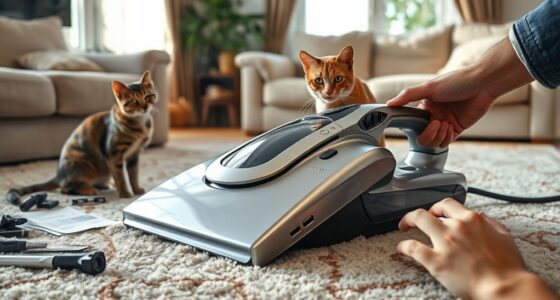

To check for hidden clogs without taking your vacuum apart, start by inspecting accessible airflow paths like hoses and filters—hold the hose up to light to see obstructions or debris. Clean or replace filters if they look clogged. Turn on the vacuum and listen for unusual noises, which can signal blockages. Check the brush roll for tangled hair or debris, ensuring it spins freely. Following these steps helps you catch hidden clogs; continue with these tips to learn more effective troubleshooting.

Get cleaning gear delivered free with Prime
- Fast, free delivery on millions of items
- Prime Video, Amazon Music and more included
- Member-only deals all year
Key Takeaways
- Listen for unusual noises or whistling sounds during operation, indicating airflow restrictions.
- Check for reduced suction at the hose and attachments to identify potential blockages.
- Inspect filters and panels for dust buildup or clogs without fully disassembling the vacuum.
- Feel for resistance or debris when holding the hose up to light, signaling hidden obstructions.
- Trace airflow from the hose to the motor, listening or feeling for restrictions along the path.
Have you noticed your drains draining slowly or emitting unpleasant odors? It’s a common sign that there might be a hidden clog lurking somewhere in your system or appliance. When it comes to vacuum maintenance, many people think they need to dismantle the entire unit to find the problem, but that’s often unnecessary. Instead, you can perform some straightforward troubleshooting tips to check for hidden clogs without taking the whole vacuum apart.
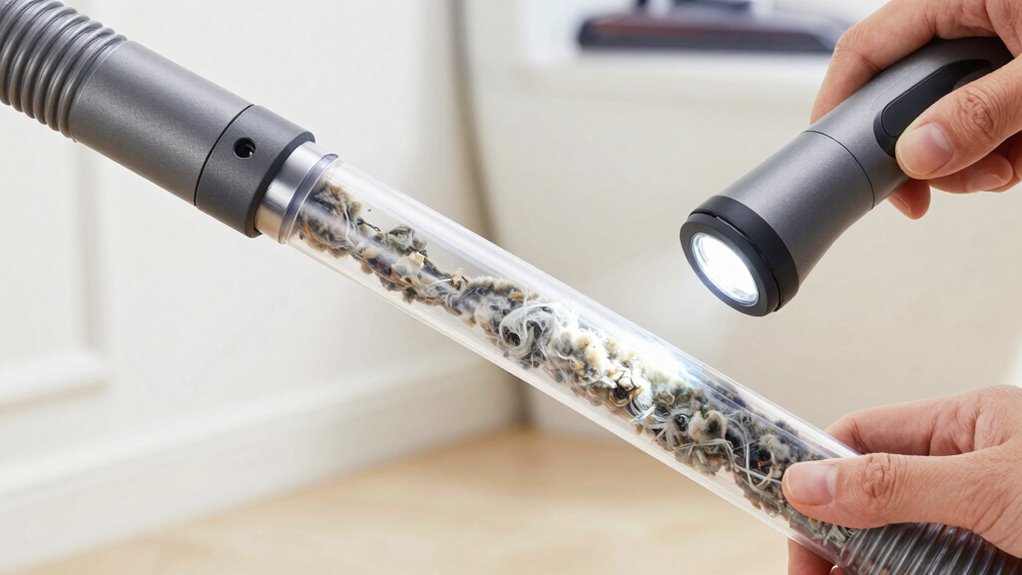
Start by inspecting the vacuum’s hose and attachments. Detach the hose and hold it up to the light to see if you can spot any blockages or debris inside. Sometimes, a simple bend or pinch in the hose can trap dust and hair, which restrict airflow. If you notice resistance or find debris, clear it out by gently pushing or pulling through with a long, flexible brush or broomstick. Remember, regular vacuum maintenance includes keeping these parts clear, so it’s worth doing this check routinely. Proper airflow is essential for efficient vacuum operation and can help you identify potential blockages early.
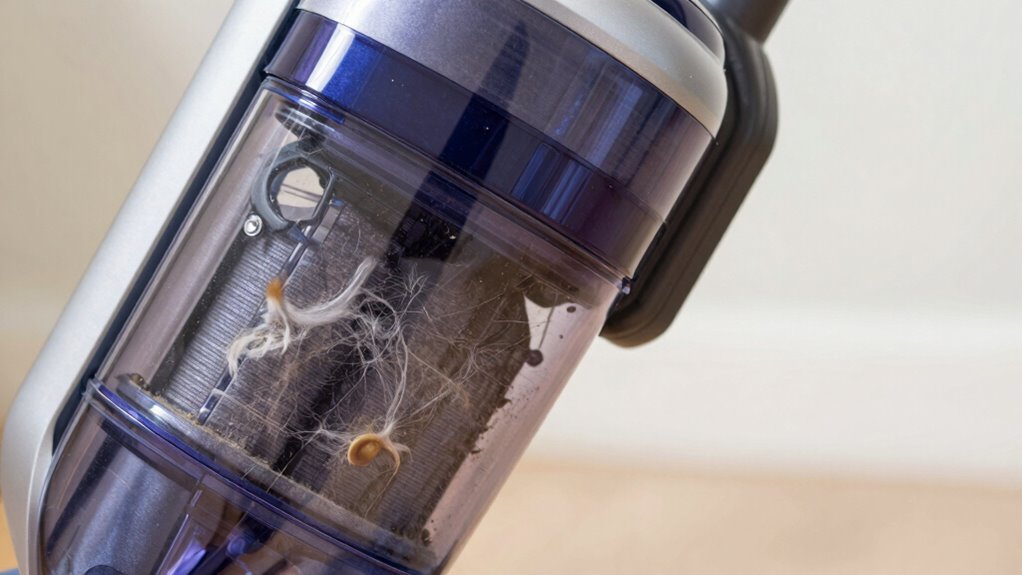
Next, examine the vacuum’s air pathways. Many vacuums have a filter or a panel that can be removed easily. Remove these parts according to your manufacturer’s instructions, and check for clogs or dust buildup. If you notice a thick layer of dust or debris, clean it thoroughly. A clogged filter can significantly reduce suction power, making it seem like there’s a hidden clog even if there isn’t one. Understanding airflow and how air moves through your vacuum can help you identify where blockages might be affecting performance. Replacing or cleaning filters regularly is one of the simplest troubleshooting tips to keep your vacuum running efficiently.
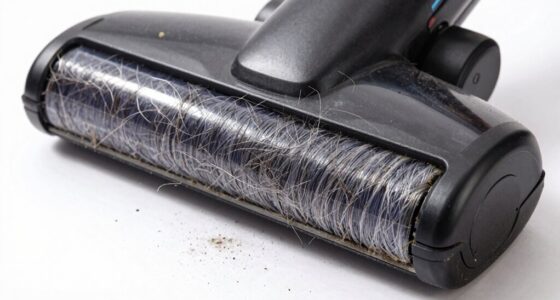
Another area to check is the vacuum’s brush roll or beater bar. Sometimes, tangled hair or string can wrap around the roll, choking off airflow and reducing performance. Turn off the vacuum and flip it over, then inspect the brush. Remove any tangled hair or debris carefully, ensuring the brush can spin freely afterward. This simple step can often restore lost suction and improve cleaning power without the need for more invasive repairs.
Lastly, listen closely when you turn on your vacuum. If you hear unusual noises like whistling or high-pitched sounds, it’s a sign that air isn’t flowing freely. These sounds often indicate a hidden clog somewhere along the airflow path. Use your troubleshooting tips to trace the airflow from the hose to the motor, checking each segment for obstructions. In many cases, clearing a small blockage can restore proper airflow and eliminate odors or performance issues, saving you time and effort. Being familiar with your vacuum’s air pathways can help you quickly locate and resolve issues before they worsen.
vacuum hose with light inspection
As an affiliate, we earn on qualifying purchases.
As an affiliate, we earn on qualifying purchases.
Frequently Asked Questions
Can Hidden Clogs Cause a Vacuum to Lose Suction Suddenly?
Yes, hidden clogs can cause your vacuum to lose suction suddenly. Airflow obstructions from debris or dirt stuck in hoses or filters reduce suction power, making it seem like the vacuum isn’t working efficiently. Additionally, brush roller issues, such as tangled hair or debris, can restrict airflow further, leading to sudden suction loss. Regularly inspecting these components helps prevent hidden clogs from affecting your vacuum’s performance.
What Tools Are Best for Detecting Hidden Blockages?
You can detect hidden blockages using a flashlight and a flexible brush or pipe cleaner. Check for airflow blockages by inspecting the hose, filter obstructions, and vents, feeling for reduced suction. Sometimes, a simple tissue test in the hose reveals airflow issues. These tools help you pinpoint where airflow is restricted, making it easier to identify and fix hidden clogs without disassembling your entire vacuum.
How Often Should I Check for Hidden Clogs?
You should check for hidden clogs during your regular maintenance routines, ideally every 1 to 3 months, depending on usage. Include filter inspections in these routines, as dirty filters can hide blockages that impact suction. Regularly examining hoses and vents helps prevent clogs from worsening. Staying proactive guarantees your vacuum runs efficiently and extends its lifespan, saving you time and costly repairs down the line.
Are There Specific Signs Indicating a Hidden Clog?
Like a warning sign flashing on a dashboard, airflow obstruction is a clear indication of a hidden clog. If your vacuum suddenly loses suction, struggles to pick up debris, or the brush roller blockage isn’t spinning freely, these are signs you should investigate. Reduced airflow, strange noises, or a burning smell may also point to a clog. Keep an eye out for these clues to catch issues early before they worsen.
Can Hidden Clogs Damage My Vacuum Over Time?
Yes, hidden clogs can damage your vacuum over time if you ignore them. They cause airflow restriction, forcing your motor to work harder, which can lead to overheating and motor failure. Regular vacuum maintenance helps prevent this by ensuring airflow stays unobstructed. If you notice decreased suction or strange noises, it’s a sign to check for clogs and clear them promptly to protect your vacuum’s longevity.
Conclusion
Think of your vacuum as a busy highway. When traffic slows, you don’t tear up every road—you check the main routes first. By inspecting those hidden spots, you can clear the blockage without a full teardown. This quick peek keeps your cleaning running smoothly, like a well-maintained road system. So next time your vacuum stalls, remember: sometimes, a simple check can keep your home’s traffic flowing freely, saving you time and hassle.
Halloween Picks
halloween
As an affiliate, we earn on qualifying purchases.