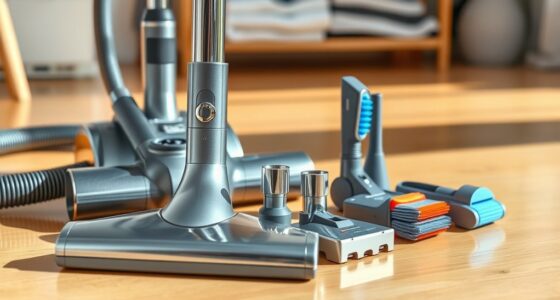
To keep your equipment running smoothly, regularly check belts, brushes, and filters for signs of wear like cracks, fraying, or clogging. Replace belts when they slip or show damage to prevent breakdowns. Worn brushes and dirty filters should be swapped out as soon as they lose effectiveness or become clogged. Performing timely replacements guarantees maximum performance and longevity. Continue exploring how to identify the right time and method for each component to keep everything working perfectly.
Key Takeaways
- Regularly inspect belts, brushes, and filters for signs of wear, such as cracks, fraying, or clogging.
- Replace belts when they show cracks, slipping, or loss of tension to prevent equipment failure.
- Swap out brushes when they become worn, frayed, or lose contact, typically during routine maintenance.
- Change filters promptly when they are visibly dirty, clogged, or restrict airflow or fluid flow.
- Follow manufacturer guidelines for replacement intervals and proper installation procedures to ensure optimal performance.

Regularly replacing worn belts, brushes, and filters is crucial to keep your equipment running efficiently and avoid costly breakdowns. When it comes to belt replacement, you need to pay close attention to signs of wear, such as cracks, fraying, or slipping. Worn belts can cause machinery to operate inefficiently or even stop altogether if they snap. To prevent this, check your belts regularly—especially if your equipment makes unusual noises, vibrates, or loses power. When you spot damage or signs of aging, it’s time to replace the belt. Make sure to select the correct size and type recommended by the manufacturer to guarantee proper fit and performance. Proper belt maintenance helps ensure your equipment functions reliably and efficiently.
Brush maintenance is equally important in keeping your equipment functioning smoothly. Over time, brushes become worn down, clogged, or misshapen, which reduces their ability to clean or perform their intended task effectively. Regular inspection helps you determine when brushes need replacing or cleaning. If they’re frayed, uneven, or no longer make proper contact, it’s time to swap them out. Cleaning brushes regularly can extend their lifespan, but don’t hesitate to replace them if they’ve reached the end of their service life. Proper brush maintenance not only improves the efficiency of your equipment but also minimizes downtime caused by subpar cleaning or operation.
Filters are often overlooked but are essential for maintaining air quality, system longevity, and overall efficiency. Clogged or dirty filters restrict airflow or fluid flow, causing your equipment to strain and consume more energy. Check filters regularly—ideally every month or as recommended—and replace them promptly when they appear dirty or clogged. Using the right filters and replacing them at the proper intervals prevents dust, debris, and contaminants from damaging sensitive components. This simple step can markedly extend the life of your machinery, reduce repair costs, and improve performance. Remember, neglecting filter replacement can lead to overheating, reduced efficiency, and premature equipment failure.

Bar27 Brand 3 Pack Replacement Drive Belts for Chicago Electric Central Machinery ABN Viyuki Rock Tumblers
Long Lasting
As an affiliate, we earn on qualifying purchases.
As an affiliate, we earn on qualifying purchases.
Frequently Asked Questions
How Do I Identify When Belts Are Dangerously Worn?
You can identify dangerously worn belts through regular belt inspection. Look for signs like cracks, fraying, or missing chunks. Use wear indicators, which are often built into the belt or on the pulley, to assess if the belt has become too thin or cracked. If the belt feels slack or is slipping, it’s a sign it’s nearing failure. Replace it promptly to avoid equipment damage or breakdowns.
Are There Any Safety Precautions Before Replacing Filters?
You should always wear safety gear like gloves and eye protection before replacing filters, as some filter materials can cause irritation or dust inhalation. Always turn off the equipment and unplug it first to prevent accidental startups. Investigate if the filter material contains harmful substances—if so, handle it carefully and dispose of it properly. Taking these precautions guarantees your safety during the replacement process.
Can Worn Brushes Affect Overall Machine Performance?
Worn brushes can substantially impact your machine’s performance. As brush wear increases, they lose their ability to effectively conduct electrical current or contact surfaces, leading to poor operation or malfunction. This performance impact may cause reduced efficiency, increased energy consumption, or uneven operation. Regularly inspecting and replacing worn brushes guarantees your machine runs smoothly, maintains peak performance, and prevents further damage caused by poor contact or electrical issues.
What Tools Are Recommended for Belt Replacement?
Oh, you’d think belt replacement tools would be a secret society, right? Nope. Grab a wrench or socket set to adjust belt tension, plus a screwdriver for removing covers. A belt tension gauge helps guarantee the correct tightness, preventing future slips. Having the right replacement tools makes the job smoother, saving you time and frustration. Just don’t forget to double-check your tension afterward—no one wants a loose belt!
How Often Should Filters Be Checked for Wear?
You should check your air filter regularly, ideally every 1 to 3 months, to monitor its condition. The air filter lifespan varies based on usage and environment, but frequent inspections help guarantee peak performance. During filter inspection, look for dirt, debris, or damage. Replacing filters when they’re dirty or clogged maintains air quality and system efficiency. Regular checks prevent unnecessary wear and keep your equipment running smoothly.
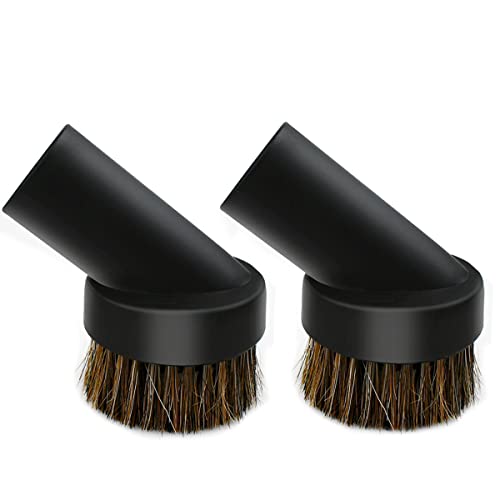
2 Pcs Black Round Dust Brush 25mm Horse Hair for 1.2-1.22in Hose Vacuum Cleaners Accessories
Quality material: Round dust brush are made with tough ABS materil and soft horsehair bristles, which can better…
As an affiliate, we earn on qualifying purchases.
As an affiliate, we earn on qualifying purchases.
Conclusion
Keeping your belts, brushes, and filters in good shape is key to smooth operation. Don’t wait until things break down—regular checks and timely replacements save you headaches and money. Think of it as giving your equipment a tune-up before it’s too late; this way, you’ll keep everything running like clockwork. Stay proactive, and your devices will thank you for it, proving that an ounce of prevention is worth a pound of cure.

Filterbuy 16x20x1 Air Filter MERV 8 Essential Dust & Allergy Defense (4-Pack), Electrostatic Pleated HVAC AC Furnace Filters Replacement, Made in USA (Actual Size: 15.50 x 19.50 x 0.75)
UNIVERSAL COMPATIBILITY: 16x20x1 replacement air filters for your furnace, air conditioner, or heat pump enhance HVAC system efficiency…
As an affiliate, we earn on qualifying purchases.
As an affiliate, we earn on qualifying purchases.

2pcs 352-9 Belt,Grinder Motor Replacement Belt,Power tools Grinder Motor Replacement Part Belt,for Makita 9403 Belt Sander Replacement Part(352-9)
Model:352-9;Circumference:35.2cm/13in;Width:9mm/0.35in;Number of teeth:117pcs.
As an affiliate, we earn on qualifying purchases.
As an affiliate, we earn on qualifying purchases.