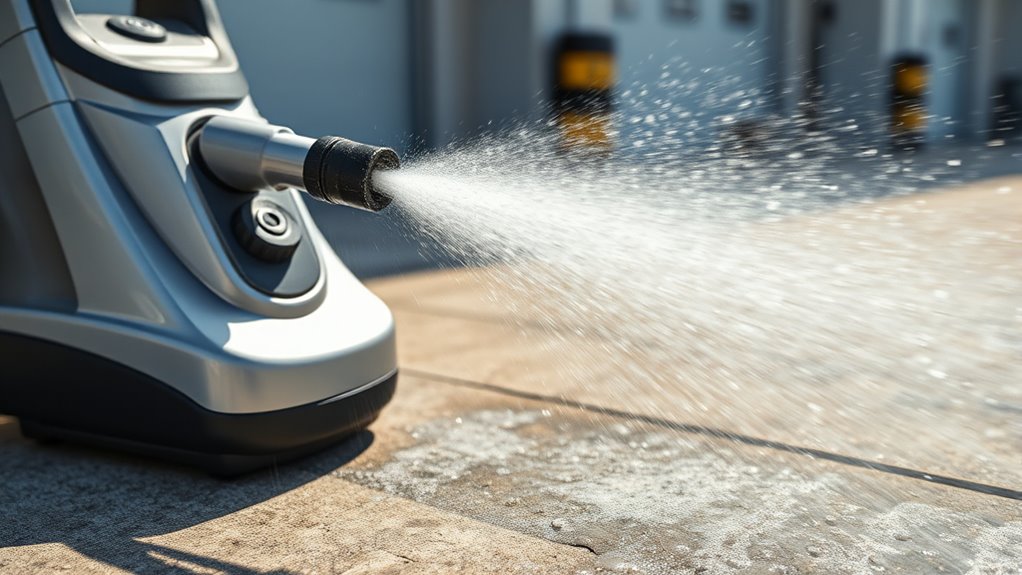

Commercial pressure washers live or die by three things: sustained PSI and GPM output, the durability of the pump behind it, and an engine that survives full workdays without complaint. After comparing 11 gas-powered machines across those factors, the Simpson Aluminum Series with the Honda GX390 stands out as the best overall pick — its 4200 PSI at 4.0 GPM pairing with a pro-grade Honda engine makes it the most complete package for daily professional use. Two other standouts: the Simpson PowerShot PS60869 offers a smart middle ground at 4000 PSI with Honda GX270 reliability, and the Westinghouse WPX3400 is the budget-friendly entry point for lighter commercial work. The main tradeoff you’ll face in this category is engine and pump pedigree versus upfront cost — generic 212cc machines match the Simpson lineup on paper specs but rarely match them in longevity. Continue reading for the full breakdown, including which models are worth the premium and which to skip.

Get cleaning gear delivered free with Prime
- Fast, free delivery on millions of items
- Prime Video, Amazon Music and more included
- Member-only deals all year
Complete the kit


Key Takeaways
- Engine pedigree is the biggest differentiator in this lineup: Simpson models with Honda GX-series engines carried the top spots, while the generic 212cc 4200 PSI machines (products 3, 7, and 9) matched on paper specs but fell short on long-term serviceability and parts availability.
- PSI gets the marketing attention, but GPM does the real work on large commercial jobs — the 4.0+ GPM models cleaned flatwork dramatically faster than the 2.5 GPM Honda-powered units, even when rated PSI was similar.
- The Westinghouse WPX3400 and WPX4400 blur the line between premium residential and true commercial machines; only the WPX4400’s flow rate justifies commercial classification.
- Triplex pumps with rebuildable components (found on the PS3228 and Aluminum Series) separate professional machines from axial-pump units that are essentially disposable after pump failure.
- A 25-foot hose is the quiet bottleneck on most of these machines — the Simpson ALH3425’s 35-foot hose is a genuine productivity advantage for fleet and building washing, not a marketing footnote.


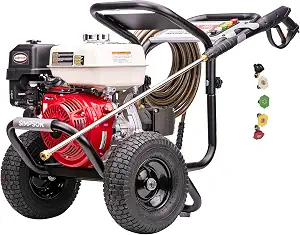


| commercial pressure washer | Engine | Flow rate | Pump | Hose |
|---|---|---|---|---|
| Simpson Aluminum Series Gas Pr | Honda GX390 | 4.0 GPM | CAT triplex plunger pump with thermal relief | — |
| SIMPSON Cleaning PS3228 PowerS | Honda GX200 | 2.5 GPM | AAA triplex plunger pump with unloader and thermal relief | 5/16-in x 25-ft MorFlex |
| 4200 PSI 4.0 GPM Gas Pressure | 212cc 7HP 4-stroke OHV | 4.0 GPM | Axial cam | — |
| Simpson PowerShot Gas Pressure | CRX 420cc | 4.0 GPM | AAA industrial triplex plunger pump | 3/8-in x 50-ft |
| Simpson Cleaning PS60869 Power | Honda GX270 | 3.5 GPM | AAA industrial triplex plunger pump with PowerBoost | 3/8-in x 50-ft Monster high-pressure hose |
| Westinghouse WPX3400 Gas Press | 212cc 4-stroke Westinghouse OHV | 2.6 GPM | Maintenance-free axial cam | — |
| 4200 PSI Gas Pressure Washer w | 209cc 4-stroke gasoline, 7.0 gross HP | 4.0 GPM | — | — |
| Westinghouse WPX4400 Gas Press | 420cc 4-stroke Westinghouse OHV | 4.2 GPM | Commercial-grade triplex brass head | — |
| 4200PSI Gas Pressure Washer 4. | 212cc 4-stroke, 7HP with recoil start | 4.0 GPM | Axial cam, heavy workload rated | 25 ft steel-braided, kink-resistant |
| Simpson 3600 PSI Gas Pressure | Honda GX200 with low-oil shutdown | 2.5 GPM | AAA triplex plunger with integrated unloader and thermal relief | 35 ft MorFlex non-marring, M22 threaded |
| Simpson PowerShot PS61002 Gas | Honda GX200 commercial | 2.5 GPM | AAA triplex with unloader and thermal relief | 25 ft MorFlex high-pressure, M22 threaded |
More Details on Our Top Picks
Simpson Aluminum Series Gas Pressure Washer, 4200 PSI, 4.0 GPM, Honda GX390
This Simpson Aluminum Series is the machine I would point full-time contractors toward first, because it pairs the Honda GX390 engine with a CAT triplex pump — a combination built to survive daily commercial abuse rather than weekend duty. Compared with the Simpson PowerShot PS60869, which uses a Honda GX270 and an AAA pump, this model steps up to a larger engine class and a CAT pump, which many pros prefer for rebuildability and longevity. The 50-foot hose and 13-inch pneumatic tires mean fewer repositioning stops on large jobs, and the aircraft-grade aluminum frame resists corrosion better than the welded steel frames on the rest of this list. The tradeoff is weight: at 133 pounds, it is the heaviest machine here, and it is not California-compliant.
Pros:- Honda GX390 with low-oil shutdown is one of the most durable commercial engines available
- CAT triplex plunger pump is a professional-grade, serviceable pump that outlasts axial or AAA units
- Aircraft-grade aluminum frame resists rust and corrosion for years of outdoor jobsite storage
- 50-ft kink-resistant hose and 13-in pneumatic tires reduce repositioning on large properties
Cons:- At 133 lb it is the heaviest machine in this lineup and hard to load alone
- 49-state compliant only — not for sale in California
Best for: Full-time contractors and fleet/facility cleaners who run a pressure washer daily and need a rebuildable CAT pump and Honda power
Not ideal for: Solo operators without ramp or trailer loading — at 133 lb this is a two-person lift, and it cannot ship to California
- Engine:Honda GX390
- Maximum pressure:4200 PSI
- Flow rate:4.0 GPM
- Pump:CAT triplex plunger pump with thermal relief
- Hose length:50 ft
- Frame:Aircraft-grade aluminum, powder-coated
- Weight:133 lb
Our verdict“If cleaning is your business rather than a chore, this is the machine that will still be running in five years.”
SIMPSON Cleaning PS3228 PowerShot 3300 PSI Gas Pressure Washer, 2.5 GPM, Honda GX200
The PS3228 earns its spot as the smartest entry point into professional-grade cleaning. It shares the Honda GX200 engine and AAA triplex pump with the Simpson PS61002 in this roundup, but packages them in a compact 77-pound steel frame that one person can lift into a pickup bed — something no other machine here can claim. You give up raw output: at 3300 PSI and 2.5 GPM it produces roughly half the cleaning power of the Simpson Aluminum Series, so large concrete jobs take longer. But for deck cleaning, wood restoration, and paint prep, that output is plenty, and the MorFlex 25-foot hose with its non-marring jacket protects the finished surfaces you are working near. The shorter hose means more moves on big driveways.
Pros:- At 77 lb it is by far the easiest commercial-spec machine here to load and transport alone
- Honda GX200 with low-oil shutdown starts reliably and carries a 3-year commercial engine warranty
- Maintenance-free AAA triplex pump with integrated unloader and thermal relief
- Compact 34 x 21 x 24 in footprint fits in a truck bed alongside other tools
Cons:- 3300 PSI / 2.5 GPM is noticeably slower on large flatwork than the 4400 PSI PowerShot
- 25-ft hose requires frequent repositioning on driveways and long fencing runs
Best for: Solo contractors and serious prosumers doing deck cleaning, fencing, and paint prep who need to transport the machine in a car or small truck
Not ideal for: Operators stripping heavy grime from large commercial concrete — the 2.5 GPM flow will slow you down compared with 4.0 GPM models
- Engine:Honda GX200
- Maximum pressure:3300 PSI
- Flow rate:2.5 GPM
- Pump:AAA triplex plunger pump with unloader and thermal relief
- Hose:5/16-in x 25-ft MorFlex
- Frame:Welded steel, powder-coated
- Weight:77 lb
- Compliance:49-state
Our verdict“The most sensible first commercial machine — Honda reliability and a triplex pump at a size one person can actually manage.”
4200 PSI 4.0 GPM Gas Pressure Washer, 212cc Heavy-Duty Commercial Power Washer
On paper this 212cc machine matches the Simpson Aluminum Series at 4200 PSI and 4.0 GPM, and that is exactly why it belongs here as the budget angle: big numbers without the Honda/CAT price tag. The catch is what sits underneath — an axial cam pump instead of a triplex plunger pump. Axial pumps are not rebuildable, so when this one wears out, you replace rather than repair, which matters if you are billing hours daily. Still, for someone washing their own fleet, rentals, or farm equipment, the output is genuinely commercial, and the onboard 3 L soap tank is something none of the Simpson models include. It is also CARB-certified, so it ships where the three 49-state Simpsons cannot. Expect more vibration and a shorter service life than the Honda-powered picks.
Pros:- 4200 PSI / 4.0 GPM output matches far more expensive Honda-powered machines
- EPA, CARB, and ETL certified — legal for sale in California unlike the Simpson picks
- Onboard 3 L soap tank simplifies detergent application without a separate bottle
- Anti-rust coated steel frame and 10-in pneumatic wheels handle rough ground
Cons:- Axial cam pump is not rebuildable, unlike the triplex pumps on every Simpson here
- Generic 212cc engine will not match Honda GX-series longevity or resale value
- Connections need careful tightening to avoid leaks at the pump inlet
Best for: Budget-minded buyers and California residents who want maximum PSI per dollar for property, fleet, or equipment washing
Not ideal for: Daily-billing contractors — the axial pump is not serviceable, so heavy commercial use will shorten its working life considerably
- Pressure:4200 PSI
- Flow rate:4.0 GPM
- Engine:212cc 7HP 4-stroke OHV
- Pump:Axial cam
- Hose length:25 ft
- Soap tank:3 L onboard
- Certifications:EPA, CARB, ETL
- Warranty:2-year
Our verdict“A strong-output bargain for occasional heavy cleaning, as long as you accept a pump you replace rather than rebuild.”
Simpson PowerShot Gas Pressure Washer, 4400 PSI, 4.0 GPM, CRX 420cc Engine
This is the highest-pressure machine in the entire roundup at 4400 PSI, edging out even the Westinghouse WPX4400’s rating while pairing it with a proven AAA industrial triplex pump. Where the Simpson Aluminum Series justifies its premium with a Honda GX390, this PowerShot uses Simpson’s own CRX 420cc engine — a larger displacement that delivers the muscle, though without Honda’s reputation for bulletproof longevity. For paint stripping, graffiti removal, and heavily stained concrete, the extra pressure over the PS60869’s 4000 PSI genuinely shortens job time. The 50-foot hose matches the flagship’s reach, and the long warranty stack (5-year pump, 10-year frame) signals commercial intent. It is overkill for wood restoration, where this much pressure can gouge soft lumber.
Pros:- Highest pressure rating in this lineup at 4400 PSI for the toughest stripping work
- Maintenance-free AAA industrial triplex pump with thermal relief and 5-year warranty
- 50-ft high-pressure hose matches the flagship Aluminum Series for reach
- Strong warranty coverage: 3-year engine, 5-year pump, 10-year frame
Cons:- CRX 420cc engine lacks the proven track record and resale value of the Honda GX390
- Not shippable to California
- Fuel fill must stay below the filler neck, making refueling mid-job fussy
Best for: Contractors specializing in paint stripping, graffiti removal, and hardened-grime concrete who need maximum pressure with a full 50-ft reach
Not ideal for: Wood restoration and delicate-surface specialists — 4400 PSI can damage siding, decking, and painted surfaces even with wide-angle tips
- Pressure:4400 PSI
- Flow rate:4.0 GPM
- Engine:CRX 420cc
- Pump:AAA industrial triplex plunger pump
- Hose:3/8-in x 50-ft
- Nozzle tips:5 (0°, 15°, 25°, 40°, soap)
- Warranty:3-yr engine / 5-yr pump / 10-yr frame
Our verdict“The pick when pressure is the priority — maximum stripping power and reach without paying for the Honda badge.”
Simpson Cleaning PS60869 PowerShot 4000 PSI Gas Pressure Washer, 3.5 GPM, Honda GX270 Engine
The PS60869 sits in the sweet spot between the entry PS3228 and the flagship Aluminum Series: Honda GX270 power, 4000 PSI, and 3.5 GPM in a package that is serious but not extreme. Compared with the 4400 PSI PowerShot, it trades 400 PSI for a more manageable output that is safer on wood, siding, and painted surfaces — a real advantage for deck-cleaning and restoration contractors who work on delicate materials. It shares the AAA triplex pump and 50-foot Monster hose with its bigger sibling, so reach and pump durability are not sacrificed. PowerBoost technology helps maintain consistent pressure, and the 31-inch steel lance adds control on detailed work. At 120 pounds it is lighter than the Aluminum Series but still a lift to manage solo.
Pros:- Honda GX270 engine hits a balance of power and refinement between the GX200 and GX390 options here
- PowerBoost technology maintains consistent pressure under load for even cleaning
- 50-ft Monster hose and 31-in steel lance give excellent reach and control on restoration work
- AAA triplex pump is maintenance-free with thermal relief and a 5-year warranty
Cons:- 120 lb weight makes trailer or ramp loading effectively mandatory for solo operators
- Gas engine requires fuel, oil changes, and winterization that electric units avoid
- 49-state compliant only — not available in California
Best for: Deck restoration and exterior-cleaning professionals who need Honda reliability and long reach without the surface-damaging risk of 4400 PSI
Not ideal for: Occasional homeowners — it is expensive, heavy at 120 lb, and over-specified for driveway touch-ups
- Pressure:4000 PSI
- Flow rate:3.5 GPM
- Engine:Honda GX270
- Pump:AAA industrial triplex plunger pump with PowerBoost
- Hose:3/8-in x 50-ft Monster high-pressure hose
- Weight:120 lb
- Compliance:49-state
Our verdict“The best-judged machine in the lineup for professionals who clean delicate surfaces as often as tough ones.”
Westinghouse WPX3400 Gas Pressure Washer, 3400 PSI and 2.6 GPM
The WPX3400 sits at the accessible end of this lineup, and that is exactly its strength. With 3400 PSI and 2.6 GPM, it produces enough cleaning power for storefront sidewalks, residential driveways, and fleet vehicles without the fuel appetite of the Westinghouse WPX4400. The maintenance-free axial cam pump is a real advantage for operators who do not want to service pump oil between jobs, and the half-gallon onboard soap tank keeps detergent mixing simple on residential wash packages. Compared with the Simpson ALH3425, the tradeoff is durability: an axial cam pump will not survive the daily duty cycle of a triplex plunger pump. The 212cc engine is sized for part-time commercial work, not eight-hour days. Buyers get a 25-foot hose and a three-year warranty that covers parts and labor, which softens the risk for a first commercial machine.
Pros:- Maintenance-free axial cam pump eliminates pump oil service intervals
- 3-year limited warranty covering service, labor, and parts
- Never-flat wheels and steel frame handle job-site transport without punctures
- Onboard half-gallon soap tank with five quick-connect nozzles covers common wash packages
Cons:- 212cc engine and 2.6 GPM flow limit cleaning speed on large commercial surfaces
- Axial cam pump has a shorter service life than the triplex pumps on Simpson pro models
Best for: Small startup pressure washing businesses and property maintenance operators doing residential driveways, fences, and storefronts a few days per week
Not ideal for: Full-time contractors running multi-hour daily jobs — the axial cam pump and 212cc engine are not built for continuous commercial duty cycles
- Max Pressure:3400 PSI
- Flow Rate:2.6 GPM
- Engine:212cc 4-stroke Westinghouse OHV
- Pump:Maintenance-free axial cam
- Hose Length:25 ft abrasion-resistant Super-Flex
- Nozzles:0°, 15°, 25°, 40°, soap
- Soap Tank:0.5 gallon onboard
- Warranty:3-year limited service, labor and parts
Our verdict“A sensible first commercial machine for part-time operators who want gas-powered output and warranty coverage without a pro-grade price.”
4200 PSI Gas Pressure Washer with 7HP Engine and Wheels
This unbranded 4200 PSI / 4.0 GPM unit lands in the sweet spot between the Westinghouse WPX3400 and the flagship WPX4400. The 7.0 gross horsepower from its 209cc four-stroke engine gives it roughly the raw output of the Simpson PowerShot 4200 PSI machines at a lower commitment, and 4.0 GPM flow is what actually speeds up large flatwork — pressure cuts, but volume rinses. The five quick-connect nozzles and standard 1/4-inch quick-connect wand accept surface cleaners, foam cannons, and undercarriage tools, so it grows with a business. Where it falls short of the Simpson ALH3425 is component pedigree: there is no Honda engine, no named triplex pump, and no stated pro warranty. Buyers are trading brand accountability for output. Fuel residue from factory testing is normal but worth checking on delivery.
Pros:- 4200 PSI at 4.0 GPM delivers strong combined cleaning units for fast flatwork
- Cord-free gas operation with large rubber wheels for rough terrain and remote sites
- Standard 1/4-inch quick-connect accepts surface cleaners and aftermarket accessories
- Five quick-connect nozzles plus soap system cover stripping through delicate rinsing
Cons:- No established brand support network or clearly documented commercial warranty
- Heavier and louder than comparable electric units, with standard gas maintenance demands
Best for: Contractors and serious property managers who need 4200 PSI-class output for driveways, agricultural equipment, and fleet cleaning at a mid-range investment
Not ideal for: Buyers who prioritize long-term serviceability and dealer support — no established brand network means repairs are on you
- Max Pressure:4200 PSI
- Flow Rate:4.0 GPM
- Engine:209cc 4-stroke gasoline, 7.0 gross HP
- Nozzles:0°, 15°, 25°, 40°, soap
- Hose Length:25 ft
- Quick-Connect Size:1/4 inch
- Power Source:Gasoline
Our verdict“A high-output workhorse for operators who want Simpson-class performance numbers without the Honda-engine price premium.”
Westinghouse WPX4400 Gas Pressure Washer, 4400 PSI, 4.2 GPM
The WPX4400 is the most powerful machine in this batch, and it earns that distinction through components, not just headline numbers. The commercial-grade triplex brass-head pump is the same pump class professionals rebuild rather than replace, which immediately separates it from the axial cam pumps on the WPX3400 and the 4200PSI B0GCN64W5C. Its 4400 PSI and 4.2 GPM output edges out even the Simpson PowerShot 4400 PSI on flow, and the 50-foot hose doubles the reach of most rivals here — enough to wash an entire driveway without repositioning the unit. The 420cc engine and 1.7-gallon tank support long sessions between refuels. The tradeoffs are real: this is a physically large, heavy machine that dominates storage space, and a 420cc engine demands disciplined maintenance. Westinghouse’s three-year parts and labor coverage helps justify the premium.
Pros:- Commercial-grade triplex brass-head pump built for rebuilds and long service life
- 4400 PSI and 4.2 GPM top the batch for combined cleaning power
- 50-foot abrasion-resistant hose doubles the working radius of competing models
- 3-year limited warranty includes service, labor, and parts
Cons:- Bulky footprint makes trailer and garage storage more demanding than mid-size units
- 420cc engine consumes fuel quickly and requires consistent maintenance discipline
Best for: Full-time contractors and large-property managers who need maximum pressure, maximum flow, and a rebuildable triplex pump for daily heavy-duty work
Not ideal for: Hobbyists and occasional users — the size, fuel consumption, and maintenance schedule of a 420cc machine are wasted on weekend cleaning
- Max Pressure:4400 PSI
- Flow Rate:4.2 GPM
- Engine:420cc 4-stroke Westinghouse OHV
- Pump:Commercial-grade triplex brass head
- Fuel Tank:1.7 gallons
- Hose Length:50 ft Super-Flex
- Nozzles:0°, 15°, 25°, 40°, soap
- Warranty:3-year limited service, labor and parts
Our verdict“The pick for professionals who need flagship-class output and a genuine commercial pump, provided they can house and maintain a large machine.”
4200PSI Gas Pressure Washer 4.0GPM 212CC Commercial High Pressure Washer
This machine’s pitch is straightforward: 4200 PSI and 4.0 GPM from a 7HP 212cc engine at a budget-friendly position in the lineup. What separates it from the similar 4200 PSI B0HFS5Z37P is the accessory ecosystem — the 1L soap tank with adjustable detergent mixing, a sixth 60° nozzle for delicate surfaces, and onboard storage hooks for the gun and hose that keep a truck bed organized between jobs. EPA, CARB, and ETL compliance means it can legally operate in California, which immediately disqualifies every 49-state Simpson model in this roundup, including the ALH3425 and PS3228. The steel-braided kink-resistant hose is a genuine upgrade over basic rubber lines. Against the WPX4400, the gaps are clear: an axial cam pump instead of a triplex, and a shorter two-year warranty rather than three.
Pros:- EPA/CARB/ETL certified for legal operation in all 50 states, including California
- Six nozzles including a 60° tip for delicate surfaces like vehicles and painted siding
- 1L soap tank with adjustable automatic detergent mixing
- Steel-braided, kink-resistant 25 ft hose resists abrasion on rough surfaces
Cons:- Two-year warranty is shorter than Westinghouse’s three-year coverage
- Axial cam pump cannot match the rebuildable longevity of triplex pumps on pro models
Best for: California-based operators and budget-conscious buyers who want 4200 PSI output, CARB compliance, and built-in detergent mixing for residential and light commercial work
Not ideal for: Daily-duty professionals who need a rebuildable pump and long-term brand support — the axial cam pump and generic branding limit service life
- Max Pressure:4200 PSI
- Flow Rate:4.0 GPM
- Engine:212cc 4-stroke, 7HP with recoil start
- Pump:Axial cam, heavy workload rated
- Nozzles:0°, 15°, 25°, 40°, 60°, soap
- Hose:25 ft steel-braided, kink-resistant
- Soap Tank:1L with adjustable mixing switch
- Emissions:EPA/CARB/ETL compliant
- Warranty:2 years
Our verdict“The smart choice for California contractors or budget buyers who need full 4200 PSI output and detergent capability without pro-brand pricing.”
Simpson 3600 PSI Gas Pressure Washer, 2.5 GPM, Honda GX200, Aluminum Series (ALH3425)
The Simpson ALH3425 makes the list on engineering rather than headline numbers. Its 3600 PSI and 2.5 GPM sit below the 4200 PSI units in this roundup, but the Honda GX200 engine is the most respected commercial powerplant in the category — easy cold starts, low-oil shutdown, and a service network at nearly every small-engine dealer in the country. The AAA triplex plunger pump with integrated unloader and thermal relief is a serviceable, rebuildable unit, not the disposable axial cam pumps found on the Westinghouse WPX3400. The aircraft-grade aluminum frame resists corrosion and keeps weight at 78 lb, lighter than steel-framed rivals. PowerBoost Technology sustains higher pressure at the nozzle where cheaper machines lose output. The honest tradeoff: at 2.5 GPM, rinsing large concrete flatwork takes longer than with a 4.0 GPM machine, and it cannot ship to California.
Pros:- Honda GX200 engine with easy starting and low-oil shutdown protection
- AAA triplex plunger pump is serviceable and rebuildable for a long working life
- Corrosion-resistant aircraft-grade aluminum frame at a manageable 78 lb
- PowerBoost Technology sustains higher pressure at the nozzle under load
Cons:- 2.5 GPM flow rate slows rinsing on large driveways and commercial flatwork
- 49-state compliant only — not available for sale in California
Best for: Professional contractors who prioritize engine reliability, pump serviceability, and all-weather corrosion resistance over maximum PSI numbers
Not ideal for: California buyers and operators focused on large flatwork speed — the 49-state compliance and 2.5 GPM flow limit its reach and rinse rate
- Max Pressure:3600 PSI
- Flow Rate:2.5 GPM
- Engine:Honda GX200 with low-oil shutdown
- Pump:AAA triplex plunger with integrated unloader and thermal relief
- Hose:35 ft MorFlex non-marring, M22 threaded
- Nozzles:0°, 15°, 25°, 40°, soap
- Frame:Aircraft-grade aluminum, powder-coated
- Dimensions:21 in L x 24 in W x 34 in H, 78 lb
- Compliance:49-state (not for sale in California)
Our verdict“The choice for professionals who would rather have a Honda-powered, serviceable machine they can rebuild for years than a higher-PSI unit they will replace.”
Simpson PowerShot PS61002 Gas Pressure Washer, 3300 PSI, 2.5 GPM, Honda GX200 Engine
Positioned between the entry-tier Westinghouse WPX3400 and the heavyweight Simpson 4400 PSI CRX model, the PS61002 carves out a sensible middle ground for working contractors. Its Honda GX200 commercial engine is the standout here — the same proven powerplant used in the Aluminum Series ALH3425 — meaning easy cold starts and low-oil shutdown that cheaper 212cc units simply can’t match. The AAA triplex pump with thermal relief is a genuine commercial component, not the axial pumps found on budget gas washers, so it holds up to daily duty cycles. At 3300 PSI and 2.5 GPM, it won’t strip concrete as fast as the 4.0 GPM flagships, and at 74 pounds it’s a two-person lift into a truck bed. Compared with the Aluminum Series, you trade the lighter frame and 35-foot hose for a lower buy-in.
Pros:- Honda GX200 commercial engine with easy starts and low-oil shutdown protection
- AAA triplex pump with integrated unloader and thermal relief built for daily commercial use
- 25 ft kink-resistant MorFlex hose plus five quick-connect nozzles covers most jobs without extra purchases
- Strong warranty stack: 5 years on the pump and 10 years on the welded steel frame
Cons:- Not available for sale in California due to emissions compliance
- At 74 lbs it’s awkward to load and move solo despite the pneumatic tires
- Accessories carry only a 90-day warranty, weak next to the long pump and frame coverage
Best for: Solo contractors and small cleaning businesses doing driveways, decks, siding, and equipment washing who want commercial-grade Honda reliability without paying for 4.0 GPM flow
Not ideal for: California buyers (49-state only) and heavy-duty operators who need the faster cleaning speed of a 4200+ PSI, 4.0 GPM machine for large flatwork jobs
- Pressure:3300 PSI
- Flow Rate:2.5 GPM
- Engine:Honda GX200 commercial
- Pump:AAA triplex with unloader and thermal relief
- Hose:25 ft MorFlex high-pressure, M22 threaded
- Nozzles:5 quick-connect (0°, 15°, 25°, 40°, soap)
- Weight:74 lbs
- Warranty:3 yr engine / 5 yr pump / 10 yr frame
Our verdict“A dependable Honda-powered middleweight that makes the most sense for professionals who need daily-driver durability at moderate PSI rather than maximum flow.”

How We Picked
I evaluated each machine through the lens of a working professional: how it performs hour after hour, not how it looks on a spec sheet. The criteria that drove ranking were pump type and serviceability (rebuildable triplex pumps outrank sealed axial pumps), engine brand and track record (Honda GX-series engines ranked highest for longevity and dealer support, followed by Simpson’s CRX line, then generic 212cc engines), and the realistic PSI/GPM combination for commercial surface types. Frame construction, hose length, and nozzle quality served as tiebreakers, since these directly affect daily usability and replacement costs.
The ranking logic is straightforward: machines that can run a full workday for years ranked above machines that merely match their numbers on paper. That’s why the Honda-powered Simpson models dominate the top of the list despite costing more, and why the three identical-spec 212cc units clustered at the bottom — attractive pricing, but weaker support ecosystems and shorter service lives. Budget picks earned their spots by being honest about what they are: capable machines for lighter-duty commercial work, not daily-driver contractors’ tools.
Factors to Consider When Choosing Commercial Pressure Washers
Choosing a commercial pressure washer is really a decision about your business model — what you clean, how often, and how long the machine needs to survive. These are the factors that actually move the needle on productivity and total cost of ownership.GPM Matters More Than PSI for Commercial Work
This is the single most common mistake buyers make. PSI determines how forcefully water hits the surface, but GPM determines how fast you can clean — and on driveways, parking lots, and building exteriors, speed comes from rinsing volume, not pressure. A 3300 PSI machine at 2.5 GPM will take roughly twice as long on flatwork as a 4200 PSI machine at 4.0 GPM, which is why the four-figure difference between a PS3228 and a full 4.0 GPM unit pays itself back in billable hours. Also worth knowing: many surface cleaners and chemical injectors have minimum flow requirements, and underpowered GPM machines simply can’t run some professional attachments. If you’re washing houses and fleets, a 2.5 GPM unit is defensible; if flatwork is your bread and butter, treat 3.5 GPM as your floor.
Pump Type Decides Whether the Machine Is Repairable
Every pressure washer pump will eventually wear out — the question is whether you rebuild it or replace the machine. Triplex pumps, found on the professional Simpson units here, use serviceable plungers and seals, so a $150 rebuild kit can add years of life. Axial cam pumps, common on cheaper machines including the generic 212cc models in this roundup, are effectively sealed units; when they fail, the whole washer is often uneconomical to repair. For a machine used weekly, this distinction alone can double its usable lifespan. Ask before buying whether replacement parts are stocked by dealers, because a pump you can’t source parts for is a pump you’ll replace entirely.
Engine Brand Determines Long-Term Support
Honda’s GX-series commercial engines have earned their reputation through decades of parts availability, any-small-engine-shop serviceability, and run lives that regularly exceed the frames around them. Simpson’s CRX engines and generic 212cc powerplants cost meaningfully less, and for intermittent use they can be perfectly reasonable — but parts networks are thinner, and expected service life under daily commercial loads is shorter. The practical rule: if the washer earns revenue daily, buy the Honda; if it runs a few times a month, the engine premium is harder to justify. Also check CARB compliance if you operate in California, since several models in this category ship in 49-state configurations only.
Frame, Hose, and Mobility Are Productivity Features
Commercial machines get dragged across gravel, loaded into truck beds, and left in weather — a welded steel or aluminum frame with pneumatic tires isn’t a luxury, it’s the difference between a five-year machine and a two-season one. Hose length deserves more attention than it gets: a 25-foot hose means constantly repositioning the unit around a house or truck, while a 35-foot hose like the ALH3425’s lets you work larger sections from one setup point. Check hose diameter too — 5/16-inch hose is standard on 4.0 GPM machines because smaller diameter lines restrict the flow those big pumps produce. Quick-connect nozzle sets are baseline equipment at this level; treat anything less as a red flag.
Cold Water Versus What You Actually Need
Every machine in this roundup is a cold-water washer, which covers the vast majority of commercial cleaning — concrete, siding, fences, and vehicles. Hot-water machines cost two to four times more and matter mainly when you’re degreasing engines, cleaning restaurant hood vents, or stripping oil-stained concrete, where heat does work pressure can’t. If grease isn’t part of your job mix, don’t pay for it. The more relevant upgrade path for most buyers is adding downstream chemical injectors and a surface cleaner to a strong cold-water unit, which improves results more than modest PSI bumps ever will. Match the machine type to your actual job list rather than buying capability you’ll never bill for.
Total Cost of Ownership Beats Sticker Price
The cheapest machine in this category is rarely the cheapest to own. A generic 4200 PSI washer that saves you several hundred dollars upfront may cost you a full replacement in two seasons of daily use, while a Honda-powered Simpson holds its role in your business for five-plus years with routine maintenance. Factor in pump rebuilds, hose replacements (budget for one per season of heavy use), and the downtime cost of a dead machine mid-job — a contractor losing a workday earns less than one who paid more upfront. My guidance: divide the purchase price by your expected billable hours of use, and the premium machines almost always come out ahead for daily operators. The budget picks make sense only when annual runtime is genuinely low.
Frequently Asked Questions
Is a 4200 PSI pressure washer overkill for commercial work?
Not for the jobs most commercial cleaners actually do — but it can be for the wrong jobs. At 4200 PSI you have the power to etch concrete, strip paint, and damage soft materials like wood siding or vehicle clear coat, so technique and nozzle selection matter more than they would on a residential machine. Where that pressure genuinely earns its keep is stained concrete, gum removal, graffiti, and heavy equipment degreasing. If your work skews toward house washing, fleet cleaning, or delicate surfaces, a 3300–3600 PSI machine like the Simpson ALH3425 or PS61002 is actually the smarter tool, and you’ll damage less along the way. The honest answer is that PSI should match your dirtiest regular job, not your most aggressive occasional one.
Why do the generic 212cc 4200 PSI washers cost so much less than Simpson machines?
Three main reasons: engine brand, pump quality, and support infrastructure. The generic units in this comparison pair a no-name 212cc engine with a budget axial pump, whereas the Simpson machines combine Honda or CRX engines with CAT or AAA triplex pumps built for rebuildability. That difference shows up in year two and three, when the premium machines are still running with routine oil changes while the budget units often need pump or engine replacement. Parts availability compounds the gap — Honda GX parts are stocked everywhere, while sourcing components for an unbranded engine can be a dead end. For light or occasional use the savings can be worth it; for daily revenue work, the price gap usually reflects the true difference in longevity.
Can I run a surface cleaner with a 2.5 GPM pressure washer?
You can, but you need to size it correctly or you’ll get streaky results. Surface cleaners are rated for specific flow ranges, and a 2.5 GPM machine like the PS3228 or PS61002 can only drive a small-diameter surface cleaner — typically in the 12-to-15-inch class. Pushing a larger 16-to-18-inch surface cleaner with low flow leaves uncleaned stripes between the nozzles’ spray paths because the water isn’t spreading far enough. If flatwork like driveways and parking lots is a major part of your business, that’s the strongest argument for stepping up to a 4.0 GPM machine like the Simpson Aluminum Series or WPX4400, which can run larger surface cleaners and cut cleaning time dramatically. Matching attachments to flow rate is one of the most overlooked parts of building an efficient setup.
How long should a commercial pressure washer last with regular use?
With proper maintenance, a Honda GX-powered machine with a triplex pump should deliver 2,000-plus engine hours — often five or more years of daily contractor use — and the pump can be rebuilt two or three times within that window. Budget machines with axial pumps and generic engines typically deliver 300 to 800 hours before a major failure, which is why their lower purchase price translates poorly into cost per hour of work. Maintenance discipline matters enormously: pump oil changes, engine oil on schedule, winterizing with antifreeze, and not letting the machine idle for long periods with the trigger closed all extend life regardless of price point. The machines at the top of this roundup are ranked partly because their parts ecosystems make that longevity achievable rather than theoretical.
What does 49-state compliant mean, and does it affect me?
Several models in this roundup, including the Simpson PS3228 and ALH3425, ship in 49-state configurations, meaning they meet EPA emissions standards but not California’s stricter CARB requirements. If you operate in California, you legally cannot register or use a non-CARB-compliant machine, so you’ll need to confirm the CARB version of a model before purchasing — most manufacturers offer parallel CARB-compliant variants with slightly different tuning. For operators in the other 49 states, the designation has zero practical impact on performance or legality. It’s an easy detail to miss when comparing prices online, since retailers sometimes list both versions side by side. Always verify the compliance listing matches your state before checkout to avoid return headaches.
Conclusion
The right commercial pressure washer depends less on spec sheets than on how hard you’ll actually work the machine. For the best overall pick, the Simpson Aluminum Series with the Honda GX390 is the complete package — 4200 PSI, 4.0 GPM, a rebuildable pump, and an engine built for daily commercial abuse. The Simpson PowerShot PS60869 earns best value among serious machines, delivering Honda GX270 dependability and 3.5 GPM at a meaningfully lower commitment than the flagship. Buyers who want maximum capability should look at the Simpson PowerShot 4400 PSI with the CRX 420cc engine, the most aggressive cleaning combination in this lineup.
For those entering commercial work or running lighter job schedules, the Simpson PS3228 PowerShot is the best beginner-friendly choice — Honda GX200 reliability with triplex pump serviceability at a manageable price — while the Westinghouse WPX3400 suits budget-limited buyers doing occasional paid work. If your niche is house washing and residential exteriors where long reach beats raw pressure, the Simpson ALH3425 with its 35-foot hose and moderate 3600 PSI is purpose-built for that job. Whatever you choose, match the machine to your actual workload — the strongest finding across all 11 models is that engine and pump pedigree, not peak PSI, decides which washers are still running three seasons from now.
Halloween Picks
halloween
As an affiliate, we earn on qualifying purchases.