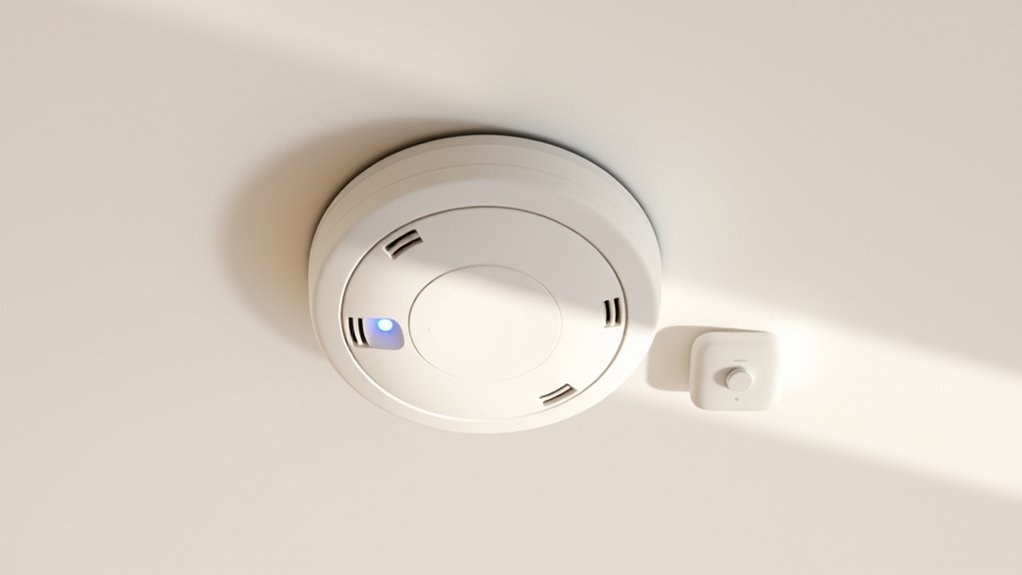

For most homes, the First Alert SC5 Hardwired Smart Smoke and Carbon Monoxide Alarm is the strongest all-around choice, pairing app-connected alerts with hardwired power and backup. The Heiman six-detector kit stands out for covering multiple rooms through a gateway, while the Kidde Ring models suit households already using Ring. The main tradeoffs are whether you need hardwired or battery power, whole-home interconnection, and alerts through a particular app or hub. I compare those differences across all 11 options so you can match coverage and upkeep to your home. Read on for the full breakdown.

Get cleaning gear delivered free with Prime
- Fast, free delivery on millions of items
- Prime Video, Amazon Music and more included
- Member-only deals all year
Complete the kit



Key Takeaways
- First Alert SC5 Hardwired earns the overall lead for combining smart alerts and hardwired installation, though it is a less direct fit where compatible wiring is unavailable.
- The Heiman S1-R kit and the two X-Sense six-packs emphasize multi-room coverage; check each system’s gateway and interconnection requirements before choosing by detector count alone.
- Kidde’s Ring-connected models make the most sense for Ring households, while buyers outside that ecosystem should compare app compatibility before prioritizing smart features.
- The lineup separates into single-room alarms and multi-unit systems: a standalone detector can suit a small space, but it does not provide the same coordinated coverage as an interconnected set.
- Power source shapes long-term fit: hardwired alarms rely on existing wiring, while battery models simplify placement but make battery condition and replacement planning more central.
| First Alert SC5 Hardwired Smart Smoke and Carbon Monoxide Alarm |  | Best Overall Smart Hardwired Pick | Alarm types: Smoke and carbon monoxide | Power: Hardwired with battery backup | Connectivity: First Alert app phone alerts; interconnects with compatible alarms | VIEW ON AMAZON | See Our Full Breakdown |
| Heiman Smart Wireless Interconnected Smoke Detector Kit, 6 Detectors with Gateway (S1-R) |  | Best for Whole-Home Smoke Coverage | Quantity: Six smoke detectors and one gateway | Certification: UL 217 10th Edition, CSFM, FCC | Interconnection: Wireless; supports up to 24 detectors | VIEW ON AMAZON | See Our Full Breakdown |
| Kidde Smart Smoke and Carbon Monoxide Detector with Ring App, Battery Powered |  | Best for Ring and Alexa Households | Detection: Smoke and carbon monoxide | Power: Two included AA alkaline batteries | Connectivity: Ring app notifications and wire-free interconnectivity with Kidde alarms | VIEW ON AMAZON | See Our Full Breakdown |
| First Alert Hardwired Smoke and Carbon Monoxide Alarm |  | Best Hardwired Replacement Without App Features | Alarm types: Smoke and carbon monoxide | Power: Hardwired with battery backup | Interconnectivity: Compatible with most First Alert and BRK alarms | VIEW ON AMAZON | See Our Full Breakdown |
| X-Sense SC07 Smoke and Carbon Monoxide Detector, 1-Pack |  | Best Standalone Long-Life Pick | Model: SC07 | Pack size: One detector | Battery life: Designed for 10 years | VIEW ON AMAZON | See Our Full Breakdown |
| First Alert 10-Year Battery Smoke and Carbon Monoxide Alarm |  | Best for Ring Alarm Households | Brand: First Alert | Model: SMCO410 | Manufacturer model number: 1048325 | VIEW ON AMAZON | See Our Full Breakdown |
| First Alert SC5 Battery Smart Smoke and Carbon Monoxide Alarm |  | Best for App Alerts Without a Ring System | Brand: First Alert | Model: SMCO600NV | Alarm type: Combination smoke and carbon monoxide alarm | VIEW ON AMAZON | See Our Full Breakdown |
| X-Sense SC06-W 6-Pack Interconnected Smoke and Carbon Monoxide Detectors |  | Best Value for Whole-Home Coverage | Brand: X-Sense | Model: SC06-W | Pack size: 6 alarms | VIEW ON AMAZON | See Our Full Breakdown |
| X-Sense SC07-W Interconnected Smoke and Carbon Monoxide Detector, 6-Pack |  | Best for Detailed Local Monitoring | Brand: X-Sense | Model: SC07-W | Pack size: 6 alarms | VIEW ON AMAZON | See Our Full Breakdown |
| Kidde Smart Smoke and CO Detector with Ring, Hardwired with AA Battery Backup |  | Best Hardwired Ring Pick | Brand: Kidde | Detection: Smoke and carbon monoxide | Power: Hardwired with AA battery backup | VIEW ON AMAZON | See Our Full Breakdown |
| Kidde Hardwired Smart Smoke and Carbon Monoxide Detector with App Alerts and Battery Backup |  | Best for Cooking-Prone Homes | Detection: Smoke and carbon monoxide | Power: Hardwired with AA battery backup | Connectivity: 2.4 GHz Wi-Fi | VIEW ON AMAZON | See Our Full Breakdown |
| smart smoke and co detector | Connectivity | Detection |
|---|---|---|
| First Alert SC5 Hardwired Smar | First Alert app phone alerts; interconnects with compatible alarms | — |
| Heiman Smart Wireless Intercon | — | — |
| Kidde Smart Smoke and Carbon M | Ring app notifications and wire-free interconnectivity with Kidde alarms | Smoke and carbon monoxide |
| First Alert Hardwired Smoke an | — | — |
| X-Sense SC07 Smoke and Carbon | Standalone; no wireless interconnection, Wi-Fi, or base station connection | — |
| First Alert 10-Year Battery Sm | Z-Wave Plus | Smoke and carbon monoxide |
| First Alert SC5 Battery Smart | — | — |
| X-Sense SC06-W 6-Pack Intercon | Wireless interconnection; no Wi-Fi or base-station connection | Smoke and carbon monoxide |
| X-Sense SC07-W Interconnected | — | Photoelectric smoke and electrochemical carbon monoxide |
| Kidde Smart Smoke and CO Detec | — | Smoke and carbon monoxide |
| Kidde Hardwired Smart Smoke an | 2.4 GHz Wi-Fi | Smoke and carbon monoxide |
More Details on Our Top Picks
First Alert SC5 Hardwired Smart Smoke and Carbon Monoxide Alarm
The First Alert SC5 is my strongest fit for homeowners who want smoke and carbon monoxide protection tied to app alerts and their existing hardwired setup. Its voice alerts name the danger and its location, which gives people more useful direction than a siren alone, while interconnection can alert occupants elsewhere in the home. Precision Detection is designed to reduce nuisance alarms, and the Quick Connect Plug makes replacement simpler when compatible wiring is already in place. Compared with the Kidde Smart Smoke and Carbon Monoxide Detector with Ring App, the SC5 needs hardwired installation but includes battery backup and a location-specific voice alert. Its main tradeoff is that remote notifications depend on the First Alert app, and it is a poor match for homes without compatible wiring.
Pros:- Detects both smoke and carbon monoxide
- App notifications add a remote alert channel
- Voice alerts identify the hazard and its location
- Battery backup and compatible-alarm interconnection help maintain alerts during outages
Cons:- Requires a compatible hardwired connection
- Phone alerts require the First Alert app
- Interconnection is limited to compatible alarms
Best for: Homeowners replacing a hardwired combination alarm who want app notifications, location-specific voice alerts, and backup power
Not ideal for: Renters or homeowners without compatible hardwired connections, and buyers who do not want to rely on the First Alert app for phone alerts
- Alarm types:Smoke and carbon monoxide
- Power:Hardwired with battery backup
- Connectivity:First Alert app phone alerts; interconnects with compatible alarms
- Voice alerts:Identifies the type and location of danger
- Detection technology:Precision Detection Technology
- Installation:Quick Connect Plug for installation or replacement without rewiring
- Compatibility:Compatible with Google’s Nest Protect Alarm
Our verdict“Choose the SC5 if you want a hardwired combination alarm with app alerts and spoken hazard details.”
Heiman Smart Wireless Interconnected Smoke Detector Kit, 6 Detectors with Gateway (S1-R)
For a home that needs several smoke alarms at once, the Heiman S1-R kit offers six detectors that can sound together without relying on Wi-Fi for their local interconnection. That makes it a different kind of smart pick from the First Alert SC5: Heiman focuses on distributed smoke coverage, while the SC5 also detects carbon monoxide and uses hardwired power with battery backup. The gateway adds optional phone or email alerts, and the 10-year CR123A batteries reduce routine battery changes. Magnetic mounting also makes access for testing or replacement more convenient. The tradeoffs are its smoke-only detection and gateway dependence for remote alerts; the gateway needs 2.4 GHz Wi-Fi, so homes using only 5 GHz Wi-Fi will need a compatible network setup.
Pros:- Six detectors provide broad smoke coverage in one kit
- Wireless alarms can trigger together without Wi-Fi
- Gateway supports optional remote smartphone or email alerts
- Ten-year batteries and magnetic mounting simplify upkeep
Cons:- Detects smoke only, with no carbon monoxide sensing
- Remote alerts require the gateway and 2.4 GHz Wi-Fi
- Not compatible with 5 GHz Wi-Fi
Best for: Households needing several linked smoke alarms across multiple rooms and wanting optional remote alerts through a 2.4 GHz gateway
Not ideal for: Buyers who need carbon monoxide detection in the same device or who cannot use a 2.4 GHz Wi-Fi network for gateway alerts
- Quantity:Six smoke detectors and one gateway
- Certification:UL 217 10th Edition, CSFM, FCC
- Interconnection:Wireless; supports up to 24 detectors
- App connectivity:2.4 GHz Wi-Fi through Heiman WS3GW-R Gateway
- Battery:10-year CR123A lithium battery
- Sensor:Dual-beam photoelectric
- Alarm volume:85 dB
- Dimensions:70 mm diameter × 37 mm height
- Mounting and warranty:Magnetic pads or mounting hardware; 10-year warranty
Our verdict“Pick the Heiman kit for linked smoke detection across several rooms when you can use its 2.4 GHz gateway for remote alerts.”
Kidde Smart Smoke and Carbon Monoxide Detector with Ring App, Battery Powered
The Kidde Smart Smoke and Carbon Monoxide Detector is a sensible choice for buyers who want battery-powered protection with Ring app notifications and Alexa-enabled alerts. It covers both smoke and carbon monoxide, and can wirelessly interconnect with other Kidde alarms, so an alarm in one area can be heard through compatible units elsewhere. Compared with the hardwired First Alert SC5, this Kidde model is easier to place where wiring is unavailable, but it uses two AA batteries and does not list the SC5’s battery backup or location-specific voice alerts. Alarm and low-battery notifications work without a subscription; optional 24/7 monitoring requires a separate Ring plan. That distinction matters for buyers who want remote monitoring, while households seeking a self-contained connected system may prefer to skip the added service.
Pros:- Detects both smoke and carbon monoxide
- Ring app sends alarm and low-battery notifications without a subscription
- Wire-free interconnectivity can alert through compatible Kidde alarms
- Works with Alexa-enabled devices
Cons:- Requires two AA alkaline batteries
- Optional 24/7 monitoring requires a separate subscription
- Interconnection is limited to compatible Kidde alarms
Best for: Ring and Alexa households that need a battery-powered smoke and CO alarm with app and low-battery notifications
Not ideal for: Buyers seeking hardwired power, spoken location details, or optional 24/7 monitoring without a separate Ring subscription
- Detection:Smoke and carbon monoxide
- Power:Two included AA alkaline batteries
- Connectivity:Ring app notifications and wire-free interconnectivity with Kidde alarms
- Alexa compatibility:Notifications from Alexa-enabled devices
- Standards:UL 217 and FCC
- Optional monitoring:24/7 monitoring requires a separate Ring subscription
Our verdict“Choose this Kidde model if you use Ring or Alexa and want a battery-powered combination alarm with app alerts.”
First Alert Hardwired Smoke and Carbon Monoxide Alarm
This First Alert hardwired combination alarm suits buyers who want smoke and carbon monoxide detection on existing wiring without making app alerts a priority. Its battery backup supports protection during power outages, and compatible First Alert and BRK alarms can interconnect so a hazard triggers alerts through linked units. Precision Detection is designed to reduce cooking-related nuisance alarms, a useful distinction for kitchens near alarm locations. Compared with the smart First Alert SC5, this model keeps the hardwired and combination-detection basics but does not list phone notifications or voice alerts that identify the hazard and location. Its adjustable mounting bracket can help align the unit during installation. The tradeoff is a more limited connected feature set, so buyers who want remote notifications should choose a smart model instead.
Pros:- Detects smoke and carbon monoxide
- Battery backup maintains protection during power outages
- Interconnects with most compatible First Alert and BRK alarms
- Precision Detection is designed to reduce cooking nuisance alarms
Cons:- Requires hardwired installation
- No app alerts or voice location announcements are listed
- Interconnection depends on compatibility with existing alarms
Best for: Homeowners replacing a compatible First Alert or BRK hardwired alarm who want smoke and CO coverage with battery backup
Not ideal for: Buyers who want app notifications, voice guidance, or a wireless installation option
- Alarm types:Smoke and carbon monoxide
- Power:Hardwired with battery backup
- Interconnectivity:Compatible with most First Alert and BRK alarms
- Sensing:Precision Detection designed to reduce nuisance alarms
- Alarm indicator:Latching alarm indicator
- Mounting:Adjustable mounting bracket
Our verdict“Choose this First Alert for straightforward hardwired smoke and CO coverage when app features are not a priority.”
X-Sense SC07 Smoke and Carbon Monoxide Detector, 1-Pack
The X-Sense SC07 is for buyers who want smoke and carbon monoxide coverage in one simple, self-contained unit. Its sealed 10-year lithium battery avoids routine battery replacement, and photoelectric smoke sensing pairs with an electrochemical CO sensor. Wall or ceiling mounting needs no rewiring, making placement easier than with the hardwired First Alert SC5. The SC07 also lists UL 217 and UL 2034 certification, while keeping setup free of Wi-Fi and a base station. That simplicity comes with a clear limit: it cannot wirelessly interconnect with other alarms, and it sends no phone alerts. Compared with the Heiman kit, it covers both smoke and CO but lacks multi-room linked alarms. Choose it for a single location where independent detection is the priority.
Pros:- Detects both smoke and carbon monoxide
- Sealed lithium battery is designed to last 10 years
- Wall or ceiling mounting requires no rewiring
- Meets UL 217 and UL 2034 standards
Cons:- No wireless interconnection with other alarms
- No Wi-Fi, app alerts, or base station connection
Best for: Owners or renters who need a standalone smoke and CO alarm with a sealed long-life battery and no wiring
Not ideal for: Households that need alarms to trigger together across rooms or want app and remote notifications
- Model:SC07
- Pack size:One detector
- Battery life:Designed for 10 years
- Smoke sensor:Photoelectric
- Carbon monoxide sensor:Electrochemical
- Installation:Wall or ceiling mount; no rewiring required
- Certifications:UL 217 and UL 2034
- Connectivity:Standalone; no wireless interconnection, Wi-Fi, or base station connection
Our verdict“Pick the SC07 for independent smoke and CO protection in one location without wiring or routine battery changes.”
First Alert 10-Year Battery Smoke and Carbon Monoxide Alarm
The First Alert SMCO410 suits buyers who want smoke and carbon monoxide detection with a sealed battery and already use a compatible Ring Alarm system. Its 10-year battery removes routine battery changes, while sensing designed to reduce cooking-related nuisance alarms may mean fewer interruptions in busy kitchens. Compared with the First Alert SC5 Battery Smart Smoke and Carbon Monoxide Alarm, this model ties connected notifications to Ring equipment rather than the First Alert app. That makes it a more focused fit for an existing Ring setup, but a poor choice if you want phone alerts without adding compatible Ring hardware. The local alarm still detects both hazards; its connected alert path is the key limitation for buyers looking for a standalone smart detector.
Pros:- Detects both smoke and carbon monoxide
- Sealed battery is rated for up to 10 years
- Designed to reduce cooking-related nuisance alarms
- Can send emergency notifications through compatible Ring equipment
Cons:- Connected notifications require compatible Ring equipment, including the specified listener
- Does not offer the First Alert app notification route described for the SC5 battery model
Best for: Households with a compatible Ring Alarm Base Station and Alarm Smoke and CO Listener that want a sealed-battery combination alarm
Not ideal for: Buyers who want phone alerts without Ring equipment or need a hardwired alarm
- Brand:First Alert
- Model:SMCO410
- Manufacturer model number:1048325
- Detection:Smoke and carbon monoxide
- Battery:Sealed battery rated for up to 10 years
- Connectivity:Z-Wave Plus
- Compatibility:Ring Alarm Base Station; Ring Alarm or Ring Alarm Pro Security Kit with Alarm Smoke and CO Listener required
- Controls and alerts:Test/silence button and end-of-life warning
Our verdict“Choose the SMCO410 if you already have the required Ring Alarm equipment and want long-life battery power in a combination alarm.”
First Alert SC5 Battery Smart Smoke and Carbon Monoxide Alarm
The First Alert SC5 battery model is the stronger fit for buyers who want notifications through a detector maker’s app instead of relying on Ring hardware. It detects smoke and carbon monoxide, sends phone and low-battery alerts, and uses voice alerts to identify the hazard and its location. That spoken detail can help someone respond to the right area of the home more quickly. Compared with the First Alert SMCO410, its app-based alert path is less tied to a Ring setup; compared with the X-Sense SC07-W 6-Pack, it offers phone alerts but covers one alarm per unit rather than a six-alarm wireless network. The tradeoff is its CR123A batteries, which require replacement, and app notifications depend on connectivity.
Pros:- App notifications include smoke, CO, and low-battery alerts
- Voice alerts identify the hazard and its location
- Compatible alarms can sound together
- Precision Detection Technology is designed to reduce nuisance alarms
Cons:- Uses replaceable CR123A lithium batteries rather than a sealed 10-year battery
- Phone alerts rely on the First Alert app and a working connection
- Sold as one alarm, so broader coverage requires additional compatible units
Best for: Homeowners who want app and voice alerts from a battery-powered smoke and CO alarm without building around Ring
Not ideal for: Buyers prioritizing a sealed 10-year battery or a multi-alarm pack with wireless interconnection
- Brand:First Alert
- Model:SMCO600NV
- Alarm type:Combination smoke and carbon monoxide alarm
- Power source:3V CR123A lithium batteries
- Unit count:1
- Smart alerts:Phone alerts through the First Alert app
- Interconnection:Compatible alarms sound together
- Voice alerts:Identifies the type and location of danger
Our verdict“Pick the SC5 battery model if app and spoken alerts matter more to you than a sealed battery or a six-alarm package.”
X-Sense SC06-W 6-Pack Interconnected Smoke and Carbon Monoxide Detectors
The X-Sense SC06-W six-pack is built for buyers who need several rooms covered and want linked alarms without wiring or a smart-home base station. If one unit detects smoke or carbon monoxide, wireless interconnection makes all linked units sound, extending the warning beyond the room where the danger starts. Its sealed batteries and included mounting hardware also make installation simpler in homes without existing alarm wiring. Compared with the X-Sense SC07-W 6-Pack, the SC06-W has fewer specified network details: the SC07-W lists an LCD, a maximum of 18 linked alarms, and an 820-foot range. Neither pack provides Wi-Fi or app alerts, so the SC06-W makes most sense when local whole-home warning matters more than remote monitoring.
Pros:- Six alarms provide coverage across multiple rooms
- Wireless interconnection makes all units sound when one detects danger
- Sealed 10-year batteries avoid routine battery replacement
- Includes wall or ceiling mounting hardware and meets UL 217 and UL 2034 standards
Cons:- No Wi-Fi or base-station connectivity for remote alerts
- Battery-powered units are not hardwired
- Compared with the SC07-W pack, the supplied data does not specify a display or interconnection range
Best for: Homeowners who need several battery-powered combination alarms that sound together and do not need phone notifications
Not ideal for: Buyers seeking Wi-Fi alerts, base-station integration, or hardwired replacements
- Brand:X-Sense
- Model:SC06-W
- Pack size:6 alarms
- Detection:Smoke and carbon monoxide
- Battery:Sealed lithium battery rated for 10 years
- Connectivity:Wireless interconnection; no Wi-Fi or base-station connection
- Installation:Not hardwired; wall or ceiling mount
- Certifications:UL 217 and UL 2034
- Included:6 alarms, user manual, 18 screws, and anchor plugs
Our verdict“Choose this pack for linked, multi-room smoke and CO coverage when local alarms are enough and app alerts are not a requirement.”
X-Sense SC07-W Interconnected Smoke and Carbon Monoxide Detector, 6-Pack
The X-Sense SC07-W six-pack adds useful local status information to the linked-alarm format: its LCD and specified sensor types help distinguish it from more basic interconnected packs. Photoelectric smoke sensing and an electrochemical CO sensor handle different hazards, while wireless linking lets up to 18 compatible alarms sound together. The stated range of up to 820 feet gives buyers a clearer picture of its intended network reach than the X-Sense SC06-W listing provides. Still, this is a local alarm network, not a smart notification system: it has no Wi-Fi or base-station connection. Its sealed battery also cannot be replaced, so the unit is designed for its rated service life rather than ongoing battery swaps.
Pros:- Six combination alarms can be wirelessly interconnected
- LCD provides local status information
- Specifies photoelectric smoke and electrochemical CO sensing
- Links up to 18 compatible alarms across a stated range of up to 820 feet
Cons:- No Wi-Fi or base-station connectivity for remote notifications
- Sealed battery is not designed for replacement
- The six-unit pack may be more coverage than a small home needs
Best for: Homeowners who want a six-alarm linked network with an LCD and stated sensor details, without app-based monitoring
Not ideal for: Buyers who need remote phone alerts, replaceable batteries, or integration with a security base station
- Brand:X-Sense
- Model:SC07-W
- Pack size:6 alarms
- Detection:Photoelectric smoke and electrochemical carbon monoxide
- Battery:Built-in sealed lithium battery rated for 10 years
- Wireless interconnection range:Up to 820 ft
- Maximum linked alarms:18 compatible alarms
- Display:LCD
- Safety standards:UL 217 and UL 2034
Our verdict“Choose the SC07-W if you want a linked six-alarm network with an LCD and defined range, and can do without app alerts.”
Kidde Smart Smoke and CO Detector with Ring, Hardwired with AA Battery Backup
The Kidde hardwired Ring detector fits homes with existing alarm wiring and buyers who want smoke, CO, and low-battery notifications in the Ring app. Its AA battery backup adds a layer of resilience if household power is interrupted, while its ability to relay alerts from other hardwired alarms can help make an existing setup more useful. Compared with the First Alert SMCO410, this Kidde model is hardwired and lists Alexa compatibility; the First Alert is battery-powered with a sealed 10-year battery. Basic Ring app alerts do not require a subscription, but 24/7 monitoring does. This makes the Kidde a practical smart upgrade for wired homes, though it is less suitable for renters or anyone without compatible wiring.
Pros:- Detects both smoke and carbon monoxide
- Ring app provides smoke, CO, and low-battery alerts without a subscription
- Hardwired connection can relay alerts from other hardwired alarms
- AA battery backup and Alexa compatibility
Cons:- Requires compatible hardwired alarm wiring
- 24/7 smoke and CO monitoring requires an optional Ring subscription
- Sensing performance claims are based on internal testing
Best for: Owners of homes with hardwired alarms who want Ring app alerts, Alexa compatibility, and battery backup
Not ideal for: Renters or households without compatible hardwired alarm connections, and buyers who need 24/7 monitoring without a subscription
- Brand:Kidde
- Detection:Smoke and carbon monoxide
- Power:Hardwired with AA battery backup
- App:Ring app notifications
- Alert types:Smoke, carbon monoxide, and low battery
- Alexa compatibility:Yes
- Standards:UL 217 and FCC certified
- Optional monitoring:24/7 smoke and CO monitoring with Ring subscription
Our verdict“Choose the Kidde hardwired model if your home has compatible wiring and you want Ring app alerts with backup power.”
Kidde Hardwired Smart Smoke and Carbon Monoxide Detector with App Alerts and Battery Backup
This Kidde combines smoke and carbon monoxide detection with hardwired power, AA battery backup, and phone alerts, making it a practical fit for a kitchen-adjacent hallway where nuisance alarms can be disruptive. Its enhanced sensing is designed to reduce cooking-related alarms, and the phone-based hush feature lets you silence a false alarm without reaching for the unit. Compared with the battery-powered Kidde Smart Smoke and Carbon Monoxide Detector with Ring App, this model suits homes with existing hardwired alarm wiring; it also offers Kidde app alerts without requiring Ring. The tradeoff is that smart functions need 2.4 GHz Wi-Fi, and alerts across the whole home require an additional Kidde smart alarm. Choose it for a hardwired replacement with app control, but skip it if you need interconnected alerts from a single unit.
Pros:- Detects both smoke and carbon monoxide in one hardwired unit
- AA battery backup provides power if household electricity is interrupted
- Mobile alerts can report smoke, CO, and low battery conditions
- Enhanced sensing is designed to reduce cooking-related nuisance alarms
Cons:- Smart features require a 2.4 GHz Wi-Fi connection
- Whole-home mobile alerts require adding a Kidde smart alarm
Best for: Homeowners replacing a hardwired alarm near a kitchen who want app alerts and a way to hush cooking-related false alarms
Not ideal for: Renters or households without compatible hardwired wiring, and buyers who need whole-home mobile alerts without adding another Kidde smart alarm
- Detection:Smoke and carbon monoxide
- Power:Hardwired with AA battery backup
- Connectivity:2.4 GHz Wi-Fi
- Alerts:Voice alerts and mobile notifications
- Mobile alert events:Smoke, carbon monoxide, and low battery
- Alarm control:Hush false alarms from a phone
- Sensing feature:Enhanced sensing designed to reduce cooking-related nuisance alarms
- Certifications:UL 217, UL 2034, and FCC
Our verdict“Choose this Kidde for a hardwired replacement with app alerts and cooking-alarm hush control, provided you have 2.4 GHz Wi-Fi.”

How We Picked
I compared the 11 listed models on the features that affect everyday safety and installation: smoke and carbon monoxide detection, power source, app or gateway requirements, interconnection, backup power, and the scale of coverage each product appears designed to serve. I gave more weight to clear smart-alert and coverage benefits than to a long feature list, since a connected alarm is useful only if it fits the home and the household can receive its alerts.
The ranking favors flexible choices with a clear role. The hardwired First Alert SC5 leads as an all-around connected option; multi-unit kits rank well for buyers seeking coordinated coverage, and Ring models rise for homes already built around Ring. Standalone and non-smart alarms remain useful for simpler needs, but rank lower for this specific smart-detector roundup. I also weighed practical tradeoffs such as wiring dependence, gateway needs, and ecosystem fit; verify compatibility and installation details for your home before buying.
| smart smoke and co detector | Detection |
|---|---|
| First Alert SC5 Hardwired Smar | — |
| Heiman Smart Wireless Intercon | — |
| Kidde Smart Smoke and Carbon M | Smoke and carbon monoxide |
| First Alert Hardwired Smoke an | — |
| X-Sense SC07 Smoke and Carbon | — |
| First Alert 10-Year Battery Sm | Smoke and carbon monoxide |
| First Alert SC5 Battery Smart | — |
| X-Sense SC06-W 6-Pack Intercon | Smoke and carbon monoxide |
| X-Sense SC07-W Interconnected | Photoelectric smoke and electrochemical carbon monoxide |
| Kidde Smart Smoke and CO Detec | Smoke and carbon monoxide |
| Kidde Hardwired Smart Smoke an | Smoke and carbon monoxide |
Factors to Consider When Choosing Smart Smoke And Co Detectors
Choosing between smart smoke and CO detectors starts with the home’s layout and existing setup, then moves to how you want alerts delivered. These factors can help narrow the field before comparing individual models.
Match the Alarm to Existing Wiring
Start by checking whether the intended location has compatible hardwired alarm wiring. A hardwired model can fit naturally into an existing setup, while installing one where wiring is absent may require more work than a battery model. Do not assume a battery backup makes a hardwired alarm independent of installation requirements; it supports the unit during a power interruption. Also check connector and installation compatibility before replacing an existing alarm. If you are uncertain about the wiring, get qualified help before purchase. Choosing around the home’s actual setup avoids buying a feature set that is difficult to use.
Plan Coverage by Floor and Room
Count the locations that need alarms before deciding between a single unit and a multi-pack. A kit’s detector count does not automatically mean it suits every floor plan, since placement guidance and communication range can affect coverage. Check where alarms should be installed under local rules and the manufacturer’s instructions. Think through sound paths as well: a closed bedroom door or distant level can affect how readily an alert is heard. For larger homes, coordinated alarms can make a difference if one detector senses danger elsewhere. Avoid buying extra units before mapping the locations they will serve.
Check How Alerts Reach Your Household
“Smart” can mean app notifications, gateway-based communication, or integration with a home security platform. Choose the route that household members already check and can access, rather than selecting a system based only on a familiar brand name. For a gateway kit, confirm which components connect to the gateway and whether it needs a stable internet connection. Consider who else should receive alerts when you are away, and whether the app supports the access pattern you need. Notifications depend on power, network service, and device setup, so they should supplement audible alarms rather than replace them. A system that sends alerts to an unused app adds little practical value.
Understand What Interconnection Does
Interconnected alarms can sound together when one unit detects a hazard, helping spread an alert through a home. That benefit depends on the detectors being compatible and successfully paired, so confirm whether the system supports wired or wireless links and how setup works. Do not assume two alarms from the same brand will communicate with each other. A single detector may be sufficient for a small, clearly defined area, while a multi-unit household may gain more from a coordinated set. Check whether adding units later is supported if your coverage needs may grow. Test the system after installation according to its instructions.
Compare Upkeep and Replacement Needs
Consider routine upkeep alongside the initial installation: battery checks, cleaning, app maintenance, and the alarm’s service life all affect ownership. A long-life battery can reduce frequent battery changes, but it does not mean the detector never needs replacement. Hardwired units still need periodic testing and eventual replacement according to the manufacturer’s guidance. Multi-unit systems add more devices to inspect, even when they reduce gaps in coverage. Look up the alarm’s end-of-life signal and replacement schedule before choosing. Simple maintenance is easier to sustain when every household member knows what the warning sounds mean.
Treat Smart Features as a Layer of Protection
Phone alerts can help when nobody is close enough to hear an alarm, but they rely on a working detector, power, connectivity, and notification settings. Keep audible alerts and correct detector placement at the center of the safety plan. Before relying on remote notices, enable app permissions and confirm that the people who need alerts have access. Consider whether the product’s smart features depend on a gateway or a particular ecosystem, especially if you might change platforms later. A connected detector should fit a broader household plan for responding to smoke or carbon monoxide warnings. Review local safety guidance and manufacturer instructions when setting up or replacing alarms.
Frequently Asked Questions
Can I use a smart detector without a hub or gateway?
Some connected alarms communicate through their own app or a compatible home platform, while others require a gateway to link multiple detectors. Check the product’s setup requirements before choosing, especially if you do not want another device or account in the home. A gateway may also be the link that lets alarms coordinate or send remote alerts, so removing it could change how the system works. Confirm whether basic alarm functions remain available if the internet is down. Pick a model whose alert path you can maintain.
Should I replace every alarm in my home with one connected system?
A coordinated system can make alerts easier to hear across floors, but replacing every detector at once is not automatically necessary. First map existing alarm locations, their age, power type, and whether current units already interconnect. Mixing models can lead to compatibility limits, so verify the manufacturer’s supported combinations before expanding gradually. Follow local requirements for placement and alarm type. If you upgrade in stages, make a plan to keep complete coverage throughout the change.
What happens to smart alerts if my Wi-Fi or power goes out?
The detector’s local alarm may continue to operate on battery or backup power, depending on its design, while remote app alerts can be interrupted by internet or router outages. Read the product details to learn which features remain active without Wi-Fi and what backup power covers. Hardwired units with battery backup can keep sensing through some power interruptions, but that does not restore internet access. Test the audible alarm and backup arrangement as directed. Treat phone notifications as an added channel, not the only way anyone learns of danger.
Are Ring-connected detectors a good choice if I do not use Ring?
They may still provide core alarm functions, but their connected benefits are most relevant to households using the Ring app or compatible Ring equipment. Before buying, check which alerts and controls work independently and whether setup requires a Ring account or another device. If your household already uses a different smart-home platform, compare compatibility rather than assuming integrations will be available. A platform-specific feature can be useful when it fits your existing routines. Otherwise, a detector with a more suitable alert path may be simpler to manage.
Is a multi-pack better than buying individual detectors?
A multi-pack can simplify outfitting several locations and may provide coordinated alerts when the units are designed to interconnect. Individual alarms can make more sense when you need one replacement or want to address a small area first. Compare the system’s supported range, pairing process, and expansion options before treating a larger pack as better coverage. You still need to place each unit correctly and maintain every detector. Base the decision on the home’s layout and required alarm locations, rather than pack size alone.
Conclusion
For the best overall balance in this lineup, choose the First Alert SC5 Hardwired Smart Smoke and Carbon Monoxide Alarm if your home suits hardwired installation. For multi-room coverage, compare the Heiman kit with the X-Sense six-packs based on gateway needs and detector type; these are the value-oriented contenders for buyers outfitting several areas. The Kidde Ring models are the premium fit for households already invested in Ring, while a standalone battery alarm such as the First Alert 10-Year Battery model is a straightforward starting point for someone who does not need app connectivity. For a specific hardwired replacement, consider the First Alert or Kidde wired options after checking compatibility. Match the system to your wiring, coverage plan, and alert habits, and you can narrow the choice without paying attention to features your household will not use.
Fall Picks

eufy Security Essential 7-Piece Alarm System
As an affiliate, we earn on qualifying purchases.