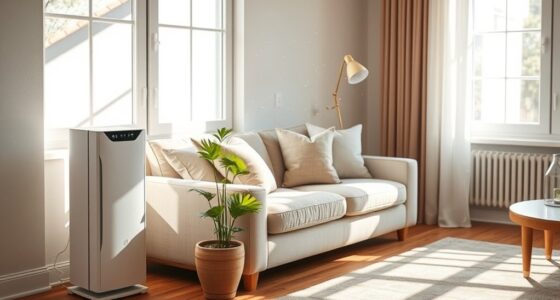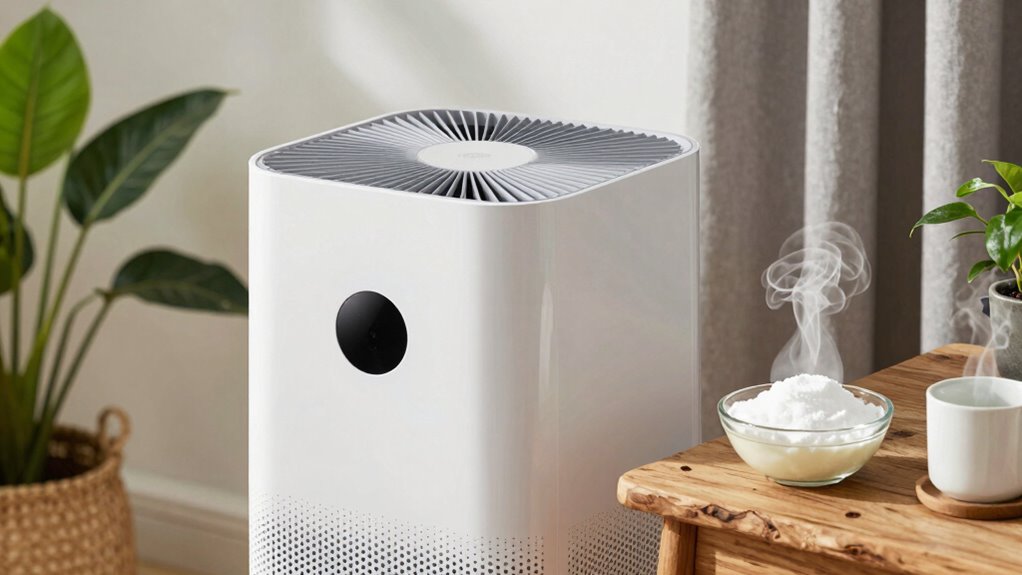

If your air purifier leaves a smelly corner, start by inspecting and replacing the filters if needed, especially if they’re dirty or old. Clean the unit thoroughly, including vents and grilles, using mild solutions. Check for dampness or mold nearby, and improve ventilation to help disperse odors. Adding odor absorbers like baking soda can help, too. To eliminate persistent smells and optimize your purifier’s performance, consider more detailed steps ahead.

Get cleaning gear delivered free with Prime
- Fast, free delivery on millions of items
- Prime Video, Amazon Music and more included
- Member-only deals all year
Key Takeaways
- Inspect and replace the filter if it’s dirty, moldy, or musty-smelling, following the manufacturer’s guidelines.
- Clean the unit thoroughly, including vents and grilles, using a damp cloth and mild cleaning solutions.
- Ensure proper room ventilation and reduce humidity to prevent mold growth and lingering odors.
- Add external odor absorbers like baking soda or air fresheners near the purifier to neutralize smells.
- Regularly maintain and check for dampness or mold near the unit to prevent persistent corner odors.
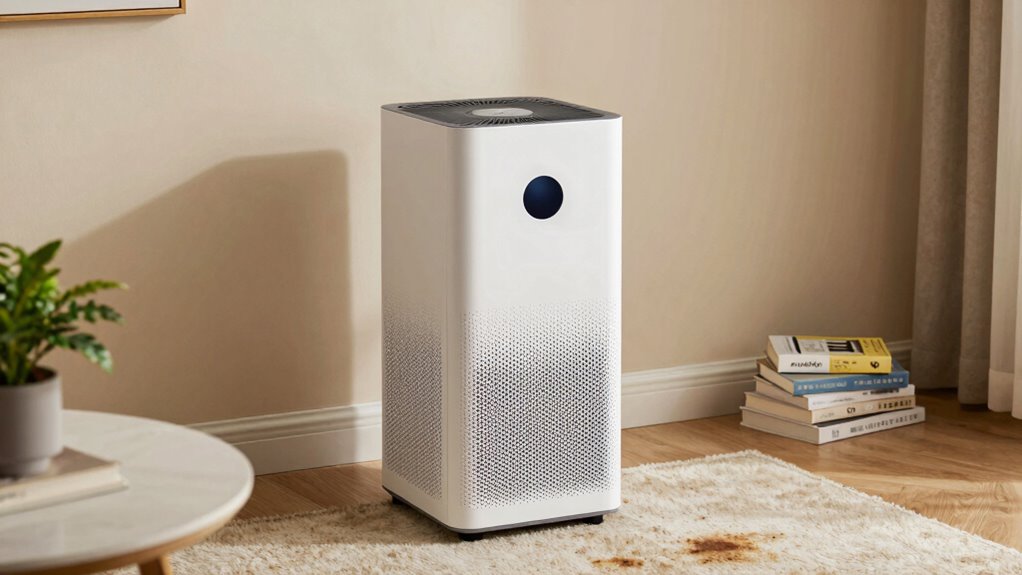
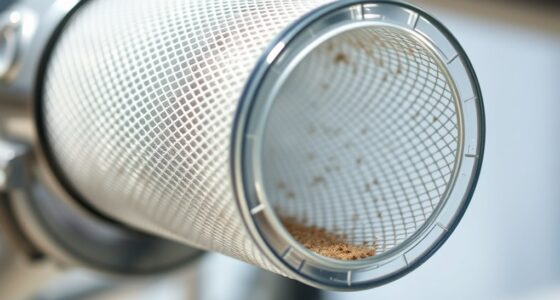
If your air purifier is leaving a strange smell in the corner of your room, it’s likely due to accumulated dust, mold, or trapped odors inside the unit. The first step is to check the filter. Filters are the heart of your air purifier’s ability to clean the air, and over time, they can become clogged or dirty, which reduces their effectiveness and often causes unpleasant odors. Regular filter maintenance is essential to prevent these smells. Remove the filter according to your unit’s instructions and inspect it. If it looks dirty or smells musty, it’s time to replace or clean it, depending on the type of filter. Some filters, like HEPA filters, need replacing every six to twelve months, while carbon filters used for odor absorption should be changed more frequently — typically every three to six months. Cleaning or replacing the filter removes trapped particles and odors, restoring the purifier’s ability to freshen the air properly.
Check and replace or clean your filter regularly to prevent musty odors and maintain fresh, clean air.
Beyond filter maintenance, consider the role of odor absorption. Many air purifiers come equipped with activated carbon filters or other odor-absorbing media designed specifically to neutralize smells from pets, cooking, smoke, or mold. If your unit has one, ensure it’s still effective. If the odor persists, it might be time to replace the carbon filter or add an external odor absorber, like an air freshener or baking soda, near the unit. These measures help trap and neutralize odors before they escape into the room. Regularly checking the air quality can also help you monitor ongoing issues with smells or pollutants. Additionally, proper maintenance of the entire unit, including internal components, can prevent the buildup of odor-causing particles. Ensuring adequate ventilation in the room can also help disperse odors and improve overall air freshness.
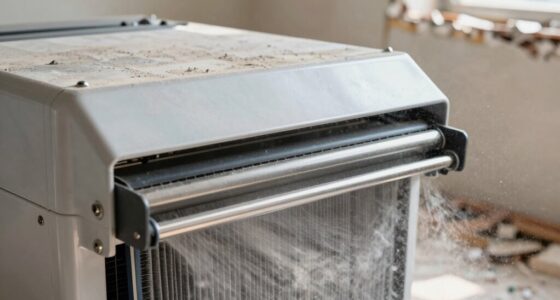
Another step you should take is to clean the exterior and interior of the unit. Dust and mold can settle on vents, grilles, and internal components, contributing to bad smells. Turn off the purifier and gently wipe down accessible parts with a damp cloth. Use a mild cleaning solution if necessary, but avoid harsh chemicals that could damage the unit or leave behind residues. Make sure to dry all parts thoroughly before reassembling.
Finally, consider the environment around your air purifier. If the corner where the unit sits is prone to dampness or mold, address those issues directly. Improving ventilation, reducing humidity, and cleaning nearby surfaces can prevent mold growth and reduce trapped odors. Additionally, filter maintenance and ensuring a clean environment can significantly impact the overall effectiveness of your purifier and help eliminate lingering smells. When your filter maintenance is up to date and you’ve cleaned the unit, your air purifier should work more efficiently and won’t leave that unpleasant corner smell. Regular upkeep keeps your space fresh and ensures your purifier continues to do its job effectively.
HEPA air purifier replacement filters
As an affiliate, we earn on qualifying purchases.
As an affiliate, we earn on qualifying purchases.
Frequently Asked Questions
Can the Smell Come From the Air Purifier’s Filter?
Yes, the smell can come from the air purifier’s filter. Over time, filters trap odors and pollutants, which can cause a lingering smell and impact air quality. When the filter becomes saturated or dirty, it releases unpleasant odors back into the room. To improve air quality and eliminate the smell, replace or clean your filter regularly, and consider using filters designed to filter odors effectively.
How Often Should I Replace the Air Purifier Filter?
They say “prevention is better than cure,” so replace your air purifier filter regularly—usually every 6 to 12 months—depending on usage and filter type. Proper filter maintenance helps avoid odors and maintain air quality. Check the manufacturer’s guidelines for specific timing. Regularly changing your filter ensures odor prevention and keeps your purifier working efficiently, avoiding that smelly corner and keeping your indoor air fresh and clean.
Are Certain Air Purifiers More Prone to Odors?
Yes, certain air purifiers are more prone to odors due to their materials and manufacturing odors. Units made with plastic or synthetic components can trap and emit smells over time, especially if poorly manufactured. You might notice more odors from models with less ventilation or lower-quality filters. To reduce this, choose purifiers with high-quality materials and good reviews, and regularly clean or replace filters to keep odors at bay.
Can Using Essential Oils Damage My Air Purifier?
Yes, using essential oils can damage your air purifier if you don’t follow essential oil safety. Some oils might clog filters or damage sensitive components, which can lead to filter odor causes or reduced efficiency. Always check your purifier’s manufacturer guidelines before using essential oils. To avoid issues, consider using a diffuser instead of adding oils directly to your purifier, ensuring you don’t compromise its longevity or performance.
Is It Safe to Use Air Fresheners With an Air Purifier?
Using air fresheners with your air purifier isn’t safe—they can damage filters or clog the system. Instead, try air freshener alternatives like natural essential oils or activated charcoal, which help with filter deodorization without harm. These options keep your air clean and fresh without risking your device’s health. Don’t let chemicals ruin your purifier; opt for safer, natural solutions to maintain a healthy, fragrant home environment.
Conclusion
Now that you’ve tackled the smelly corner, imagine your room as a gust of fresh mountain air, crisp and clean. Your air purifier, like a vigilant guardian, has banished the lingering odors, leaving behind a scent as pure as a spring breeze. With a little care and attention, your space transforms into a sanctuary of freshness, where every inhale feels like a sip of cool, clean water. Breathe easy—your oasis is finally revitalized.
Halloween Picks
halloween
As an affiliate, we earn on qualifying purchases.