To keep your carpet looking new, deep-clean it every 12 to 18 months, or more often if you have pets or high traffic areas. Regular vacuuming, promptly spot cleaning stains, and using doormats help maintain cleanliness between deep cleans. Choose the right cleaning method for your carpet type, and consider professional help for stubborn stains or wear. Keep your routine effective by following these tips—more details will help you master your carpet care.
Key Takeaways
- Deep clean carpets every 12-18 months, more frequently for households with pets or high traffic.
- Vacuum regularly (at least twice weekly) and promptly spot clean pet stains to prevent buildup.
- Select cleaning methods suited to carpet fiber type and traffic level for effective deep cleaning.
- Prepare thoroughly by removing furniture, vacuuming, and ensuring proper ventilation before cleaning.
- Schedule professional cleanings when stains persist or carpet shows signs of wear to maintain appearance and longevity.
How Often Should You Deep-Clean Your Carpets for Best Results?
How often should you deep-clean your carpets to maintain their appearance and longevity? Ideally, you should deep-clean every 12 to 18 months. If you have pets, more frequent cleanings—every 6 to 12 months—are recommended for pet stain removal and odor control. Regular deep cleaning helps eliminate dirt, allergens, and bacteria that vacuuming alone can’t remove. It also prevents stubborn stains from setting in permanently. Pay attention to high-traffic areas that tend to get dirtier faster. Incorporating professional-grade equipment can significantly improve cleaning effectiveness. Using the right cleaning techniques ensures you get the best results without damaging your carpets. Consistency is key to preserving their beauty and durability, especially when combined with proper maintenance practices. Additionally, scheduling your deep cleanings during seasonal changes can help maintain optimal carpet condition throughout the year. Regularly assessing your carpets’ condition can help you determine the best cleaning schedule based on current wear and tear levels.
How to Choose the Best Deep-Cleaning Method for Your Carpet Type
To choose the right deep-cleaning method, you need to take into account your carpet’s material and how it reacts to different techniques. You’ll also want to pick a cleaning approach that effectively removes stains and odors without damaging the fibers. By matching the method to your carpet type, you can guarantee a thorough and safe clean every time. Additionally, understanding the best woods for furniture, such as oak or maple, can help ensure that any upholstery or wooden furnishings in your home are preserved during cleaning.
Carpet Material Compatibility
Choosing the right deep-cleaning method depends largely on your carpet’s material, as different fibers react differently to cleaning agents and techniques. Some fibers are more durable and withstand aggressive cleaning, while others may fade or get damaged. Understanding fiber durability and dye stability helps you select safe methods that preserve your carpet’s appearance and longevity. For example, wool carpets require gentle cleaning to prevent shrinking, while nylon can handle more intensive treatments.
| Carpet Material | Best Cleaning Approach |
|---|---|
| Wool | Gentle steam cleaning |
| Nylon | Hot water extraction |
| Polyester | Low-moisture or dry cleaning |
Suitable Cleaning Techniques
Selecting the right cleaning technique depends on identifying your carpet’s material and its specific needs. To choose the best method, consider these key factors:
- Material Type: Wool, nylon, or polyester may require different approaches to stain removal. Understanding the material helps prevent damage and ensures effective cleaning. Using the appropriate cleaning method based on carpet fiber composition can significantly improve results. Knowing the specific fiber type can also aid in selecting appropriate cleaning solutions to avoid fiber deterioration. In addition, some fibers are more resistant to certain chemicals, so understanding your carpet’s material can help in choosing safe cleaning agents.
- Traffic Levels: Heavily used areas may need more intensive cleaning for odor control. Regular deep-cleaning can help extend the lifespan of high-traffic carpets.
- Stain Nature: Oil-based stains need solvent-based solutions, while water-soluble stains respond to mild detergents. Identifying the stain type guides the selection of appropriate cleaning agents.
- Sensitivity: Delicate carpets benefit from gentle, low-moisture methods to prevent damage. Using gentle cleaning methods minimizes the risk of fiber deterioration.
- Auditory Processing Considerations: For individuals with auditory sensitivities, choosing a gentle cleaning method can help minimize noise and sensory overload during the deep-cleaning process. Opting for quieter equipment and techniques can create a more comfortable environment.
Stain and Odor Removal
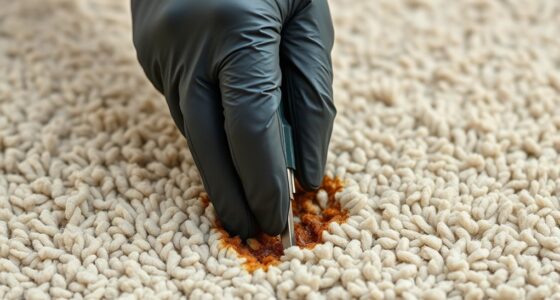
When it comes to removing stains and odors from your carpet, the key is matching the cleaning method to your carpet’s specific material and the type of stain or odor you’re dealing with. For pet stain removal, act quickly with enzyme-based cleaners that break down organic compounds, effectively eliminating both stain and smell. For odors, consider deep-cleaning with steam or professional extraction methods to reach embedded residues. Always test cleaning solutions on a small, hidden area first to avoid damage. Use blotting rather than rubbing to lift stains, and avoid harsh chemicals that could harm your carpet fibers. Properly selecting the right deep-cleaning technique guarantees effective pet stain removal and long-lasting odor elimination, keeping your carpet fresh and looking new. Additionally, using a robot vacuum before deep cleaning can help remove loose debris, making the cleaning process more effective and efficient. Regularly maintaining your carpet with appropriate cleaning schedules can prevent the buildup of stains and odors over time. For optimal results, schedule regular deep cleaning sessions based on your household’s activity level and carpet traffic. Incorporating carpet maintenance routines can extend the life of your carpet and improve overall indoor air quality.
How to Prepare Your Home Before Deep-Cleaning Your Carpets
Before you start deep-cleaning your carpets, removing all furniture, rugs, and small items is essential. This step not only prevents damage but also creates a clean slate for effective cleaning. To prepare properly, consider these key actions:
Removing furniture and small items prepares your space for effective, damage-free deep cleaning.
- Clear your space—eliminate clutter to enhance home staging and make cleaning easier.
- Vacuum thoroughly—remove loose dirt and allergens, reducing airborne particles and allergen levels.
- Protect delicate items—move fragile decor and electronics to avoid accidents.
- Ensure proper ventilation—open windows or doors to help with allergen reduction and drying time.
This preparation ensures your deep-cleaning session is efficient, maximizes results, and keeps your home looking fresh and allergen-free.
Step-by-Step Guide to Deep-Cleaning Your Carpets at Home
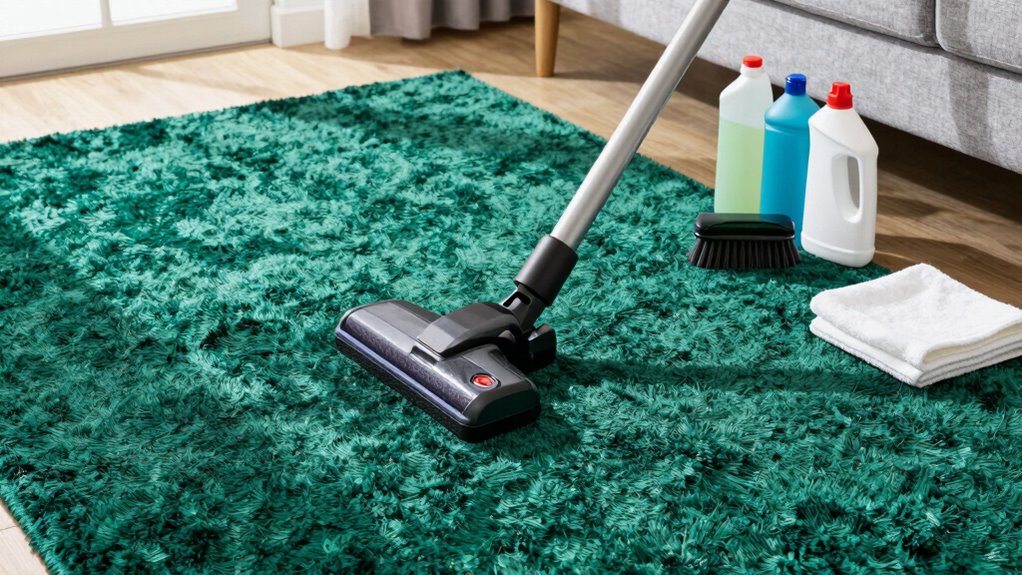
Start by gathering all your cleaning supplies so everything is within reach. Next, vacuum thoroughly to remove surface dirt and debris. Consider checking your cleaning solutions to ensure they are suitable for your carpet type. Finally, apply your cleaning solution and extract it to lift deep-seated stains and dirt.
Gather Cleaning Supplies
Gathering your cleaning supplies is the first essential step to guarantee a smooth deep-clean process. When you’re prepared, your cleaning schedule becomes more effective, turning routine maintenance into a satisfying achievement. To get started, gather these four key items:
- A high-quality carpet cleaner or steam cleaner
- Mild detergent or specialized carpet cleaning solution
- Clean microfiber cloths or sponges
- A vacuum for pre-cleaning
Having everything at hand minimizes interruptions and keeps you focused. Proper supplies make your deep-clean routine easier, ensuring you don’t miss any spots. Incorporating eco-friendly natural pool options into your cleaning routine can also help reduce chemical usage and promote a healthier environment. Additionally, selecting products with glycolic acid can improve the removal of deep-seated dirt and restore carpet brightness. Using the right cleaning techniques can further enhance your results and prolong the life of your carpets. When choosing your cleaning tools, consider ones that promote safety and efficiency to prevent damage and ensure thorough cleaning. Plus, a well-planned maintenance routine with the right tools makes your carpets last longer and look newer. Planning ahead and understanding effective cleaning methods can maximize your cleaning efficiency. So, take the time now to assemble your supplies—your carpets will thank you for it!
Vacuum Thoroughly First
Once you’ve assembled your cleaning supplies, the next step is to give your carpets a thorough vacuuming. Proper vacuum maintenance guarantees you remove dust particles effectively and prepare the surface for deep cleaning. Use a vacuum with strong suction and a clean filter. Move slowly in overlapping passes to maximize dust particle removal, especially in high-traffic areas. Don’t forget to vacuum edges and corners. Regular vacuuming prolongs carpet life and improves indoor air quality. To help you stay organized, here’s a quick guide:
| Step | Tip |
|---|---|
| 1 | Check and clean the vacuum filter |
| 2 | Use slow, overlapping passes |
| 3 | Focus on high-traffic zones |
| 4 | Vacuum edges thoroughly |
| 5 | Empty the canister frequently |
Additionally, maintaining your vacuum regularly ensures it operates at optimal performance, further enhancing your carpet cleaning routine.
Apply and Extract Solution
Before applying your cleaning solution, make sure your carpet is evenly dampened to help the solution penetrate deep fibers. This step is vital for effective stain extraction and thorough cleaning. Once dampened, gently apply the solution, focusing on heavily soiled areas. Here’s what you should do next: ensure proper airflow around the unit to maximize the effectiveness of your cleaning process. Proper air circulation can significantly enhance drying times and improve overall cleaning results. To optimize your cleaning efforts, also consider vacuuming thoroughly beforehand to remove surface debris and loose dirt that could interfere with deep cleaning. Additionally, understanding air-based cleaning techniques can help achieve more consistent and efficient results across different carpet types.
When to Call in Professional Carpet Cleaners?
Wondering when it’s time to bring in professional carpet cleaners? If your area rugs or carpets have stubborn pet stains that won’t lift with regular cleaning, it’s a good sign to call in the pros. Deep-set stains, especially from pets, can embed bacteria and odors that DIY methods struggle to remove completely. Also, if your carpet looks dull or shows signs of wear despite routine maintenance, professionals can restore its vibrancy and extend its lifespan. Consider booking a professional cleaning if you notice persistent dirt buildup or if your carpets have accumulated allergens from pets or the environment. Regular professional cleanings can help maintain a healthier indoor air quality and keep your carpets looking fresh and new longer.
Tips to Keep Your Carpets Looking Fresh Longer
Keeping your carpets looking fresh starts with a regular vacuuming routine to remove dirt and debris. Promptly cleaning spills prevents stains from setting, while using carpet protectors shields high-traffic areas. Implementing these tips will help your carpets stay vibrant longer.
Regular Vacuuming Routine
Regular vacuuming is essential for maintaining your carpets’ appearance and extending their lifespan. Consistent vacuum frequency removes dirt and dust that can wear down fibers over time. To keep your carpets looking fresh longer, follow these tips:
- Vacuum at least twice a week to prevent dirt buildup.
- Use a high-quality vacuum with strong suction for deep cleaning.
- Focus on high-traffic areas daily to prevent stains from setting.
- Promptly perform spot cleaning on spills to avoid permanent damage.
Prompt Spill Cleanup
Prompt spill cleanup is a key step in maintaining your carpets’ appearance and preventing stains from setting. When a spill occurs, act quickly to manage it effectively. Blot the spill with a clean, dry cloth or paper towel—avoid rubbing, which can push the stain deeper. Using cold water or a mild cleaning solution can help dilute the spill and make removal easier. Proper spill management prevents liquids from seeping into the fibers, reducing the risk of permanent stains. The sooner you respond, the better your chances of stain prevention. Remember, patience is essential—allow the area to dry completely before walking on it again. Consistent prompt cleanup keeps your carpets looking fresh and extends their lifespan, saving you time and money in the long run.
Use Carpet Protectors
Using carpet protectors is one of the most effective ways to keep your carpets looking fresh longer. These protective barriers, like stain shields and pads, prevent dirt and spills from penetrating deep into fibers. With them in place, you’ll experience:
- Peace of mind during busy family gatherings
- Less frequent deep cleans, saving you time and effort
- Reduced wear and tear from daily foot traffic
- Longer-lasting vibrancy and softness in your carpets
Common Mistakes to Avoid When Deep-Cleaning Your Carpets
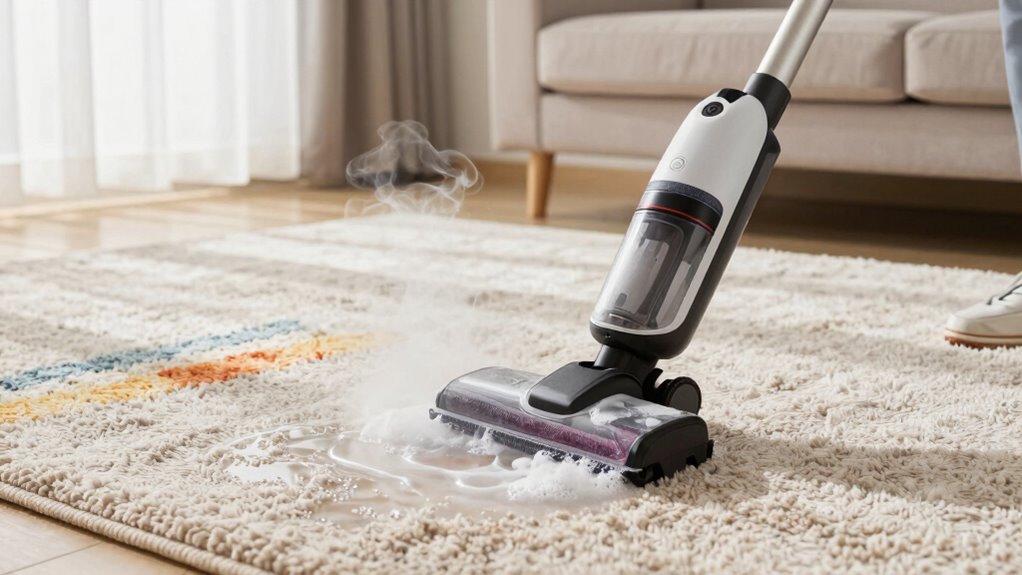
One common mistake people make when deep-cleaning their carpets is using too much cleaning solution, which can leave behind residue and make the carpet feel sticky or look dull. To avoid this, stick to DIY tips that emphasize proper dilution of cleaning products. Always opt for pet-safe cleaners to ensure your pets aren’t exposed to harmful chemicals. Using excessive cleaner not only wastes product but also prolongs drying time and can attract more dirt. Instead, apply only the amount recommended and use a clean cloth or vacuum to remove excess. Rinsing thoroughly with water can help eliminate leftover residue. Remember, a little goes a long way—you want a deep clean, not a chemical mess. Proper technique keeps your carpet looking fresh and extends its lifespan.
How to Keep Your Carpets Fresh Between Deep Cleanings
After deep-cleaning your carpets, maintaining their freshness between thorough cleanings can make a noticeable difference in their appearance and smell. To keep things looking and smelling great, try these tips:
- Spot clean pet stains immediately to prevent permanent damage and odors from setting in.
- Regularly vacuum area rugs and high-traffic spots to remove dirt and debris before they settle deep.
- Use a mild, natural deodorizer to refresh your carpets and area rugs without harsh chemicals.
- Place doormats at entrances to catch dirt and prevent it from spreading throughout your home.
These simple steps help keep your carpets vibrant and inviting, making deep cleanings less frequent and more effective. Consistent care preserves their look and extends their lifespan.
Top Tools and Products for Effective Deep Carpet Cleaning
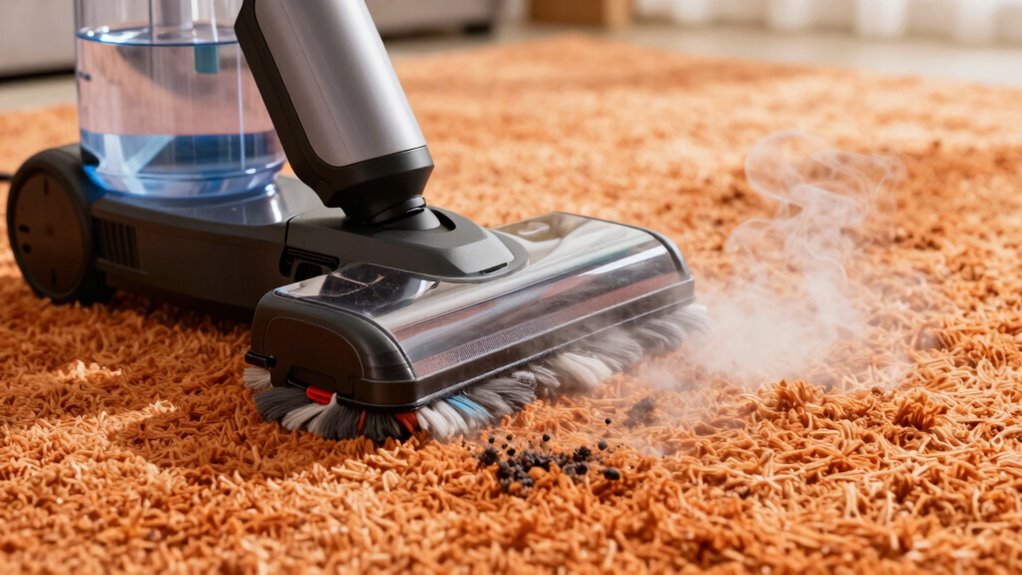
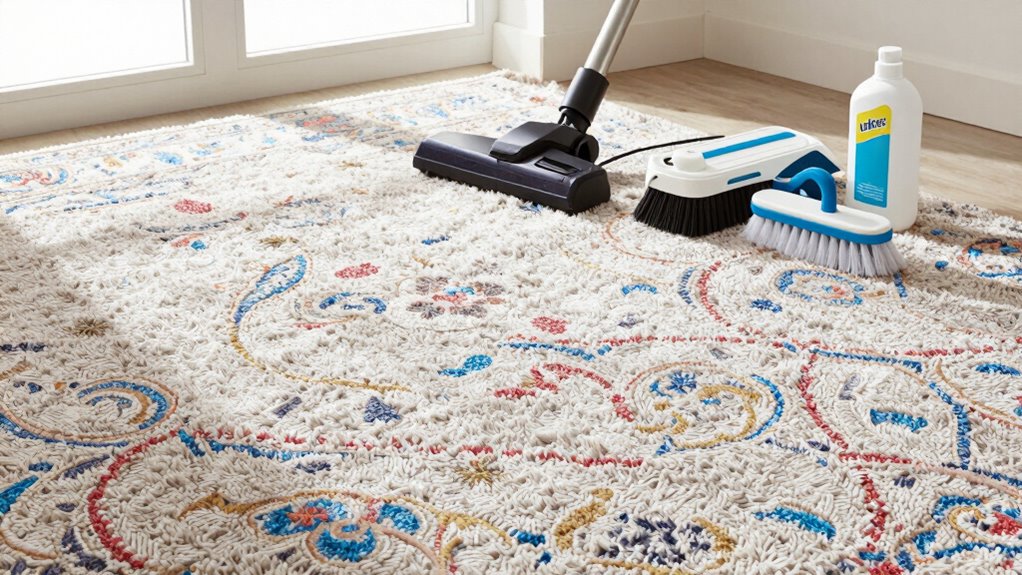
To achieve a thorough deep clean, selecting the right tools and products is essential. A powerful upright extractor or steam cleaner can effectively lift dirt from carpets and area rugs, ensuring a deep clean. For spot treatments, especially pet stains, use enzyme-based stain removers that break down organic residue. A handheld upholstery tool can help target stubborn spots without over-wetting the surrounding area. Consider using microfiber pads or brushes to enhance cleaning power and remove embedded dirt. For heavily soiled areas, pre-treat with a carpet pre-spray designed for deep cleaning. Always choose products compatible with your carpet type to prevent damage. With these tools and products, you’ll tackle pet stains and dirt buildup efficiently, leaving your carpets looking fresh and revitalized.
Assess Your Carpet’s Condition and Adjust Your Cleaning Routine
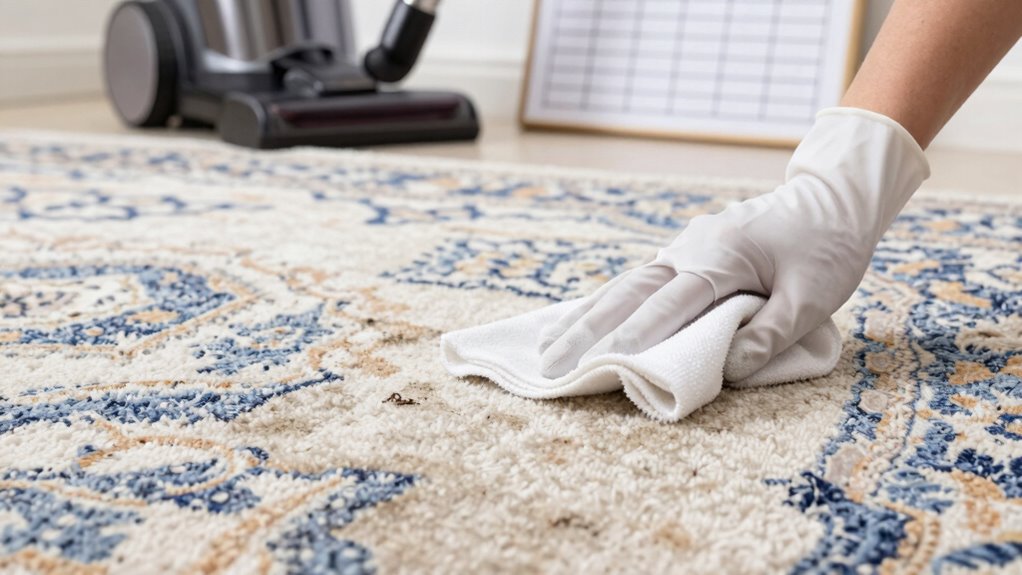
Before you plunge into deep cleaning, it’s important to evaluate your carpet’s current condition. Wear and tear can make your carpet look dull and worn, while pet stains may cause stubborn spots and odors. By assessing these issues, you can adjust your routine for better results. Consider these steps:
- Check for areas with significant wear and tear that need gentle cleaning or repair.
- Identify visible pet stains and determine if spot treatments are necessary before deep cleaning.
- Note sections where dirt and debris seem more embedded, requiring extra attention.
- Decide if frequent spot cleaning or special stain removers are needed to maintain your carpet’s appearance.
This evaluation helps you tailor your routine to keep your carpet looking fresh and extend its lifespan.
Frequently Asked Questions
Can I Use Household Cleaning Products for Deep Carpet Cleaning?
You can use household cleaning products for DIY solutions, but they might not provide the best cleaning effectiveness for deep carpet cleaning. Many common products can leave residues or damage fibers if not used properly. For ideal results, consider specialized carpet cleaners or mix gentle solutions like vinegar and baking soda. This approach ensures your carpet stays fresh and well-maintained without risking damage from harsh or unsuitable household products.
How Long Does a Deep-Cleaned Carpet Typically Take to Dry?
You might notice your carpet takes around 4 to 6 hours to dry after a deep clean. The drying process varies depending on factors like humidity, airflow, and the carpet’s thickness. To speed up the carpet drying time, increase ventilation and use fans. Keep in mind, patience pays off—rushing the drying process can lead to damp spots or mold, so give it enough time to dry thoroughly.
Are There Specific Stains That Deep Cleaning Can’t Remove?
Some stains, like bleach or certain dyes, pose cleaning limitations and may not fully come out with deep cleaning. You should know that stain removal isn’t always guaranteed, especially with stubborn or set-in stains. For such cases, professional cleaning might help, but it’s important to understand that certain stains could be permanent. Always address stains promptly to improve your chances of successful cleaning and stain removal.
Is It Safe to Walk on the Carpet Immediately After Cleaning?
You can walk on your carpet right after cleaning, but don’t jump the gun. It’s best to wait until the cleaning solution residues dry completely, ensuring the carpet fiber safety isn’t compromised. Walking too soon could spread dirt or disturb the fresh cleaning, like stirring the pot before it’s ready. Give it a few hours, and your carpet will stay looking its best, safe for every step you take.
How Often Should Commercial Carpet Cleaning Services Be Booked?
You should book commercial carpet cleaning services every 6 to 12 months for ideal carpet stain removal and maintenance. Regular cleaning helps prevent dirt buildup and extends your carpet’s life. Incorporate carpet maintenance tips like vacuuming weekly and addressing spills promptly. This schedule keeps your carpet looking fresh and clean, while deep cleaning ensures stubborn stains are removed and your space remains hygienic. Adjust frequency based on foot traffic and usage.
Conclusion
Think of your carpet as the soul of your home’s comfort—nurture it with regular deep-cleanings, like tending to a cherished garden. When you stick to a routine, you’re watering and pruning away dirt and grime, allowing your space to flourish with freshness. Each cleaning session is a gentle sunrise, renewing your environment. Keep up with these steps, and your carpet will always be a soft, vibrant foundation where memories bloom.