To prevent your vacuum attachments from spreading dust, start by disconnecting and thoroughly cleaning them with a stiff brush or an old toothbrush to loosen pet hair and debris. Wash the attachments with warm, soapy water and dry them completely before reattaching. Also, inspect for damage and replace broken parts. Regular maintenance not only improves vacuum performance but also keeps dust and allergens from circulating. Keep going to discover even more tips for a cleaner home.

Get cleaning gear delivered free with Prime
- Fast, free delivery on millions of items
- Prime Video, Amazon Music and more included
- Member-only deals all year
Key Takeaways
- Disconnect all attachments and use a stiff brush or lint roller to remove pet hair and dust.
- Wash attachments with warm, soapy water, rinse thoroughly, and dry completely before reusing.
- Inspect attachments for cracks or damage and replace if necessary to prevent dust spread.
- Regularly clean and maintain attachments to prevent dust buildup and improve vacuum efficiency.
- Keep attachments dry and free of debris to reduce allergen circulation and ensure a cleaner environment.
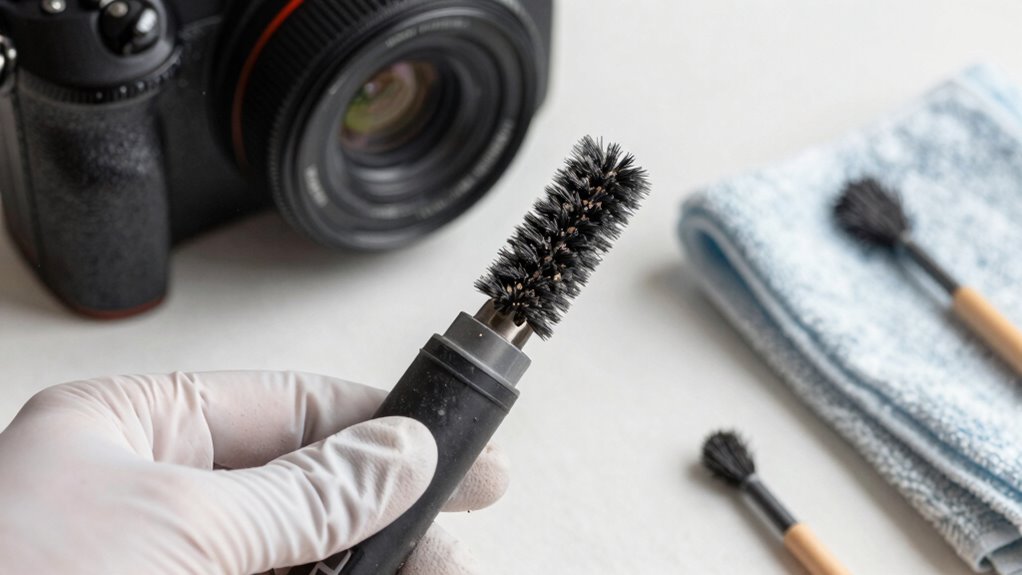
Have you ever wondered if your vacuum attachments are truly clean? Over time, they can accumulate dust, pet hair, and other debris that not only lessen their efficiency but also spread allergens back into your home. Regularly cleaning your vacuum attachments is crucial, especially if you have pets or allergies. When you neglect this task, pet hair removal becomes less effective, and airborne allergens increase, making it harder to breathe comfortably. By taking the time to clean your attachments properly, you can improve your vacuum’s performance and create a healthier living environment.
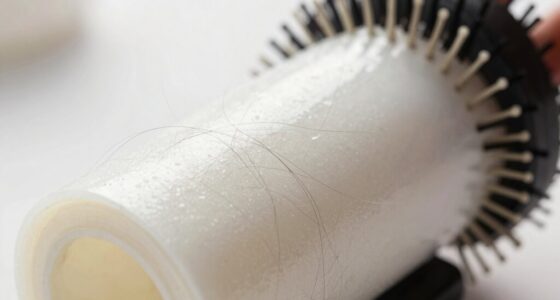
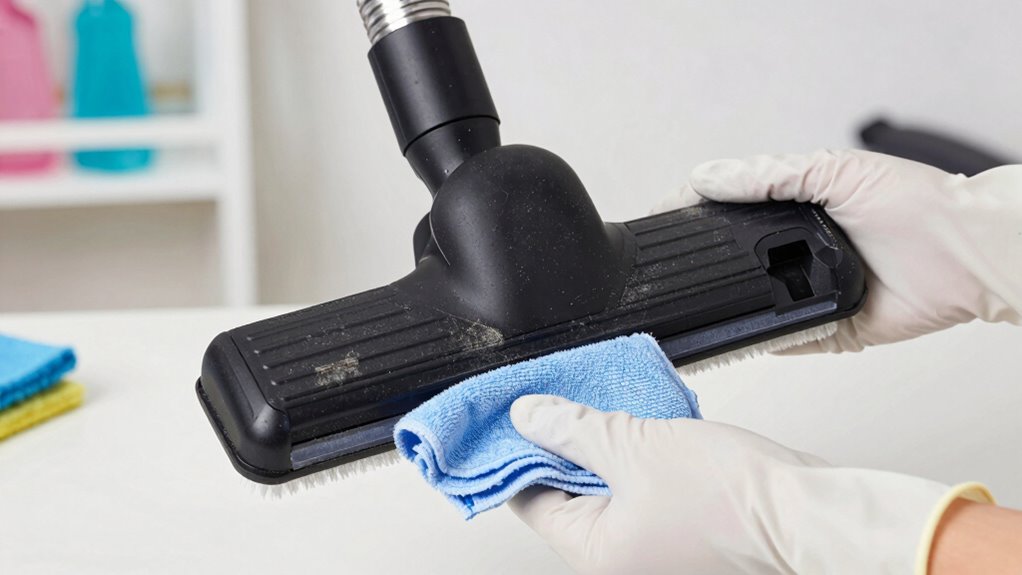
Start by disconnecting all attachments from the vacuum. Use a stiff brush or an old toothbrush to loosen and remove pet hair and dirt stuck in the crevices. Pet hair tends to cling tightly to brushes and nozzles, so don’t hesitate to scrub thoroughly. For attachments with fabric or porous surfaces, consider using a lint roller or tape to lift hair and dust. This initial step helps prevent pet hair from being redistributed during vacuuming, making pet hair removal more effective and reducing the amount of allergens airborne. Removing pet hair from attachments not only keeps your home cleaner but also prevents pet dander from circulating, which is essential for allergy prevention. Additionally, understanding the importance of cleaning tools can motivate consistent maintenance.
Disconnect attachments and use a stiff brush or lint roller to remove pet hair and dust effectively.
Once loose debris is cleared, wash the attachments with warm, soapy water. Use a mild detergent to break down oils and residues that may harbor dust mites or allergens. For plastic or rubber parts, avoid harsh cleaners that might cause damage. Rinsing thoroughly is important to remove all soap residues that could attract additional dirt over time. After washing, dry the attachments completely to prevent mold and bacteria growth. A dry, clean attachment is less likely to harbor allergens and more effective during your next cleaning session. Regular cleaning also extends the lifespan of your tools, saving you money in the long run. It’s also helpful to keep in mind that proper maintenance can enhance your vacuum’s overall performance and longevity.
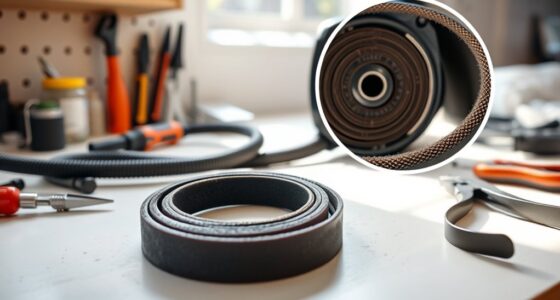
In addition to washing, inspect the attachments for any cracks or damage. Damaged parts can trap dirt or become less effective at pet hair removal. If you notice any issues, consider replacing them to maintain top-notch cleaning performance. Regular cleaning of your vacuum attachments not only prevents dust and pet hair accumulation but also minimizes allergen spread. This proactive approach helps you breathe easier and keeps your home environment healthier. Overall, a little effort in cleaning your attachments ensures they work better, last longer, and contribute to a cleaner, allergy-free home. Proper maintenance also supports the overall effectiveness of your vacuum, ensuring you get the best results every time.
vacuum attachment cleaning brush
As an affiliate, we earn on qualifying purchases.
As an affiliate, we earn on qualifying purchases.
Frequently Asked Questions
How Often Should Vacuum Attachments Be Cleaned?
You should clean your vacuum attachments at least once a month to maintain proper attachment maintenance and guarantee efficient cleaning. If you have pets or allergies, consider increasing the cleaning frequency to every two weeks. Regularly inspecting and cleaning attachments prevents dust buildup and spreading dust. Keep your vacuum working at its best by making attachment maintenance a habit, especially after heavy use or when switching between different surfaces.
Can I Use Bleach to Disinfect Vacuum Attachments?
You can use bleach to disinfect vacuum attachments, but you should be cautious about bleach safety and attachment materials. Dilute the bleach properly—mix one part bleach with ten parts water—and avoid prolonged soaking. Check if your attachments are made from bleach-safe materials like plastic or rubber. Rinse thoroughly afterward to remove any residue, and let them air dry completely before reusing to prevent damage or lingering fumes.
Are There Specific Cleaning Tools for Delicate Attachments?
You should treat your delicate attachments like fragile eggs. Use gentle brushes and microfiber cloths to clean them without causing damage. These tools are perfect for removing dust and debris without scratching or harming the surface. Be gentle and patient, especially with sensitive parts. Regularly cleaning with soft tools guarantees your attachments stay in great shape and function effectively, preventing dust from spreading when you vacuum.
What Signs Indicate Vacuum Attachments Need Replacing?
You should consider replacing vacuum attachments when the attachment material shows signs of significant wear, cracks, or damage, which can reduce cleaning efficiency. If you notice persistent cracks or broken parts, it’s time for a replacement. Typically, the replacement frequency depends on usage, but if attachments become brittle or lose suction power, these are clear signs you need new ones. Regularly inspecting your attachments helps maintain peak cleaning performance.
Can Cleaning Attachments Improve Vacuum Suction Power?
Sure, cleaning attachments can boost your vacuum’s suction power—if you enjoy the illusion of efficiency. Proper attachment maintenance clears blockages and dust buildup, preventing dust from scattering and improving performance. When you regularly clean your vacuum attachments, you’re actively preventing dust from spreading. Think of it as giving your vacuum a spa day—freshened up, dust-free, and ready to do its job better. Dust prevention starts with clean attachments!
Conclusion
Now that you know how to clean your vacuum attachments, you can keep dust and dirt at bay. Regular maintenance not only extends the life of your tools but also guarantees your home stays fresh and allergen-free. Don’t let dust bunnies get the best of you—stay ahead of the game and give your vacuum attachments the care they deserve. With a little effort, you’ll keep your cleaning routine running smoothly and dust-free as a whistle.
Halloween Picks
halloween
As an affiliate, we earn on qualifying purchases.