
TL;DR

Get cleaning gear delivered free — and shop member deals
- Fast, free delivery on millions of items
- Access to Prime Big Deal Days deals on October 6–7
- Prime Video, Amazon Music and more included
A Family Handyman winterization report recommends checking 10 areas for insulation gaps and air leaks, prioritizing attics and roofs. Contractors quoted in the report say sealing drafts and insulating vulnerable pipes can help limit heat loss and reduce the risk of frozen plumbing; the article does not quantify savings.
A Family Handyman winterization report recommends checking 10 areas of a home for insulation gaps and air leaks before cold weather arrives, starting with the attic and roof. Contractors quoted in the report say those checks can help limit heat loss and protect water pipes from freezing, though the article provides no estimate of potential energy savings.
The areas highlighted are attics and roof spaces, exterior walls, windows, exterior doors, water pipes, basements and crawl spaces, garage walls and ceilings, HVAC ductwork, electrical outlets, and small openings around pipes and wires. The report says insulation slows heat transfer through building materials, while sealing gaps helps keep outdoor air from entering.
Roofer Andre Kazimierski recommends giving attic and roof conditions priority. The report says aging roofs can develop gaps that let cold air into the attic, and recommends a roofer inspect older or weathered roofs. In vented attics, it says the attic floor should be insulated to separate that space thermally from the living area. Fiberglass batts or blown-in insulation are among the options mentioned.
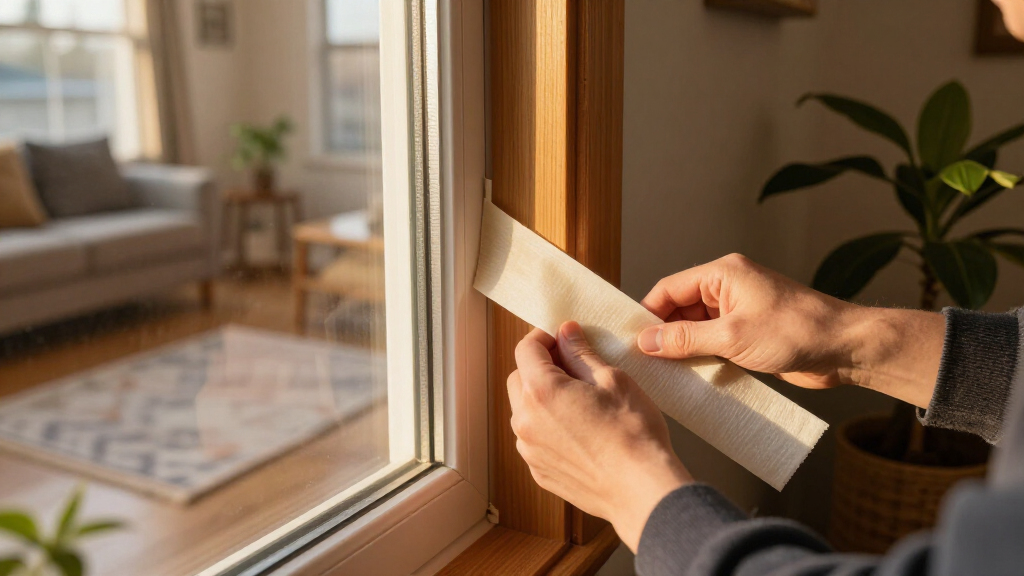
For finished walls, contractor Bob Cardwell recommends blown-in insulation when homeowners want to avoid opening the walls, and spray foam to seal gaps. The report also advises checking window and door seals and weatherstripping, protecting pipes in unheated spaces, sealing accessible duct leaks with mastic or UL-listed foil tape, and using foam gaskets around electrical outlets. It recommends choosing pipe protection based on conditions: foam sleeves for more sheltered locations and electric heat cables where temperatures regularly fall below 32 degrees Fahrenheit.
Where Heat Escapes First
The checklist focuses on areas where warm indoor air can escape or cold air can enter, including the attic, exterior walls, gaps around the foundation, and duct joints. Addressing these spots may improve comfort and limit heating demand, according to the report, but it gives no measured savings, cost estimates, or comparison between homes.
Insulating pipes that run through unheated spaces also serves a different purpose: helping reduce the chance of freezing. The report says hot-water pipes can be insulated to reduce heat loss as well. Which tasks make sense depends on the home’s existing insulation, local climate, and the condition of its roof, plumbing, and heating system.
A Fall Check Before Cold Weather
The report frames insulation as one part of winterizing a home, alongside sealing air leaks. Kazimierski says sealing gaps can improve overall insulation, while insulation itself slows heat transfer through wood, metal, and other building materials. The two measures address related but distinct routes of heat loss.
Not every area needs the same treatment. A garage may not need full insulation if it is used only for parking, the report says, but a shared wall between the garage and home should be insulated. If the garage is finished and used for other purposes, the article recommends treating its walls and ceiling more like those of the house. It also says attic insulation is often best installed in spring, according to Cardwell, though the supplied source excerpt ends before giving his full explanation.
“Sealing gaps goes a very long way with improving overall insulation.”
— Andre Kazimierski, HomeHero Roofing, as quoted by Family Handyman
Savings Depend on Each Home
The report does not provide cost estimates, energy-bill data, or measured savings for the suggested work. It also does not specify insulation levels for particular climates or home designs. The right material and amount therefore cannot be determined from the checklist alone.
Some details remain dependent on inspection: whether roof gaps need repair, how much insulation an attic already has, and which pipes face freezing conditions. The supplied excerpt also cuts off during its discussion of spring attic work, so Cardwell’s full reasoning is unavailable.
Inspect and Prioritize Repairs
Homeowners can use the report as a prompt to inspect seals, drafts, exposed pipes, and accessible ducts before temperatures drop. The article recommends a roofer’s inspection for an old or weathered roof and suggests choosing pipe insulation according to how cold and exposed the area becomes.
Any work involving hidden systems or conditions that are difficult to assess may call for a qualified contractor. The report does not set a deadline or provide a step-by-step installation schedule; the next steps depend on the home’s condition and local winter weather.
Key Questions
Which area should homeowners check first?
The report puts the attic and roof first because warm air rises and roof gaps can allow cold air into the attic. It recommends insulating the attic floor in vented attics.
Which pipes should be insulated before winter?
Prioritize pipes near exterior walls and in unheated spaces, such as attics, basements, and crawl spaces, to help protect them from freezing. The report also recommends insulating hot-water pipes to reduce heat loss.
Does every garage need full insulation?
No. The report says a garage generally does not need full insulation if used only for parking, but recommends insulating a wall shared with the home. A finished garage used for other purposes may need its walls and ceiling insulated.
When is the best time to add attic insulation?
Cardwell says spring is the best time, according to the report. The supplied source excerpt ends before his full explanation, and it does not give other timing guidance beyond checking the home before winter.
Source: rss
Fall Picks
fall essentials
As an affiliate, we earn on qualifying purchases.